






 Portuguese
  Spanish
  5 min of reading
  2 comments


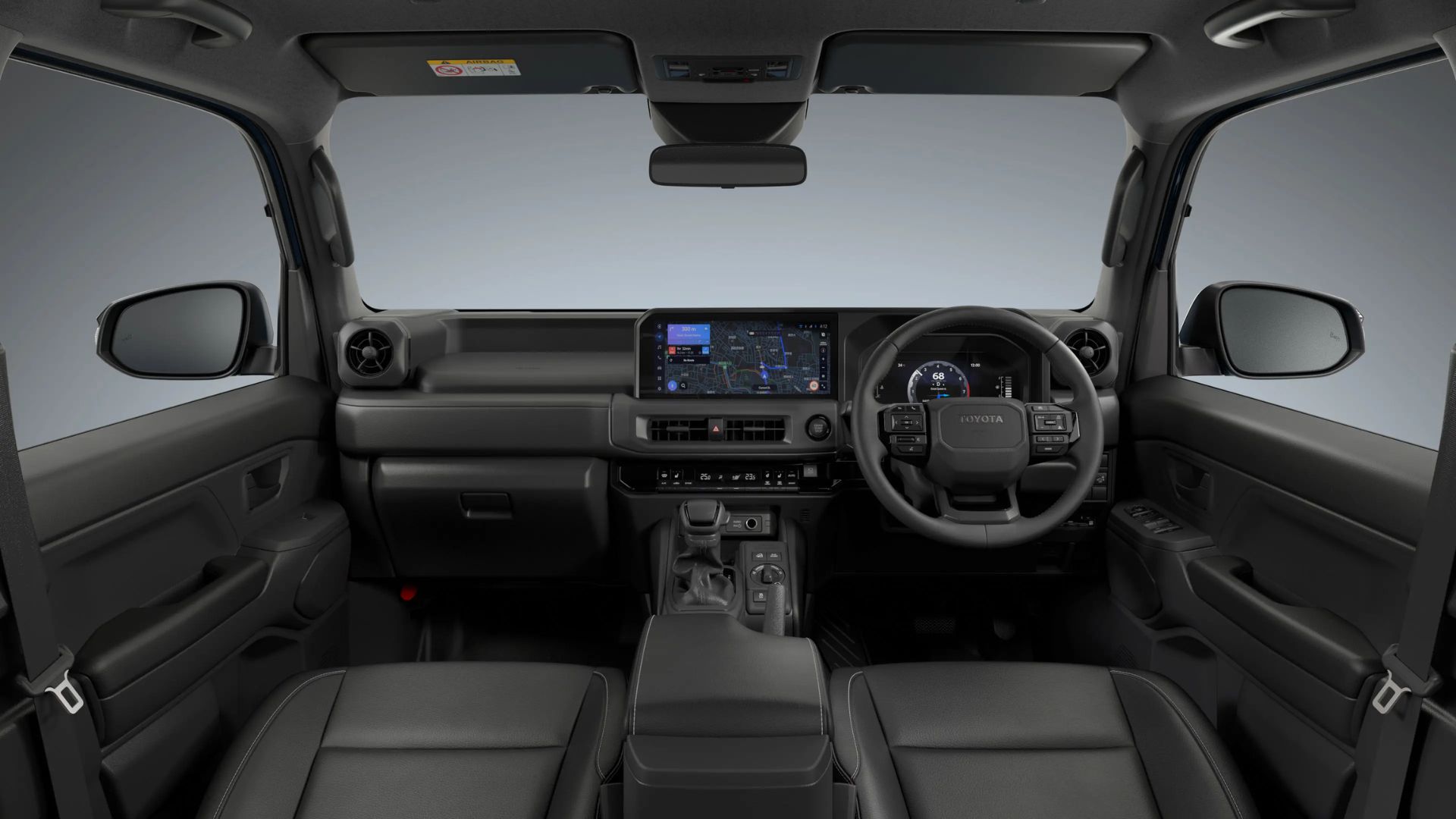


New Land Cruiser FJ Introduced in Japan with 2.7 Engine, 4×4 Drive and Pickup-Based Structure. Compact SUV Expands Toyota Line and Reinforces Brand Robustness.
The new Toyota Land Cruiser FJ was one of the main attractions at the Japan Mobility Show 2025 in Tokyo.
The compact utility expands the Land Cruiser line and adopts a 2.7 gasoline engine, 6-speed automatic transmission, and selectable 4×4 drive, combining a pickup structure with smaller dimensions.
The model is expected to launch in Japan in mid-2026, according to the manufacturer.
-
Uber Faces Shareholder Scrutiny as Board Accused of Ignoring Safety, Compliance, and Harassment Warnings Amid Over 3,500 U.S. Lawsuits

-
Ferrari’s First Electric Car Divides Fans, Priced at $630,000, Amid Concerns Over Limited Editions; Brand Clarifies It’s Not Just for Future Perks
-
BYD Dolphin Mini: The Electric Car That Defies Depreciation, Losing Only 3.58% in a Year and Becoming the Best-Selling Retail Model Under $22,000

-
Electric Car JAC E-JS4 Loses $19,000 in Value in One Year, Leading Record Depreciation of Used Cars in Brazil Due to Expensive Battery and New Models


Design and Dimensions
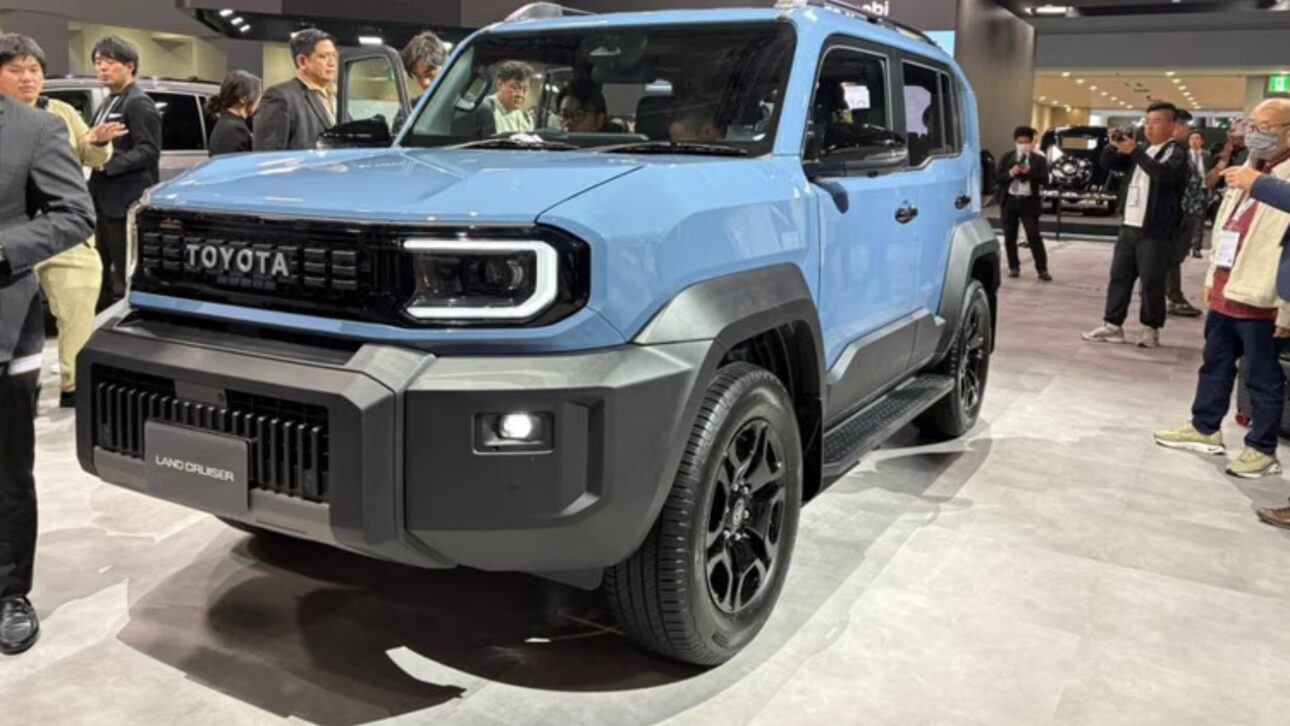
The Land Cruiser FJ features a body with straight proportions and robust volume.
The bulging fenders, angular lines, and segmented bumpers reinforce the utility appearance.
According to Toyota, the design prioritizes ease of repair and customization.
The vehicle measures 4,575 mm in length, 1,855 mm in width, and 1,960 mm in height, with a wheelbase of 2,580 mm.
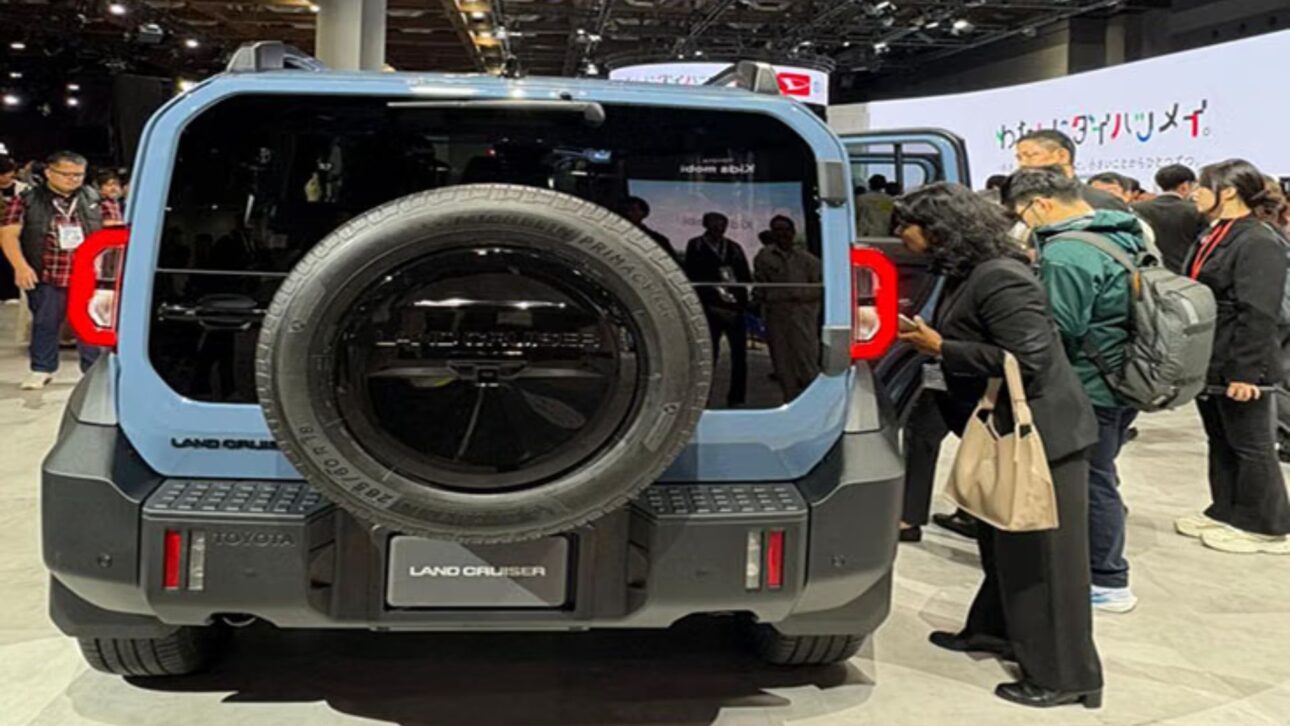
The side-opening rear door features the spare tire mounted externally, and the displayed model uses 18-inch wheels.
The use of unpainted plastic is intentional, according to the manufacturer, to facilitate maintenance and better resist contact with dirt and stones in off-road environments.
Structure and Platform
Toyota reports that the FJ uses an evolution of the IMV platform, also used in the brand’s pickups and mid-size utilities.
The model is technically related to the Hilux Champ and received structural reinforcements under the floor.
The company states that the wheelbase is 270 mm shorter than that of the Land Cruiser 250, which contributes to greater maneuverability on trails and narrow roads.
According to official data, the utility maintains the body-on-frame architecture and was developed to achieve articulation levels and off-road capacity similar to that of the Series 70.
The project focuses on mechanical strength and ease of maintenance, according to engineers involved in the development.
Engine and Drive
The mechanical setup consists of the 2.7 2TR-FE engine, producing 163 hp and 25 kgfm of torque (246 N·m), paired with the 6-speed automatic transmission (6 Super ECT).
The drive is part-time 4×4, with a selector for engaging the front axle.
Toyota emphasizes that the system was designed to offer balanced performance between urban use and off-road, prioritizing reliability.
Sources close to the project indicate that using this engine, already applied in various brand models, facilitates global parts distribution and reduces maintenance costs.
The company has not yet disclosed information about potential hybrid or diesel versions.
Interior and Equipment
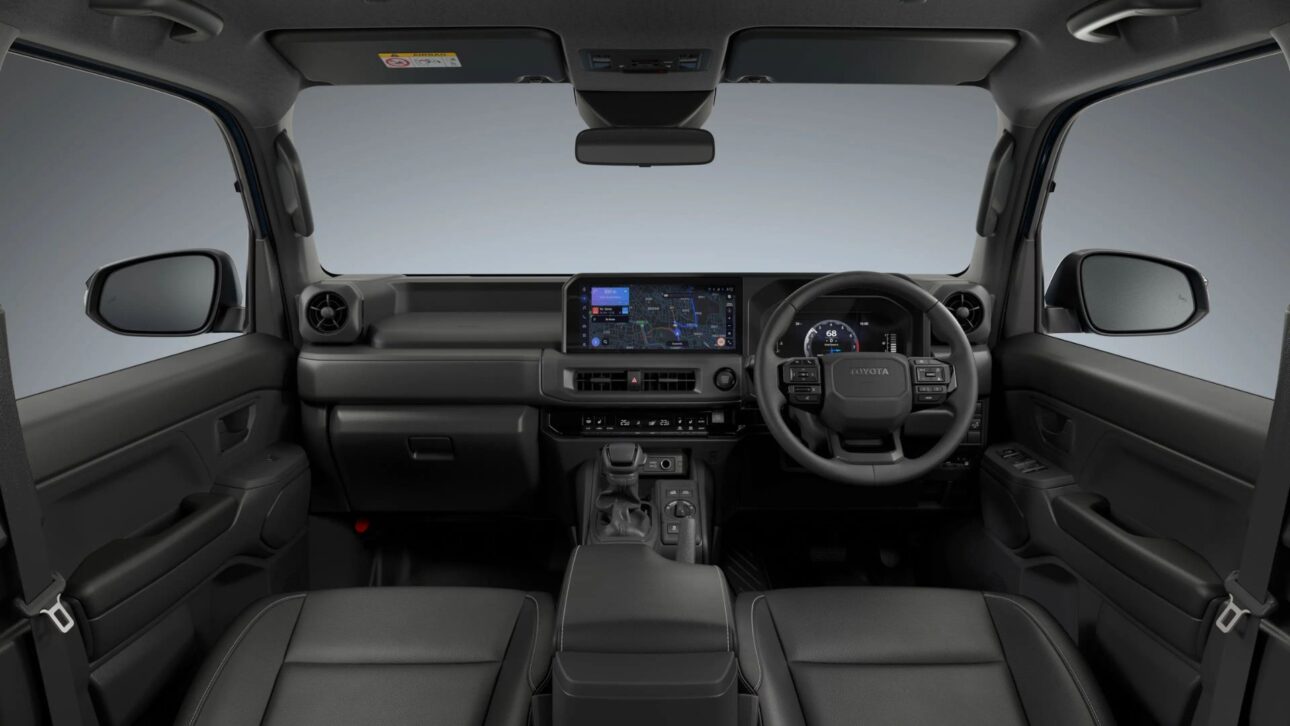
The interior follows the functional concept adopted in other Land Cruiser models.
The dashboard features horizontal lines and large physical controls.
According to Toyota, the goal is to facilitate operation and improve visibility, especially on uneven terrain.
The Toyota Safety Sense safety package is standard and includes active driving assistance features.
The internal finishing uses hard plastic and washable surfaces, aimed at durability.
The center console houses controls for the all-wheel drive and other off-road-related commands.
Rear space is considered adequate for the vehicle’s size, according to the brand, although it prioritizes material durability.
Ergonomics and Access
The model features fixed side steps and grab handles on the A-pillar to facilitate access to the cabin, which is elevated in relation to the ground.
The driving position was designed to provide wide visibility of the hood and the terrain ahead, according to the manufacturer.
The low instrument panel and the lowered beltline were also solutions implemented to expand the driver’s field of vision.
Functional Design and Customization
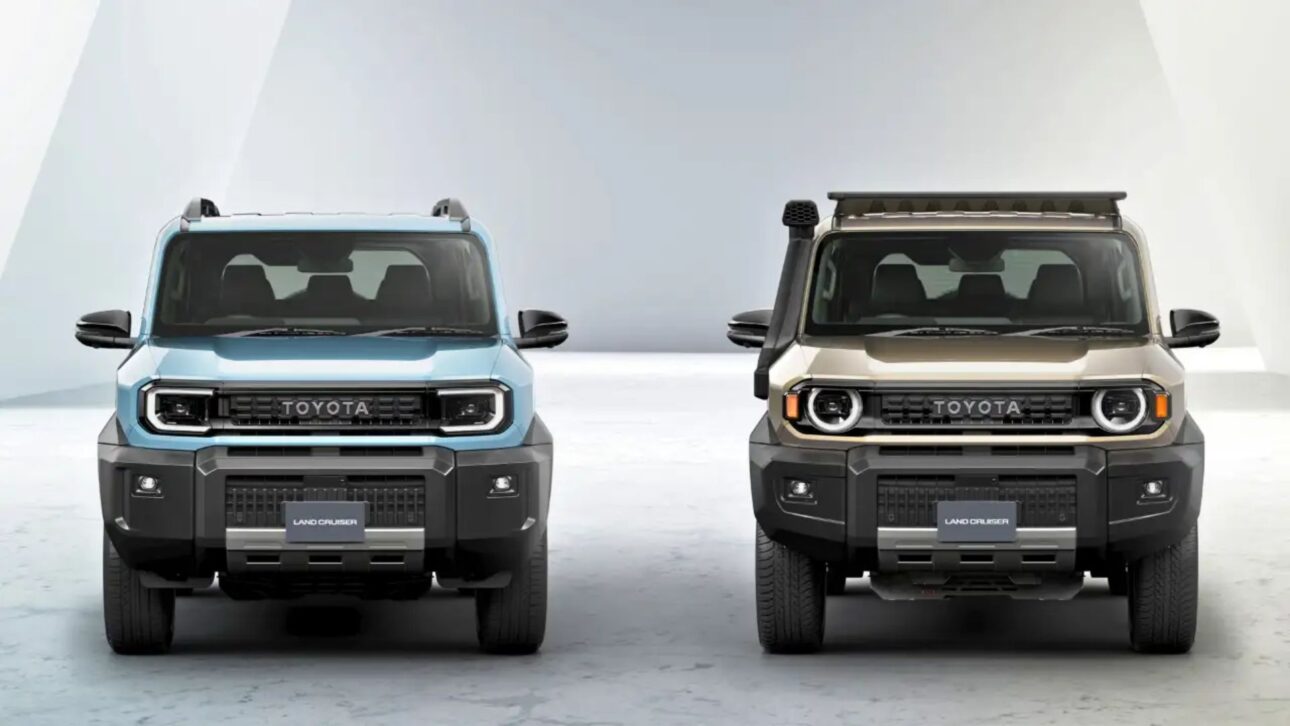
The aesthetic language of the FJ refers to previous generations of the Land Cruiser line, with flat surfaces and functional details.
Toyota confirmed plans to offer customization options, including round headlights inspired by classic models and MOLLE panels for mounting external equipment.
According to the brand’s engineers, the modular bumpers allow for partial replacement, reducing costs in case of damage.
The company also reported that the chassis mounting points were reinforced to allow for the installation of racks, winches, and underbody protection.
Complementary Mobility
Toyota also introduced the concept of the Land Hopper, a small electric vehicle for one person that can be transported in the FJ’s trunk.
According to the manufacturer, the equipment is designed for short trips on unpaved roads and aims to extend the user’s reach in rural or hard-to-access areas.
Land Cruiser Line and Positioning
The Land Cruiser FJ will be part of the family composed of three main series: the 300, with a more luxurious profile; the 70, aimed at professional use; and the 250, launched in 2024 with an intermediate proposal.
The FJ, in turn, will be the entry-level model of the range, according to Toyota, combining compact size, all-wheel drive, and a traditional chassis structure.
Availability and Launch
The launch is expected in mid-2026 in Japan.
The manufacturer stated that availability in other markets will be evaluated based on regional demand and homologation processes.
So far, there is no confirmation regarding sales in South America or Europe.
With the expansion of the Land Cruiser line into different segments, industry experts believe that the new FJ can strengthen the brand’s global presence in the compact 4×4 segment.
In your opinion, is there room in the current market for a utility vehicle with a chassis and combustion engine amidst the expansion of hybrid and electric SUVs?





Pelo jeito não vem pra cá
Se não for um **** e contar com tanque de combustível grande. Acredito que venderá bem. É bonito e é Toyota.