






 Portuguese
  Spanish
  4 min of reading
  4 comments


The New Hybrid Pickup Truck from Toyota Is Expected to Mark the Brand’s Entry into the Mid-Size Segment in Brazil, with Local Production and Billion-Dollar Investments, Targeting Rivals Such as Fiat Toro, Ram Rampage, and Ford Maverick.
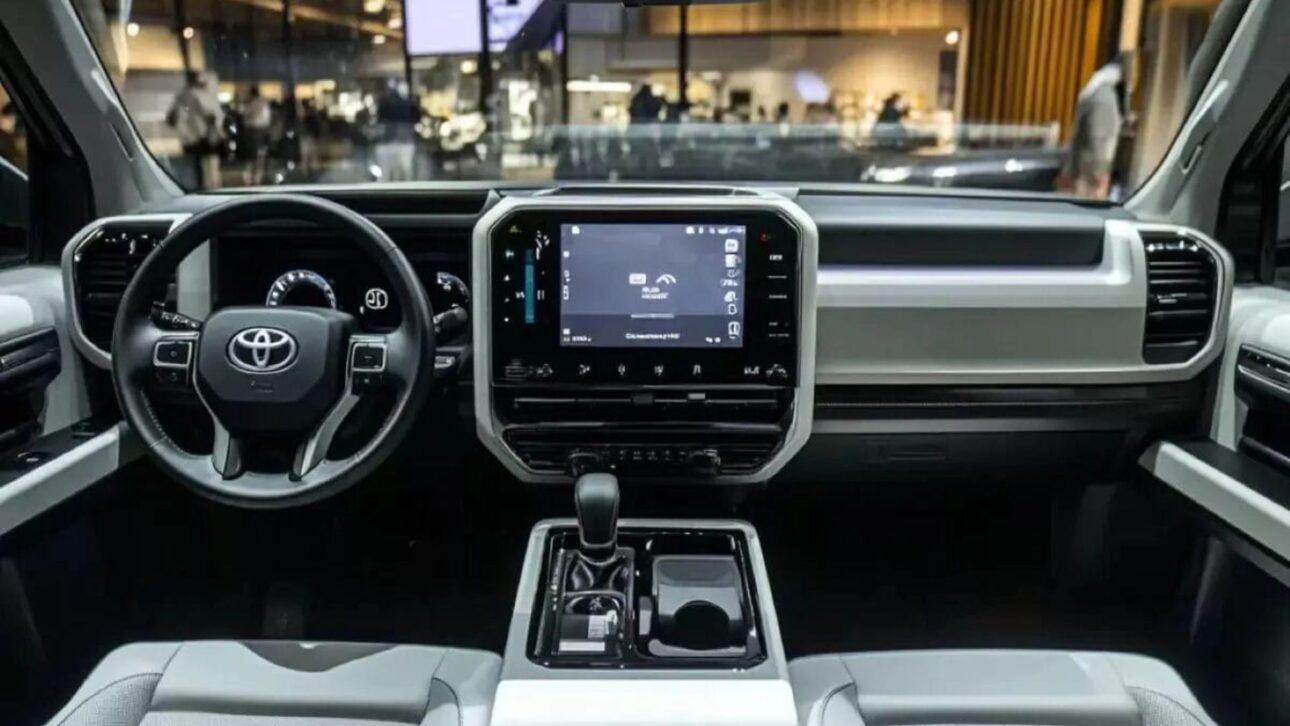
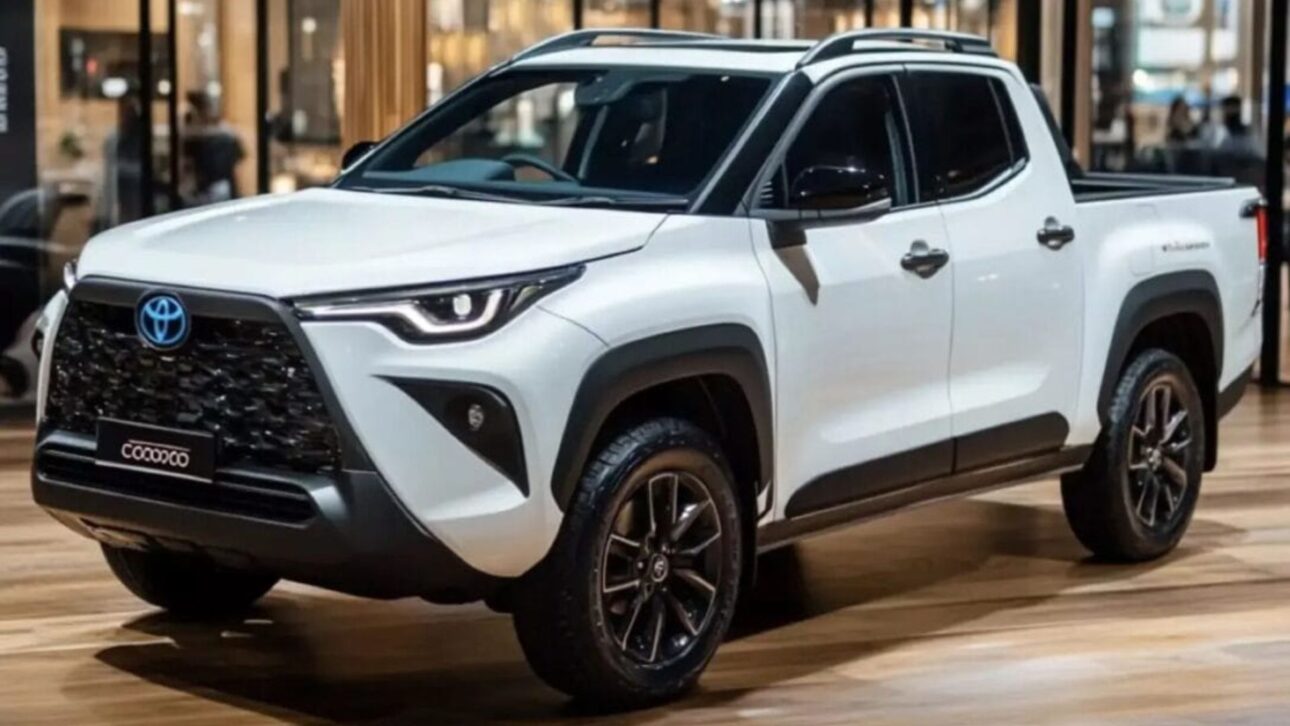
Toyota is preparing a new pickup truck below the Hilux to operate in the mid-size segment in Brazil.
The project, known in the automotive sector as Stout, is part of a plan of R$ 11 billion in investments announced by the automaker through 2030, aimed at producing hybrid vehicles in Sorocaba (SP) and expanding the national technological hub.
The company confirms the investment and focus on electrification, but has not yet officially disclosed the name and technical specifications of the future pickup truck.
-
Uber Faces Shareholder Scrutiny as Board Accused of Ignoring Safety, Compliance, and Harassment Warnings Amid Over 3,500 U.S. Lawsuits

-
Ferrari’s First Electric Car Divides Fans, Priced at $630,000, Amid Concerns Over Limited Editions; Brand Clarifies It’s Not Just for Future Perks
-
BYD Dolphin Mini: The Electric Car That Defies Depreciation, Losing Only 3.58% in a Year and Becoming the Best-Selling Retail Model Under $22,000

-
Electric Car JAC E-JS4 Loses $19,000 in Value in One Year, Leading Record Depreciation of Used Cars in Brazil Due to Expensive Battery and New Models


Mid-Size Pickup Project
Unlike the Hilux, which will remain the brand’s primary mid-size pickup, the new model is expected to adopt a monocoque body and the TNGA (Toyota New Global Architecture) platform, the same used in vehicles like the Corolla and the Corolla Cross.
According to industry publications, the global debut is slated for 2026, with the Brazilian market arrival possibly occurring in 2027, positioning the pickup below the Hilux in size and price.
So far, Toyota has not officially confirmed the use of the name “Stout.”
Platform and Comfort and Driving Performance Proposal
The monocoque architecture is the same used by competing models, such as Fiat Toro and Ford Maverick, which prioritize comfort and driving performance typical of SUVs.
Industry experts believe that Toyota’s new proposal aims to serve consumers looking for urban versatility, without compromising ground clearance and moderate off-road performance.
This configuration is seen as a global trend in more compact pickups aimed at mixed use.
Flex Hybrid as a Competitive Differentiator
Toyota’s investment plan includes expanding the production of flex hybrid vehicles, capable of operating with ethanol or gasoline.
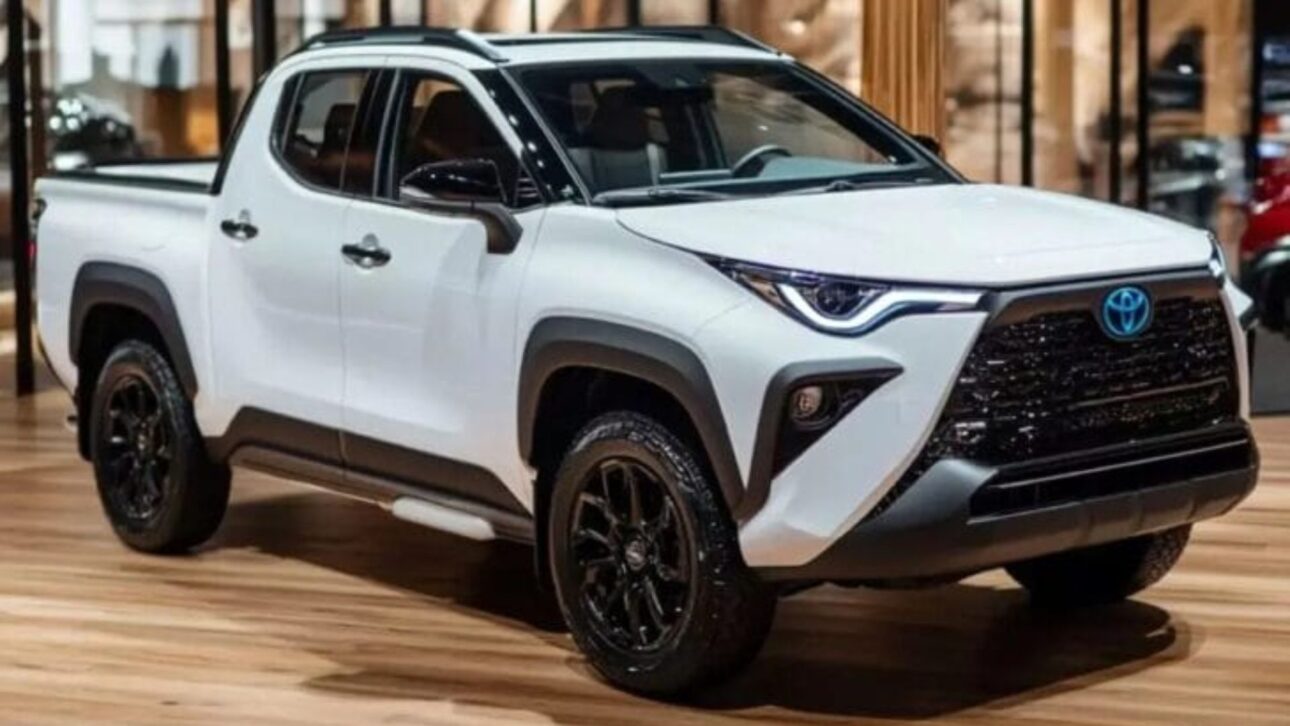
According to the company, the focus is on expanding the localization of components and electrical systems such as batteries and hybrid engines, in line with the emission reduction targets of Proconve L8, currently in effect in the country.
The automaker has not yet detailed the powertrain of the new model, but automotive market analysts indicate that the system could utilize the Dynamic Force engine combined with electric propulsion, similar to what already equips the national Corolla Hybrid.
Technical Details Not Yet Confirmed
Toyota has not released technical specifications, dimensions, or versions of the project.
Information about combined power, battery capacity, and the presence of electric all-wheel drive are being circulated only in specialized reports and have not been confirmed by the brand.
The use of the name “Stout,” revived from a model produced by Toyota in the 1960s and 1970s, has also not been officially validated for the Brazilian market.
Local Production and Industrial Expansion
The company confirmed the expansion of its Sorocaba and Porto Feliz units, both in São Paulo, for manufacturing hybrid engines and batteries.
The industrial plan will be divided into two phases: R$ 5 billion by 2026 and R$ 6 billion by 2030.
The goal is to increase local content and strengthen the production chain of electrified vehicles in the country.
According to the government and the automaker, the initiative is expected to generate new jobs and align Toyota with national environmental goals.
Direct Competition in the Mid-Size Pickup Segment
The mid-size pickup market is currently dominated by models such as Fiat Toro, Ram Rampage, and Ford Maverick.
Of these, only the Maverick has a hybrid version available in Brazil.
Industry sources assess that the arrival of a Toyota model with flex hybrid technology could broaden the supply of electrified vehicles and pressure competitors to accelerate their electrification strategies.
Analysts also highlight that local production is likely to favor competitive pricing, greater availability of parts, and environmental compliance, factors considered crucial for commercial success.
Expectations and Launch Timeline
If the industrial timeline holds, the global launch of the new model should occur starting in 2026, with Brazilian production beginning in 2027.
Toyota claims that the introduction of new flex hybrids is part of a global electrification strategy adapted to local biofuels, especially ethanol.
Market Perspectives and Competitiveness
Automotive industry experts say that Toyota’s entry into this segment could alter the competitive balance among mid-size pickups.
The strength of the brand, the extensive dealer network, and the investment in hybrid technology are seen as potential differentiators to compete with already established models.
Nonetheless, the outcome will depend on factors such as price, energy efficiency, load capacity, and equipment levels compared to rivals.
The introduction of the future Toyota pickup could redefine the standards of efficiency and performance in the mid-size segment, traditionally dominated by combustion options.
It remains to be seen whether the new model will succeed in winning over consumers who currently prefer Fiat Toro, Ram Rampage, and Ford Maverick.





Essa foto aí pra mim, é IA.
Pois, a porta traseira mostra isso. Estreita de mais, não existe aquela, linha de quando a porta está fechada, inclusive, o final da porta traseira é no meio do veículo, final da cabine e início da caçamba.
IA puro.
Tamanho investimento, mas, não produzir veículo diesel m??? Absurdo!
Se não tiver câmbio CVT tem tudo para ser um sucesso de vendas