






 Portuguese
  Spanish


Ministry of Mines and Energy Launches Public Consultation on the Future of Oil and Gas
Recently, the Ministry of Mines and Energy (MME) initiated a public consultation, aiming to engage with society on the energy transition and the role of oil and gas in this process. Scheduled to last only 15 days, this initiative seeks to address the environmental and economic implications that the energy transition will bring in the coming decades, a timeline considered short for such a significant discussion.
Conflict Between Progress and Sustainability
There is a notable contradiction between the need for an energy transition and MME’s proposal to increase fossil fuel production. Despite the possibility of export, the burning of fossil fuels in other countries still represents a setback for the global transition. The National Energy Transition Plan, developed by the Energy Research Company (EPE), lacks concrete strategies to reduce dependence on polluting sources like oil and gas, with a goal of total phase-out by 2050.
The Need for Petrobras’ Reinvention
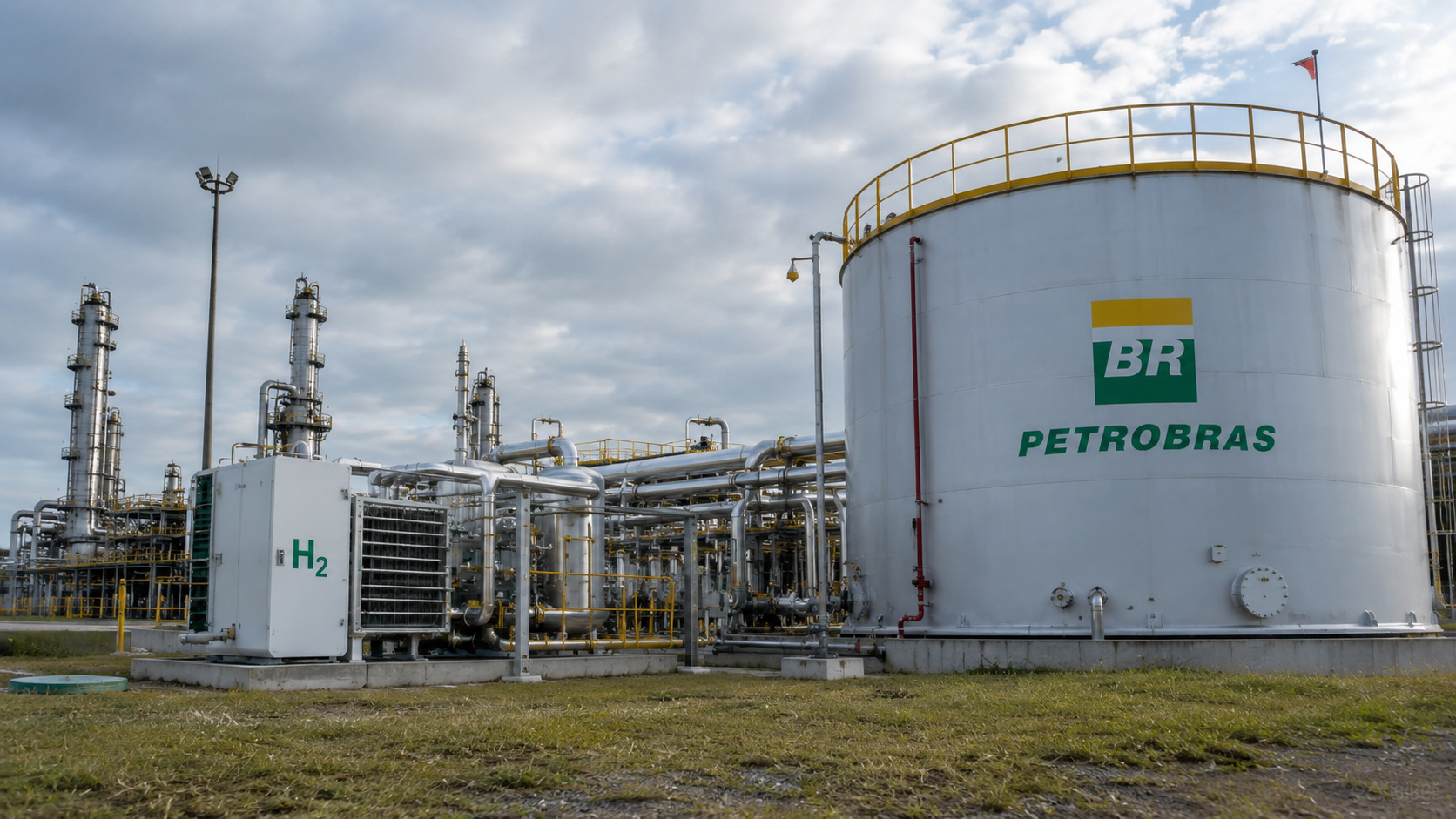
Petrobras, as one of the largest companies in the sector, faces the challenge of reinventing itself, expanding its investments beyond oil and gas. Although it has the capacity and knowledge to invest in biofuels, sustainable aviation fuels, and low-carbon hydrogen, its current strategic plan still prioritizes the exploration of fossil fuels. This focus contradicts global energy transition goals and the needs to combat climate change.
-
Brazilian scientists are simultaneously advancing two research projects on clean hydrogen and driving solutions that could transform the energy matrix, enhance industrial competitiveness, and accelerate large-scale emission reduction targets.

-
Advancement in renewable energy: A R$ 150 million project launched by Petrobras and Finep aims to create state-of-the-art electrolyzers for green hydrogen, strengthening national research and preparing Brazil to compete in a billion-dollar energy market.
-
Solar energy can increase property value by up to 10% and become a selling point.
-
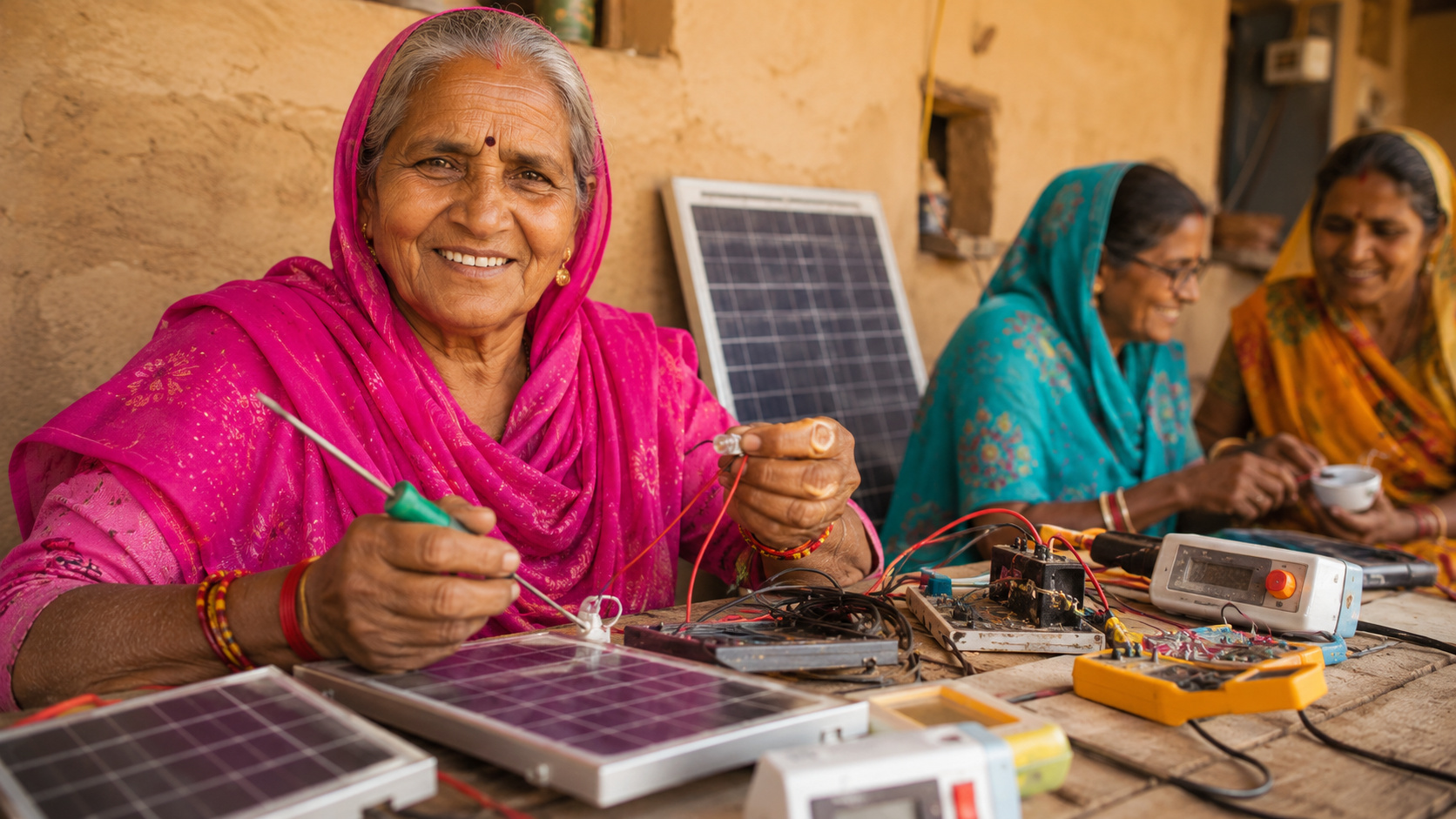
Illiterate or semi-literate grandmothers were trained to repair solar systems, open rural workshops, and light up homes that still depended on kerosene.


The exploration of oil and gas in environmentally sensitive areas, such as the corals at the Mouth of the Amazon, is another critical point. These areas, due to their sensitivity, should be protected from exploratory activities, as any exploration in these locations threatens biodiversity and goes against environmental preservation efforts. Extreme weather events, such as those recently observed in Rio Grande do Sul, reinforce the urgency of reconsidering the national energy matrix.
Subsidy Policies and the Urgency for Reforms
Federal subsidies for fossil fuels in Brazil reached R$ 81 billion in 2022, a figure five times higher than incentives for renewable energies. This imbalance signals an urgent need for reformulating incentive policies, proposing the elimination of fossil subsidies and reallocating these funds to support the energy transition. Such a measure should be an integral part of the Tax Reform regulation, ensuring that resources are invested more appropriately in sustainable solutions.
Furthermore, Brazil, as the sixth-largest emitter of greenhouse gases, including emissions from land use and agriculture, cannot position itself as a leader in environmental protection without adopting significant measures to change its energy matrix. The continued exploration of oil and gas not only compromises the country’s energy transition but also weakens its position in global climate negotiations.
The public consultation initiated by the MME is an opportunity for civil society to actively participate in decisions that will shape Brazil’s energy future. However, it is crucial that there is more time and transparency in the process, allowing for a thorough and inclusive debate that takes all the complexities of the energy transition into account.
Source: Isis Nóbile Diniz.








