






 Portuguese
  Spanish


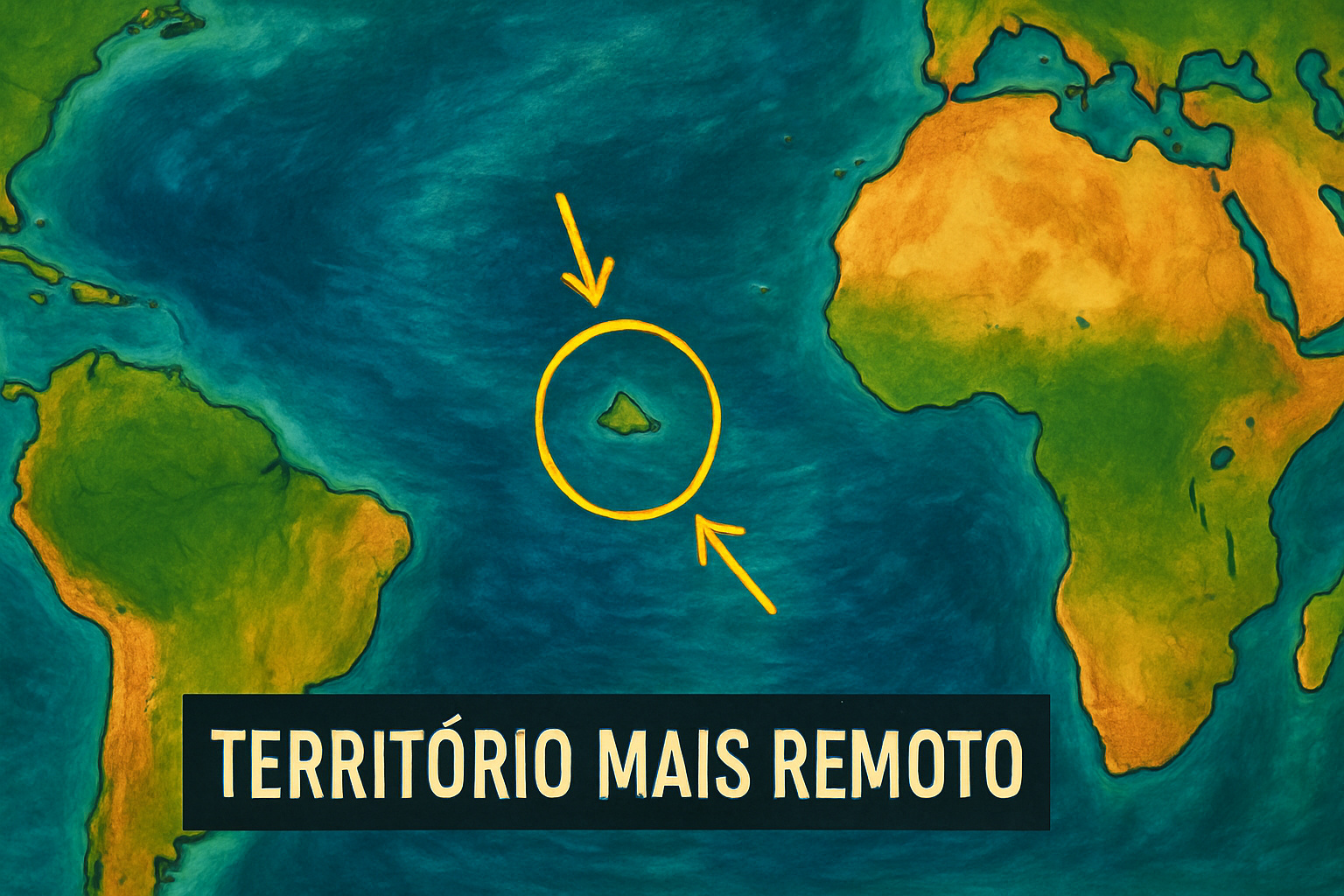


On A Remote Island In The Atlantic, Accessible Only By Boat, A Small Community Lives With Agriculture, Fishing, And Simple Living, Maintaining Traditions And A Routine That Seems To Have Stopped In Time. The Real Story Of Tristan Da Cunha, The Most Isolated Inhabited Place In The World.
There Are Places In The World Where The Clock Does Not Dictate The Rhythm Of The Day, Where Hurry Is An Unknown Language, And Time Seems To Obey Its Own Laws. Places Where The Modern World Exists Only As A Distant Rumor, Carried By The Wind Or Told By The Voice Of Some Rare Traveler. In An Age Dominated By Screens, Algorithms, And Constant Urgency, Imagining A Disconnected Life Sounds Almost Impossible. But It Exists — And Continues To Pulsate With The Same Consistency As Centuries Ago, In A Remote Corner Of The Planet Where The Infinite Ocean Serves As Barrier, Protection, And Identity.
In The Middle Of The South Atlantic, Far From Major Urban Centers, International Airports, And The Accelerated Routes Of Globalization, A Small Community Lives In A Way That, For Many, Seems Almost Like A Historical Daydream. There, Where The Sea Dominates The Horizon And The Volcanic Mountains Touch The Sky, Families Cultivate The Land, Raise Livestock, Fish, Chat At Dusk, And Age With The Salt Air Blowing On Their Faces. There Is No Urban Traffic, No Sirens, No Crowds — Just Nature, Isolation, And Life In A Simple Yet Intense State.
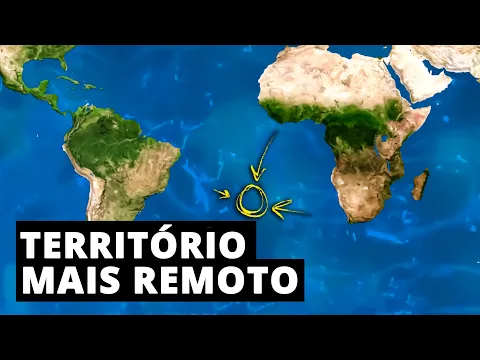
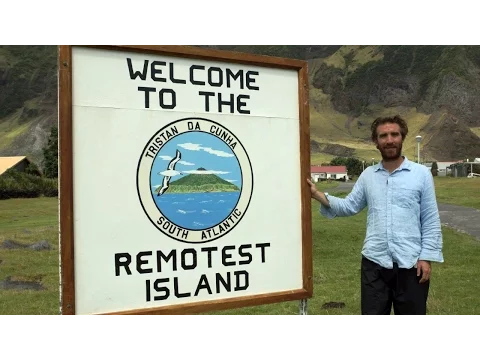
This Place Exists, And Its Name Is Tristan Da Cunha, The Most Isolated Inhabited Territory In The World.
-
How to Prevent Brown Recluse Spider Bites: Common Hiding Spots and Free Tips to Reduce Risks

-
Natto: The Unusual Japanese Superfood Gaining Popularity on Social Media and Driving Record Exports
-
Brazilian Mayor Goes Undercover as Homeless for 24 Hours to Assess Public Services

-
15-Year-Old Entrepreneur Malu Lira Publishes 20 Children’s Books on Financial Education, Earns $500,000, and Expands Her Project to the Amazon Rainforest




The Island That The World Can Hardly Reach
To Get There, It Is Not Enough To Board An Airplane. There Is No Airport, No Runway, No Hangers. The Only Way To Reach The Island Is By Sea, And The Journey Can Take A Week Or More, Departing From South Africa Or Other Remote Points In The Atlantic. When The Sea Is Rough — And It Often Is — Access Becomes Even More Difficult. On Stormy Days, Tristan Receives Nothing And No One.

This Condition Is Not A Geographical Accident; It Is A Destiny Shaped By Nature Itself. The Archipelago Rose From A Volcanic Chain In The Middle Of The Ocean, Without Friendly Coastlines, Deep Ports, Or Wide Shores. Life Here Has Always Been A Test Of Resilience — And, At The Same Time, A Silent Pact With The Natural World.
The Community, With A Few Hundred Inhabitants, Lives In Harmony With The Environment. The Houses Rest At The Foot Of Green Mountains, Sheep And Cows Graze In Fields Shielded From The Ocean Wind, And Agriculture Follows Simple And Direct Practices, Such As Planting In Small Lots And Family Gardens. There Is No Hurry. There Is No Anxiety For The Next Notification. There Is Land, Hands, And Time.
A Life Driven By The Cycle Of Nature
In Tristan Da Cunha, The Day Begins With Light And Ends With The Fall Of Night. Lobster Fishing, Potato Cultivation, Animal Raising, And Community Food Exchange Sustain The Economy And Ensure What Matters: Food On The Table And Shared Life. When A Ship Arrives — Which Does Not Happen Often — It Represents The Contact With A World That For Residents Exists But Does Not Dominate The Routine.
Instead Of Malls, There Are Dirt Trails. Instead Of Cars, There Are Walks And Community Tractors. Instead Of Supermarkets, There Are Gardens And Collective Sheds. And, Although There Is Some Radio Signal And Limited Forms Of Communication, Connectivity Is Fragile, Almost Symbolic. There, The Internet Is Not The Norm — It Is The Exception. And This Is Not Seen As A Loss, But As A Choice Of Place, A Part Of Its Identity.
In The Late Afternoon, Residents Gather, Share Stories, Share News, And Keep Alive An Oral Tradition That Has Disappeared In Most Urban Areas. For Many Visitors, The Shock Comes Quickly: The Silence Here Has Its Own Texture. Time Has Density. Life Is Felt More Than Managed.
The Strength Of Community As A Code Of Survival
The Isolation Has Imposed On The People Of Tristan A Rule Stronger Than Any Written Law: No One Survives Alone. Repairs, Harvests, Fishing, Health Care, Education Of Children — Everything Is Done In A Network, As If The Archipelago Were A Large Family. The Absence Of Large Cities Or Individualized Life, Typical Of The Modern World, Turns Into A Collective Bond.
Historians And Anthropologists Who Have Studied The Island Over The Decades Have Always Highlighted The Same Point: Isolation Has Not Created Loneliness — It Has Created Interdependence. Without It, Tristan Da Cunha Would Not Exist. In An Era Marked By Social Fragmentation And Hyper-Individualism, This Island Offers A Powerful Lesson: Survival Can Be Technological, But It Can Also Be Communal.
What Tristan Reveals About Us
Tristan Da Cunha Is Not Just A Geographical Curiosity. It Is An Inverted Mirror Of The Hyperconnected World. There, Nature Still Dictates Rules. The Sea Decides When Someone Arrives Or Leaves. The Wind Defines Days Of Rest Or Days Of Work. The Earth Decides When To Plant And When To Harvest. And Technology — Although Present To Some Degree — Has Never Assumed The Role Of Protagonist.
For Many, This Reality Seems Harsh. For Others, Almost Utopian. But It Is Real. And Perhaps That Is Why It Evokes So Much Curiosity: The Island Represents What Many, On Some Level, Miss — A Slower Pace, True Bonds, Direct Contact With The Natural World, And The Awareness That Life Can Be Great Even When The Territory Is Small.
The Story Of Tristan Da Cunha Is More Than A Geographical Chronicle. It Is A Reminder Of Possibilities. A Letter Sent From The Past To The Future, Preserved In Time.








Envia o Luiz (Lula) e o Messias (BOLSONARO) prá e sem volta.
O nome da ilha em português é TRISTÃO da Cunha.
Porque não se constrói uma boa pista de pouso aí pra ser uma opção de pouso em emergências??