






 Portuguese
  Spanish


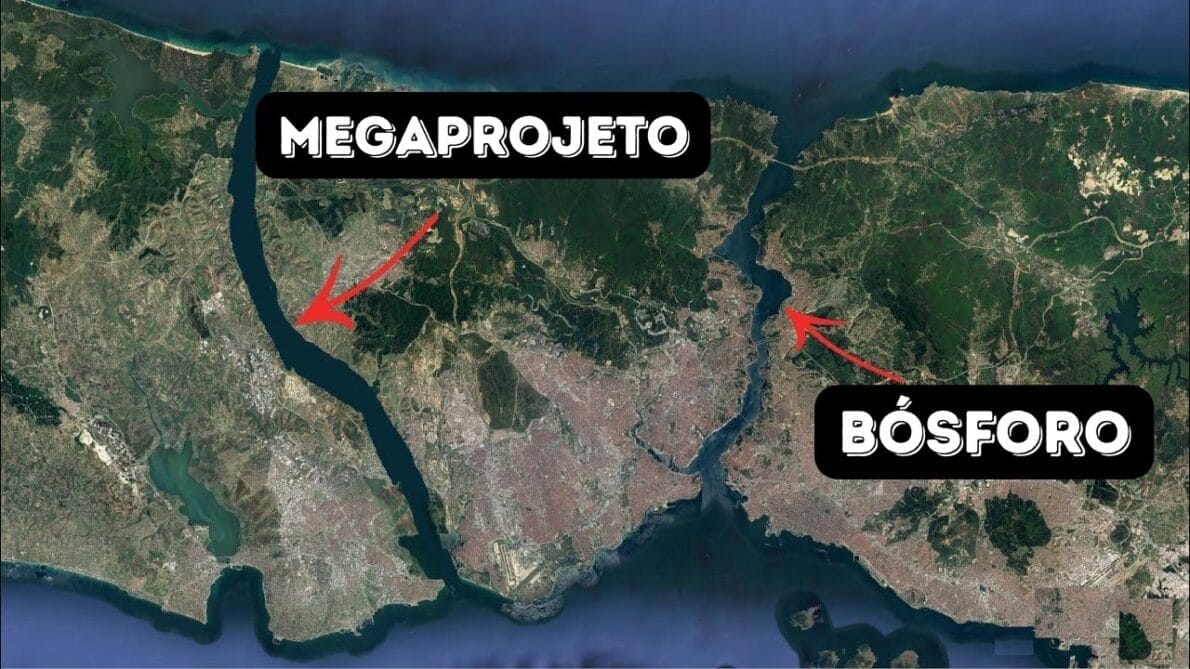

Turkey Has Started Construction of a New Canal That Will Cost US$ 25 Billion. This Canal Aims to Compete With the Famous Suez and Panama Canals, Promising to Transform Global Maritime Transport.
Istanbul, a vibrant city that connects Europe and Asia, is the economic, cultural, and historical heart of Turkey. Now, Turkey is constructing a new canal that aims to further strengthen this strategic position.
Turkey has begun construction of a US$ 25 billion canal to rival the Suez and Panama canals. This ambitious project aims to improve maritime transport and bring significant economic benefits to the country.
The Istanbul Canal Construction Project
The Istanbul Canal is a grand project by Turkey involving the construction of an artificial waterway at sea level on the eastern side of Istanbul. This new canal will connect the Black Sea to the Sea of Marmara, and then to the Aegean and Mediterranean Seas. With a length of 45 kilometers, a depth of 21 meters, and a width of up to 360 meters at the surface, the canal will provide an alternative to the Bosphorus Strait, which is already overcrowded.
-
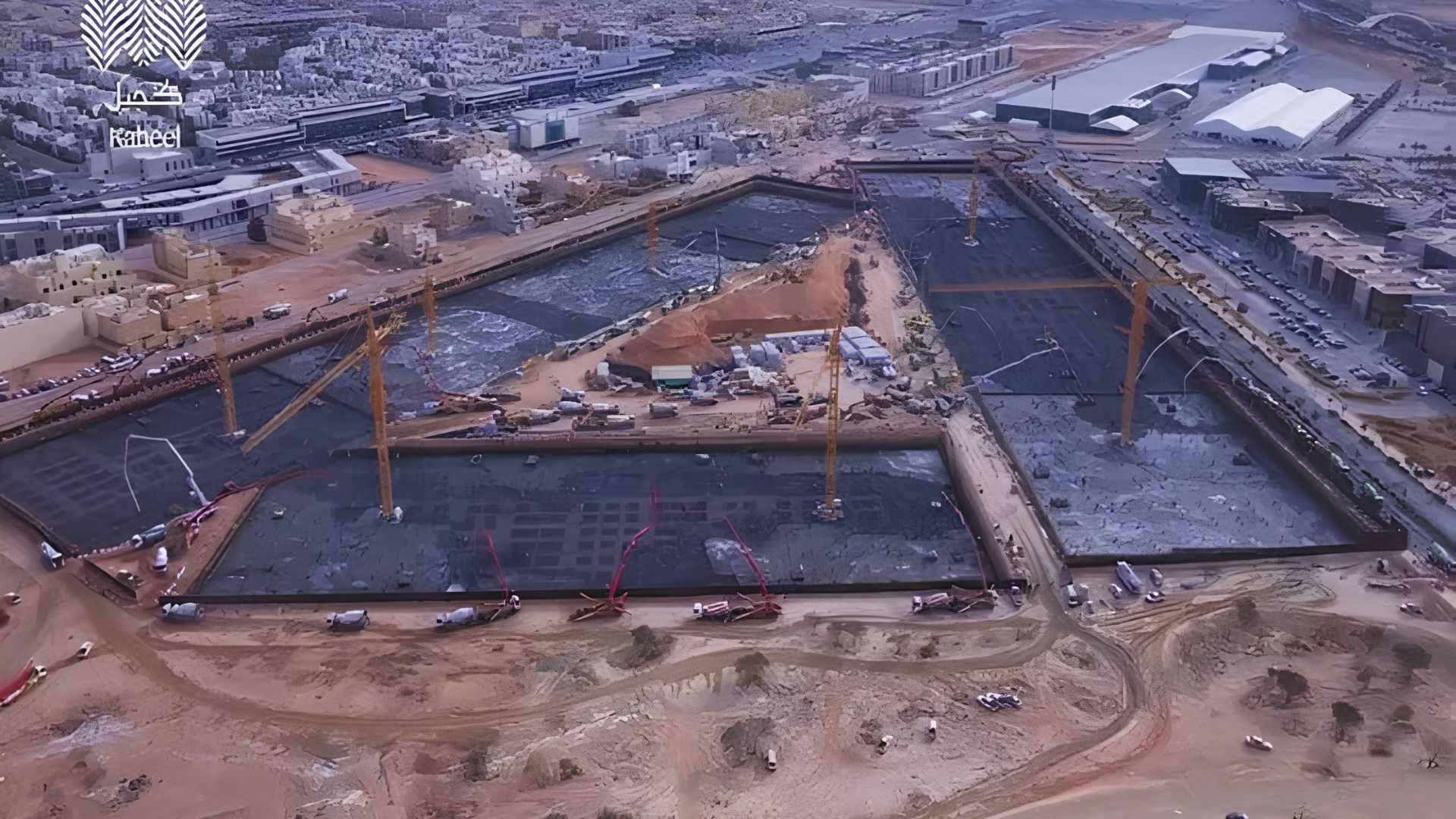
More than 6,000 trucks poured nearly 70,000 cubic meters of concrete without interruption for 72 hours to create the largest continuous concrete pour in history and erect a megaproject in Saudi Arabia.

-
28-meter, 156-ton titans traveled 20,000 km from China to the port of Santa Catarina: Portonave received 7 fully electric megacranes, part of a R$ 210 million package, to double container handling.
-
They exchanged the idea of a large house for a 35 m² warehouse, spent US$ 12,000 on the structure, and created a tiny house in Colorado with space to live and work.

-
A newly opened terminal in the middle of the Amazon has begun transporting soy and corn through Amapá, eyeing the queue of ships that is congesting the ports in the South.



The Bosphorus Strait is a crucial route for global shipping but is congested, with ships waiting days to cross. The construction of the new canal will help alleviate this pressure, reducing the risk of accidents and improving the efficiency of maritime transport.
Economic Benefits
The Istanbul Canal project will have an estimated cost of US$ 25 billion, including US$ 15 billion for the construction of the canal and US$ 10 billion for the development of the surrounding areas. The expectation is that the canal will generate up to US$ 8 billion in annual profits, becoming a major economic engine for Turkey.
In addition to the canal itself, the project includes the construction of several ports, logistics centers, and earthquake-resistant residential areas. Artificial islands will be created with the excavated soil from the canal, and six bridges will connect the canal to the European side of Istanbul.
Concerns and Criticism
Despite the expected economic benefits, the project faces criticism. Environmentalists warn of potential ecological disasters, such as changes in water flow between the Sea of Marmara and the Black Sea, which may affect ecosystems and cause salinity issues. Construction may damage forests, agricultural land, and recreational areas, as well as contaminate groundwater and increase flood risks.
The idea of constructing a canal in Istanbul is not new. It dates back to the 16th century when the Ottoman Sultan Suleiman proposed the construction. Several attempts have been made over the centuries, but all failed due to a lack of feasibility. Only in March 2021 did the Turkish government finally approve the canal’s development, starting its construction.
Controlling the Bosphorus Strait and the Dardanelles Strait, Turkey has a strategic point for global trade. However, the country faces limitations imposed by the Montreux Convention of 1936, which restricts the collection of passage fees and guarantees the free passage of commercial vessels in times of peace and war. The new canal will allow Turkey to charge tariffs and impose security inspections, offering greater control and potentially higher revenues.
The construction of the new US$ 25 billion canal is an ambitious undertaking that could transform Turkey’s economy and infrastructure. Despite environmental concerns and criticism, the Istanbul Canal promises to alleviate the pressure on the Bosphorus Strait and bring significant economic benefits. The future of global maritime transport may be about to change, with Turkey positioning itself as an important player in this scenario.








Mais uma obra tocada pela Turquia em associação com a China. E viva a China.