





 Portuguese
  English
  Spanish
 3 min of reading
  0 comments


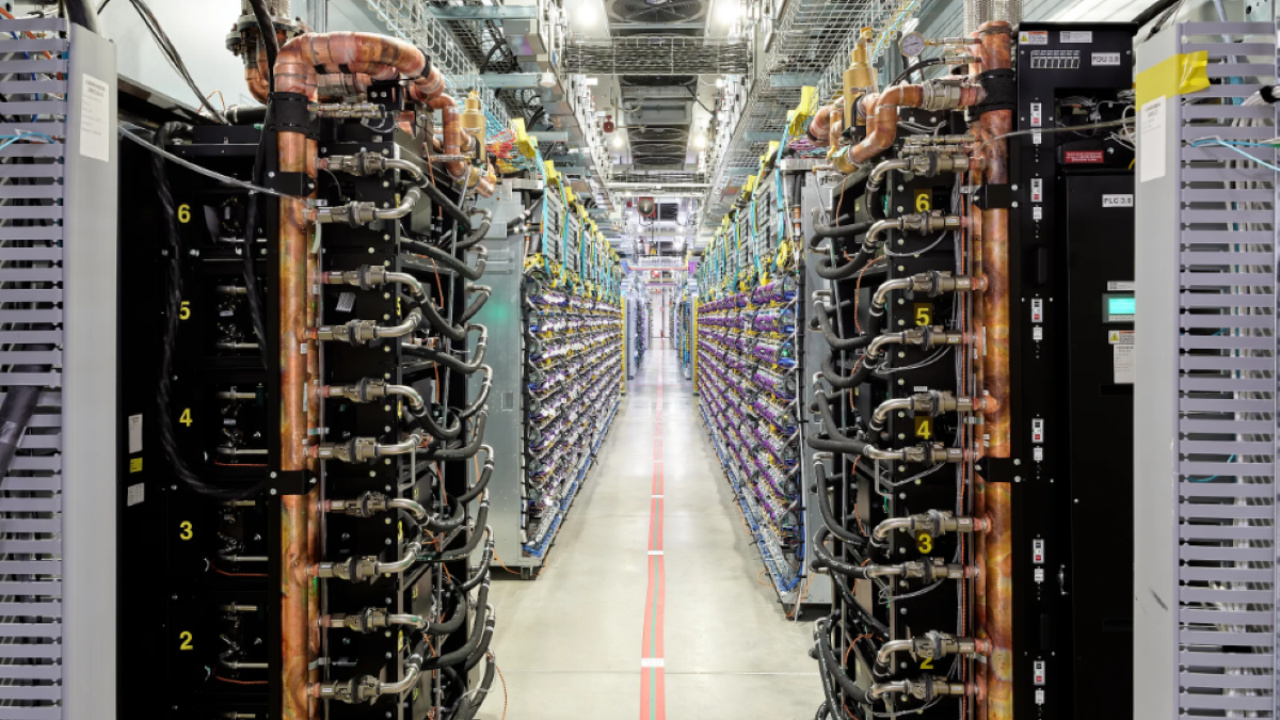
AI Data Center Project in Uberlândia Advances with Initial Capacity of 100 MW, Renewable Energy Use, and Considered Viable Water Consumption; Investment Could Transform Regional Economy.
Uberlândia has taken another step toward hosting the first Artificial Intelligence (AI) data center in the Southeast region. The project, led by the American company RT-One, was officially presented in Belo Horizonte by Mayor Paulo Sérgio and the President of the Federation of Industries of the State of Minas Gerais, Flávio Roscoe.
The press conference took place at the entity’s headquarters and detailed the progress of the proposal. Days before, the company had already presented the status of the architectural project to the City Hall, a stage considered essential for construction to begin later this year.
The future data center will be located in the western region of Uberlândia, along the MGC-497, a highway that connects the municipality to Prata (MG). The chosen area is outside the urban perimeter, which, according to the municipal administration, complies with zoning and land use legislation.
-
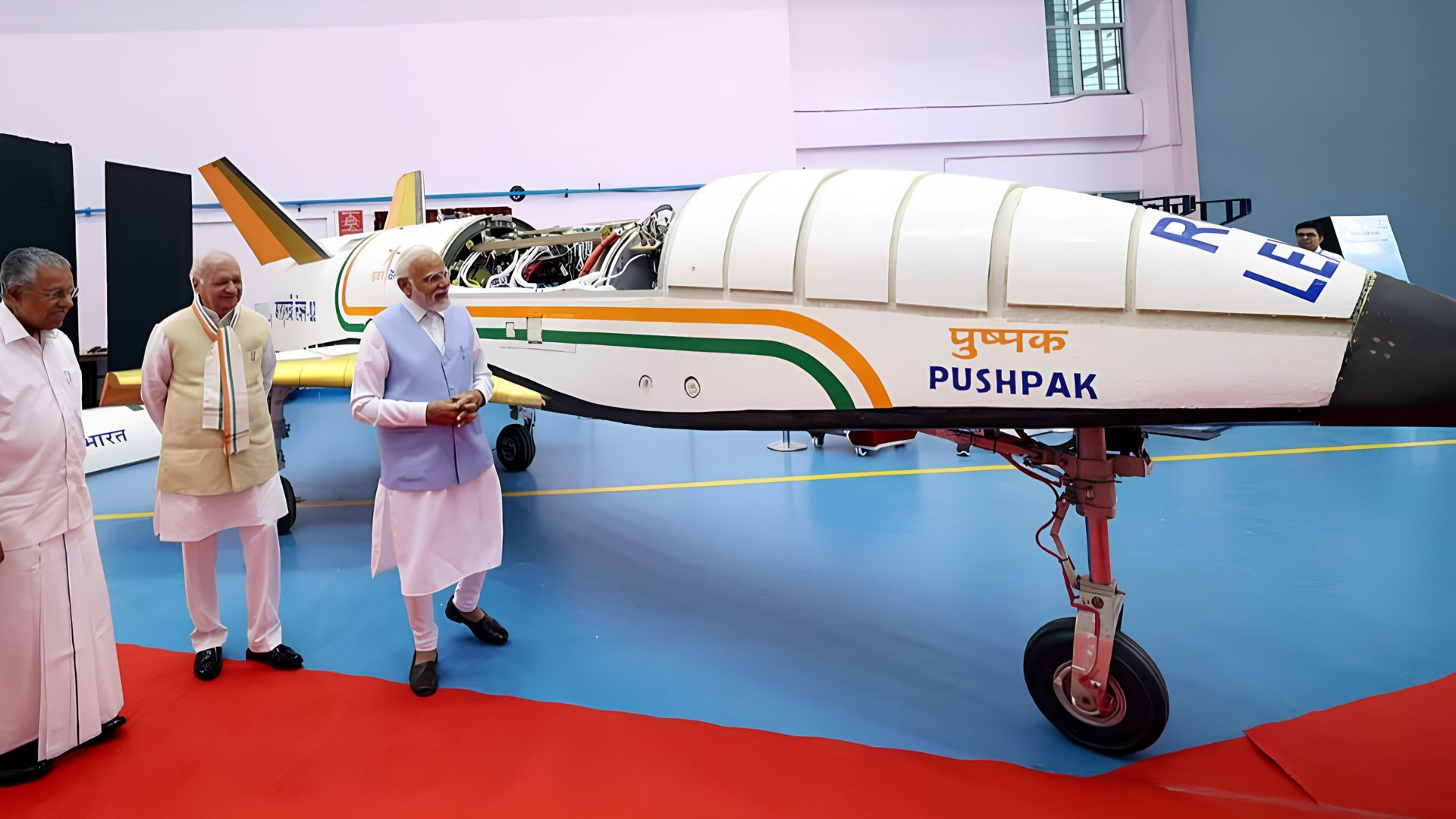
While the United States and China compete over giant rockets and lunar bases, India made a “spaceplane” land on its own at over 320 km/h after being released by a helicopter at an altitude of 4.5 km; Pushpak shows that New Delhi also wants to enter the era of reusable space vehicles.

-
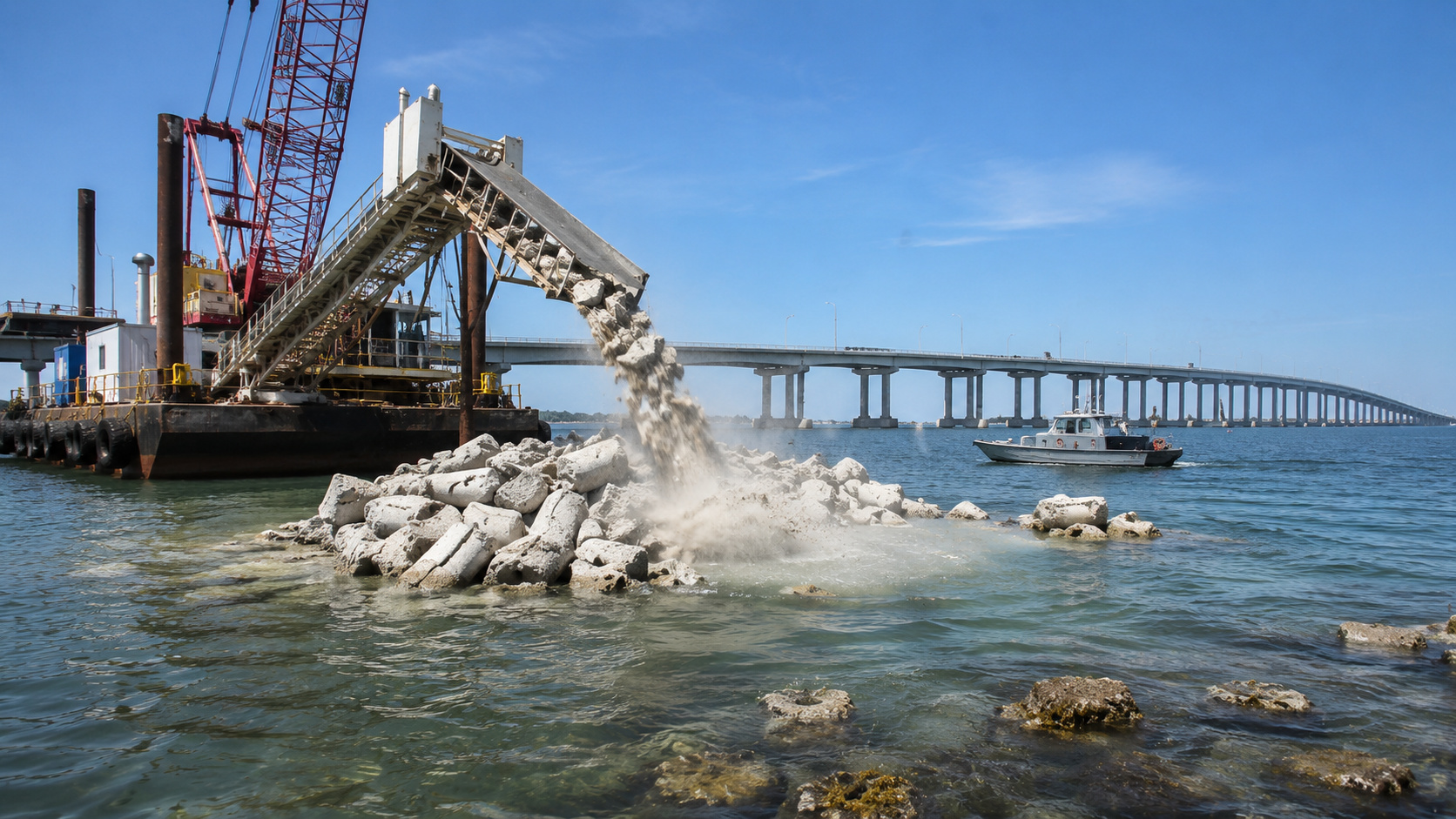
Virginia engineers transform 100,000 tons of demolished concrete from the Hampton Roads bridge into artificial reefs in the Chesapeake Bay, turning the debris from a mega-construction project into marine shelter while the old structure was still being dismantled.

-
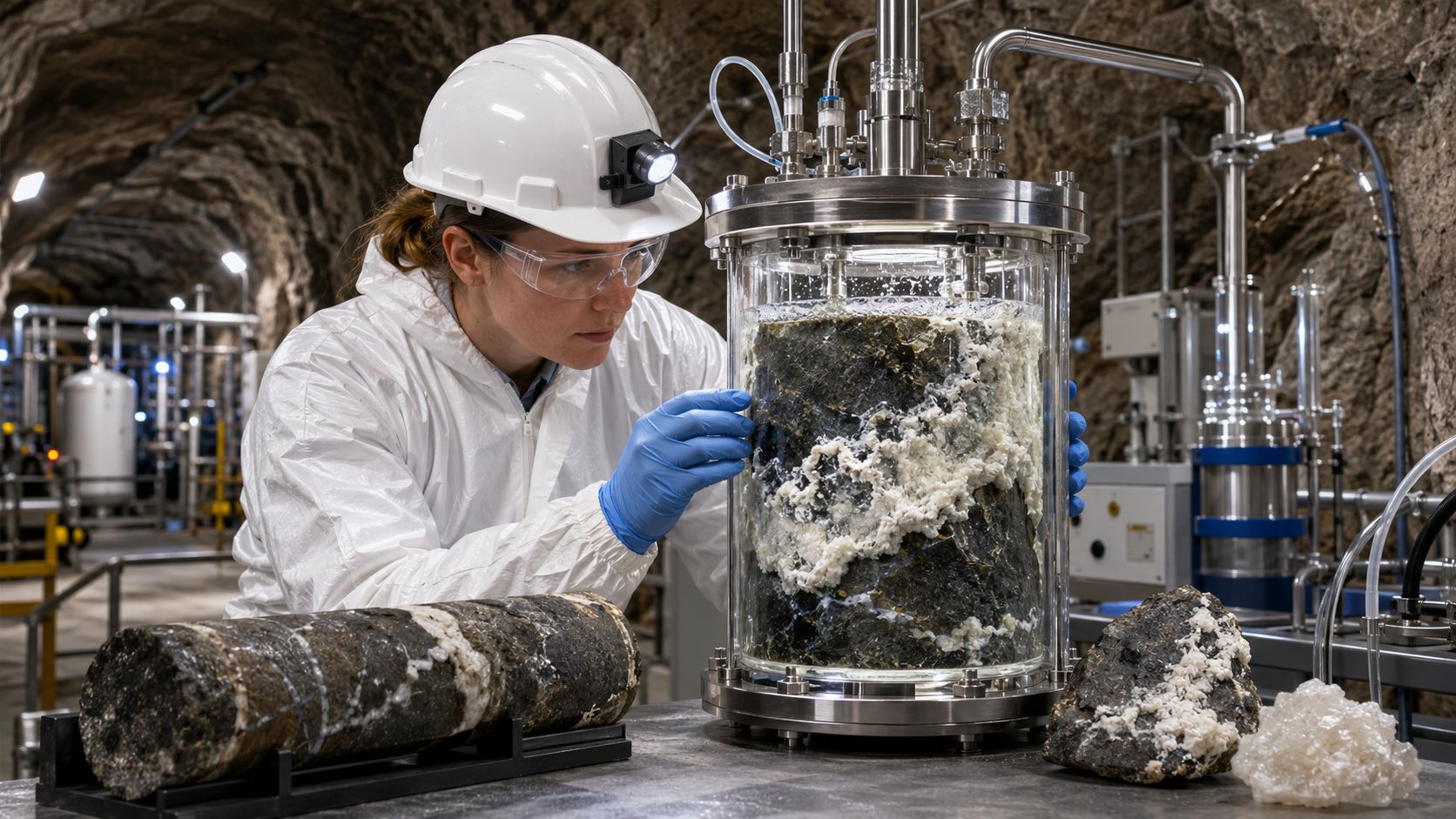
Researchers in South Dakota are studying microbes found in an extreme underground environment, more than 1,200 meters deep, capable of accelerating the conversion of CO₂ into solid minerals in weeks, with potential applications in power plants, factories, and construction materials.
-
Goodbye electric heater? Invention with recycled cans and solar energy heats the house without using electricity, costs less than R$ 80 to assemble, and uses dozens of black-painted cans to generate heat in winter.

Energy, Licenses, and Ongoing Negotiations
While awaiting the final analysis of the architectural project, RT-One is also negotiating electricity supply directly with the Companhia Energética de Minas Gerais. The company claims that supplying the data center will not affect the supply to the population.
Additionally, the multinational will still need to apply for environmental licenses from the Secretary of State for Environment and Sustainable Development, responsible for such authorizations in rural areas.
The investment promises to follow international standards for energy efficiency. The expectation is to use 100% renewable energy and advanced cooling technologies, reducing environmental impact.
Water Consumption Enters the Debate
One of the most discussed points is water consumption. To operate, the data center requested a flow of 2.77 liters per second from the Municipal Department of Water and Sewage of Uberlândia. This represents about 239,300 liters per day.

According to the authority, the demand was considered viable. The municipality produces an average of 2,600 liters per second, accounting for the water sources of Sucupira, Bom Jardim, and Capim Branco. Therefore, the estimated consumption would not compromise the city’s supply.
For comparison, the average consumption in Uberlândia is 259 liters per inhabitant per day. According to the presented calculations, the data center’s consumption would be less than that of a housing development under the Minha Casa, Minha Vida program.
High-Performance Structure and Ambitious Expansion
In the first phase, the data center will have an installed capacity of 100 MW. However, there are plans for expansion up to 400 MW in the coming years. The structure will focus on high-performance processing, sovereign cloud services, cybersecurity, and artificial intelligence applications.
The company claims that preservation areas have been incorporated into the architectural project, seeking a balance between technology and environmental conservation.
In your opinion, does Uberlândia have the capacity to become a data center and AI hub, or do the impacts of this transformation (especially environmental) still need to be better discussed?


Be the first to react!