






 Portuguese
  Spanish
  4 min of reading
  0 comments


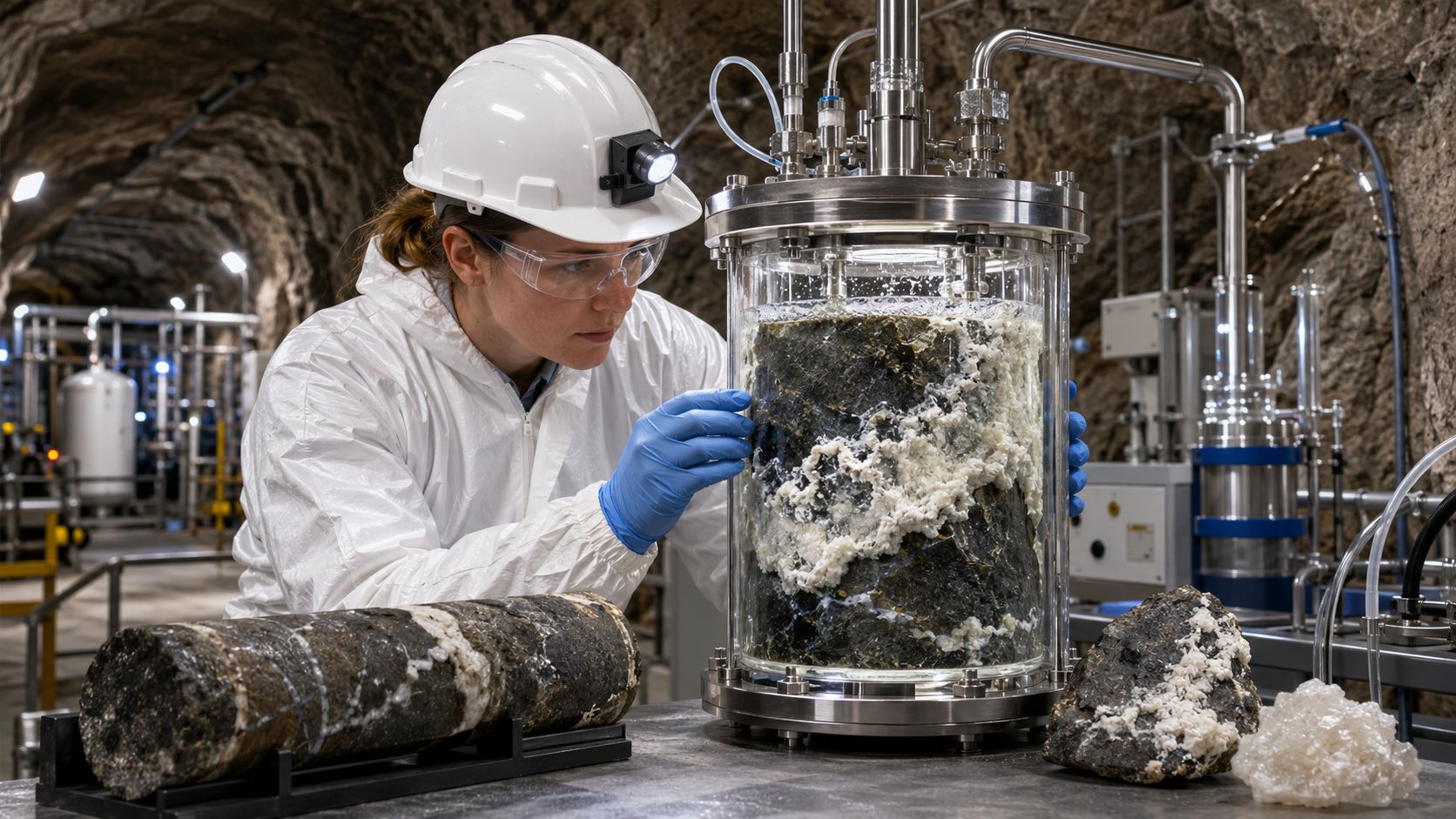
Discovery over 1,200 meters deep reveals microbes capable of transforming industrial smoke into useful solid minerals
Researchers from South Dakota study microbes found in an extreme underground environment and point to a biotechnological route to capture CO₂ from industrial emissions, converting carbon into solid minerals that can be used in sectors such as construction, cement, paints, paper, and plastics.
Scientists from South Dakota identified microbes 1,250 meters deep capable of accelerating the conversion of CO₂ into rock in weeks, paving the way for a carbon capture technology aimed at industrial emissions and construction materials.
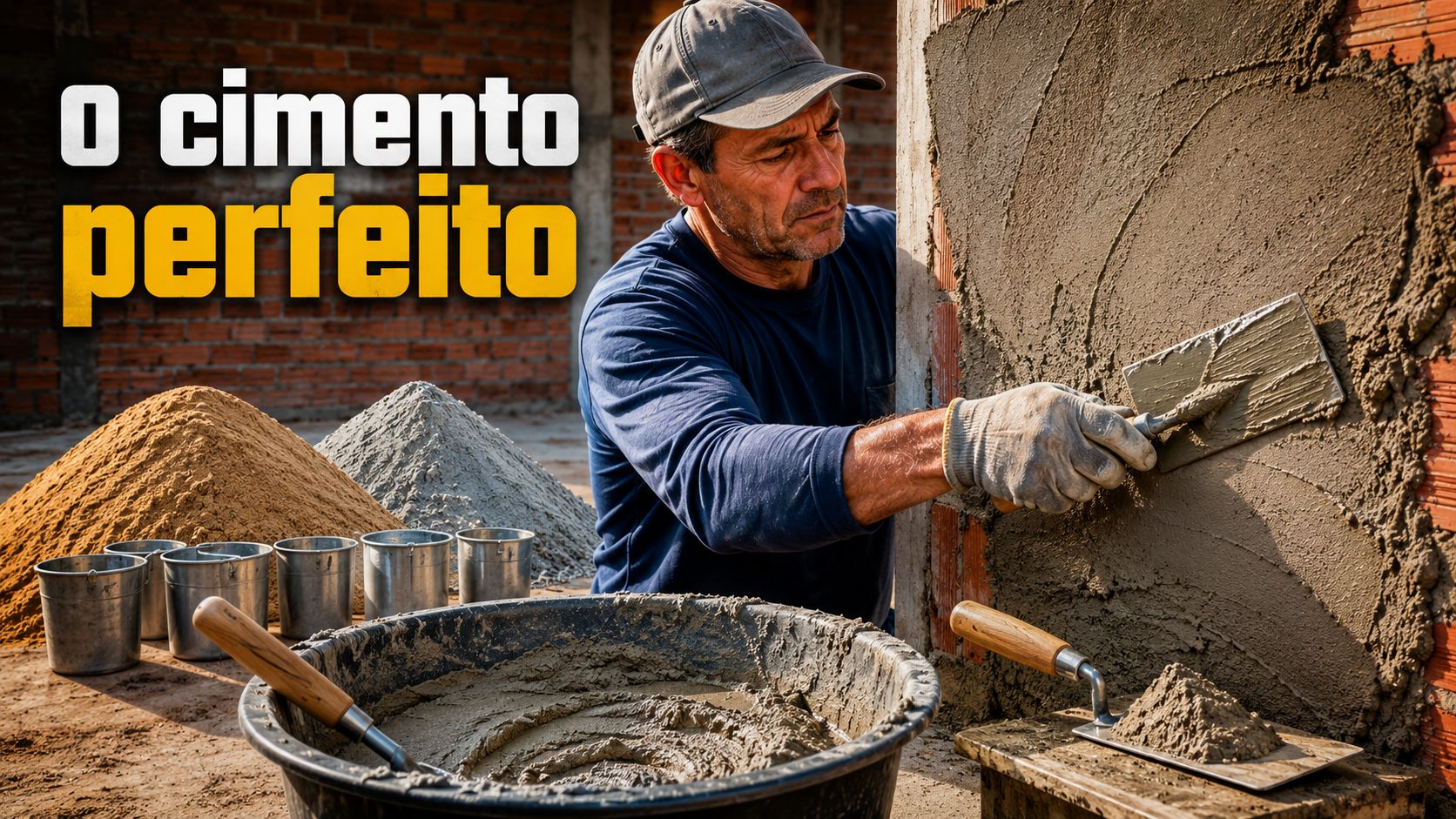
Microbes found in extreme underground environment
The discovery occurred in an underground laboratory installed more than 1,200 meters below the surface, where microorganisms adapted to the absence of sunlight, high pressure, extreme temperatures, and hostile chemical conditions live.
-
Space technology used to search for water on Mars is now hunting for invisible leaks under the streets of São Paulo, using satellites, AI, and chlorine signals to help Sabesp recover up to 6.7 billion liters of water.

-
Japan sends ship to extract mud rich in rare earths at nearly 6,000 meters deep in the Pacific, attempts to lift 350 tons per day from the seabed, and transforms sediments near Minamitori Island into a strategic weapon to reduce dependence on China.
-
Venus Aerospace promises a rotating detonation hypersonic engine that takes the Stargazer to Mach 9 and crosses oceans in 1 hour, but the flight that made history barely surpassed the speed of sound.

-
Brazilian student creates a cheap formula that makes plants grow up to 90% faster and wins an award in a global scientific competition.




These characteristics make the microbes especially relevant for industrial environments, where hot gases, particles, and corrosive compounds hinder the application of conventional carbon dioxide capture methods.
The research identified enzymes capable of capturing CO₂ and favoring its transformation into calcium carbonate, a stable mineral that can remain stored for long periods without easily returning to the atmosphere.
The scientific interest lies precisely in the ability of these organisms to perform, under difficult conditions, reactions that the industry seeks to accelerate to reduce emissions associated with thermal power plants, cement plants, steel mills, and chemical factories.
How microbes transform CO₂ into rock
The process studied uses the biological activity of these microorganisms to convert captured carbon into solid minerals. Instead of treating CO₂ merely as waste, the technology transforms it into mineral matter with productive applications.
The resulting calcium carbonate is used in concrete, cement, paints, paper, plastics, and other products present in different industrial chains. This possibility increases the economic viability of the system by associating emission reduction and input generation.
The proposal also differs from traditional forms of geological storage, which usually require CO₂ injection into deep formations and can take years for complete mineralization.
In the tests described by the researchers, the conversion can occur in a matter of weeks under certain conditions. Speed is one of the central points for sectors that need to reduce emissions and demonstrate results in shorter periods.
Industrial application can use mobile units
One of the possibilities in development involves mobile units capable of being taken to different facilities, avoiding the need to erect permanent infrastructure from the start at each emission site.
These units could operate near industrial chimneys, capturing CO₂ directly at the source. The cited proposal foresees equipment capable of eliminating up to 1 ton of CO₂ per day.
The potential use includes thermal power plants and factories, especially in activities that continue to generate large volumes of carbon dioxide even when incorporating renewable energy or other efficiency improvements.
Tests with ashes from thermal power plants were also mentioned to facilitate the formation of carbonate minerals. This approach brings the technology closer to a circular economy logic by combining carbon capture and waste utilization.
The role of carbon capture
Carbon capture and storage appear in international strategies for sectors difficult to decarbonize. Cement, steel, fertilizer, and chemical production still rely on emission-intensive processes.
Mineralization projects already exist in countries like Iceland, where CO₂ is injected into basalt formations to transform into rock. The difference in the biological approach lies in the flexibility and proximity to emission sources.
The advancement also reveals the potential of underground ecosystems. Little-known organisms can offer solutions for decontamination, recovery of critical minerals, energy production, and industrial waste management.
There are still steps to be completed before widespread adoption. The technology needs to advance in pilot tests and confirm performance on an industrial scale. If this occurs, microbes could help reduce emissions, transform carbon into useful material, and expand alternatives for complex industries against hard-to-reduce industrial emissions.
This article was prepared based on information released by sanfordlab. The content was supported by AI tools in editorial organization and underwent human review before publication.




Be the first to react!