Portuguese
  Spanish


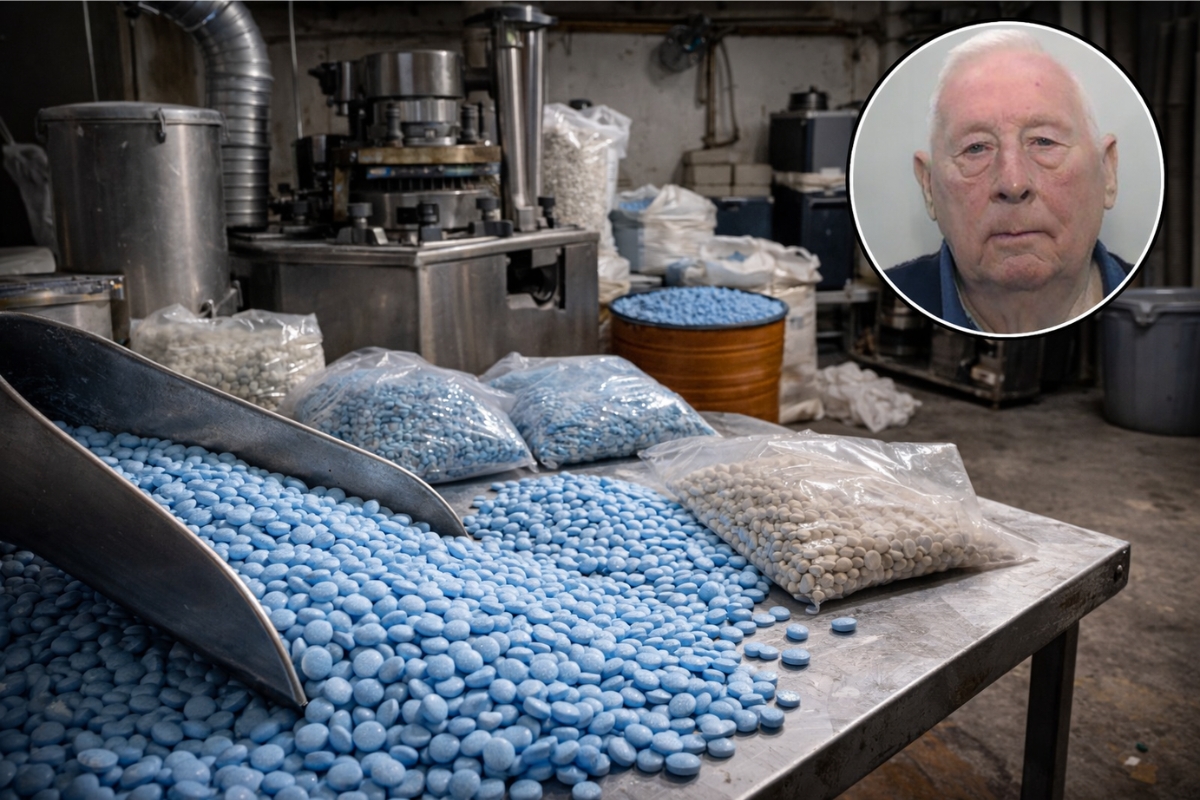


The Retired John Eric Spiby Invested US$ 3 Million From The Lottery In An Alternative Production Operation In Northwest England, With Industrial Scale, Own Logistics And Direct Impact On Sanitary Control
In 2010, the British retiree John Eric Spiby won US$ 3 million in the UK National Lottery. At around 65 years old, he had the perfect setting for a quiet life in a rural area near Wigan, in northwest England.
The money, however, was directed towards structuring a productive operation outside the regulated system. With machines, stock, and logistics, the operation grew away from traditional industrial hubs and became a warning about traceability and oversight.
An Adapted Cottage And Uncommon Scale Production
Behind his own residence, a cottage was adapted to function as a manufacturing unit. The stated capacity was to produce tens of thousands of pills per hour, a pace that placed the operation at an industrial level and changed the weight of the case.
-
Mother discovers she may have won £12 million in the lottery but faces an agonizing wait after the shopkeeper threw the ticket in the trash.

-
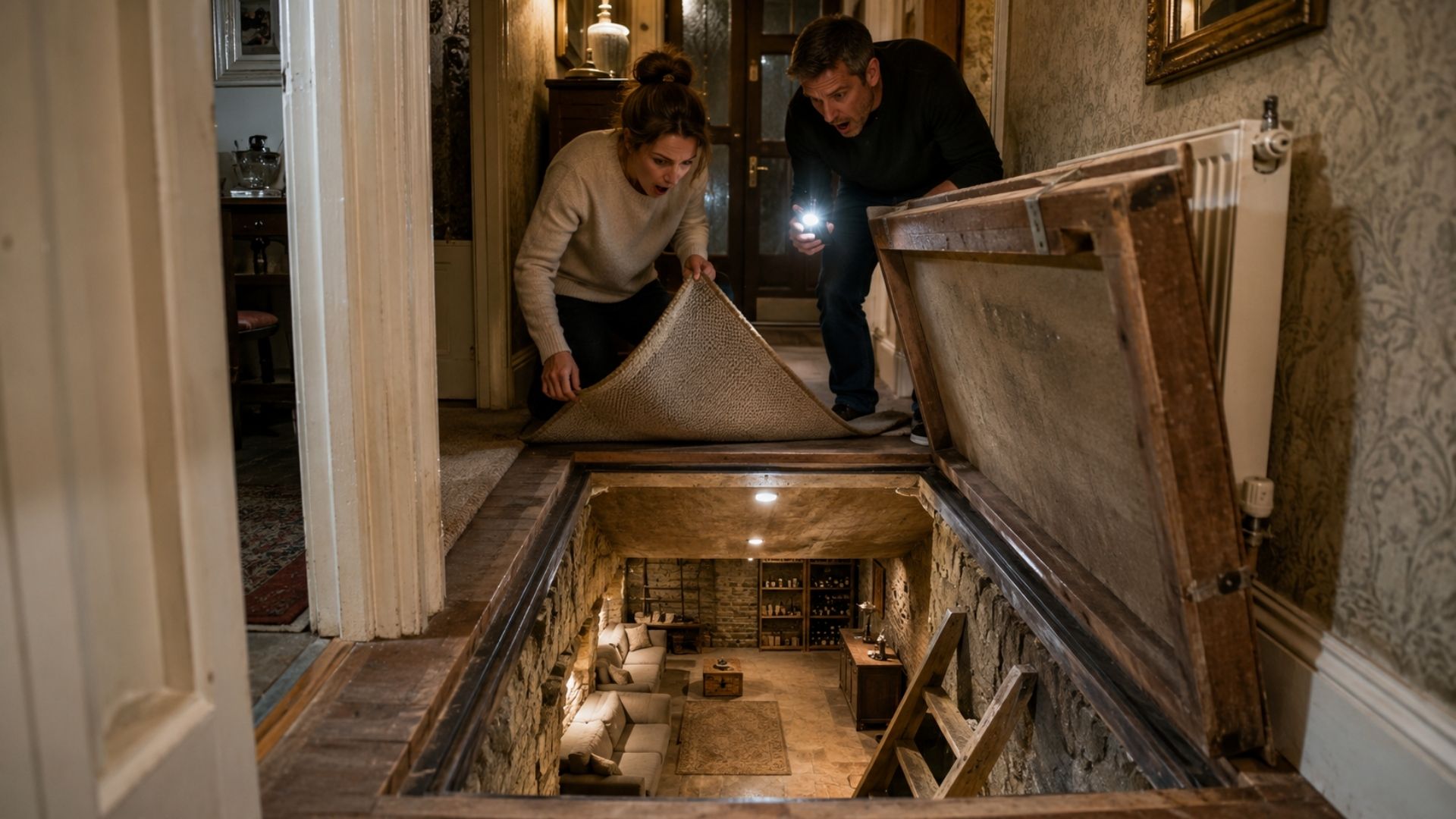
A couple bought a house in Sheffield and, when removing the carpet from the hallway, found a trapdoor leading to a secret 23 m² basement with a 2-meter ceiling height, a discovery that eliminated the need for an expensive extension and, according to them, added £70,000 to the property’s value.

-
A nurse bought for 20,000 a 1955 house abandoned by a hoarder in Texas, and months later, rain revealed a buried pool in the backyard valued at $160,000, which he restored himself for about $10,000, a fraction of the cost of building a new one.
-
The United Kingdom is transforming dog feces left on trails into gas to light a streetlamp through an unlikely and surprising project that shows how even one of the most rejected wastes in cities can generate energy.



The rural location helped reduce visibility and made it difficult to track the flow. When large volume production leaves manufacturing zones, control tends to become weaker and circulation accelerates.

The pills imitated diazepam, known as Valium, used for anxiety, muscle spasms, and seizures. The actual content, however, was etizolam, a substance banned in the UK.
This detail changes everything from an industrial and sanitary perspective. Without tracking, standards, and verification, the parallel supply chain begins to operate as a continuous production line, with a direct impact on consumer risk.
Expansion In 2021 And Logistics With Millions Stored
In 2021, the structure was expanded with the purchase of an additional industrial unit, planned as a second manufacturing point. At the same time, the network rented a shipping container for storage.
The container held millions of pills ready for circulation, reinforcing logistics capacity. The combination of large-scale production and high stock shows how a structure outside the formal system can gain territorial reach.
In August 2020, Lee Ryan Drury created a fictitious company with a website that appeared to sell pill presses, mixers, packaging machines, and powder supplements, helping to give the appearance of industrial routine.
According to Greater Manchester Police, the police force operating in the Manchester area, the operation used protected communication, which made tracking difficult and increased coordination capacity, reinforcing the structured nature of the operation.


The £288 Million And The Warning About Oversight Outside Industrial Hubs
The estimated value of the market for the products manufactured reached US$ 360 million, a figure that reveals the scale achieved by a parallel production line funded by personal capital.
The case became an example of vulnerability. Relatively accessible equipment, rural space, and simple logistics can support continuous production outside the regulated circuit, pressuring oversight, traceability, and the industrial control model in the UK.
This article was created with information from verified sources, including official statements from Greater Manchester Police, coverage from BBC, The Guardian, Brussels Times, and Global News Canada.