Portuguese
  Spanish


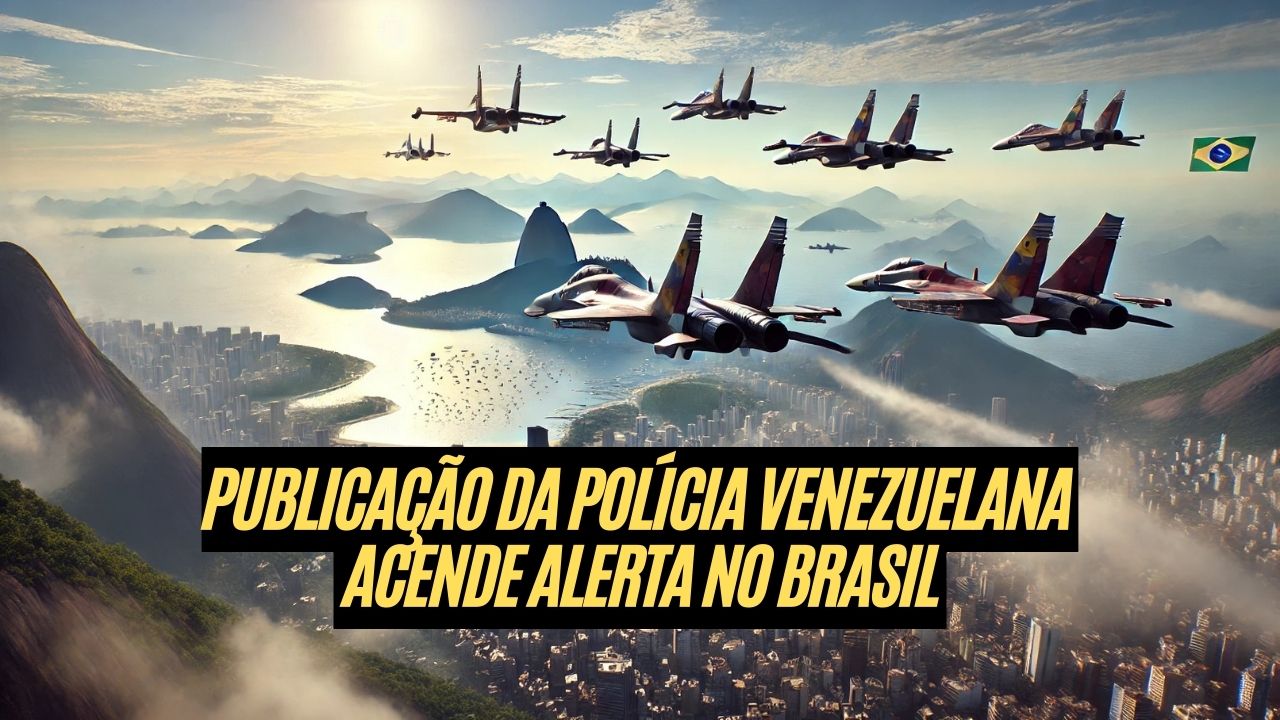

Venezuela Issued A Direct Threat To Brazil Through A Publication On Social Media Controlled By The Police Of Dictator Nicolás Maduro. In A Provocative Image, The Silhouette Of President Lula Appears In Front Of The Brazilian Flag, Accompanied By The Impactful Phrase: “Who Messes With Venezuela Gets Hurt!”. This Act, Which For Many Represents An Explicit Provocation, Reveals The Wear And Complexity Of The Relationship Between The Two Countries, Putting The Historical Ties Between The Leftist Latin American Nations In Question.
The Venezuela, Led By Maduro, Has Long Maintained A Close Political Relationship With Brazil, Especially Since The Government Of Hugo Chávez, With Whom Lula Shared Visions Of Independence And A United Latin America Against The Influence Of The United States. However, This Proximity Has Recently Started To Be Challenged, With Brazil Adopting A More Critical Stance And Demanding More Democratic Actions From Maduro, Especially After The Controversial Venezuelan Electoral Process Of 2024, Full Of Fraud Allegations And Repression.
A Friendship Broken By The Crisis: Venezuela x Brazil
Lula, Who Has Always Supported The Political Project Of Venezuela And Acted As An Important Partner Of Maduro In Critical Moments, Now Finds Himself At A Crossroads. The Frustration Of The Brazilian Government Increased After Maduro Ignored Important Agreements On Electoral Transparency And Continued To Intensify Authoritarian Measures. The Relationship, Once Solid, Began To Crumble When Brazil, Under Lula’s Leadership, Vetoed Venezuela’s Entry Into BRICS, Blocking An Alliance That Would Be Of Great Interest To Maduro And His Supporters.
This Veto Was Seen As An Unexpected Blow, Generating An Outrageous Response From Maduro, Who Accused The Itamaraty Of Subservience To The United States And Questioned Brazil’s Independence. Maduro’s Inflamed Rhetoric, President Of Venezuela, Is Part Of An Attempt To Preserve His Internal Image, But At The Same Time Revealed Deep Cracks In The Diplomacy Between The Countries.
-
European Parliament Approves Digital Euro, Aiming to Challenge Visa and Mastercard’s Dominance and Transform Payments Across Europe by 2029

-
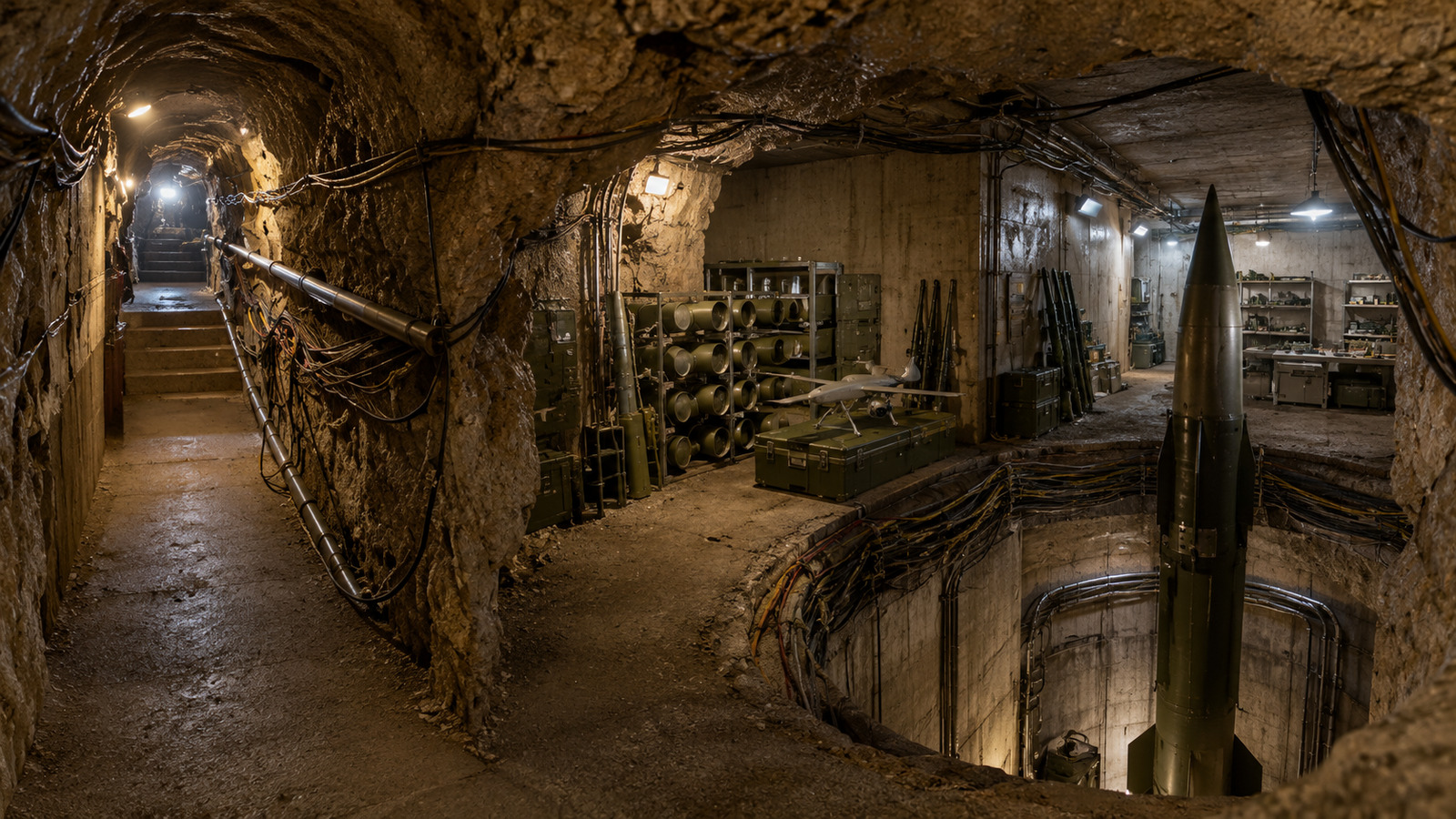
Israel finds Hezbollah militarized tunnel over 200 meters long under village, with 4 missile launch shafts, 12 chambers, anti-tank missiles, drones, and weapons depots at a depth of 25 meters.

-
Ukraine launches largest drone attack on Moscow since 2022, Russia claims to have intercepted nearly 200 aircraft near the capital, Kapotnya refinery targeted again, and offensive reignites alert about war reaching the Russian energy heart just a few kilometers from the Kremlin.

-
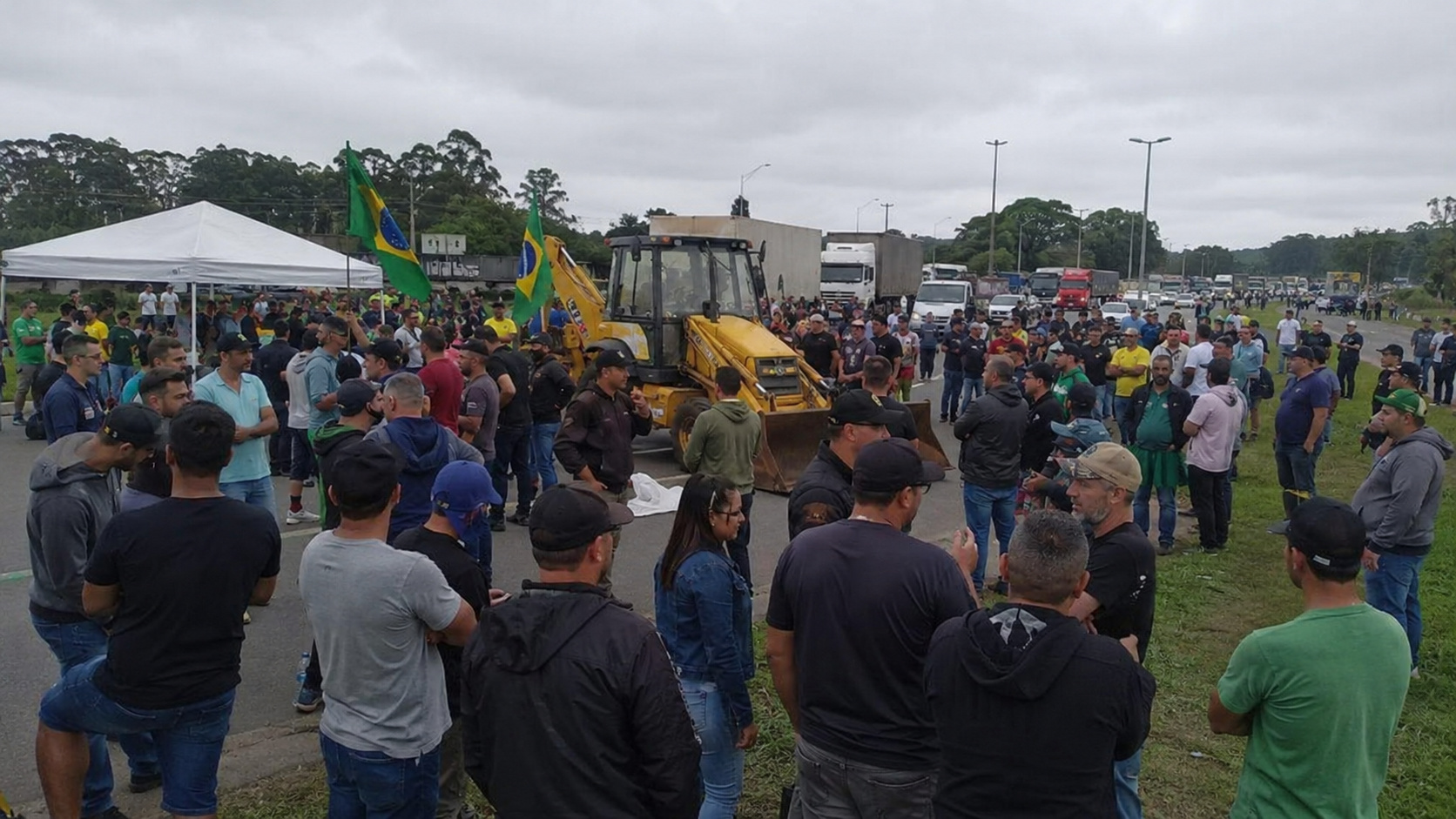
Truck drivers, freight, and fines from 2022 take center stage in politics: Chamber approves MP with amnesty, mandatory tracking by CIOT, million-dollar penalties, and new minimum wage for those who spend more than 24 hours on the road.


The Brazilian Response And The Uncertain Future Of The Relations


The Brazilian Government Opted For Formal Silence But Demonstrated Its Discontent By Summoning Venezuelan Ambassador Manuel Vadel For Consultations. This Type Of Action Is Generally Seen As A Diplomatic Protest Manifestation, A Warning For The Possibility Of More Severe Measures If The Threats Persist.
Lula’s Decision To Maintain A Firm Stance, Seeking An International Relationship Based On Democracy And Responsibility, May Strengthen Brazil’s Image As An Ethical Leader In Latin America. However, Venezuela Continues To Use Confrontation As A Way To Consolidate Internal Support, In A Strategy To Maintain The Narrative Of An External Enemy. For Maduro, This Clash With Brazil Is An Opportunity To Reinforce Nationalism And Divert Attention From Criticism Of His Administration.
Amidst This Tension, The Scenario Between Brazil And Venezuela Presents Two Possibilities: Either The Countries Will Drift Apart And Follow Increasingly Isolated Paths, Or A Strategic Reconciliation Based On Pragmatism And Diplomacy May Emerge.