Portuguese
  Spanish




The Power Of Curiosity: How Accidents And Unexpected Connections Helped Make Surprising Discoveries In Different Fields
Human curiosity is an unpredictable force. It acts as a bridge between error and innovation, transforming small safety slips into multibillion-dollar discoveries and peculiar habits into deep cultural concepts. Whether in the rigor of a chemical laboratory, on the stack of books by the bedside, or in the analysis of data about a pandemic, knowledge rarely follows a straight line. It thrives on unexpected connections, often mediated by what we call serendipity.
The Power Of Curiosity And The Sweetness Of Chance
One of the most fascinating examples of this “luck for the prepared mind” occurred in 1965, with chemist James Schlatter. While working on the development of an anti-ulcer drug, Schlatter made a mistake that today would be unthinkable in any modern protocol: he licked his own finger to pick up a piece of paper. The white powder that was there — aspartame — turned out to be 200 times sweeter than sugar.

The Magic Of Books And The “Tsundoku”
If Science Benefits From Accident, Literature Nourishes Itself From Accumulation. You Are Probably Familiar With The Feeling Of Buying Books That, Due To Lack Of Time, End Up Stacked On The Nightstand. The Japanese Have A Specific Word For This: tsundoku. But Far From Being A Waste, This Pile Represents A Horizon Of Possibilities.
-
Pennsylvania Mine Creates Ice in Summer Heat and Melts in Winter, Turning a Mountain Crevice into a Reverse Natural Refrigerator

-
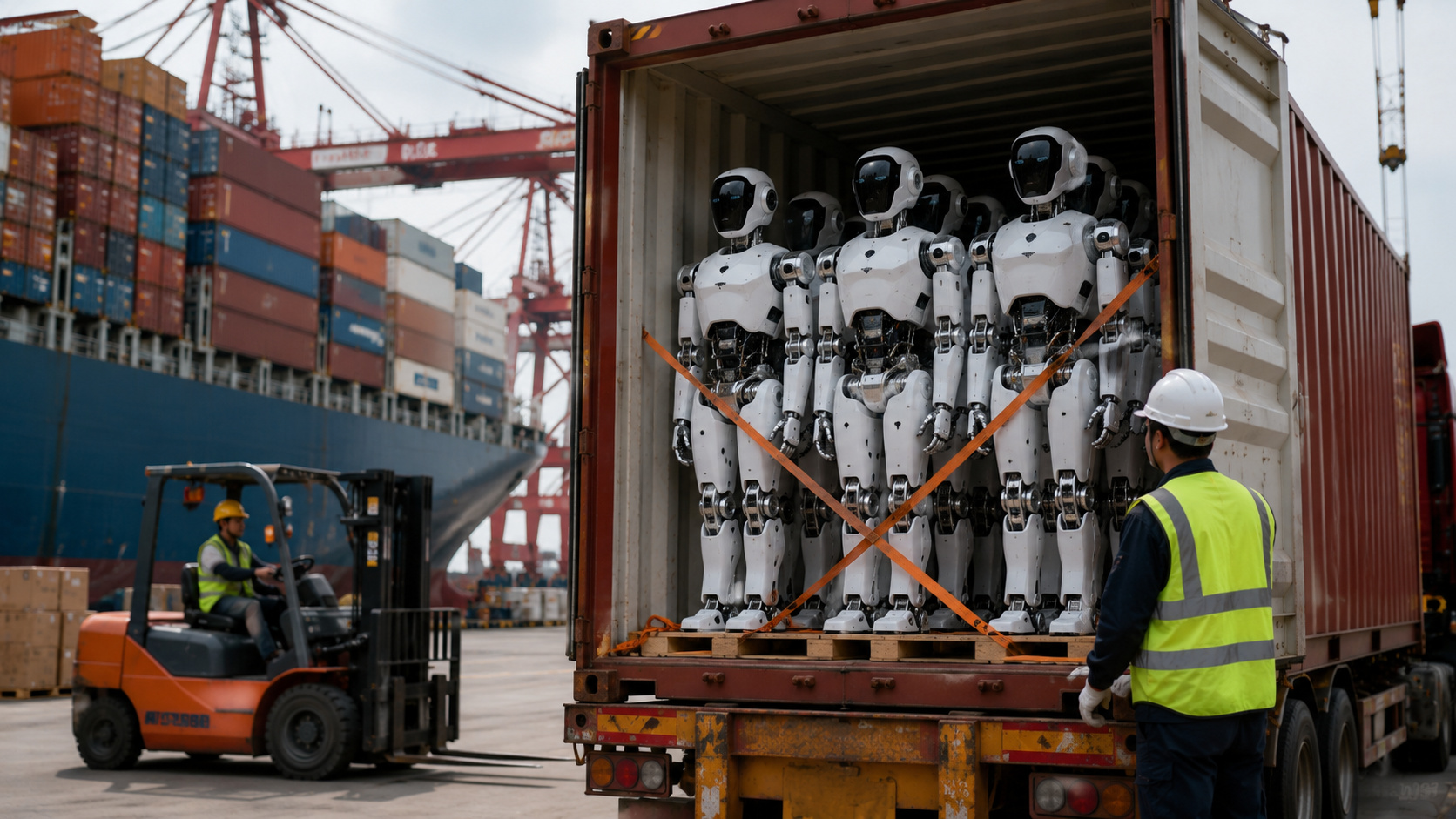
China Accelerates Global Expansion of Robotics: From Smart Vacuums to Industrial and Humanoid Machines, Millions Exported to Over 150 Markets
-
Polar Air Mass to Hit Brazil: Temperatures to Plummet in Nine States, Near Freezing in the South with Frost Risk Until Monday
-
Chinese “dark factories” produce electric cars 24/7 with minimal human intervention, as Zeekr assembles 800 units daily, raising concerns in Brazil.




As Carl Sagan Noted, A Book Is A Flat Object That Allows The “Magic” Of Entering The Mind Of Someone Who Lived Millennia Ago. Reading Breaks The Shackles Of Time And Unites Strangers Through “Dark Scribbles.” Even An Unread Book Is A Promise Of Connection, A Silent Reminder That Human Wisdom Is Vast And Always Within Our Reach.
Hidden Patterns: From Viruses To Punctuation
Curiosity Is Also The Tool That Scientists Use To Unravel Invisible Mysteries, Such As The “Super Spreaders.” Studies Reveal That A Small Portion Of The Population Can Carry Up To 10 Million Times More Viruses Than Others, Playing A Disproportionate Role In The Spread Of Diseases Such As Flu And Covid-19. Identifying These Patterns Is Not Just A Matter Of Public Health, But A Search To Understand The “Outlier Cases” That Govern The Behavior Of The Masses.
This Search For Patterns Reaches Even Our Modern Writing. Recently, There Has Been A Resurgence In The Use Of The Dash, Driven By Artificial Intelligence. Although It Was The Hallmark Of Authors Like Emily Dickinson And Charles Dickens, The Dash Is Now The Favorite Tool Of Algorithms To Create Pauses And Connections Of Thought.
In The End, Whether Through A Security Breach In A Laboratory Or A Rediscovered Punctuation Mark, The Story Of Human Knowledge Is Written By Those Who Dare To Look At The Common And Find The Extraordinary.