





 Portuguese
  English
  Spanish
  3 min of reading
  0 comments


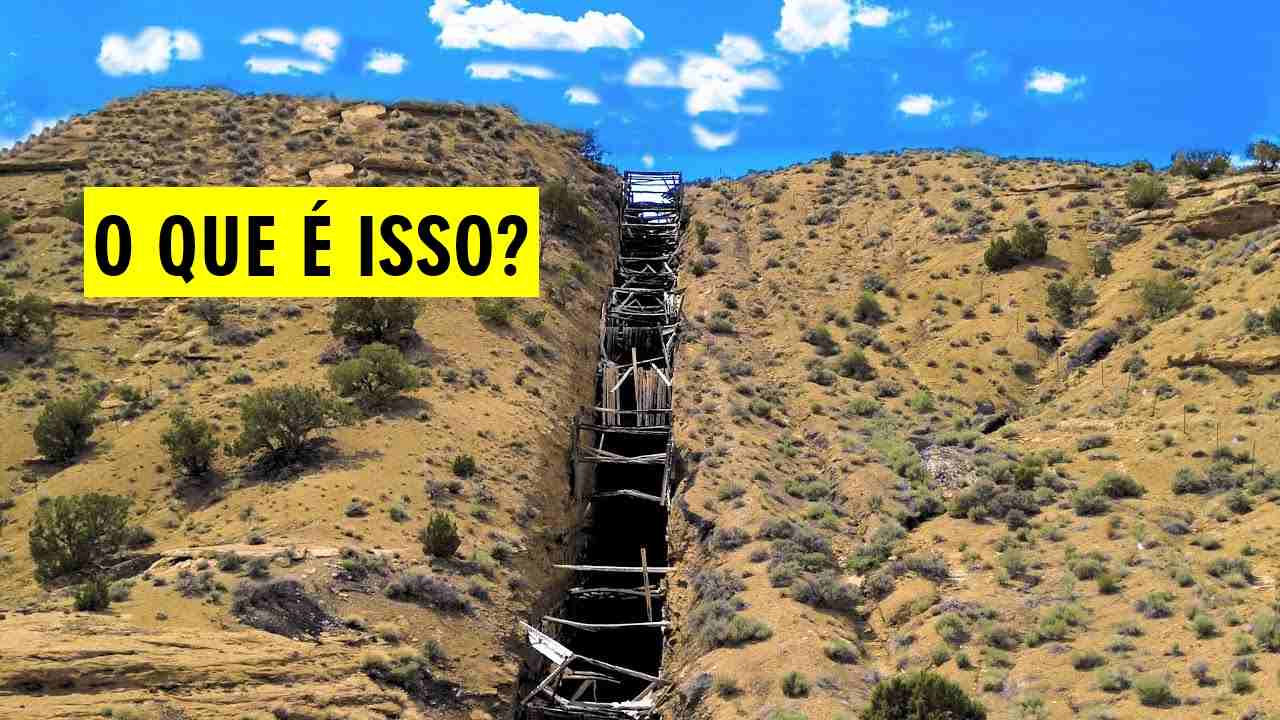
In The Interior Of The State Of Utah, An Old Mining Center Has Turned Into Ruins After Decades Of Intense Activity. The Ghost Town Of Dragon Holds A Story Marked By Fire, Human Losses And The Collapse Of The Local Economy.
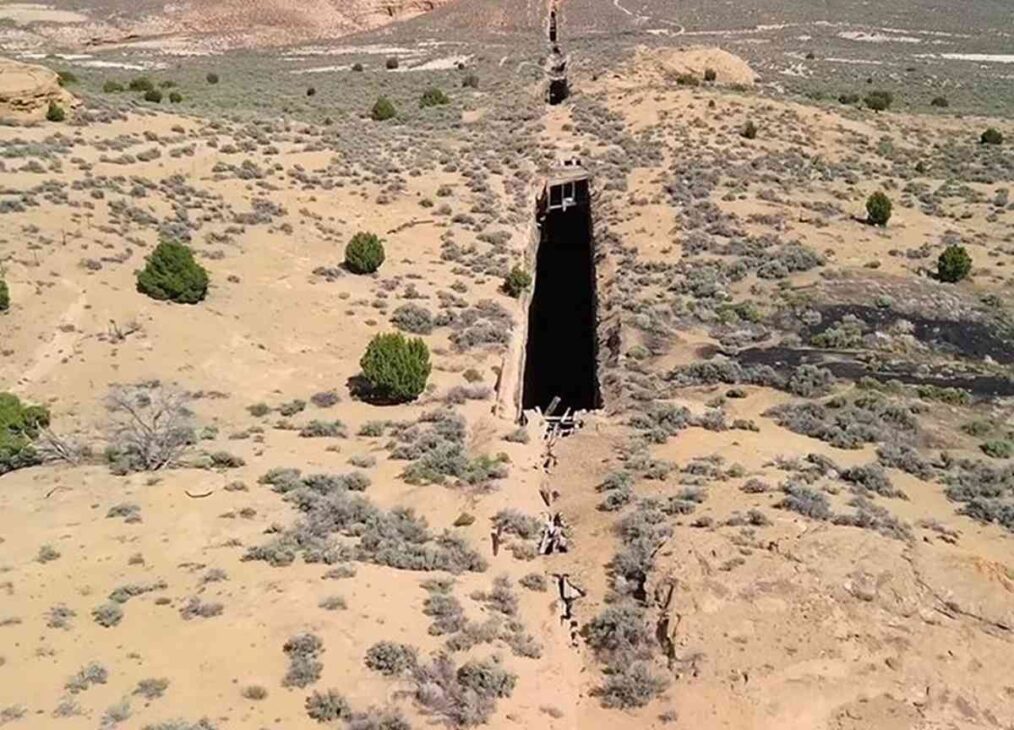
In A Remote And Almost Uninhabited Area, A Huge Dark Crevice Begins To Open In The Ground, Cutting The Silence Of An Old Ghost Town Forgotten By Time.
Amid Crumbling Ruins And A Silent Desert, The Scene Draws Attention Not Only For The Desolate Landscape But Also For The Scars Left By Decades Of Intense Mining And Forgotten Tragedies.
On The Far East Of Uintah County, In The U.S. State Of Utah, Almost On The Border With Colorado, Lies What Is Left Of The Town Of Dragon.
-
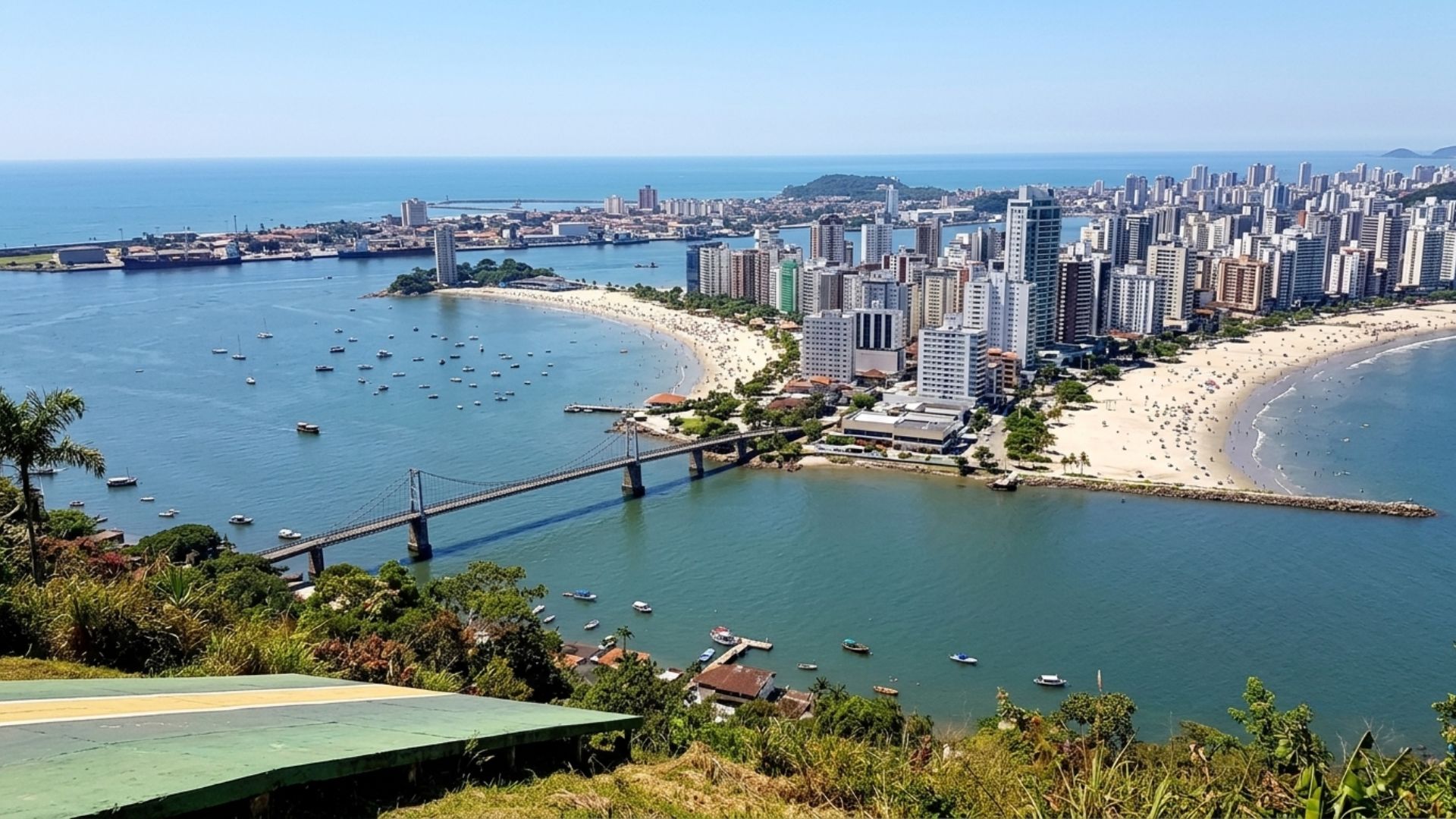
Before the great colonial centers were born, São Vicente was already voting: in 1532, the first city in Brazil held the first recorded elections in the Americas and marked the beginning of the continent’s political life on the coast of São Paulo.

-
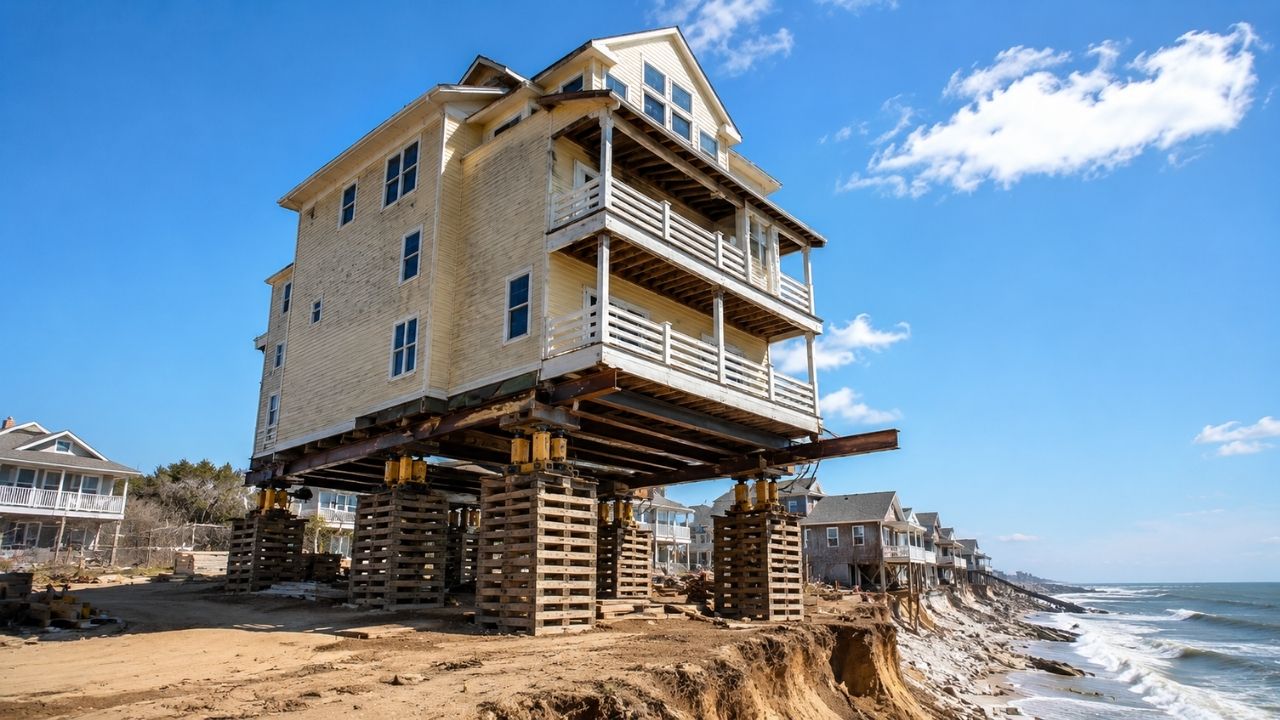
Three-story house weighing 128,000 kg is lifted by hydraulic jacks and removed from the coast in the US before being swallowed by the ocean; 20 properties have already collapsed in the region and the advance of the sea raises an alert for the Brazilian coast.

-
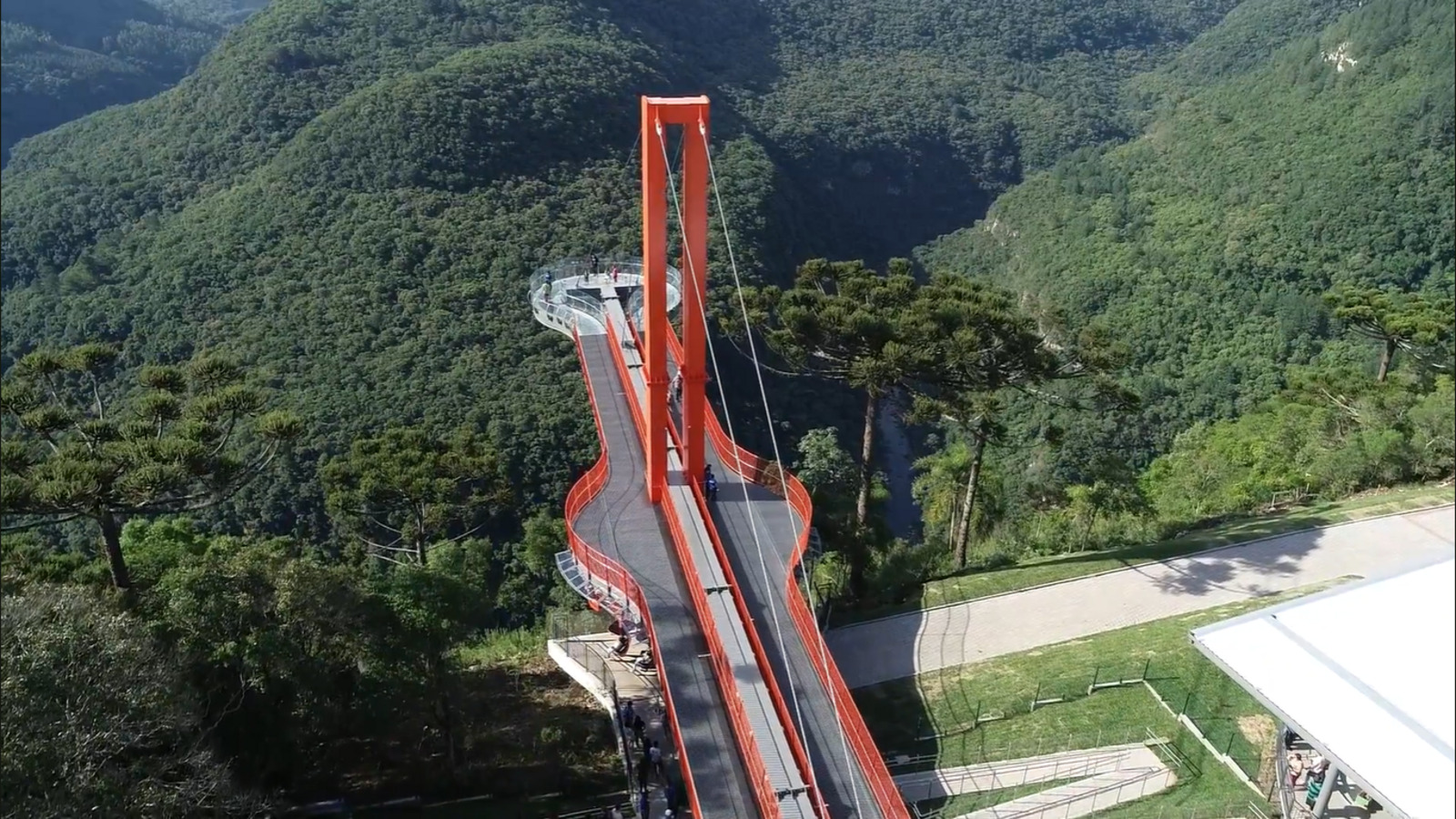
At 360 meters high, a glass bridge extends 35 meters over a canyon in Brazil, leaving visitors “floating” over the Vale da Ferradura, with views of the Caí River and the Caracol Waterfall.

-
The song that made the whole of Brazil sing during the 1970 World Cup seemed like just a celebration of the third championship, but it hid a much more complex story linked to the military dictatorship.


The Settlement Rose From The Mining Of Gilsonite, A Valuable Resource At The Time, Mined Since 1888 At The So-Called Black Dragon Mine.
The Arrival Of The Railroad In 1904 Boosted The Town’s Growth, Which Became The Terminal Of The Uintah Railway And A Regional Transportation Hub.
Explosions, Deaths And Decline
The Beginning Of The End Came Soon In 1908. An Explosion In A Vein Of Gilsonite Triggered An Underground Fire That, According To Records, Remained Active For Years.
In The Same Year, A Fatal Accident Claimed The Lives Of Two Workers.
By 1911, New Deposits Were Discovered Further North, Further Reducing The Relevance Of The Original Mine.
Railroad Construction Continued, And Dragon Lost Its Function As A Terminal Station.
Complete Evacuation In A Few Decades
In 1920, The Town Had 487 Residents. Less Than Twenty Years Later, In 1939, Only 72 Remained, Most Of Them Connected To The Railroad.
The Following Year, With The Closure Of The Uintah Railway And The Onset Of World War II, Only 10 People Still Lived In The town.
Shortly Afterward, Dragon Was Completely Abandoned And Became A Ghost Town, Like So Many Others That Met The Same Fate In Mining Regions Of The United States.
The Marks That Still Are In The Soil
Today, What Remains Of Dragon Are Ruins, A Huge Dark Crevice And Solitary Signs Of Those Who Lived There.
The Crack In The Ground Is The Visible Trace Of The Old Mining.
In 2000, The Uintah County Historical Society Placed A Sign At The Site Of The Ruins. In The Old Cemetery, Almost Everything Has Disappeared.
Three Graves Remain Identified. One Of Them Is Juan B. Trujillo, The Last Person Buried There. The Tombstone Has A Rosary, A Reminder That Someone Still Remembers The Past.
The Story Of Dragon Was Recently Remembered In A Video By The Outer Range Channel, Which Explored The Site And Showed The Marks Of Time And Mining That Still Cross The Soil Of Utah.







Be the first to react!