Portuguese
  Spanish


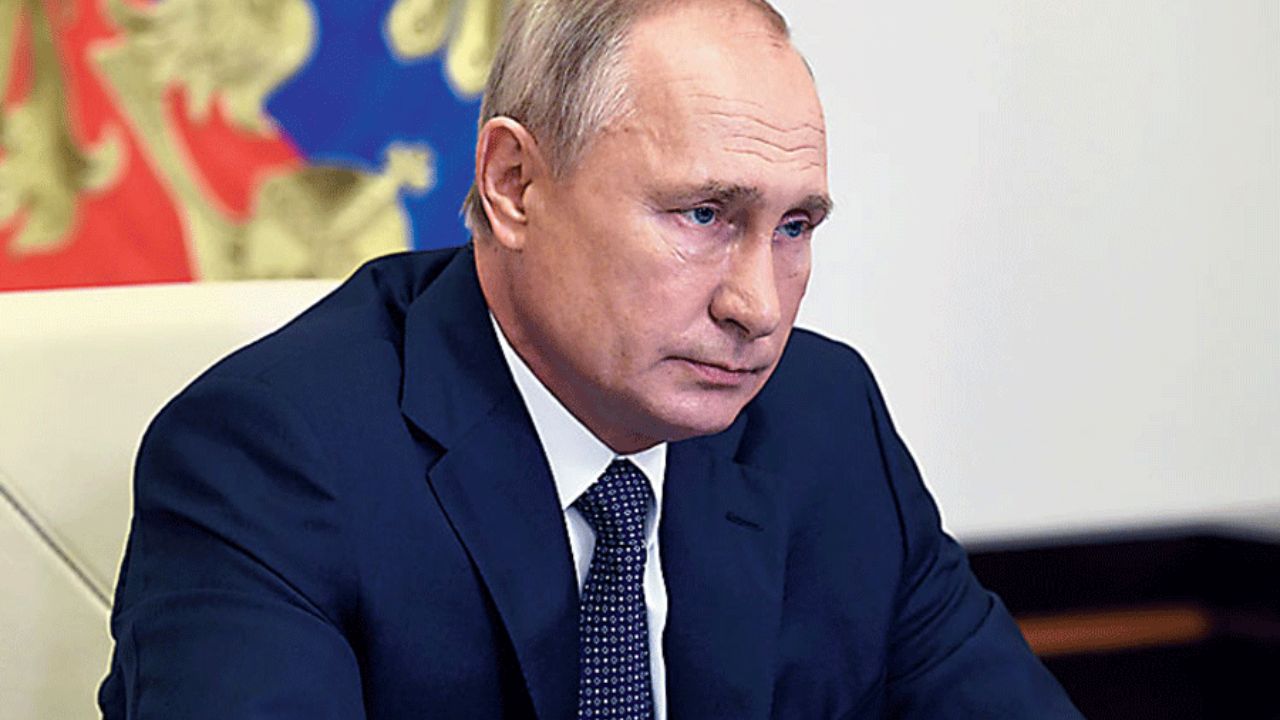

European Union Considers Using Frozen Russian Assets to Finance Ukrainian Defense. Check Out Russia’s Reaction.
On Monday (15/09/25), Russia issued a firm warning to the European Union and other countries on the continent, stating that it will pursue any state that attempts to seize its financial assets.
The measure comes after reports that the European Commission is considering using billions of dollars in frozen Russian assets to finance Ukraine’s defense in the war against Moscow.
According to Dmitry Medvedev, Deputy Chairman of the Security Council of Russia and former president of the country, “If this happens, Russia will pursue the EU states, as well as the European degenerates from Brussels and individual EU countries that try to appropriate our properties, until the end of the century.”
-
The Arctic is no longer just a frozen region and is becoming a new military board with the opening of maritime routes, expansion of bases, nuclear icebreakers, and competition among Russia, NATO, the United States, and China.

-
U.S. Dismisses Brazilian Foreign Ministry’s Military Risk Warning as “Absurd,” Cites Brazilian Criminal Gangs Operating in the U.S. Since May 2026
-
Ukraine War Impacts Brazilian Fuel Supply: Russian Diesel Imports Drop 65% in June, Brazil Turns to US and India Amid Market Concerns

-
Chinese Nuclear Submarine Launches Simulated Warhead Missile in Pacific, Heightening Regional Tensions Amid Naval Drills with Russia Near Qingdao; New Zealand and Papua New Guinea Warn of Persistent Chinese Military Presence



Context: Freezing of Russian Assets
Following the Russian invasion of Ukraine in February 2022, the United States and allies blocked transactions with the Central Bank and the Ministry of Finance of Russia.
Between US$ 300 billion and US$ 350 billion in Russian sovereign assets were frozen, primarily including government bonds held in European deposits.
The goal of these sanctions is to financially pressure Moscow and support Ukraine, which faces occupation of about one-fifth of its territory, including the regions of Donetsk, Luhansk, Kherson, and Zaporizhzhia.
European Union Seeks Alternatives to Finance Ukraine
According to the Reuters agency, European Commission President Ursula von der Leyen proposed finding new ways to utilize frozen Russian assets to strengthen Ukraine’s defense.
The Politico website details that the idea involves using Russian deposits in the European Central Bank from matured bonds, creating a “Reparations Loan” intended for Ukraine.
This strategy would be an attempt to support Kyiv without solely relying on direct contributions from EU member states, increasing the resources available for the Ukrainian government to face Russia.
Reactions from Moscow and International Implications
Russia considers any attempt to appropriate its assets as theft by the West.
Medvedev emphasized that European countries would face lawsuits in all possible national and international courts, as well as extrajudicial actions.
Moreover, Moscow warns that the measure could undermine global confidence in bonds and currencies issued by the United States and the European Union, creating a significant international economic impact.
Conflict in Ukraine and Military Scenario
As the diplomatic dispute over Russian assets intensifies, the war in Ukraine continues. Moscow maintains offensives in the eastern part of the country and shows no intention of abandoning its objectives.
Ukraine, in turn, conducts strategic attacks within Russian territory targeting military infrastructure.
According to data from the United States, approximately 1.2 million people have been injured or killed since the beginning of the conflict, the majority being Ukrainian civilians.
Both sides deny intentional attacks on civilians, but exact military casualties are not disclosed.