






 Portuguese
  Spanish


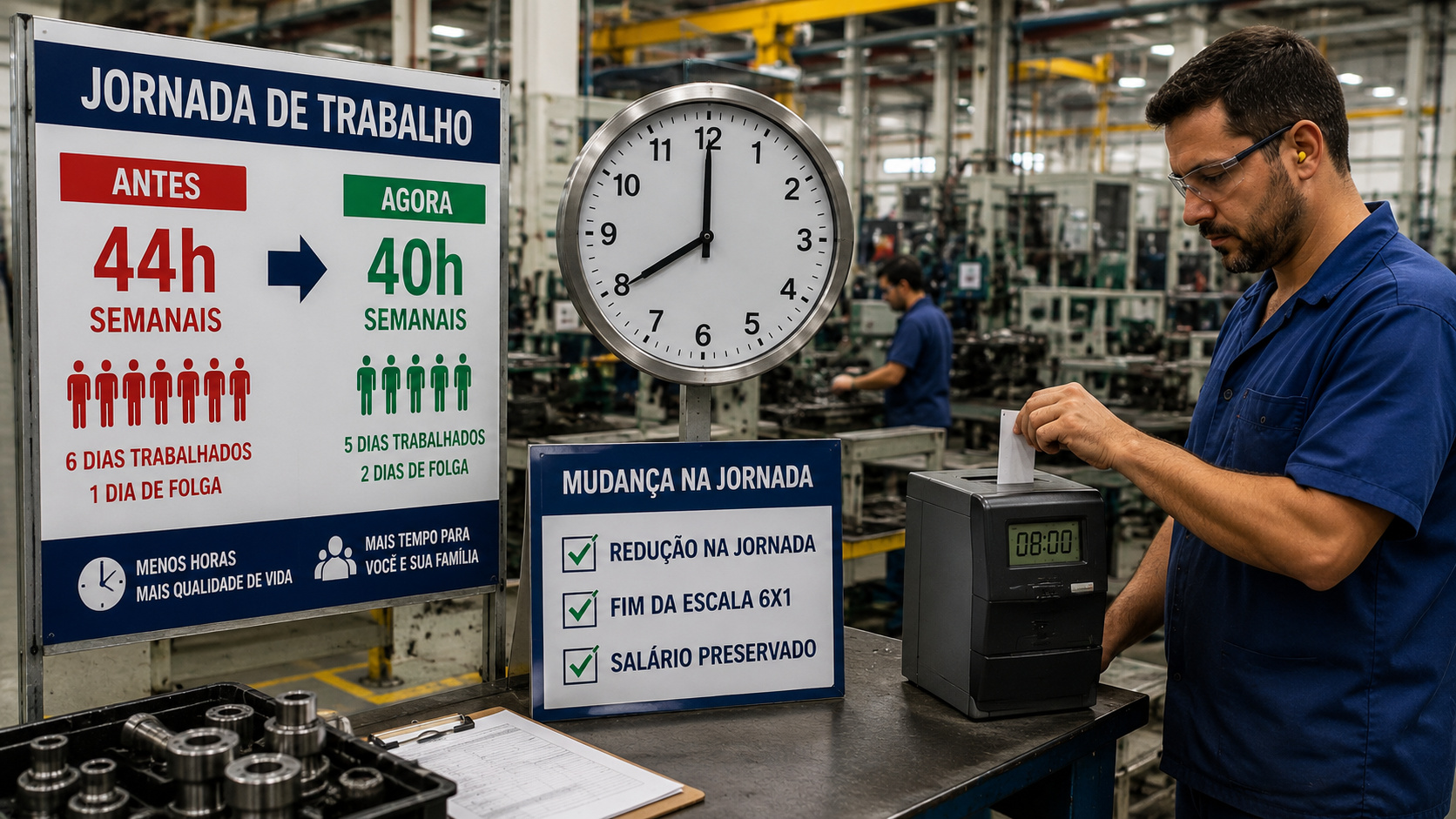

Change discussed by Lula and Hugo Motta puts an end to the 6×1 schedule at the center of the labor debate, foresees gradual reduction of the workweek to 40 hours, maintains salaries without cuts, increases days off, and may have a decisive vote in the Chamber this week
The PEC to end the 6×1 schedule advanced this Monday (25), after a meeting between President Luiz Inácio Lula da Silva and the President of the Chamber of Deputies, Hugo Motta. The proposal reduces the workweek from 44 to 40 hours and maintains salaries.
According to Motta, the text also ends the 6×1 schedule, a model where the worker works six days and rests only one. With this, the proposal guarantees two days off per week for Brazilian workers.

Reduction of the workweek will have a 14-month transition
The Chamber is expected to implement the change gradually. Initially, the workweek will decrease by two hours per week after 60 days of the PEC’s promulgation.
-
China Tightens Control on Antimony, Driving Prices from $22,000 to Nearly $40,000 per Ton as U.S. Rushes to Bolster Strategic Reserves

-
BlackRock Freezes $1 Billion in Brazilian Renewable Energy, Impacting 1.5 GW of Planned Projects and Highlighting Investor Concerns Over Infrastructure Bottlenecks Cutting Up to 25% of Solar and Wind Generation
-
Labor Shortage: Despite Record Average Salary, 90% of Brazilian Bar and Restaurant Owners Struggle to Hire Key Roles Like Sushi Chefs and Head Cooks

-
Supermarket Deli Counter Attendants in Brazil Could Earn Over $2,100 Monthly by 2026, Plus Benefits Package


Then, after another 12 months, the text will reduce another two hours per week. Thus, the workweek will reach 40 hours by the end of the transition.
End of the 6×1 schedule is considered non-negotiable
During an interview in the Green Hall of the Chamber, Hugo Motta mentioned three non-negotiable points: reduction of the workweek, end of the 6×1 schedule, and maintenance of salaries.
The President of the Chamber also emphasized that the change in the schedule will not reduce remuneration. Therefore, workers will have fewer weekly hours with preserved salary.
Vote may occur this week
The special committee is expected to vote on the text this Tuesday (26). Subsequently, the Chamber’s plenary may analyze the proposal this week.
If the deputies approve the PEC, the text will proceed to the Federal Senate. Meanwhile, the government has presented a bill on working hours and schedules, without amending the Constitution.

Productive sector sees risk of increased costs
Despite the political progress, representatives of the productive sector resist the proposal. For them, the reduction of working hours could increase costs for employers and affect the competitiveness of companies.
Furthermore, economists advocate for productivity gains to accompany the change. Now, the debate on end of the 6×1 schedule, 40-hour workweek, and preserved salary enters a decisive phase in Congress.
Now it’s up to you, reader: is it possible that reducing working hours without cutting salaries could improve the quality of life for workers without harming job creation in Brazil?


