Portuguese
  Spanish


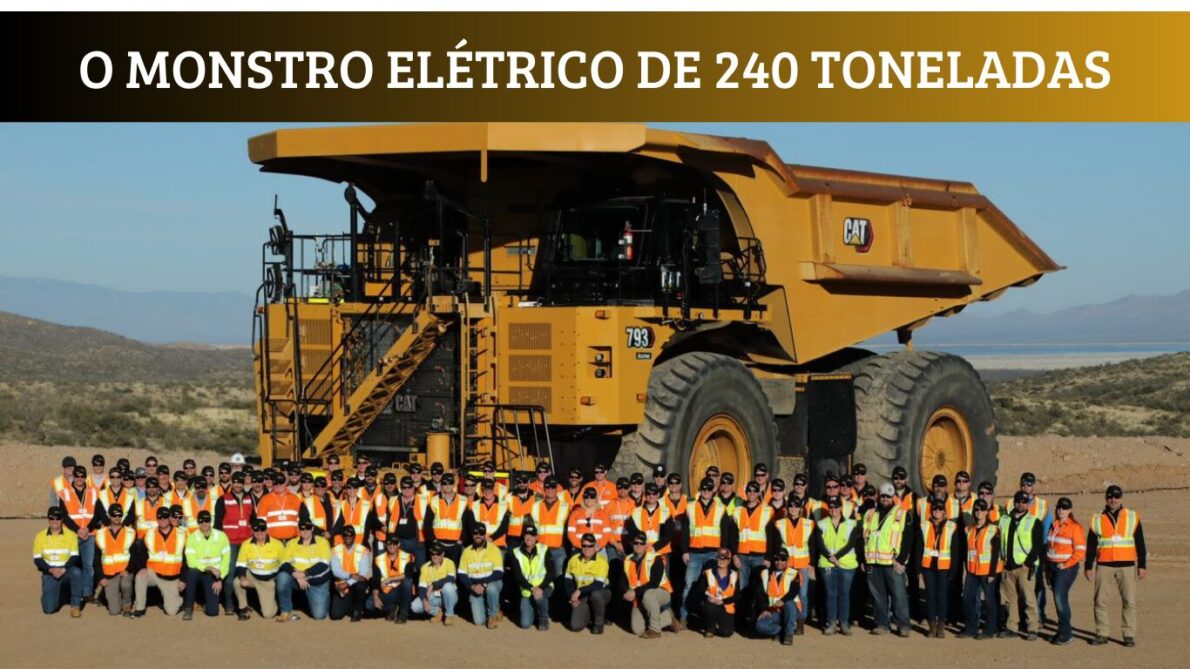

Vale and Caterpillar, An Electrifying Union Is Coming and There’s Nothing That Will Stop Them. Meet the CAT 793, The Terror of The Mines!
Vale, one of the world’s largest producers of iron ore and nickel, is joining forces with Caterpillar to transform the mining industry in Brazil. The goal? Reduce carbon emissions and move towards a more sustainable future. In this article, we will explore how this partnership is driving the electrification of large trucks in Vale’s mining operations, according to electrek.
240-Ton Electric Trucks
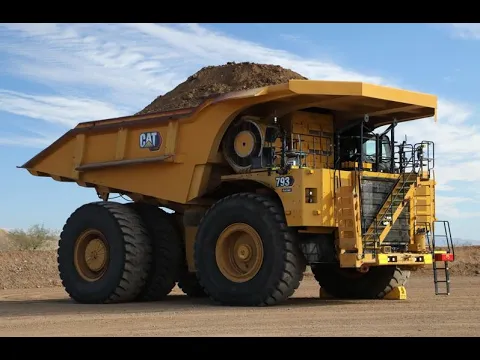
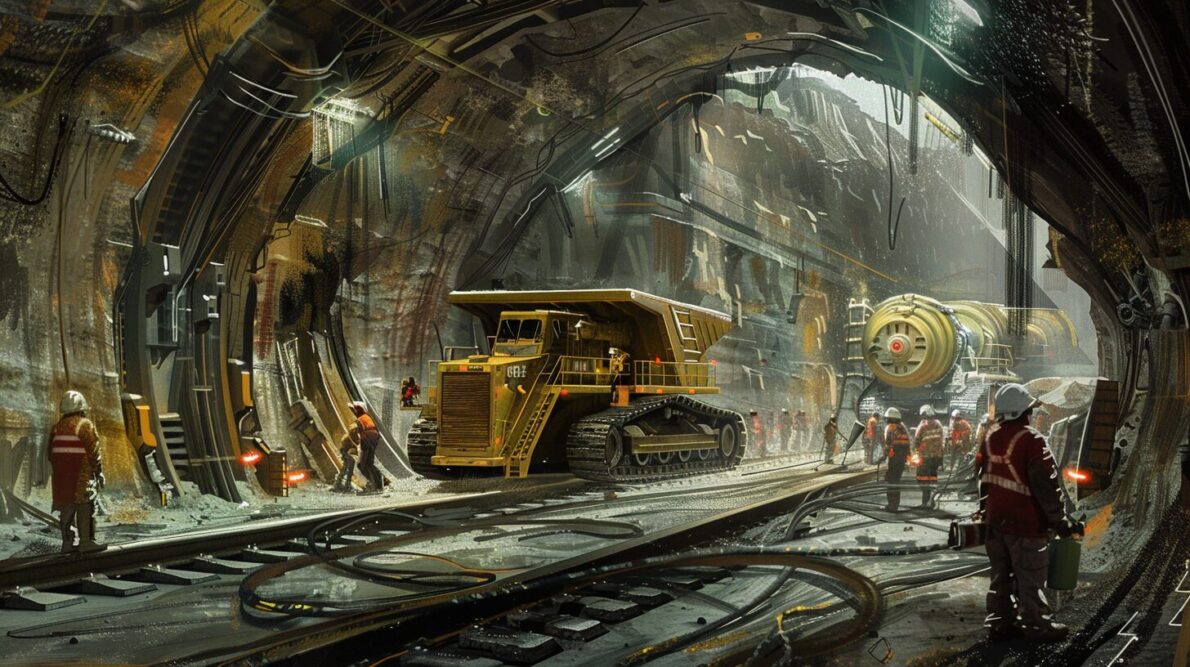
Caterpillar is developing battery-powered off-road trucks, and Vale will be the pioneer in testing them. A unit with a capacity of 240 tons will be evaluated in the operations in Minas Gerais. These electric giants promise to significantly reduce CO2 emissions, contributing to Vale’s ambitious goals of cutting direct and indirect emissions by 33% by 2030.

Ethanol: A Promising Alternative from Vale and Caterpillar
In addition to electric trucks, the partnership will also explore the use of ethanol as fuel. Brazil is already known for its wide adoption of ethanol in light vehicles, and now this expertise extends to mining trucks. Vale believes that ethanol has great potential to contribute to its decarbonization targets by 2030. With an established supply network, this alternative is a strategic choice.
-
While modern cities rely on pumps and electricity, in Iran, ancient tunnels carried water through the desert using only slope and gravity.
-
Instead of sending families far from the city, a project in Chile intentionally created incomplete houses on expensive urban land and left technical space for each to grow.

-
End of an era in Brazil: beloved sedan by Brazilians is discontinued despite having a 2.0 engine with 151 hp, CVT transmission, 466-liter trunk, and up to 650 km of range.

-
New Law Proposal in Brazil Could Heavily Penalize Drivers: Dangerous Overtaking May Become a Serious Offense with Fines Increased Tenfold and a 12-Month License Suspension; Update on 2026 Progress

Benefits and Challenges
Emission Reduction
Electric trucks and the use of ethanol represent a significant shift in the industry. By replacing traditional diesel engines, Vale is reducing its carbon footprint. Therefore, this transition is essential to meet sustainability targets and become a net zero company by 2050.
Technical Challenges
Despite the advancements, there are still challenges to overcome. Electric trucks need to prove their efficiency in real mining conditions, while ethanol requires adequate infrastructure. However, the partnership between Vale and Caterpillar is driving innovation and paving the way for a cleaner and greener future.
Therefore, the collaboration between Vale and Caterpillar is transforming Brazilian mining. With electric trucks and the strategic use of ethanol, these companies are leading the way toward a more sustainable sector. Thus, the green revolution in the mines is just beginning, and Brazil is at the forefront of this change.