Portuguese
  Spanish


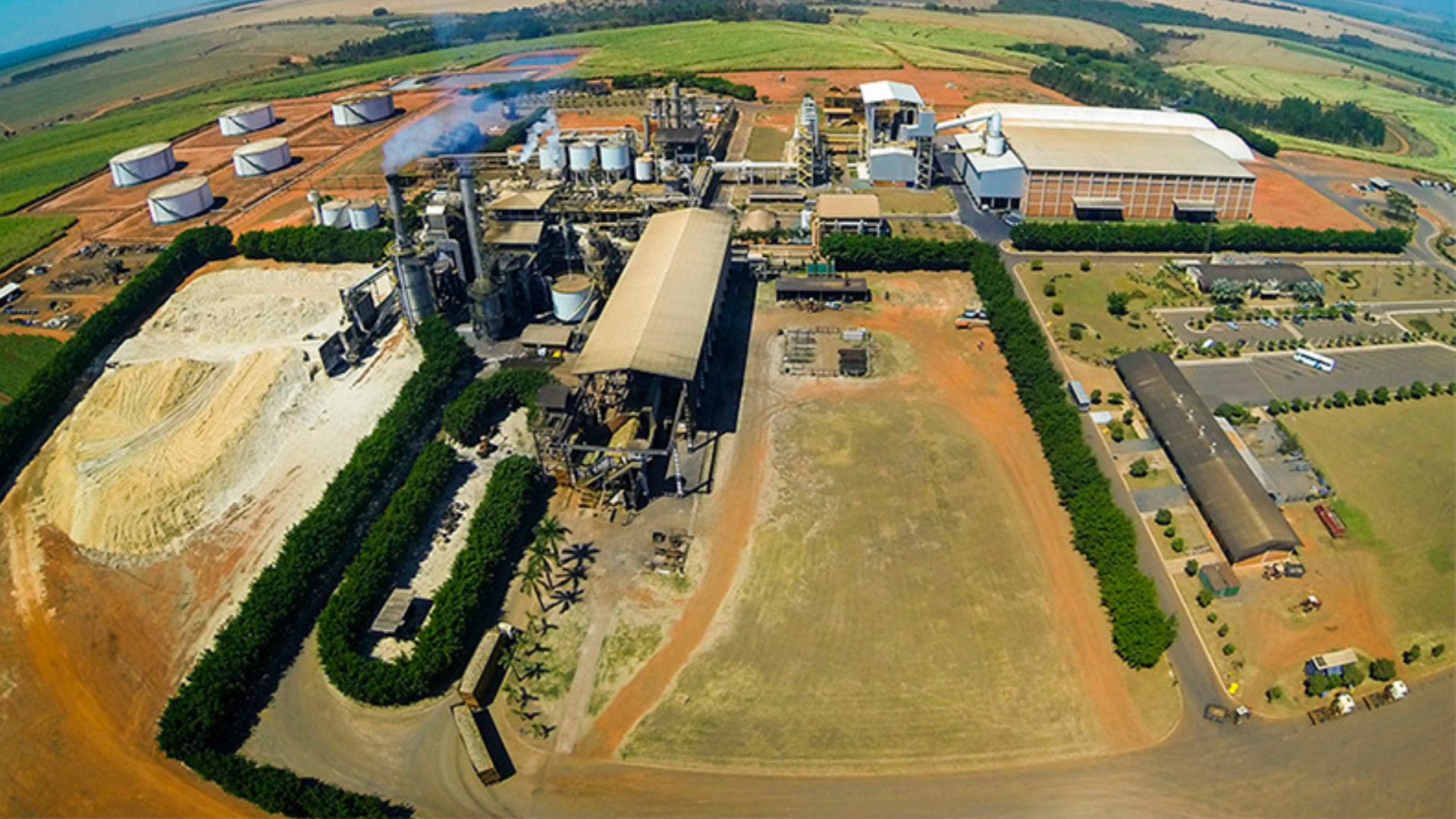

Batatais Plant Confirms Its Purchase of Cevasa (Central Energética Vale do Sapucaí), in the Sugar-Energy Sector, in São Paulo
Yesterday, (06/21), Batatais Plant informed the market, through a statement, that it has acquired the Central Energética Vale do Sapucaí (Cevasa), a company in the sugar-energy sector located in Patrocínio Paulista, in the state of São Paulo. Batatais plant, specialized in producing ethanol and sugar, revealed that it is awaiting approval from CADE (Administrative Council for Economic Defense). See also: To Produce Ethanol from Sugarcane and Corn, São Fernando Plant Will Receive Investments of 1 Billion Reais in Mato Grosso do Sul
- Company Opens Job Vacancies for High School, Technical, and Higher Education in São Paulo for Those Seeking Opportunities in the Formal Labor Market
- Petrobras Excludes the Only Company That Bid for the Bahia LNG Terminal, Excelerate Energy; Bidding Is Part of an Agreement with CADE to Open the Gas Market
- Baker Hughes Is Hiring for Job and Internship Positions in Macaé, Rio de Janeiro, Jandira, and Niterói
- Experts Point Out That Minas Gerais Will Face Impacts from Eletrobras Privatization Resulting in Over 450 Layoffs at the Furnas Plant
- Porsche Partners with Customcells for the Production of High-Density Electric Vehicle Batteries
The Purchase of the New Unit in São Paulo
Batatais Plant expects the transaction to be completed within 30 to 45 days, when it will take over the operations of Cevasa. The intention, according to the statement, is to establish a governance model “aimed at preserving existing commitments, optimizing between the two companies, ensuring the continuity of both industrial plants, and ensuring long-term business sustainability.”
The CEO states in a statement that it is important to emphasize that Batatais Plant is interested in maintaining transparency in the acquisition process for its employees, customers, suppliers, partners, and the community at large.
-
Brazilian Executive Takes Helm of Heineken Amid Decline in Sales: 51-Year-Old Has Led Operations Across Four Continents and Managed a $7 Billion Empire

-
Brazilian Actress Turns Waxing Clinic into 400-Unit Chain with $50 Million Revenue, Sells Stake After 13 Years
-
Major Company Shuts Down 70-Year-Old Factory in Brazil, Relocating Production and Impacting Over 100 Families
-
Toyota Shuts Down Brazilian Plant After Producing Over 1 Million Vehicles, Plans Special Destination for Final Corolla Produced Following $2.1 Billion Investment and Expansion.


In terms of production, in the 2020/21 harvest, Batatais Plant processed 4.4 million tons of sugarcane with a production mix of 55% for sugar. Cevasa, in the previous harvest, achieved 2.6 million tons of sugarcane and a sugar production mix of 60%, in addition to selling 113 thousand MWh of energy.
See Also: Santa Adélia Plant Contracts Financing of R$ 100 Million with BNDES for the Biofuel Production Unit in Jaboticabal, São Paulo
BNDES – National Bank for Economic and Social Development – approved the first operation of the BNDES RenovaBio Program, worth R$ 100 million for Santa Adélia Plant, in the state of São Paulo. The funds from the financing obtained by the plant with the BNDES will be allocated to the biofuel production unit of the group, located in Jaboticabal.
The BNDES RenovaBio program functions as financial credit aligned with ESG criteria (which considers environmental, social, and corporate governance aspects), aimed at promoting the reduction of carbon emissions (in plants, for example) through the use of biofuels. The financial support from the National Bank for Economic and Social Development under this program is part of the RenovaBio program from MME – Ministry of Mines and Energy.
The funds from the financing arranged by the plant with BNDES will be allocated to the biofuel production unit, located in Jaboticabal, in the interior of the state of São Paulo. The loan amount approved for Santa Adélia Plant is the maximum allowed per company under this program. In cases where the same company has more than one plant under the program, the total amount can reach R$ 200 million.