






 Portuguese
  Spanish


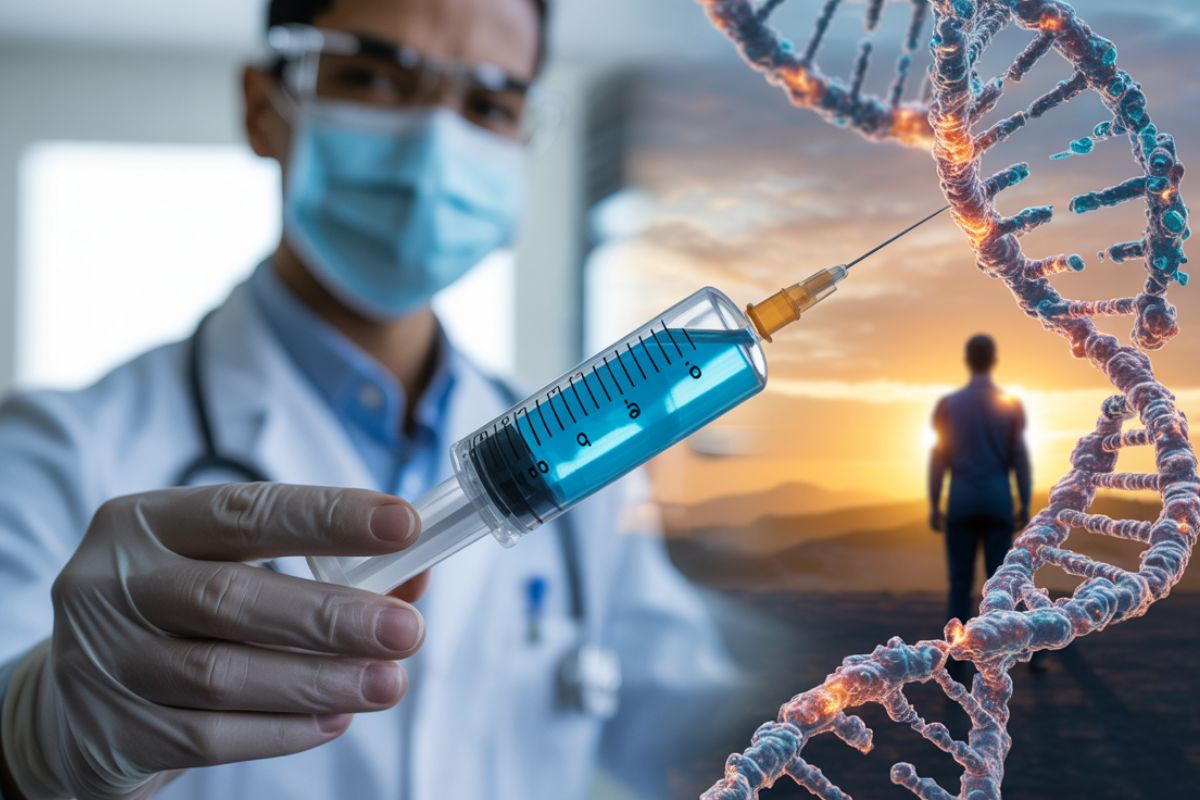

Scientists Develop Vaccine That Teaches The Immune System To Broadly Attack Tumors, Completely Eliminating Cancer In Mouse Tests And Paving The Way For A Revolutionary Treatment.
The search for a cure for cancer has taken a new and powerful turn. In research that could change the future of oncology, a universal cancer vaccine makes a promising leap by successfully eliminating aggressive tumors in animal tests. Developed by scientists at the University of Florida in the United States, the experimental vaccine utilizes the same messenger RNA (mRNA) technology that was established in the COVID-19 vaccines.
The major distinguishing factor of this study, published in the prestigious journal Nature Biomedical Engineering, is that the vaccine does not need to be customized for each patient or type of tumor. It works by stimulating a broad and powerful immune response, as if the body were fighting a virus, “training” the defense cells to recognize and destroy cancer cells in a devastating manner.
How Does The Vaccine Work? A “Bait” For The Immune System

The new vaccine operates ingeniously, transforming the tumor itself into a clear target for the immune system. The strategy combines the mRNA vaccine with immunotherapy, a treatment already in use that “unleashes” the brakes on the defense cells in our body.
-
China Develops Custom 140-Ton Electric Mining Truck with 770 kWh Swappable Battery, Deploys 290 Units in Xinjiang’s Largest Zinc Mine

-
Meta to Launch Arena, a New Prediction App Targeting 3.56 Billion Users, Competing with Polymarket and Kalshi

-
Scientist Challenges Famous Human Evolution Theory, Argues Homo Sapiens Evolved Gradually Over Thousands of Years
-
15-Year-Old American Builds Ocean Generator with PVC Pipe and 3D-Printed Propeller for $12, Wins National Prize, Presents at White House, and Makes Forbes 30 Under 30 List




The process works in two stages:
The Vaccine Prepares The Target: the mRNA vaccine is injected and instructs the body’s cells to produce an inflammatory response. This reaction forces cancer cells to express a protein called PD-L1 on their surface, which acts as a “flag” or a “bait.”
Immunotherapy Attacks: next, the patient receives an immunotherapy medication (checkpoint inhibitor, such as anti-PD-1). This drug releases T cells, the “soldiers” of our immune system, which can now clearly see the “flags” (the PD-L1 protein) on cancer cells and attack them relentlessly.
“The great surprise is that an mRNA vaccine, even without targeting a specific cancer, was able to generate an immune response with quite significant anticancer effects,” explained pediatric oncologist Elias Sayour, the study leader.
Results That Bring Hope
In the experiments, the combination of the vaccine with immunotherapy was tested in mice with melanoma (an aggressive type of skin cancer), bone cancer, and brain cancer. The results were impressive:
Tumor Elimination: in some animal models, the tumors completely disappeared.
Efficacy Against Resistant Tumors: the strategy worked even in tumors that were resistant to conventional treatments.
What Does A “Universal” Vaccine Mean?
Currently, many of the cancer vaccines in development are “personalized,” meaning they need to be manufactured individually from each patient’s tumor cells, a costly and time-consuming process.
The new approach is different. By not being specific to a type of tumor, it paves the way for a universal cancer vaccine to make a promising leap toward becoming a reality. “Instead of tailoring the vaccine to a specific tumor, we can use a strong and nonspecific immune response as our main weapon,” said Duane Mitchell, co-author of the research.
Next Steps: The Journey To Humans
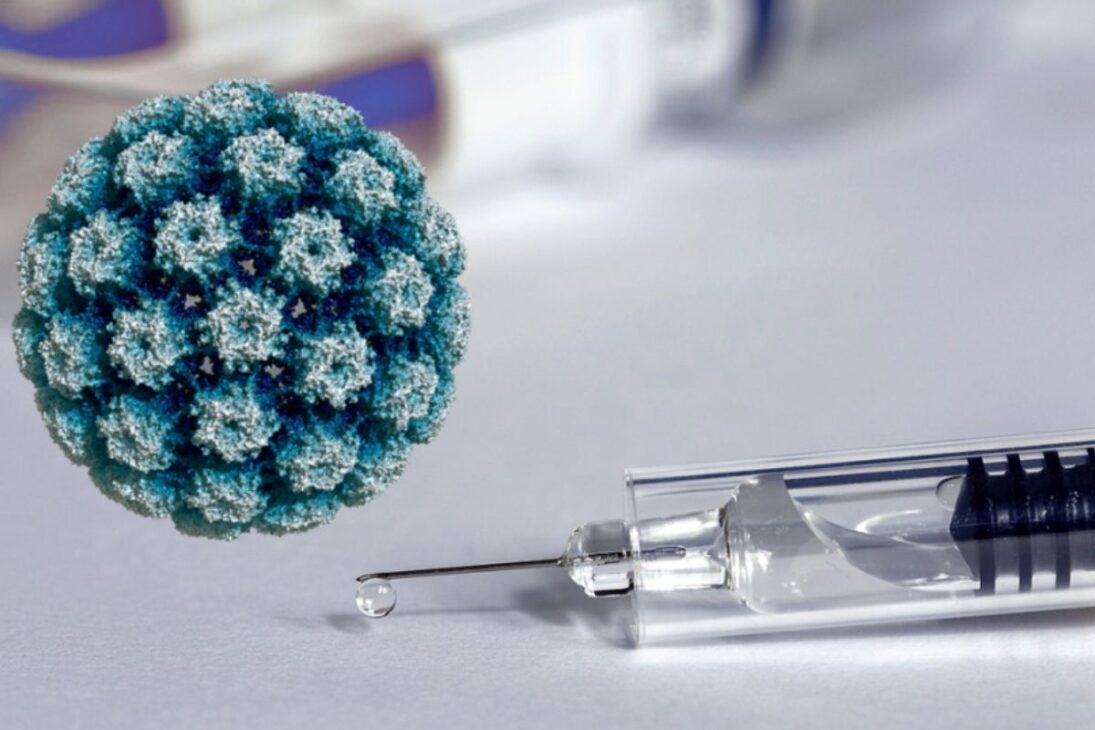
The researchers are hopeful about taking the new formulation to clinical trials in humans in the coming years. If the results are confirmed, we will be witnessing one of the greatest revolutions in the history of medicine.
“We could awaken the immune response of the patient against their tumor. If validated in humans, it will have profound implications for cancer treatment,” concluded Mitchell. The discovery represents a new hope, especially for patients with aggressive tumors or those who do not respond well to current treatments.
What do you think about this new approach? Do you believe that the universal cancer vaccine makes a promising leap toward becoming the main weapon against the disease in the future? Leave your opinion in the comments!






