






 Portuguese
  Spanish


Monumental Structure Will Link Sicily and Calabria With a Span of 3.3 Kilometers, Towers Nearly 400 Meters High, and Capacity to Withstand Earthquakes and Extreme Winds, Becoming a Historic and Strategic Landmark for Italian Infrastructure.
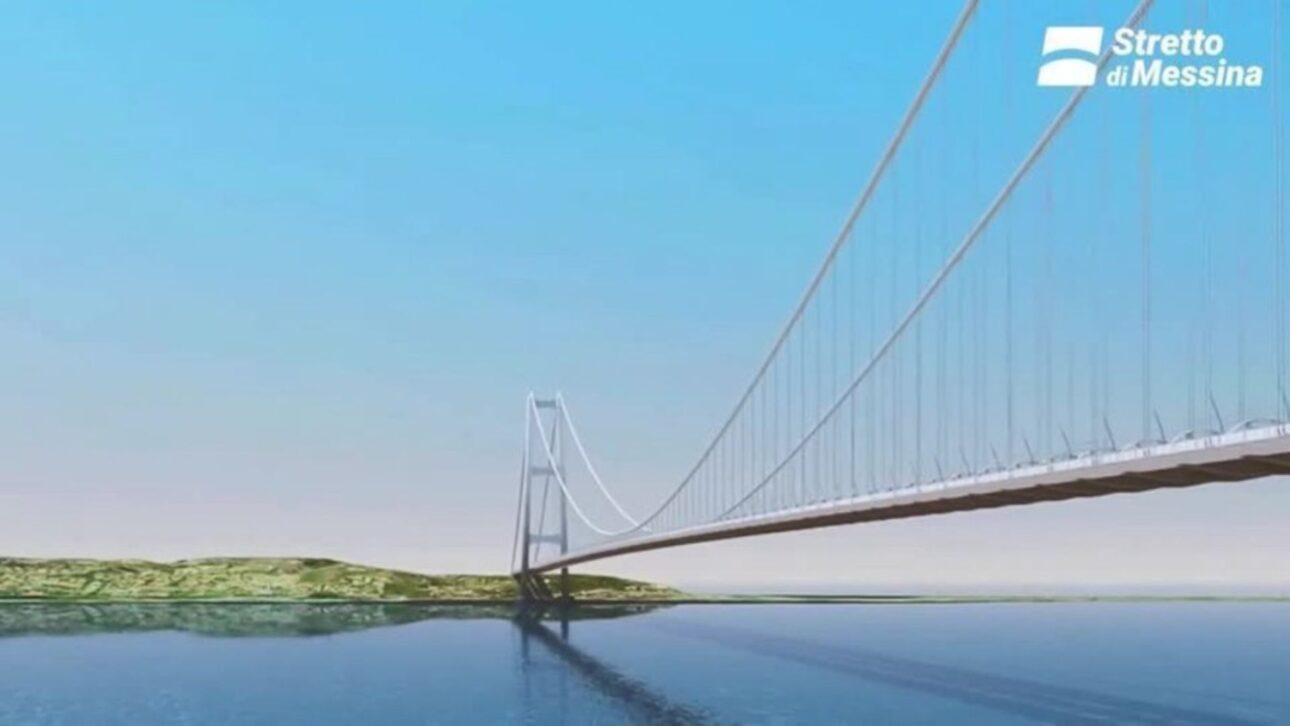
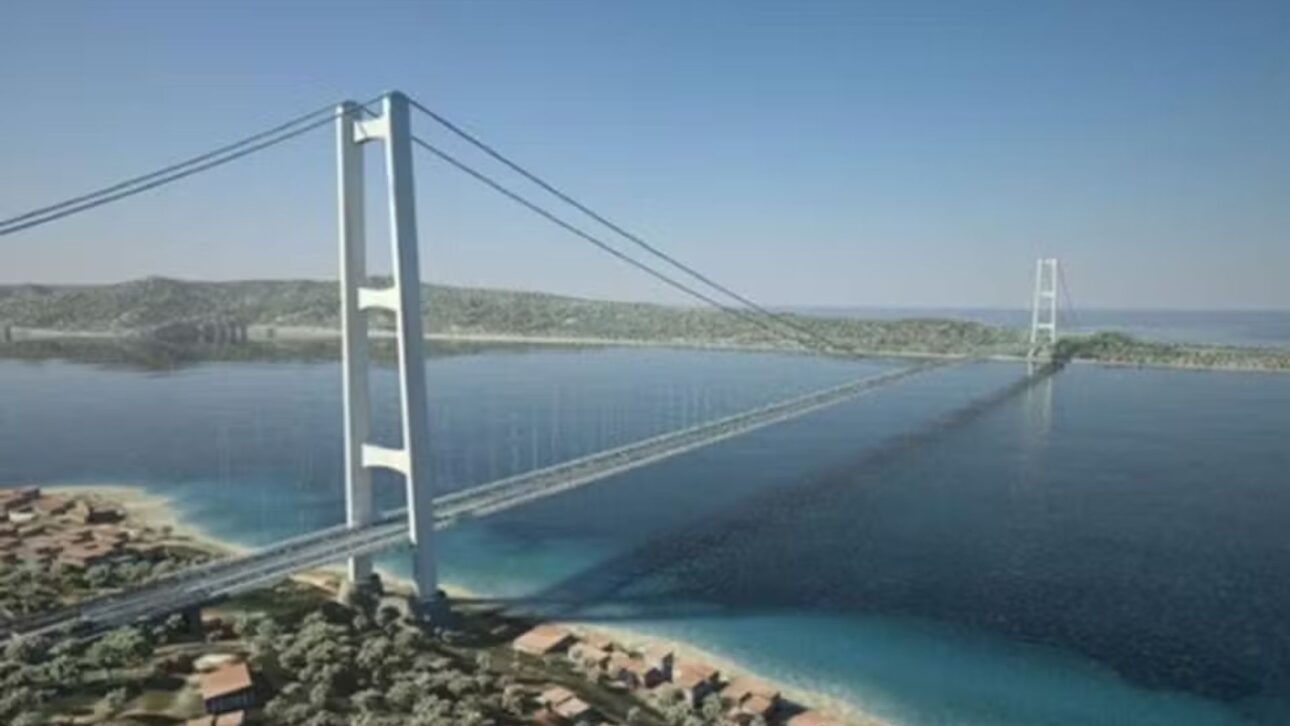
The Italian government confirmed on August 6, 2025, the final approval of the longest suspended bridge project on the planet, with a span of 3.3 km between two towers 399–400 meters tall, connecting Sicily to Calabria across the Strait of Messina.
The estimated public investment amounts to €13.5 billion, with plans to begin preparatory work still in 2025 and completion between 2032 and 2033.
The project revisits a proposal originating in the 1960s, which has gone through advancements and suspensions over the decades, becoming a technical and political symbol of enormous proportions.
-
Controversial 6-day Workweek Elimination in Brazil Faces Economic Criticism Over Productivity Claims

-
Itaú to Refund Customers After 14 Years of Unauthorized Credit Card Charges; Agreement Includes No Interest or Adjustments, Deadline by 2028, with Potential Impact of Up to $6.5 Billion

-
Brazilian Company Grows from Bartering Soap for Food to Producing 30 Million Units Monthly, Challenges Global Giants with $100 Million Revenue and Expands into Premium Cosmetics
-
Petrobras and Engeko’s New Investment Plan Promises Billions and Thousands of Jobs, Capturing Market Attention


Structural Innovation and Dimensions
The central deck will have a total length of approximately 3,666 m and a width of 60.4 m.
It will accommodate six traffic lanes — three in each direction —, two central railway tracks, in addition to service and emergency lanes.
The bridge will be supported by a suspension cable system with an approximate diameter of 1.26 m and a total length of over 5 km.
Each tower will stand 399 m tall, surpassing in boldness and scale any previous structure.
Logistics, Capacity, and Connectivity
It is expected to handle a flow of up to 6,000 vehicles per hour and about 200 trains per day.
The bridge will integrate the Scandinavian-Mediterranean Corridor of the TEN-T (Trans-European Transport Network), connecting the Berlin-Palermo line to other European routes.
Safety and Resilience Engineering
Designed to withstand earthquakes of up to magnitude 7.5 and winds of up to 270 km/h, the construction will feature intelligent continuous monitoring systems.
The site is classified as having a high seismic risk.
The aerodynamic rigidity of the deck and technical tests support its structural viability.
History and Resumptions
The initial idea dates back to before Italian unification.
It was formalized in the 1970s–1990s and went through bidding in 2003, with the Eurolink consortium (Webuild, Sacyr, IHI, Condotte, Itinera).
The project was suspended in 2013 due to financial infeasibility.
In 2023, the government resumed the process with a decree that allowed the reactivation of the concessionaire and the use of the 2011 base project, updated in 2023 and 2024.
In July 2025, technical and financial agreements were made with regional representatives from Sicily, Calabria, the federal government, and operators (ANAS, RFI, Stretto di Messina S.p.A.).
Political and Geostrategic Insights
Prime Minister Giorgia Meloni presents the bridge as a symbol of Italian technical capacity and as crucial for the economic development of the south of the country.
The minister Matteo Salvini highlighted the potential to generate around 120,000 annual jobs and boost the economies of impoverished regions.
The project has been classified as defense infrastructure, aligned with NATO’s goals to increase expenditure to 5% of GDP.
Of this total, 1.5% may be allocated to dual-use infrastructure, given the presence of bases in Sicily.
Opposition and Controversy
Critics question the classification as defense spending, suggesting that alternative investments, such as ports and airports, would be more urgent.
Environmental organizations warn about the impact on migratory bird routes and the fragility of the local ecosystem.
Civic groups also express concern about the possible influence of the mafia in public contracts and the history of cost overruns in monumental Italian works.
Lawsuits are ongoing questioning the transparency, technical applicability, and phased bidding.
Do you believe that the construction of the bridge over the Strait of Messina will really be a transformative engine for southern Italy — or will it follow the pattern of ambitious projects that remained on paper?




Be the first to react!