Portuguese
  Spanish


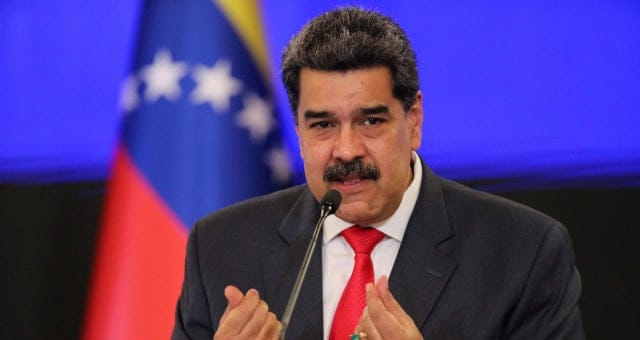

In an Already Complex and Delicate Geopolitical Scenario, an Old Territorial Dispute Takes on New and Unexpected Dimensions. Venezuelan Leader Nicolás Maduro Has Reignited Tensions by Claiming Sovereignty Over the Disputed Region. The Situation Promises to Further Challenge International Relations.
A Long Territorial Dispute in the Essequibo Region, Which Covers 159,500 Square Kilometers and Represents Two-Thirds of Guyana’s Territory, Has Been Reignited by Venezuelan President Nicolás Maduro. The Controversy Dates Back to Colonial Times When Spain and Great Britain Claimed the Territory, Persisting After Venezuela’s Independence in 1830 and Guyana’s in 1966.
Maduro Has Invoked Historical Nationalism to Express Venezuela’s Claim Over the Essequibo, Relying on 19th-Century Claims. Recently, Venezuela Approved a Popular Referendum on the Annexation of the Territory with 95% Public Support. The President Stated: “We Have Taken the First Steps of a New Historical Phase of Struggle for What is Ours and Recovery of What the Liberators Left Us: Guayana Esequiba.”
Beyond the Historical Issue, the Region is Strategically Valuable Due to Natural Resources Such as Oil, Gold, and Minerals, and Its Geographical Location, Which Provides Access to the Atlantic Ocean. Experts Point Out That Maduro’s Insistence May Be a Strategy to Strengthen Nationalist Sentiment in Venezuela, Which Faces Severe Economic and Political Crises, Diverting Public Attention to an External Issue and Consolidating His Internal Power.
-
Qantas and Airbus Invest in Company Aiming to Convert Unsorted Household Trash into Jet Fuel

-
Brazil’s ANP Opens 86 New Oil Blocks in the Equatorial Margin, Expanding the Amazon River Mouth Frontier

-
OPEC+ Boosts Oil Supply by 188,000 Barrels per Day in July 2026, Leading to Price Drop from $112 to $89 per Barrel in Under Two Months

-
TotalEnergies Signs 20-Year Deal to Purchase 2 Million Tons of LNG from Alaska, Boosting Project Viability

The International Community Has Been Watching the Developments of This Dispute with Caution, While Guyana Has Been Seeking Diplomatic Solutions, Appealing to the United Nations and the International Court of Justice for Resolutions to the Conflict.
Source: MoneyTimes