






 Portuguese
  Spanish




The Bronze Sculpture at 18 Meters Depth Brings Together Faith, History, and Diving, Becoming a Unique Attraction Preserved Annually in the Mediterranean
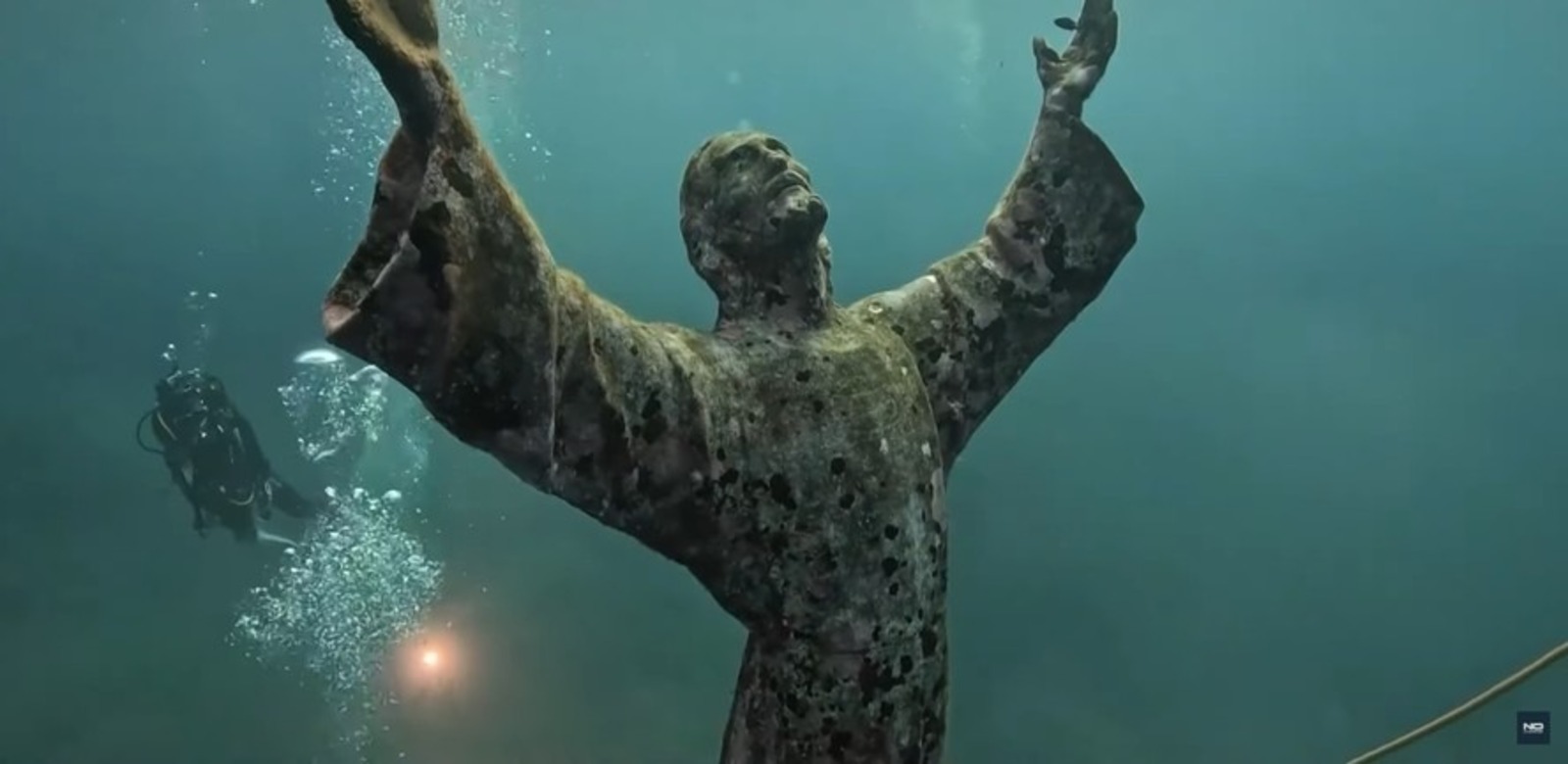
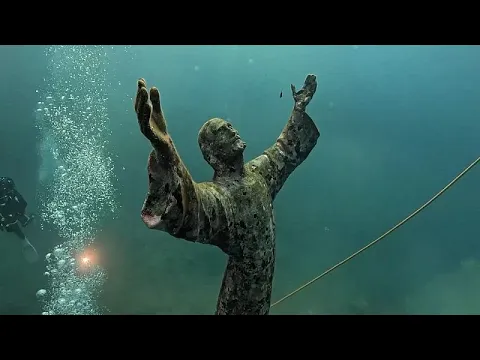
A submerged statue of Jesus Christ rests at almost 18 meters deep off the northern coast of Italy. The monument, known as “Christ of the Abyss,” is visited by divers and undergoes annual cleaning to preserve its structure.
The bronze of the work could give the impression of being just a forgotten object, but in reality, it is a historical and religious icon. Installed in 1954, it honors those who lost their lives at sea.
Origin of the Sculpture
The idea came from Duilio Marcante, a diver and a reference in training new practitioners of the sport.
-
Bruno Guimarães, 28, Misses Crucial Penalty Against Norway in World Cup After Replacing Vinicius Jr.

-
Inspired by a school lesson on Africa’s water crisis, a young boy raised money through chores to fund a well that transformed a Ugandan community.

-
Brazilian Construction Worker Moves to France, Earns Up to €2,500 Monthly with Home Renovations, Gains Social Media Attention

-
US Navy Sinks USS Oriskany with 230 kg of C-4, Creating World’s Largest Artificial Reef in 37 Minutes




Marcante wanted to pay tribute to Dario Gonzatti, a pioneer of diving with modern equipment, who died in 1947 during tests.
The sculptor Guido Galletti accepted the challenge and created a piece approximately 2.5 meters tall. Christ appears in a position of offering, with arms raised.
To produce the statue, metals from ships, cannons, trophies, and medals were used.

Installation on the Seabed
To prevent the monument from moving with the currents, the base was reinforced with a layer of cement.
In 1954, Marcante and other divers participated in the installation, laying flowers around the sculpture.
The choice of location was not random. The Ligurian coast has a maritime tradition, and thus housing Christ there represented a symbol for all who depend on the sea.
Conservation Challenges
Being in an ecosystem rich in marine fauna, the statue requires frequent maintenance. Until 2004, cleaning was done with metal brushes, but the method caused scratches and damage.
On one occasion, one of Christ’s hands came off and needed to be reattached.
After that, the Italian police began using pressurized water guns. The technique removes algae, crustaceans, and bacteria without harming the bronze or the marine environment.
A Spectacle for Divers
According to art historian Alessandra Cabella, the activity does not generate environmental impact. She emphasizes that the fish seem to come closer to watch the process.
This way, the cleaning also becomes a visual experience for those observing.
The most recent filming, recorded on August 19, shows divers in action removing accumulations of organisms that cling to the piece.
Expansion of the Idea
The success of the Italian sculpture inspired replicas in other regions. One of them was installed submerged in Key Largo, Florida, attracting tourists and divers. Another version, fixed on solid ground, can be found in Grenada.
Despite the copies, the original remains the most prestigious. It is considered one of the most well-known diving destinations in the Mediterranean, receiving visitors from various countries.
Statue at the Seabed: Between Faith and Tourism
The “Christ of the Abyss” unites religious symbolism, art, and contact with marine nature. Because it has become a meeting point between spirituality and adventure, it continues to attract those seeking more than just a diving experience.
Every year, the monument renews its significance by being preserved through careful techniques. Therefore, the statue remains firm on the seabed, reminding both of the lives lost and the cultural strength of the region.
With information from Galileu Magazine.





Deixa Poseidon ficar sabendo.