Portuguese
  Spanish


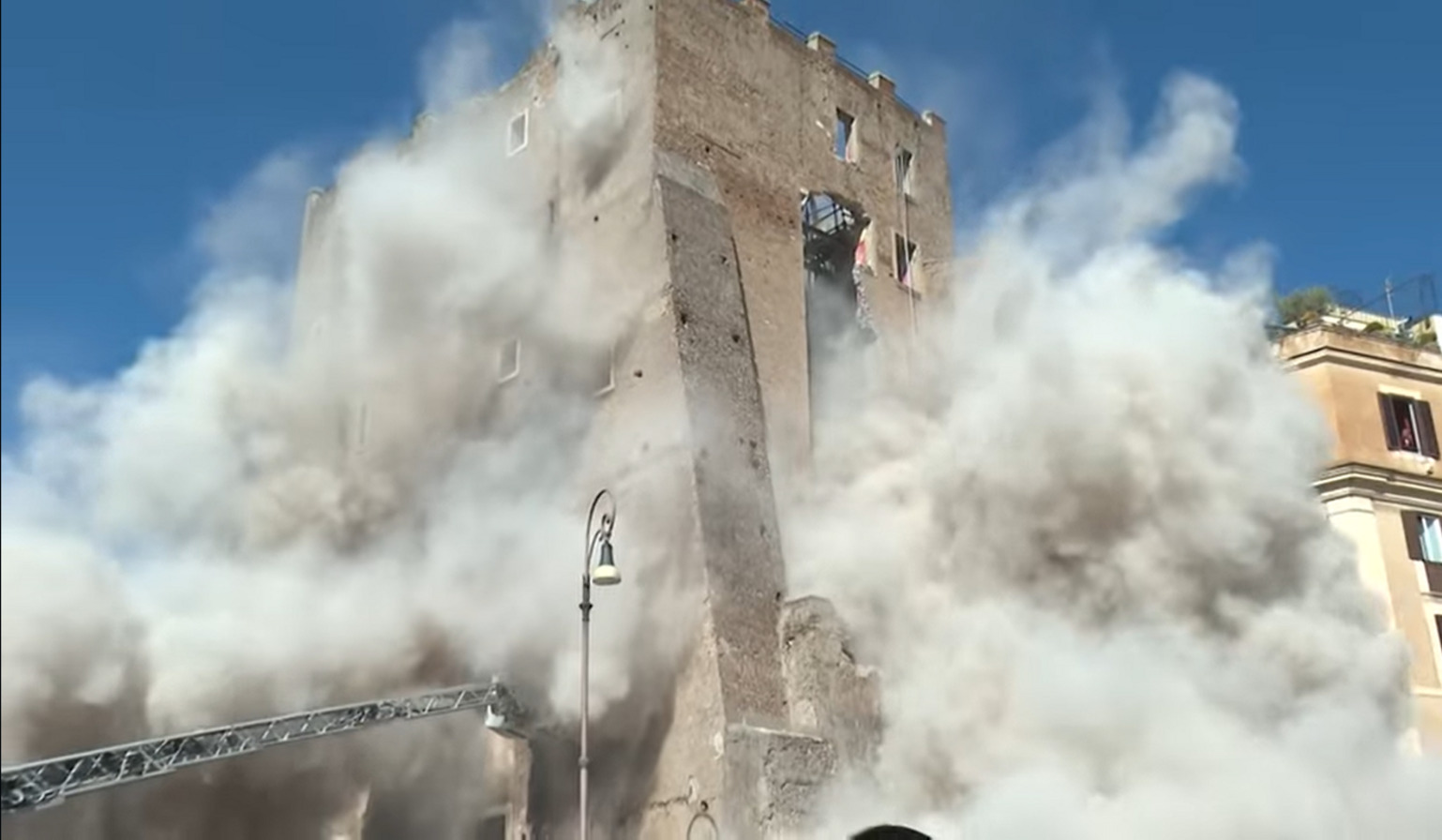


The Torre dei Conti, one of the oldest medieval structures in Rome, partially collapsed again during restoration work, leaving three workers injured and mobilizing rescue teams near the Colosseum. The building, closed since 2006, was undergoing renovation as part of an urban revitalization project
A thick column of dust engulfed the center of Rome on Monday (3), after part of the Torre medieval dei Conti collapsed during restoration work. The structure, located near the Colosseum, had been under renovation since 2020 and was experiencing a second partial collapse.

Workers Injured By Debris
Three workers were injured in the incident. One was taken to the hospital with serious injuries, while the other two declined treatment after sustaining minor injuries. The information was released by the Italian agency Ansa.
Rescue Teams Acted Quickly
According to the spokesperson for the Fire Department, Luca Cari, teams worked to rescue a person who was trapped under the debris.
-
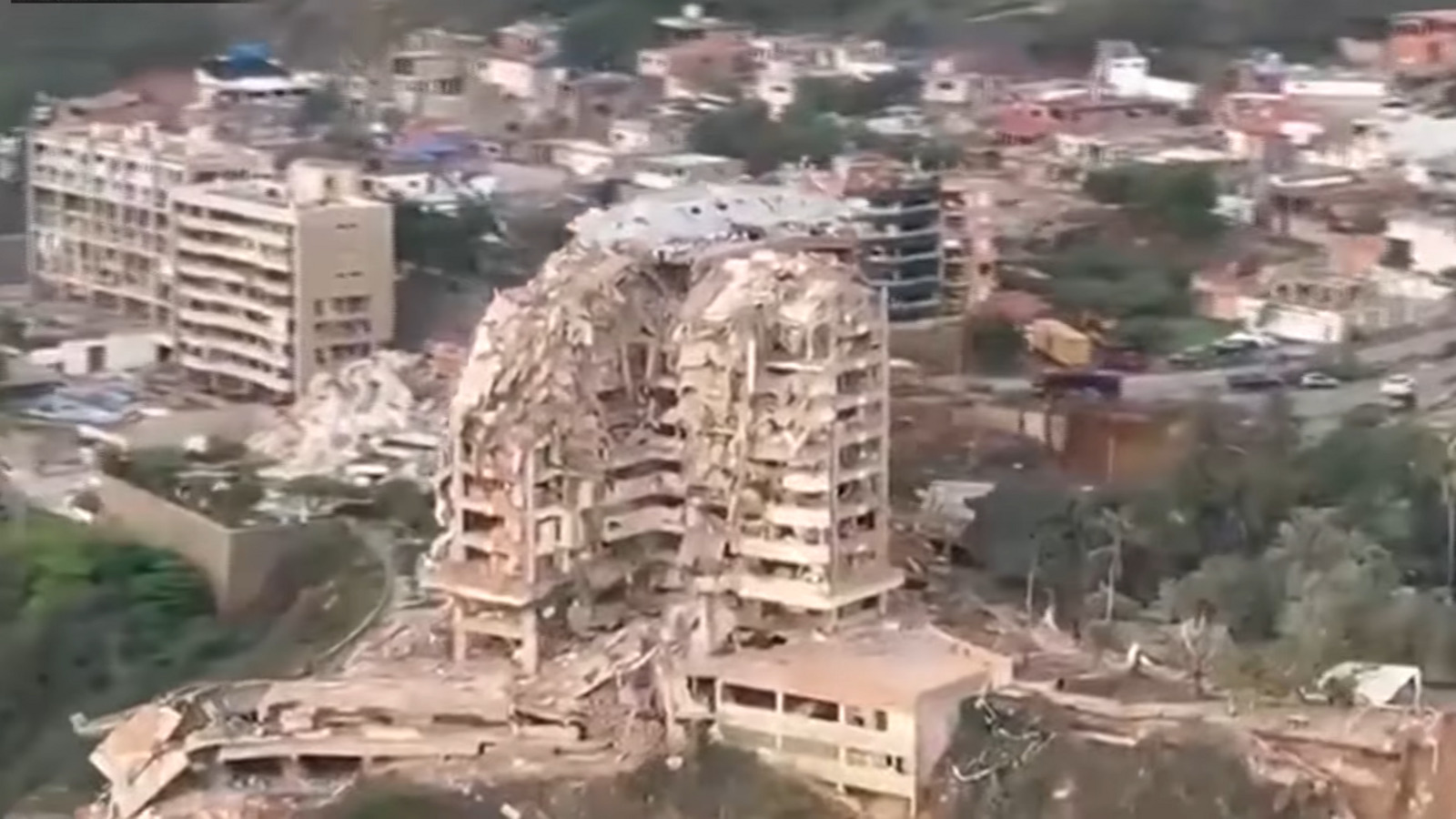
12-Year-Old Girl Survives Over a Day Trapped in Rubble After Devastating Venezuela Earthquake, Credits Ketchup, Cheese, and Hope

-
Venezuela Earthquakes: 1,430 Dead, Widespread Destruction, and International Task Force Deployed for Survivors
-
Magnitude 6 Earthquake Strikes Afghanistan, Notable Detail Emerges as Tremor Reaches Pakistan
-
Beijing Investigates Possible Collision After Smoke and Debris Seen Near City’s Tallest Building, Citic Tower.


The area was cordoned off, and pedestrian traffic was halted to ensure safety as the risk of further collapses was not ruled out.
Monument Closed For Nearly Two Decades
Standing 29 meters tall, the Torre dei Conti is located on Via dei Fori Imperiali, the street that connects Piazza Venezia to the Colosseum.
The building has been closed since 2006, but was part of a four-year revitalization plan slated to be completed next year.
Symbol Of Papal Power
Erected in the early 13th century by Pope Innocent III, the tower was built to house his family and is considered one of the last symbols of medieval architecture still preserved in the heart of Rome.