Portuguese
  Spanish


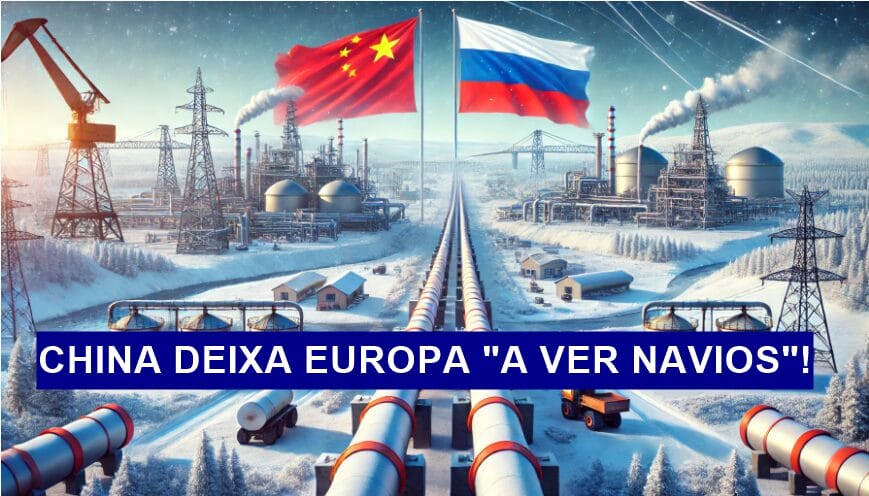

China Solidifies Its Position as the Main Destination for Russian Natural Gas, Surpassing Europe in 2024, After the War in Ukraine Reconfigures the Global Energy Market.
In recent years, the global energy landscape has undergone significant transformations, with China surpassing Europe as the largest gas market for Russia.
This shift was accelerated by the war between Russia and Ukraine, which forced Moscow to redirect its natural gas exports.
While Europe seeks alternatives to replace Russian gas, exports to China have grown considerably, solidifying the Asian country as the new major client of Gazprom.
-
The Arctic is no longer just a frozen region and is becoming a new military board with the opening of maritime routes, expansion of bases, nuclear icebreakers, and competition among Russia, NATO, the United States, and China.

-
U.S. Dismisses Brazilian Foreign Ministry’s Military Risk Warning as “Absurd,” Cites Brazilian Criminal Gangs Operating in the U.S. Since May 2026
-
Ukraine War Impacts Brazilian Fuel Supply: Russian Diesel Imports Drop 65% in June, Brazil Turns to US and India Amid Market Concerns

-
Chinese Nuclear Submarine Launches Simulated Warhead Missile in Pacific, Heightening Regional Tensions Amid Naval Drills with Russia Near Qingdao; New Zealand and Papua New Guinea Warn of Persistent Chinese Military Presence


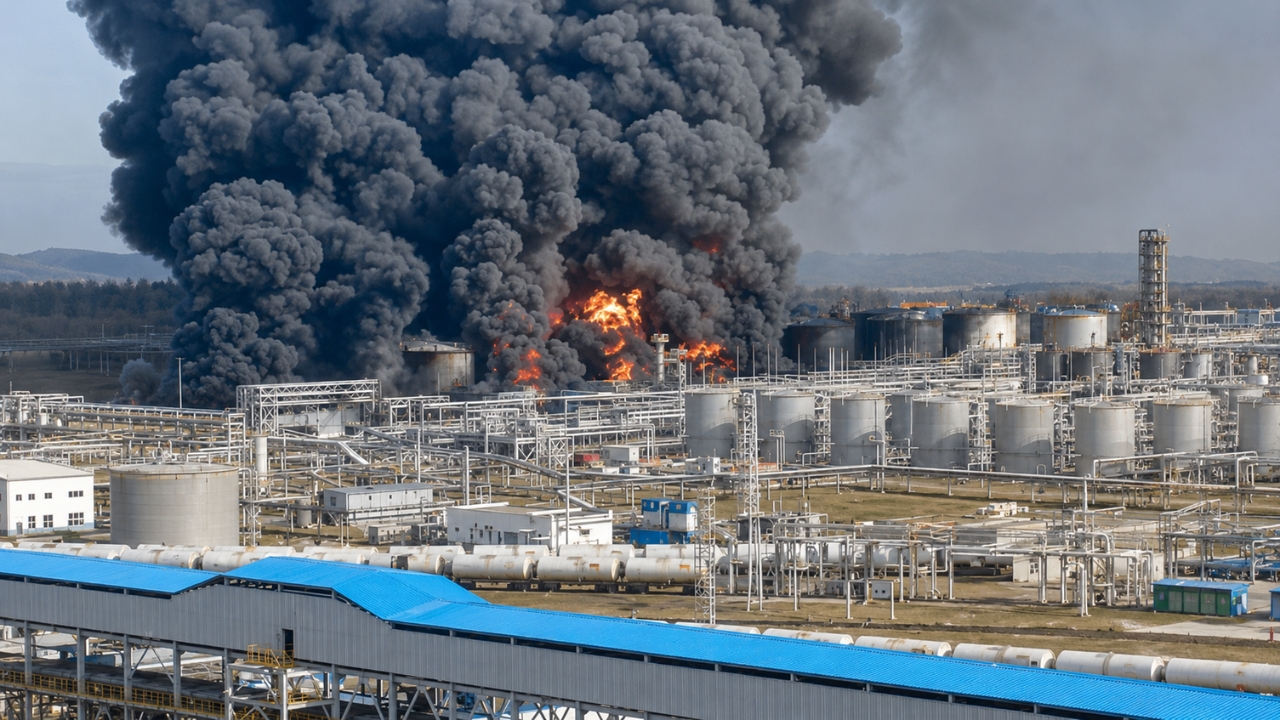

The Growth of Natural Gas Exports to China
Russian gas exports to China are growing rapidly.
In the first nine months of 2024, Gazprom exported 23.7 billion cubic meters of natural gas to China, an increase of nearly 40% compared to the same period in 2023.
This figure surpasses the 22.5 billion cubic meters sent to the rest of Europe.
This change in destination for Russian exports occurs amid a reduction in gas flows to the European market, a direct consequence of the sanctions imposed on Russia after the start of the war in Ukraine.
Gazprom now sees China as an increasingly important customer, reinforcing the mutual dependence between the two countries in the energy sector.
The Strategic Role of the Power of Siberia Pipeline
One of the main factors that enabled the increase in Russian exports to China was the Power of Siberia pipeline, inaugurated at the end of 2019.
With a capacity to transport up to 38 billion cubic meters per year, this pipeline has been vital to ensure the continuous flow of natural gas between the two countries.
Moreover, Gazprom and the China National Petroleum Corporation (CNPC) recently signed an agreement to increase daily gas flows, anticipating reaching the maximum contracted capacity by December 2024. This demonstrates the long-term commitment between Russia and China in the energy sector.
Expanding Chinese Demand
The demand for natural gas in China has been showing continuous growth, mainly driven by the industrial sector.
According to estimates by the International Energy Agency, gas consumption in China is expected to increase by 8% in 2024, with a focus on industries, but also with significant contributions from the residential and power generation sectors.
This rise in demand reflects China’s effort to diversify its energy sources, seeking greater reliability in supply and reducing its dependence on coal.
Natural gas is seen as a cleaner energy source, aligned with the country’s environmental goals and emission reduction targets.
Impact of the War in Ukraine on the Gas Market
The war in Ukraine had a profound impact on the European natural gas market. Prior to the conflict, Russia was the main gas supplier to the European Union.
However, the sanctions imposed on Russia and European efforts to reduce dependence on Russian gas have drastically altered this relationship.
Several European countries, such as Germany and France, began seeking alternatives, including liquefied natural gas (LNG) from other suppliers like the United States and Qatar.
Gazprom, on the other hand, has intensified its trade ties with China, redirecting large volumes of gas to the Asian country.
End of the Transit Agreement with Ukraine
Another factor that may further exacerbate the gas supply situation in Europe is the impending end of the gas transit agreement between Russia and Ukraine, set to expire in December 2024.
With the termination of this agreement, about half of the gas flows to Europe are at risk of being interrupted, creating uncertainties about supply on the continent.
Negotiations to find alternatives are underway, with Azerbaijan emerging as a possible solution to replace part of the Russian gas. However, an agreement still seems distant, and the time to secure Europe’s supply is running out.
Russia’s New Energy Reality
With the reduction of gas exports to Europe and the increase of shipments to China, Russia is reconfiguring its energy strategy.
Gazprom, which previously had Europe as its main market, is now looking eastward. Although the volumes exported to China still represent a fraction of what was sent to Europe before 2022, the trend is for continuous growth in sales to the Chinese market.
The Power of Siberia, in addition to its current capacities, will also be expanded in the coming years, with the addition of a route from the Far East expected by 2027, which should add another 10 billion cubic meters annually to Russian exports to China.
Final Considerations
China has surpassed Europe as the largest market for Russian gas, a transformation with profound geopolitical and economic implications.
The increase in gas exports to China reflects the new energy reality faced by Russia, which needs to redirect its resources after losing the European market due to the war in Ukraine.
With growing Chinese demand and the expansion of infrastructures, such as the Power of Siberia pipeline, the energy relationship between Russia and China is stronger than ever.
However, Europe faces the challenge of finding new energy sources and reducing its vulnerability to disruptions in gas supply.
This new configuration of the global energy market will continue to influence political and economic decisions in the coming years, as nations adjust their strategies to ensure energy security and deal with geopolitical pressures.
- Information via Bloomberg News