Portuguese
  Spanish


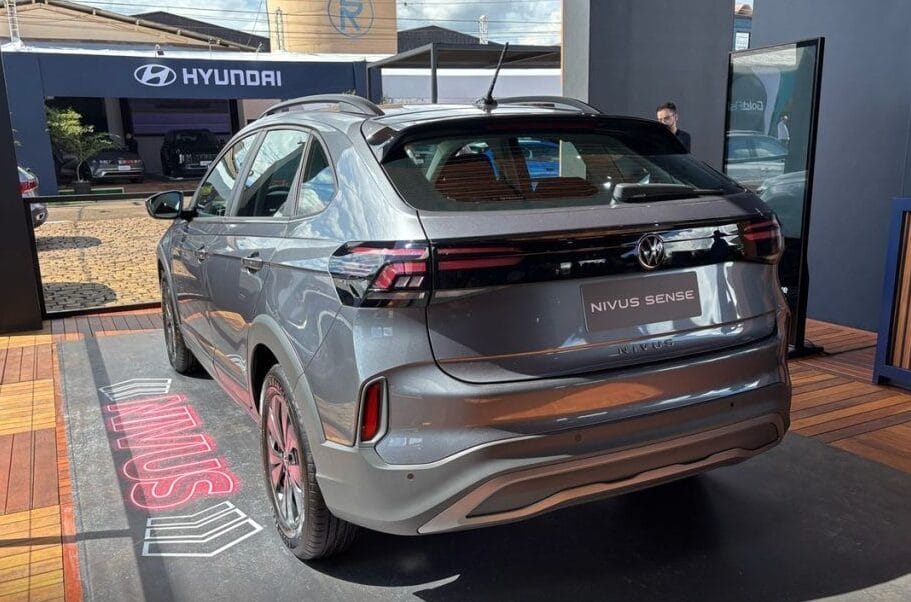

Volkswagen Reveals New Options for the Nivus 2026, Offering a More Affordable Version Without Compromising Performance. Discover the Changes in Design and Features of This Special Edition.
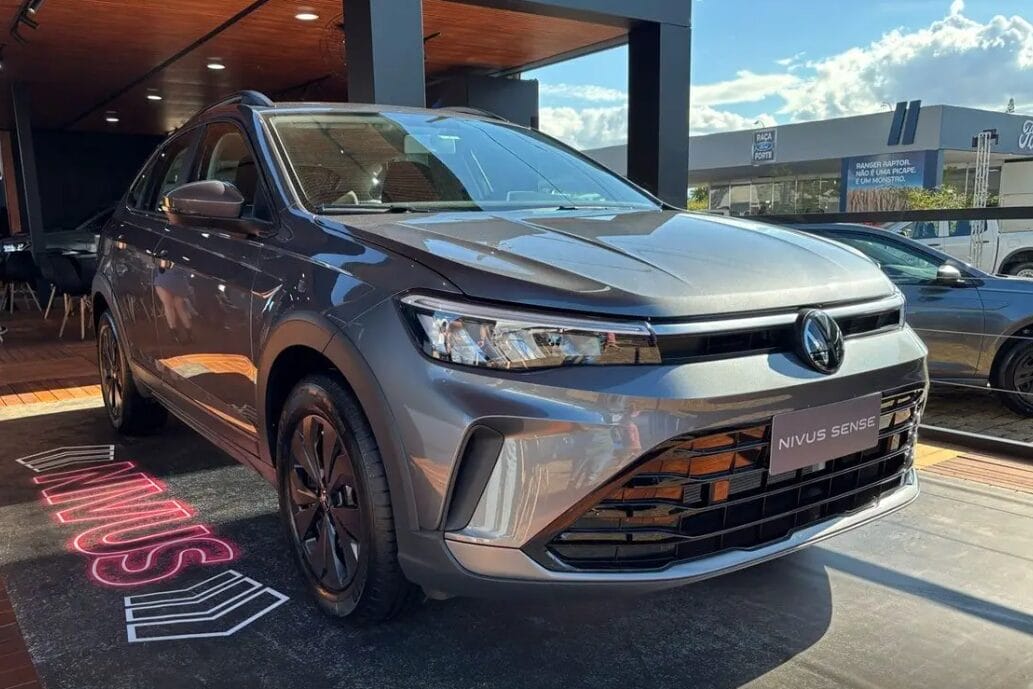
The Volkswagen Surprised the Automotive Market by Launching a More Affordable Version of the Compact SUV Nivus for the 2026 Lineup, Named Sense.
The new model arrives at Brazilian dealerships with a starting price of R$ 119,990, representing a significant reduction compared to the previous entry-level version, the Comfortline, which cost R$ 143,490.
The difference of R$ 23,500 in the final price stands out, but it also brings some important changes in the list of equipment and the vehicle’s finish.
-
Sales of Brazil’s Cheapest Electric Car Halted Before First Deliveries: E-Motors Suspends Emova Easy Due to Import Tax Increase and Rising Freight Costs

-
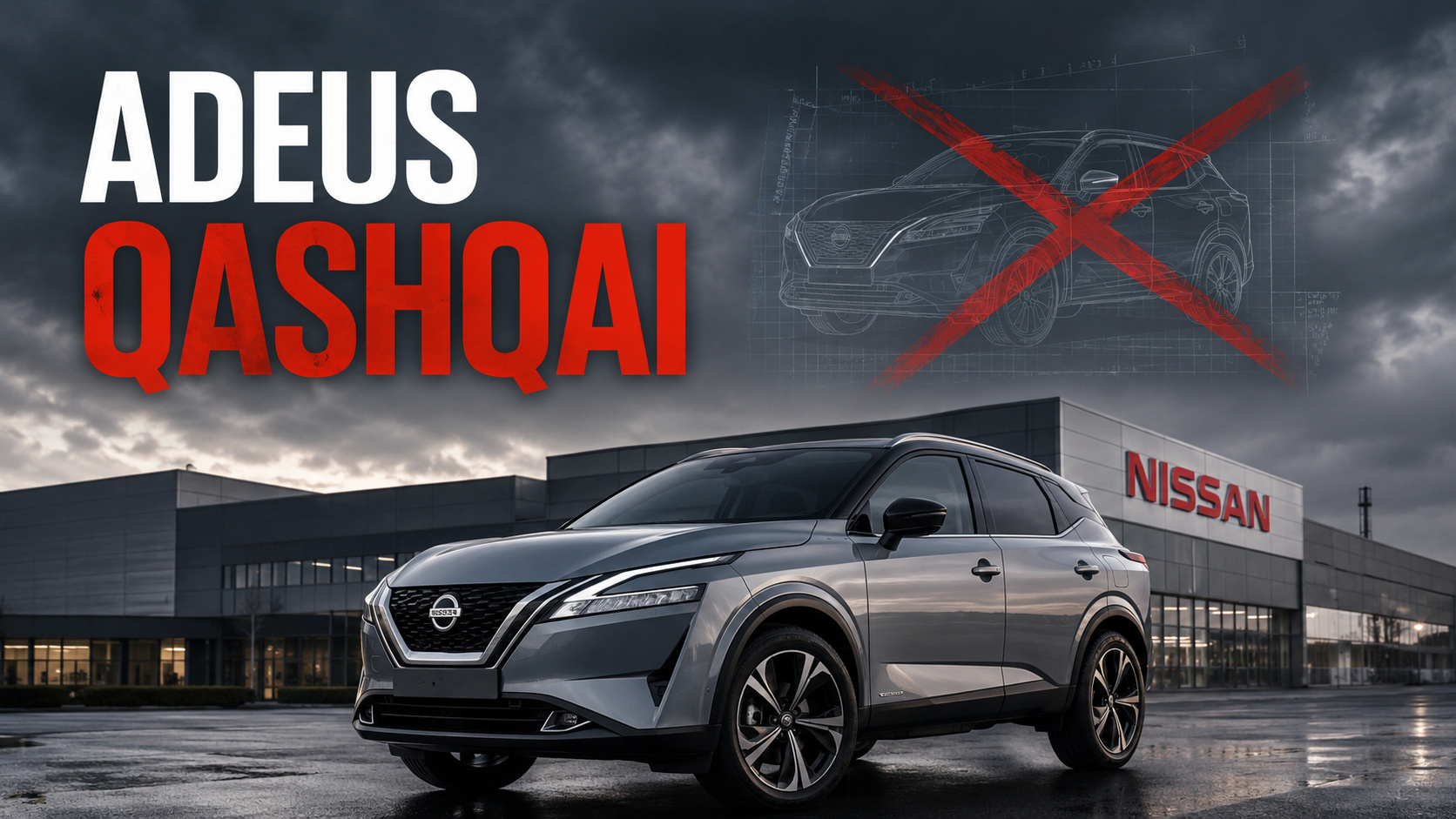
Nissan Discontinues Qashqai SUV Amid Cost-Cutting, Chinese Competition, and Product Line Review

-
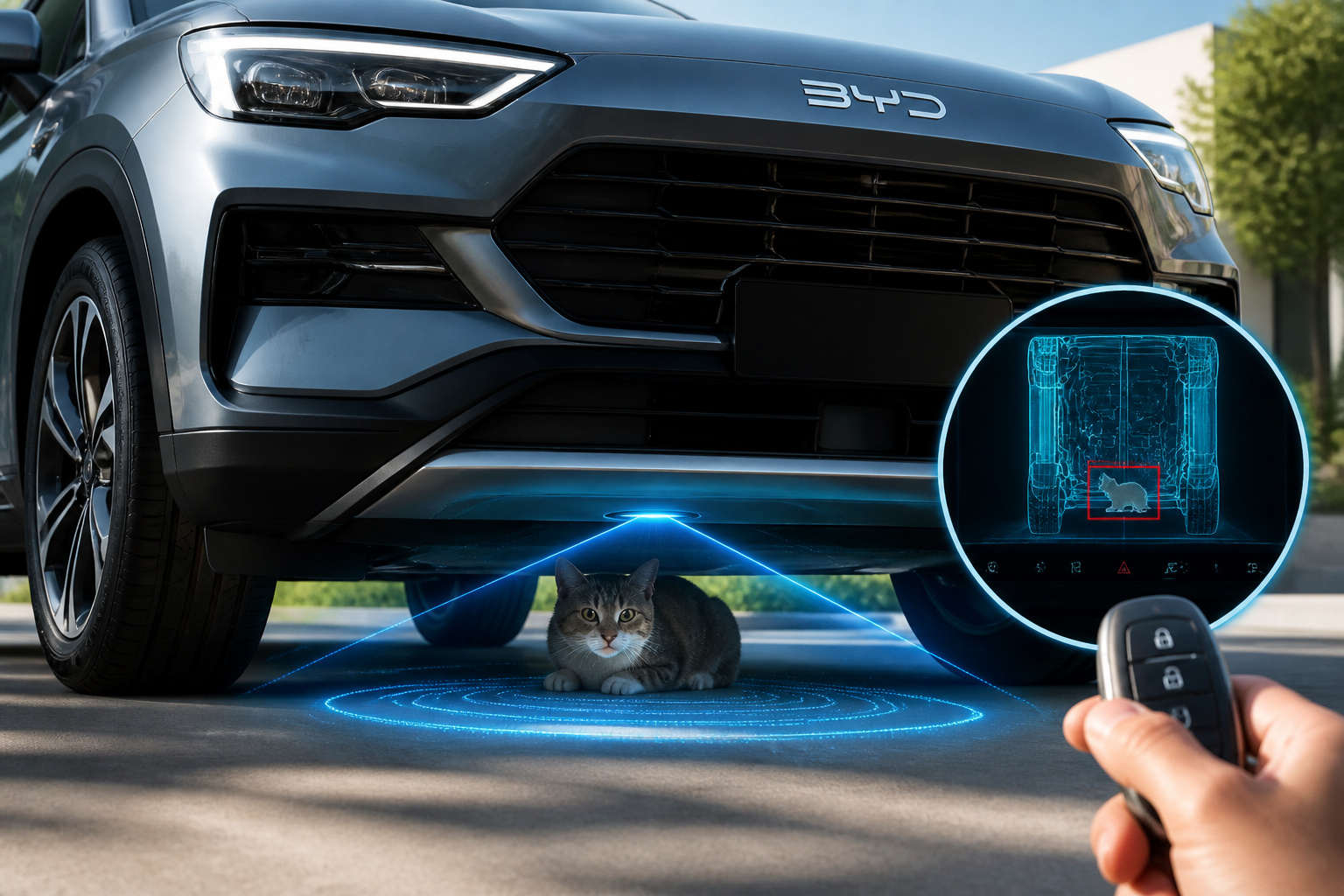
BYD Patents Revolutionary System Using Computer Vision to Detect Animals Under Cars Before Starting, Preventing Tragedies

-
Study Reveals Why Cars Are More Expensive to Produce and Buy in Brazil Compared to Mexico, Highlighting Taxes, Logistics, and Industrial Costs as Key Factors.


The German automaker’s strategy aims to broaden the reach of the Nivus, offering a more budget-friendly option for consumers who want to enter the SUV segment without compromising mechanical performance.
The Sense version comes with the same turbo 1.0 200 TSI engine of up to 128 hp with ethanol and a six-speed automatic transmission, ensuring good performance in urban daily driving and on highways.
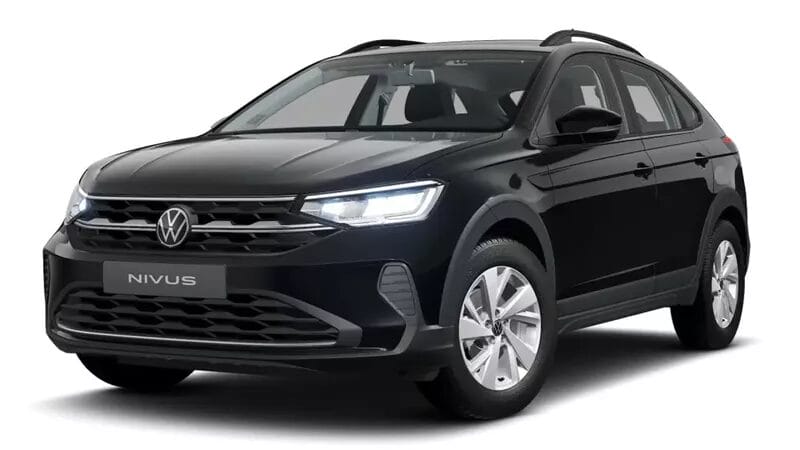
Sense Version Bets on Cost-Benefit
To achieve a more competitive price, Volkswagen had to cut some comfort and technology items present in the higher versions.
Among the missing features are digital air conditioning, wireless phone charging, and a rearview camera. Instead of the camera, the Sense only has rear parking sensors.
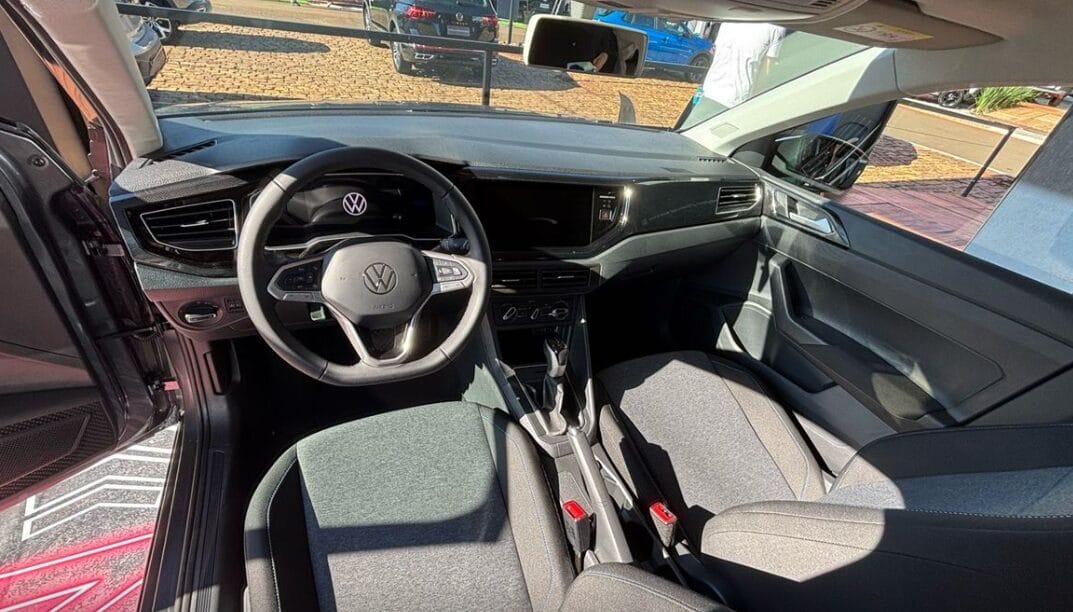
The interior finish also underwent simplifications, with more uniform materials and fewer visual details, reflecting the version’s focus on offering a more straightforward cost-benefit ratio.
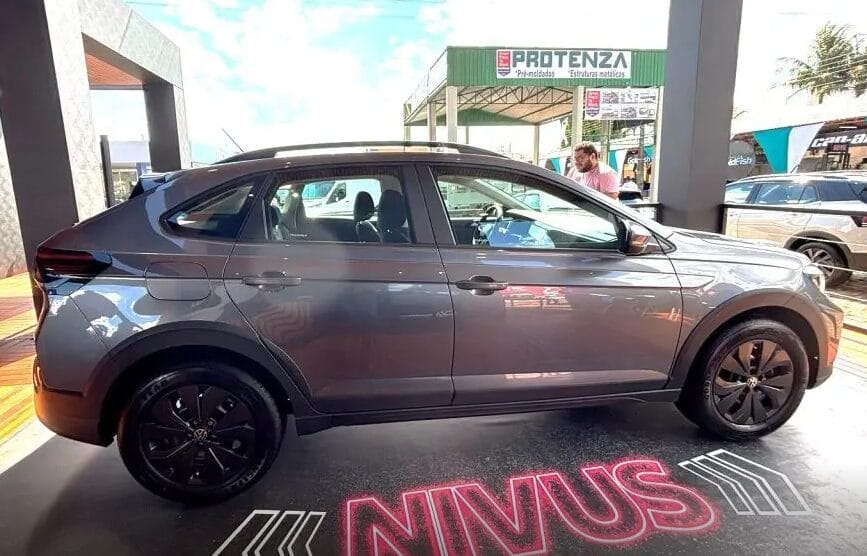
On the exterior, one of the most noticeable changes is the replacement of alloy wheels with wheel covers featuring a 16-inch rim.
Additionally, the decorative bar that connects the taillights has been removed, giving the rear an even simpler look.
Another aspect to consider is the absence of advanced safety features such as ACC (Adaptive Cruise Control) and automatic post-collision braking system, which are only available in the more complete versions of the Nivus.

Mechanics Remain the Same
Despite the reductions in comfort and safety items, the mechanical setup remains identical to the more expensive versions.
The 1.0 200 TSI engine, which already equips other versions of the Nivus as well as the Polo and T-Cross, delivers up to 128 hp with ethanol and 116 hp with gasoline.
The acceleration from 0 to 100 km/h takes about 10 seconds with ethanol, a respectable time for a compact SUV.
The six-speed automatic transmission offers smooth gear changes and good response in different types of driving, maintaining the driving feel already known to the brand’s fans.
The tires used are of the size 205/60 R16, the same size as the higher versions, which helps maintain stability and comfort while driving.
The trunk, with a capacity of 415 liters (VDA standard), remains one of the Nivus’s strong points, offering generous space for the category.
Market Strategy Targets New Audiences
With the introduction of the Sense version, Volkswagen aims to compete more aggressively in the compact SUV segment, which continues to thrive in Brazil.
Models like Hyundai Creta, Chevrolet Tracker, Fiat Pulse, and even the T-Cross compete for the attention of consumers seeking a utility vehicle at a more accessible price, without sacrificing modernity.
The arrival of this new configuration of the Nivus also responds to a market trend that has been valuing leaner entry-level versions, yet with an attractive design and good engine performance.
In times of high inflation and tighter credit, offering options below R$ 120,000 can be an important selling point.
According to the automaker itself, the Sense version is designed for those who want a car with a modern look, efficient engine, and brand reliability, but without necessarily investing in many technological features.
This is an interesting move that can increase the model’s penetration in regions where price is still the decisive factor at the time of purchase.
Complete Versions Remain Available
It’s worth noting that the more complete versions of the Nivus, such as the Comfortline and Highline, remain in Volkswagen’s portfolio.
They offer a more robust package of equipment, including a digital dashboard, VW Play multimedia center with a 10-inch screen, digital air conditioning, adaptive cruise control, automatic braking, and lane-keeping assist.
For consumers prioritizing technology and driving assistance features, these versions remain the most recommended options.
However, with the arrival of the Sense, the Nivus also appeals to an audience that previously might have considered the model outside their budget range.
Industry experts point out that Volkswagen’s move aligns with a global trend of expanding product ranges focusing on affordable prices without compromising the driving experience.
Competing automakers are also adopting similar strategies, offering simplified versions to make SUVs more accessible.
Updates and National Production
Produced at Volkswagen’s factory in São Bernardo do Campo (SP), the Nivus is a model developed in Brazil and exported to several Latin American and European countries.
It was the first car from the VW Group worldwide to be entirely conceived digitally, with a strong focus on Brazilian engineering.
Since its launch in 2020, the Nivus has stood out for its coupe design, embedded technology, and good fuel efficiency.
The Sense version, therefore, represents a new chapter in the model’s history, reinforcing its position as one of the automaker’s bets in the national market.
By April 2025, the model will be available at dealerships across the country, and can be reserved through Volkswagen’s official website or at any authorized dealer.
The expectation is that it will become one of the best-selling versions, especially among app drivers, small families, and young people acquiring their first SUV.
And you, what do you think of the new, more affordable version of the Nivus? Do you believe it’s worth investing in fewer comfort items to have a brand-new SUV for under R$ 120,000? Share your opinion below!