






 Portuguese
  Spanish
  4 min of reading
  0 comments


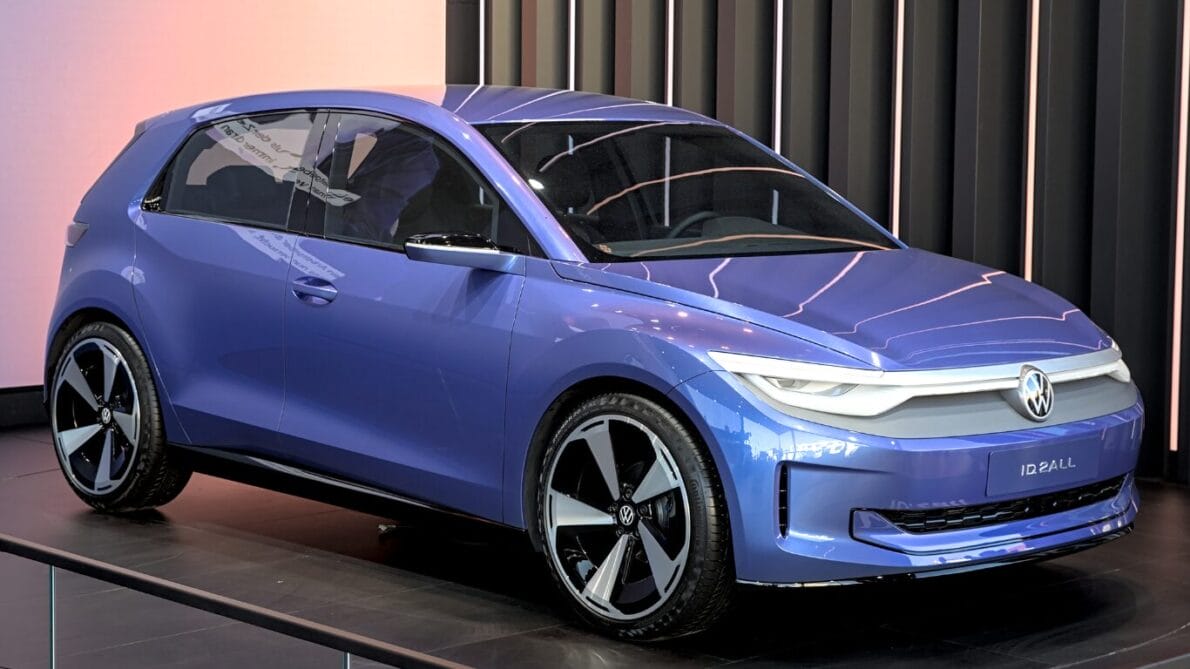
The New Electric Hatchback From Volkswagen Promises to Mix Nostalgia With Cutting-Edge Technology and Compete With the Best in the Market!
Despite the slowdown in sales and the return to combustion engines, Volkswagen is excited and it’s not about the Golf. The real excitement for the German automaker is the ID.2, confirmed for 2025. This compact electric hatch is set to rival the Peugeot e-208, promising a design that goes beyond the initial concept, according to automotive news.
The Volkswagen Design Vision for the ID.2
According to Andreas Mindt, head of design at Volkswagen, the production version of the ID.2 will exceed the expectations set by the concept. In an interview with Autocar, Mindt stated: “It’s even better [than the concept]. I really like it and it’s one of the reasons I’m so optimistic about our future.”
Mindt further explained that the feedback on the concept was extremely positive, which drove the production decision. “There was a lot of favorable wind for the production version. I almost had to force everyone around me, saying: ‘Look at the feedback. We have to turn this design into reality. No matter what they say, save money, whatever – I want this design.”, he added.
-
Uber Faces Shareholder Scrutiny as Board Accused of Ignoring Safety, Compliance, and Harassment Warnings Amid Over 3,500 U.S. Lawsuits

-
Ferrari’s First Electric Car Divides Fans, Priced at $630,000, Amid Concerns Over Limited Editions; Brand Clarifies It’s Not Just for Future Perks
-
BYD Dolphin Mini: The Electric Car That Defies Depreciation, Losing Only 3.58% in a Year and Becoming the Best-Selling Retail Model Under $22,000

-
Electric Car JAC E-JS4 Loses $19,000 in Value in One Year, Leading Record Depreciation of Used Cars in Brazil Due to Expensive Battery and New Models


A Compact Electric Hatch With Impressive Specifications
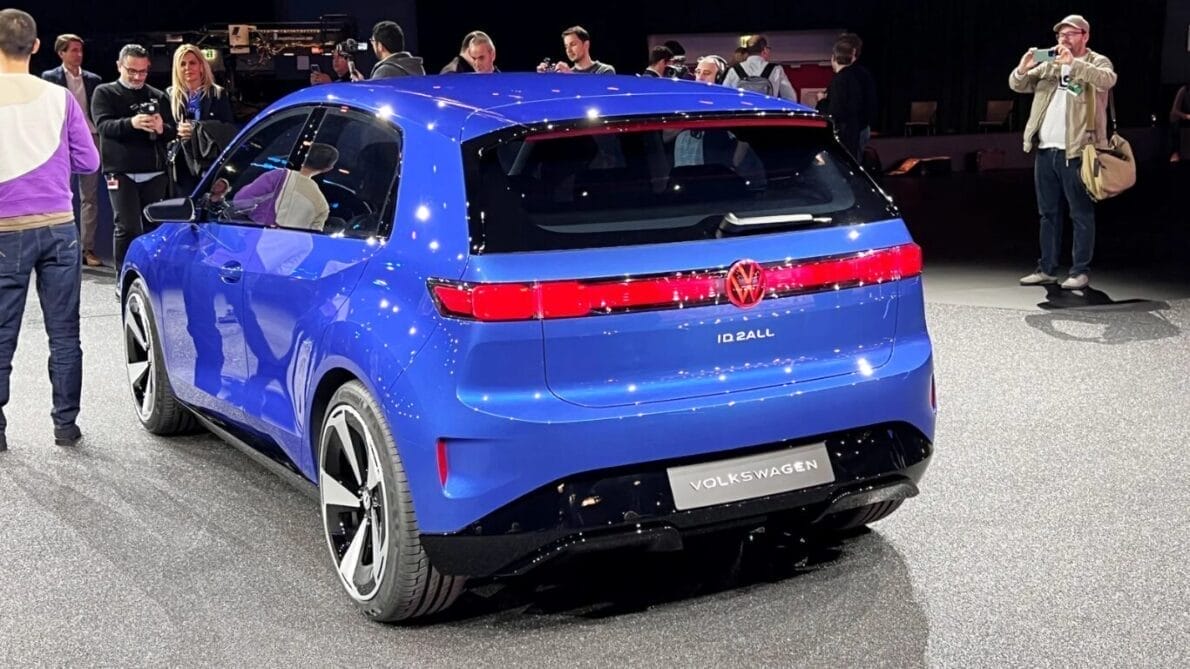
Measuring 4.05 meters in length and with a wheelbase of 2.6 meters, the ID.2 will be the electric equivalent of the Polo. It will feature a dual trunk with a capacity of 490 liters, which can be expanded to 1,330 liters. Despite its modern appeal, the ID.2 retains Volkswagen’s recognizable aesthetics, although some may find the taillights a bit unconventional.
The ID.2’s architecture will be based on the MEB Entry platform, a compact version of the modular MEB platform that already supports other electric models from Volkswagen, such as the ID.3 and ID.4. This platform promises not only efficient performance but also more economical production, allowing Volkswagen to offer the ID.2 at a competitive price.
Nostalgia Meets Modern Technology
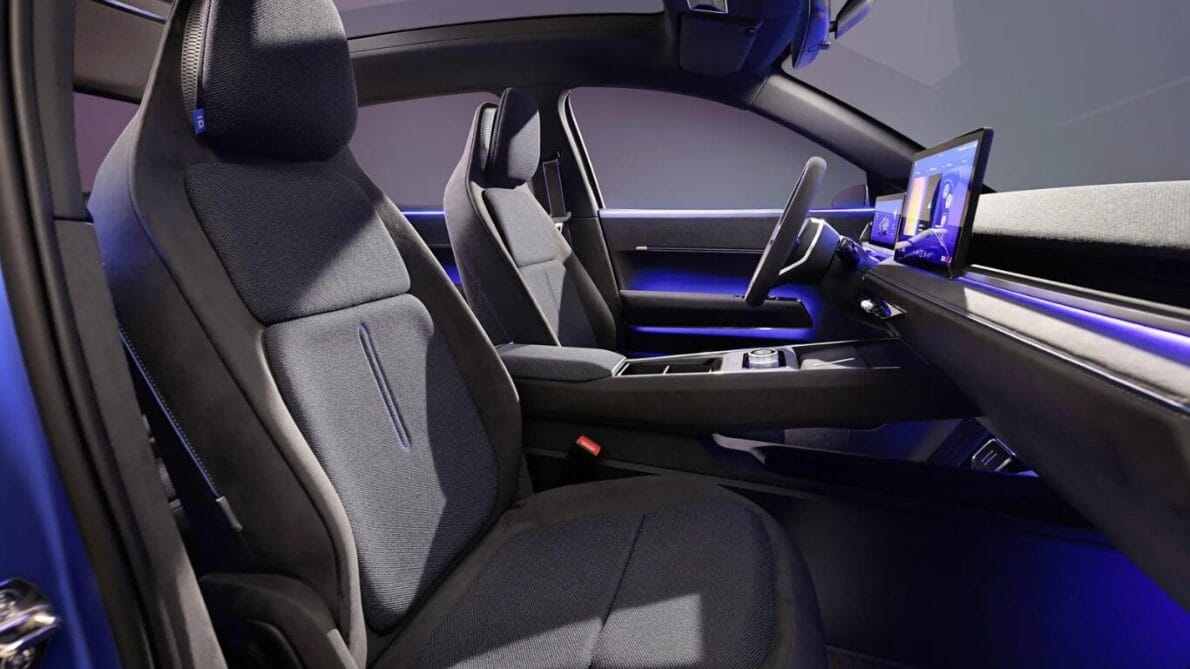
One of the most exciting aspects of the ID.2 is its interior. Volkswagen plans to allow owners to customize the instrumentation and entertainment system to reflect classic styles of the brand, including references to the Beetle and the Golf of the 1980s. This blend of nostalgia and modernity is sure to attract long-time Volkswagen enthusiasts.
For fans, the circular layout of the Beetle and the square design of the cluster seen in models like the Gol and Santana will bring back fond memories. The ID.2 may not be a “retro” car, but its technology will allow a piece of the past to be present. “Why not bring nostalgia into the future?” seems to be the question Volkswagen is asking.
Additionally, the ID.2 will include the latest driver assistance technologies, such as adaptive cruise control, automatic emergency braking, and advanced connectivity systems. All of this makes the ID.2 not just a tribute to the past, but also a symbol of the future of electric mobility.
Speculations About Production and Market
As for production, there are speculations about whether the ID.2 will be manufactured in Brazil. Considering that Chinese manufacturers are able to offer electric cars at prices similar to the Polo, it is plausible that Volkswagen could follow this strategy to remain competitive. Local production would not only reduce costs but also meet the growing demand for electric vehicles in Latin America.
Another possibility is that the ID.2 will be produced in Europe, at already established factories for the ID line. This would ensure strict quality control and allow Volkswagen to leverage its existing facilities and logistics. The final decision will likely depend on a combination of economic and strategic factors.
The ID.2 in the Global Electric Car Scenario
The Volkswagen ID.2 enters a rapidly expanding electric car market. Competition includes not only the Peugeot e-208 but also models like the Renault Zoe and the Nissan Leaf. However, Volkswagen believes that the ID.2’s appealing design, advanced technology, and accessible pricing approach will give it a competitive edge.
Therefore, the growth of the electric car market is driven by a combination of stricter environmental regulations, government incentives, and increased consumer awareness about sustainability. Volkswagen, with its commitment to launching a full range of electric vehicles, is well-positioned to capitalize on this trend.
In summary, the Volkswagen ID.2 is poised to be a significant player in the electric car market, combining cutting-edge technology with a touch of nostalgia. Therefore, its design, practicality, and potential market strategies suggest that it could be a strong competitor to models like the Peugeot e-208.





Be the first to react!