






 Portuguese
  Spanish


Would you trust a car where a simple involuntary touch can activate critical driving functions? Vehicle owners from Volkswagen in the United States have decided not to, and now the German automaker is at the center of a class-action lawsuit that could redefine the boundaries between technological innovation and safety on the road.
The Beginning of the Controversy with Volkswagen
The lawsuit was filed in a federal court in New Jersey and mainly involves owners of the electric SUV ID.4. According to the drivers, the touch-sensitive buttons on the Volkswagen steering wheel are overly sensitive and can unintentionally trigger functions such as adaptive cruise control.
The complaints report that simply sliding a finger would be enough to activate systems that should rely on a conscious and firm action from the driver. For the lawyers, Volkswagen failed to inform about the risks, characterizing omission and even violation of express warranties.
-
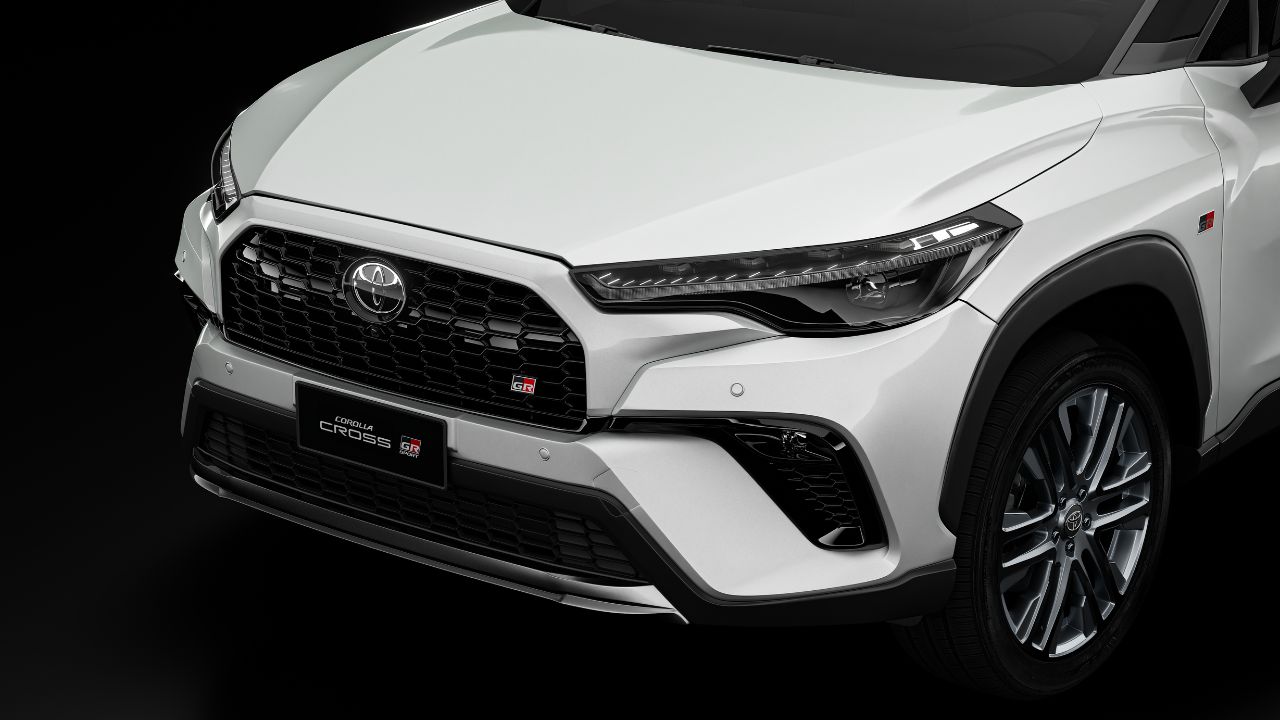
2027 Toyota Corolla Cross Unveiled: New Design, Enhanced Fuel Efficiency, Reduced Maintenance Costs, Advanced Technology, Connected Services, and Up to 10-Year Warranty

-
Fiat Cronos Precision 2018: Affordable Sedan with Spacious Trunk and Reliable Maintenance
-
Volkswagen to Cut Production by 1 Million Cars by 2030, Reducing Jobs and Platforms, Focusing on More Profitable Models

-
Toyota Launches First 100% Electric Car in Brazil: bZ4X with 343 HP, All-Wheel Drive, 361 km Range, Priced at $419,990 BRL, Limited to 99 Units



Safety Risks and Driver Reports
Among the documented cases, there are reports of drivers who suffered collisions inside their own garages after sudden acceleration triggered by involuntary commands. In one incident, the driver of an ID.4 incurred damages of around US$ 14,000, as well as an injury to their hand.
Another serious point is the allegation that Volkswagen’s touch buttons could compromise emergency braking systems and even the functioning of airbags. What was intended as a futuristic design has turned into a concrete risk for those behind the wheel.
Volkswagen’s Response
In light of the backlash, Volkswagen itself has admitted that using touch commands was a mistake. Andreas Mindt, the brand’s head of design, publicly acknowledged that “a car cannot be treated like a smartphone.” This statement shows that the company understands the limitations of the technology it implemented in recent models.
Despite this, the change will not be immediate. Volkswagen announced plans to return to physical buttons, but only in new releases starting in 2027. Until then, those driving an ID.4 or other models equipped with the system will have to live with the already reported risks.
The Impact of the Class-Action Lawsuit
The class-action lawsuit in the U.S. does not only represent a legal headache for Volkswagen, but also a threat to its reputation in an extremely competitive market. While betting on electrification and connectivity, the German brand now must prove that safety is still a priority.
Analysts believe this episode could cost dearly in terms of trust. In times where consumers are increasingly aware of ergonomics and usability, Volkswagen’s decision to replace physical buttons with touch-sensitive controls sounds like a step too far.
The Dilemma Between Innovation and Functionality
This case brings to light a reflection that goes beyond Volkswagen: to what extent should the automotive industry invest in digital solutions without proper physical feedback? Touch buttons may be appealing in presentations and advertisements, but the lack of tactile feedback can become a risk in everyday use.
In Volkswagen’s case, the choice ultimately revealed the limits of a design that prioritized modernity over the driver’s experience. The announced return to traditional buttons is both a strategic retreat and an attempt to regain lost trust.
A Warning for the Entire Industry
Whether in Europe, the U.S., or Brazil, the discussion surrounding Volkswagen’s touch buttons serves as a warning for the entire automotive sector. More than visually impressive, embedded technology needs to deliver real safety.
While the process is ongoing, consumers are waiting to see if Volkswagen will offer any practical remedies — such as recalls or modifications — or if the strategy will simply be to wait for the natural replacement of models in the future.
Volkswagen has always been known for bold design and technological solutions, but its bet on touch buttons showed that poorly planned innovation can come at a high cost. In the end, drivers want not just sophistication: they want to feel that the car responds clearly and predictably to their actions.
This case could even become a turning point, reminding us that in the automotive sector, the future must be considered not only in terms of aesthetics but also of safety and trust.








