Portuguese
  Spanish


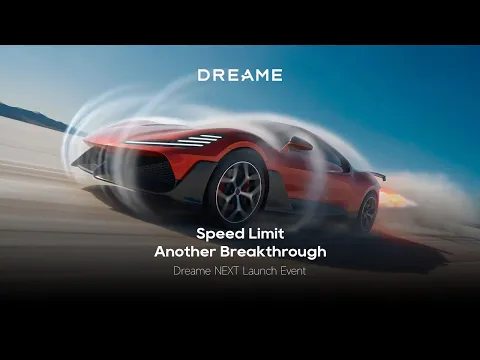
Meet the Nebula Next 01 Jet Edition from Dreame Technology, a car that uses rocket propulsion to accelerate from 0 to 100 km/h in just 0.9 seconds.
The global automotive industry witnessed a disruptive milestone in Silicon Valley during the “Dreame Next” event. Dreame Technology, a Chinese giant consolidated in the home appliance and robotics market, formalized its entry into the supercar sector with the launch of the Nebula Next 01 Jet Edition.
The vehicle caught the world’s attention by integrating solid rocket boosters into its electric structure, allowing the car to reach a speed of 100 km/h in a mere 0.9 hundredths of a second.
The initiative aims to transfer the company’s dominance in high-speed digital motors to high-performance mobility, challenging established giants in the luxury segment.
-
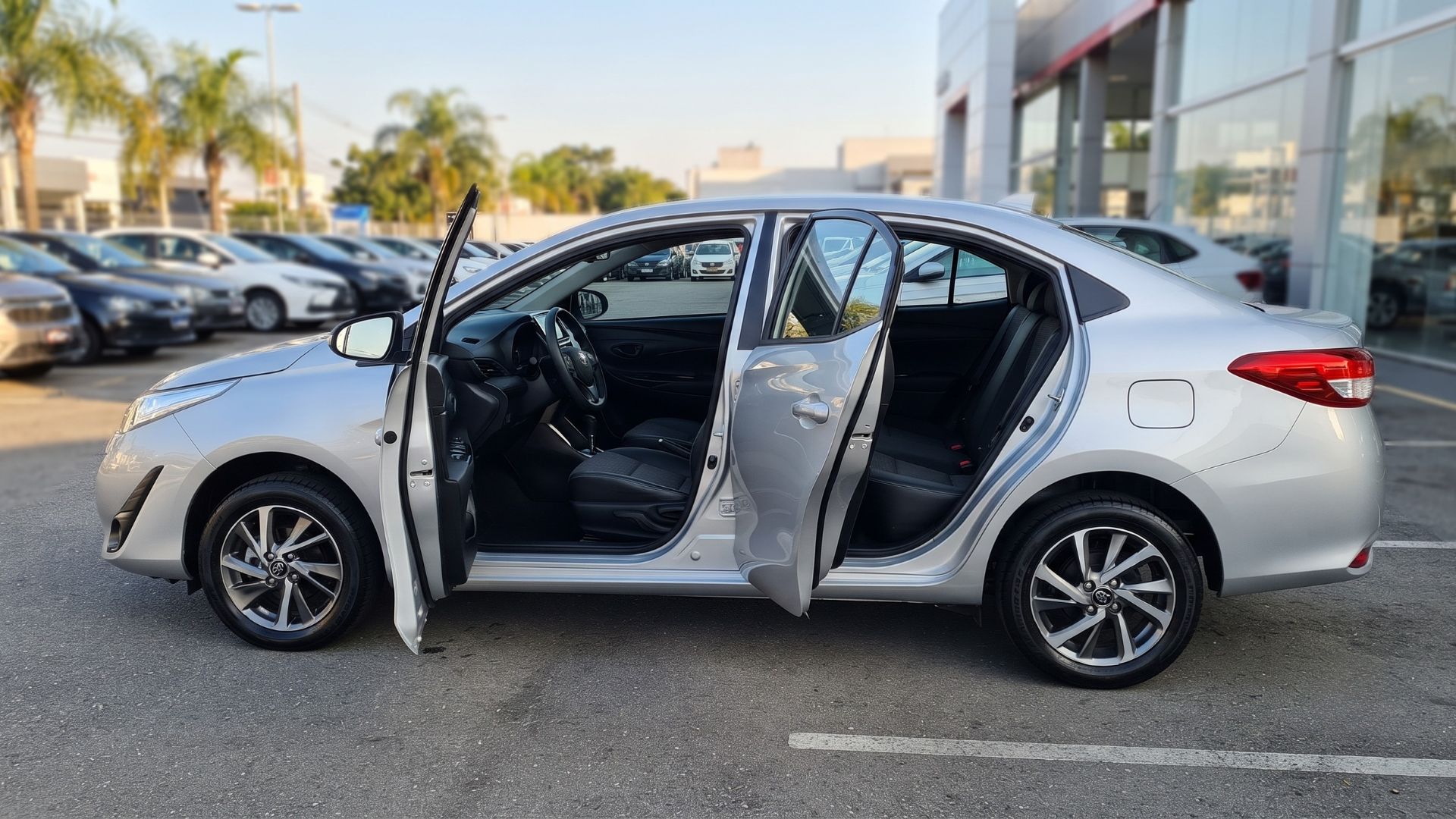
Automatic, economical, and known for reliability: with a 1.5 engine of up to 110 hp, CVT transmission, seven airbags, and fuel consumption of up to 15.9 km/l, this used hatchback appears as a rational alternative to Polo, HB20, and Onix; meet the Toyota Yaris XLS 2020.

-
He surpassed the Tera, Creta, and Tracker: With a TSI engine of up to 150 hp, 6-speed automatic transmission, and a 373-liter trunk, the Volkswagen T-Cross was the best-selling SUV in June, with 11,753 registrations.

-
It looks factory-made, but it came out of a workshop: a mechanic from Pernambuco builds a handcrafted “mini Toyota,” drives it through the streets, and the video goes viral on social media, leaving residents astonished.
-
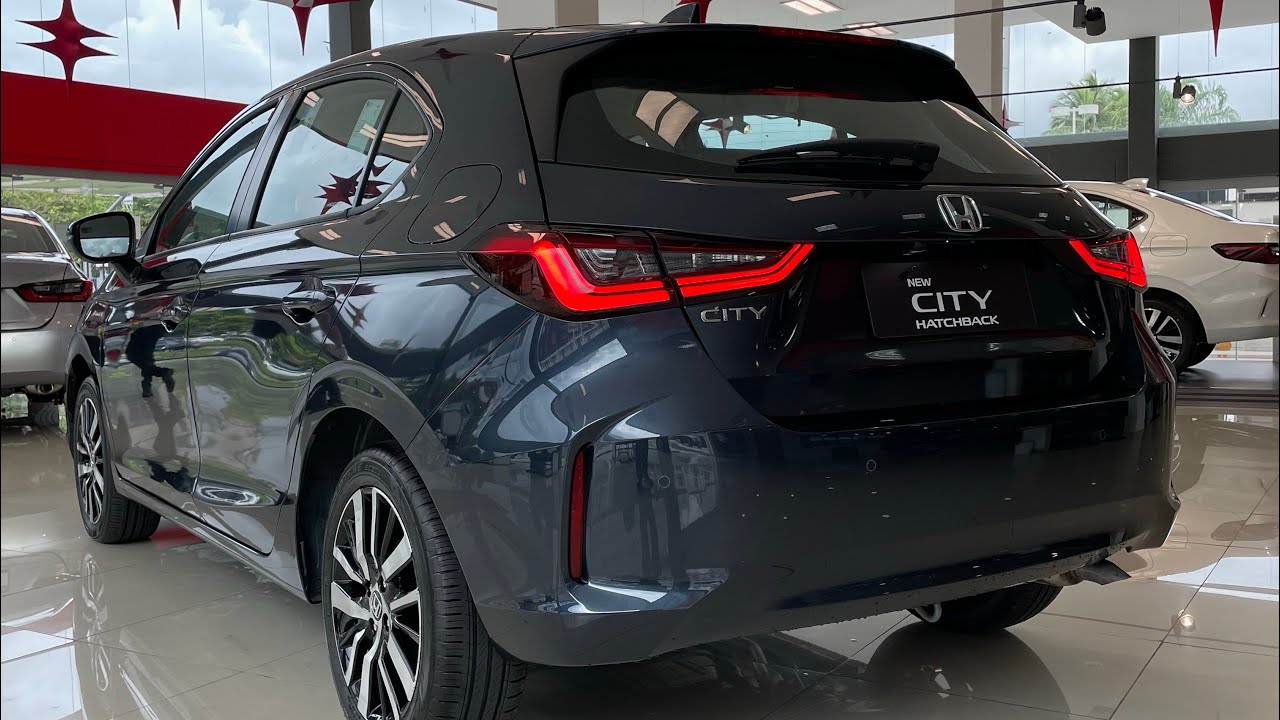
Hatch with sedan space and 1.0 car consumption: equipped with a 1.5 engine with 126 hp, CVT transmission with seven simulated gears, and consumption of up to 17.4 km/l, this used Honda delivers technology, comfort, and reliability; meet the 2022 Honda City Hatch Touring.


Aerospace engineering applied to the Nebula Next 01 Jet Edition car
The major technological differential of Dreame Technology in this car is the hybrid propulsion system. The model uses two solid rocket motors, a technology adapted directly from the aerospace industry for civilian use.
This assembly generates a maximum thrust of 100 kilonewtons, with a response time of just 150 milliseconds.
According to the manufacturer, the solution was designed to ensure that extreme performance does not compromise occupant safety, using precision electronic controls to balance the force generated by the jets.

In addition to the extra thrust, the automobile adopts a steer-by-wire chassis architecture. This technology eliminates traditional mechanical steering connections, allowing the system to process commands in just 1 millisecond.
Thanks to this flexibility, the vehicle is capable of performing complex maneuvers that would be impossible in conventional models, such as rotating on its own axis and performing automatic parallel parking with angular wheel displacement.
Performance, batteries, and range of the “rocket car”
To sustain the power of a “rocket car,” Dreame Technology equipped the Nebula Next 01 Jet Edition with the latest in energy storage.
The vehicle uses sulfide-based solid-state batteries, which offer an energy density exceeding 450 Wh/kg with a range of over 550 km.
This technology is considered a leap forward compared to current lithium batteries, as it is more stable and allows for much faster charging.
Check out the main technical specifications of the model revealed at the event:
- Acceleration from 0 to 100 km/h: 0.9 seconds.
- Maximum system thrust: 100 kilonewtons.
- Battery energy density: Exceeding 450 Wh/kg.
- Estimated range (CLTC): More than 550 kilometers per charge.
- LiDAR sensor range: Object detection up to 600 meters away.
Therefore, the project’s focus is not just raw speed, but long-range energy efficiency.

While electric motors ensure constant traction, rocket thrusters kick in with “Super Boost” mode, delivering an acceleration that makes the fastest sports cars on the market seem slow.
Artificial Intelligence and state-of-the-art sensors
Safety and automation are also central pillars of Dreame Technology’s new launch.
Source: CanalTech
By introducing the Nebula Next 01 Jet Edition, the brand demonstrates that the line between consumer electronics and high-performance vehicles is blurring.

Source: CanalTech
By introducing the Nebula Next 01 Jet Edition, the brand demonstrates that the line between consumer electronics and high-performance vehicles is blurring.
Source: CanalTech
This technology allows the vehicle’s system to identify objects and obstacles with greater precision, enhancing safety and efficiency during driving.

The transition from a vacuum cleaner manufacturer to the supercar sector signals a profound shift in Chinese technology.
By introducing the Nebula Next 01 Jet Edition, the brand demonstrates that the line between consumer electronics and high-performance vehicles is blurring.
Source: CanalTech
This technology allows the vehicle’s system to identify objects and obstacles with greater precision, enhancing safety and efficiency during driving.
The transition from a vacuum cleaner manufacturer to the supercar sector signals a profound shift in Chinese technology.
By introducing the Nebula Next 01 Jet Edition, the brand demonstrates that the line between consumer electronics and high-performance vehicles is blurring.
Source: CanalTech
By introducing the Nebula Next 01 Jet Edition, the brand demonstrates that the line between consumer electronics and high-performance vehicles is blurring.
Source: CanalTech
This technology allows the vehicle’s system to identify objects and obstacles with greater precision, enhancing safety and efficiency during driving.
The transition from a vacuum cleaner manufacturer to the supercar sector signals a profound shift in Chinese technology.
By introducing the Nebula Next 01 Jet Edition, the brand demonstrates that the line between consumer electronics and high-performance vehicles is blurring.
Source: CanalTech
By introducing the Nebula Next 01 Jet Edition, the brand demonstrates that the line between consumer electronics and high-performance vehicles is blurring.
Source: CanalTech
This technology allows the vehicle’s system to identify objects and obstacles with greater precision, enhancing safety and efficiency during driving.
The transition from a vacuum cleaner manufacturer to the supercar sector signals a profound shift in Chinese technology.
By introducing the Nebula Next 01 Jet Edition, the brand demonstrates that the line between consumer electronics and high-performance vehicles is blurring.
Source: CanalTech
This technology allows the vehicle’s system to identify objects and obstacles with greater precision, enhancing safety and efficiency during driving.
The transition from a vacuum cleaner manufacturer to the supercar sector signals a profound shift in Chinese technology.
By introducing the Nebula Next 01 Jet Edition, the brand demonstrates that the line between consumer electronics and high-performance vehicles is blurring.
Source: CanalTech
This technology allows the vehicle’s system to identify objects and obstacles with greater precision, enhancing safety and efficiency during driving.
The transition from a vacuum cleaner manufacturer to the supercar sector signals a profound shift in Chinese technology.
By introducing the Nebula Next 01 Jet Edition, the brand demonstrates that the line between consumer electronics and high-performance vehicles is blurring.
Source: CanalTech
By introducing the Nebula Next 01 Jet Edition, the brand demonstrates that the line between consumer electronics and high-performance vehicles is blurring.
Source: CanalTech
This technology allows the vehicle’s system to identify objects and obstacles with greater precision, enhancing safety and efficiency during driving.
The transition from a vacuum cleaner manufacturer to the supercar sector signals a profound shift in Chinese technology.
By introducing the Nebula Next 01 Jet Edition, the brand demonstrates that the line between consumer electronics and high-performance vehicles is blurring.
Source: CanalTech
This technology allows the vehicle’s system to identify objects and obstacles with greater precision, enhancing safety and efficiency during driving.
The transition from a vacuum cleaner manufacturer to the supercar sector signals a profound shift in Chinese technology.
By introducing the Nebula Next 01 Jet Edition, the brand demonstrates that the line between consumer electronics and high-performance vehicles is blurring.
Source: CanalTech
By introducing the Nebula Next 01 Jet Edition, the brand demonstrates that the line between consumer electronics and high-performance vehicles is blurring.
Source: CanalTech
This technology allows the vehicle’s system to identify objects and obstacles with greater precision, enhancing safety and efficiency during driving.
The transition from a vacuum cleaner manufacturer to the supercar sector signals a profound shift in Chinese technology.
By introducing the Nebula Next 01 Jet Edition, the brand demonstrates that the line between consumer electronics and high-performance vehicles is blurring.
Source: CanalTech
This technology allows the vehicle’s system to identify objects and obstacles with greater precision, enhancing safety and efficiency during driving.
The transition from a vacuum cleaner manufacturer to the supercar sector signals a profound shift in Chinese technology.
By introducing the Nebula Next 01 Jet Edition, the brand demonstrates that the line between consumer electronics and high-performance vehicles is blurring.
Source: CanalTech
By introducing the Nebula Next 01 Jet Edition, the brand demonstrates that the line between consumer electronics and high-performance vehicles is blurring.
Source: CanalTech
By introducing the Nebula Next 01 Jet Edition, the brand demonstrates that the line between consumer electronics and high-performance vehicles is blurring.
Source: CanalTech
This technology allows the vehicle’s system to identify objects and obstacles with greater precision, enhancing safety and efficiency during driving.
The transition from a vacuum cleaner manufacturer to the supercar sector signals a profound shift in Chinese technology.
By introducing the Nebula Next 01 Jet Edition, the brand demonstrates that the line between consumer electronics and high-performance vehicles is blurring.
Source: CanalTech
This technology allows the vehicle’s system to identify objects and obstacles with greater precision, enhancing safety and efficiency during driving.
The transition from a vacuum cleaner manufacturer to the supercar sector signals a profound shift in Chinese technology.
By introducing the Nebula Next 01 Jet Edition, the brand demonstrates that the line between consumer electronics and high-performance vehicles is blurring.
Source: CanalTech
By introducing the Nebula Next 01 Jet Edition, the brand demonstrates that the line between consumer electronics and high-performance vehicles is blurring.
Source: CanalTech
By introducing the Nebula Next 01 Jet Edition, the brand demonstrates that the line between consumer electronics and high-performance vehicles is blurring.
Source: CanalTech
By introducing the Nebula Next 01 Jet Edition, the brand demonstrates that the line between consumer electronics and high-performance vehicles is blurring.
Source: CanalTech
This technology allows the vehicle’s system to identify objects and obstacles with greater precision, enhancing safety and efficiency during driving.
The transition from a vacuum cleaner manufacturer to the supercar sector signals a profound shift in Chinese technology.
By introducing the Nebula Next 01 Jet Edition, the brand demonstrates that the line between consumer electronics and high-performance vehicles is blurring.
Source: CanalTech
This technology allows the vehicle’s system to identify objects and obstacles with greater precision, enhancing safety and efficiency during driving.
The transition from a vacuum cleaner manufacturer to the supercar sector signals a profound shift in Chinese technology.
By introducing the Nebula Next 01 Jet Edition, the brand demonstrates that the line between consumer electronics and high-performance vehicles is blurring.
Source: CanalTech
This technology allows the vehicle’s system to identify objects and obstacles with greater precision, enhancing safety and efficiency during driving.
The transition from a vacuum cleaner manufacturer to the supercar sector signals a profound shift in Chinese technology.
By introducing the Nebula Next 01 Jet Edition, the brand demonstrates that the line between consumer electronics and high-performance vehicles is blurring.
Source: CanalTech
By introducing the Nebula Next 01 Jet Edition, the brand demonstrates that the line between consumer electronics and high-performance vehicles is blurring.
Source: CanalTech
By introducing the Nebula Next 01 Jet Edition, the brand demonstrates that the line between consumer electronics and high-performance vehicles is blurring.
Source: CanalTech
This technology allows the vehicle’s system to identify objects and obstacles with greater precision, enhancing safety and efficiency during driving.
The transition from a vacuum cleaner manufacturer to the supercar sector signals a profound shift in Chinese technology.
By introducing the Nebula Next 01 Jet Edition, the brand demonstrates that the line between consumer electronics and high-performance vehicles is blurring.
Source: CanalTech
This technology allows the vehicle’s system to identify objects and obstacles with greater precision, enhancing safety and efficiency during driving.
The transition from a vacuum cleaner manufacturer to the supercar sector signals a profound shift in Chinese technology.
By introducing the Nebula Next 01 Jet Edition, the brand demonstrates that the line between consumer electronics and high-performance vehicles is blurring.
Source: CanalTech
This technology allows the vehicle’s system to identify objects and obstacles with greater precision, enhancing safety and efficiency during driving.
The transition from a vacuum cleaner manufacturer to the supercar sector signals a profound shift in Chinese technology.
By introducing the Nebula Next 01 Jet Edition, the brand demonstrates that the line between consumer electronics and high-performance vehicles is blurring.
Source: CanalTech
By introducing the Nebula Next 01 Jet Edition, the brand demonstrates that the line between consumer electronics and high-performance vehicles is blurring.
Source: CanalTech
By introducing the Nebula Next 01 Jet Edition, the brand demonstrates that the line between consumer electronics and high-performance vehicles is blurring.
Source: CanalTech
This technology allows the vehicle’s system to identify objects and obstacles with greater precision, enhancing safety and efficiency during driving.
The transition from a vacuum cleaner manufacturer to the supercar sector signals a profound shift in Chinese technology.
By introducing the Nebula Next 01 Jet Edition, the brand demonstrates that the line between consumer electronics and high-performance vehicles is blurring.
Source: CanalTech
This technology allows the vehicle’s system to identify objects and obstacles with greater precision, enhancing safety and efficiency during driving.
The transition from a vacuum cleaner manufacturer to the supercar sector signals a profound shift in Chinese technology.
By introducing the Nebula Next 01 Jet Edition, the brand demonstrates that the line between consumer electronics and high-performance vehicles is blurring.
Source: CanalTech
By introducing the Nebula Next 01 Jet Edition, the brand demonstrates that the line between consumer electronics and high-performance vehicles is blurring.
Source: CanalTech
This technology allows the vehicle’s system to identify objects and obstacles with greater precision, enhancing safety and efficiency during driving.
The transition from a vacuum cleaner manufacturer to the supercar sector signals a profound shift in Chinese technology.
By introducing the Nebula Next 01 Jet Edition, the brand demonstrates that the line between consumer electronics and high-performance vehicles is blurring.
Source: CanalTech
By introducing the Nebula Next 01 Jet Edition, the brand demonstrates that the line between consumer electronics and high-performance vehicles is blurring.
Source: CanalTech
By introducing the Nebula Next 01 Jet Edition, the brand demonstrates that the line between consumer electronics and high-performance vehicles is blurring.
Source: CanalTech
This technology allows the vehicle’s system to identify objects and obstacles with greater precision, enhancing safety and efficiency during driving.
The transition from a vacuum cleaner manufacturer to the supercar sector signals a profound shift in Chinese technology.
By introducing the Nebula Next 01 Jet Edition, the brand demonstrates that the line between consumer electronics and high-performance vehicles is blurring.
Source: CanalTech
This technology allows the vehicle’s system to identify objects and obstacles with greater precision, enhancing safety and efficiency during driving.
The transition from a vacuum cleaner manufacturer to the supercar sector signals a profound shift in Chinese technology.
By introducing the Nebula Next 01 Jet Edition, the brand demonstrates that the line between consumer electronics and high-performance vehicles is blurring.
Source: CanalTech
By introducing the Nebula Next 01 Jet Edition, the brand demonstrates that the line between consumer electronics and high-performance vehicles is blurring.
Source: CanalTech
This technology allows the vehicle’s system to identify objects and obstacles with greater precision, enhancing safety and efficiency during driving.
The transition from a vacuum cleaner manufacturer to the supercar sector signals a profound shift in Chinese technology.
By introducing the Nebula Next 01 Jet Edition, the brand demonstrates that the line between consumer electronics and high-performance vehicles is blurring.
Source: CanalTech
By introducing the Nebula Next 01 Jet Edition, the brand demonstrates that the line between consumer electronics and high-performance vehicles is blurring.
Source: CanalTech
By introducing the Nebula Next 01 Jet Edition, the brand demonstrates that the line between consumer electronics and high-performance vehicles is blurring.
Source: CanalTech
This technology allows the vehicle’s system to identify objects and obstacles with greater precision, enhancing safety and efficiency during driving.
The transition from a vacuum cleaner manufacturer to the supercar sector signals a profound shift in Chinese technology.
By introducing the Nebula Next 01 Jet Edition, the brand demonstrates that the line between consumer electronics and high-performance vehicles is blurring.
Source: CanalTech
This technology allows the vehicle’s system to identify objects and obstacles with greater precision, enhancing safety and efficiency during driving.
The transition from a vacuum cleaner manufacturer to the supercar sector signals a profound shift in Chinese technology.
By introducing the Nebula Next 01 Jet Edition, the brand demonstrates that the line between consumer electronics and high-performance vehicles is blurring.
Source: CanalTech
This technology allows the vehicle’s system to identify objects and obstacles with greater precision, enhancing safety and efficiency during driving.
The transition from a vacuum cleaner manufacturer to the supercar sector signals a profound shift in Chinese technology.
By introducing the Nebula Next 01 Jet Edition, the brand demonstrates that the line between consumer electronics and high-performance vehicles is blurring.
Source: CanalTech
This technology allows the vehicle’s system to identify objects and obstacles with greater precision, enhancing safety and efficiency during driving.
The transition from a vacuum cleaner manufacturer to the supercar sector signals a profound shift in Chinese technology.
By introducing the Nebula Next 01 Jet Edition, the brand demonstrates that the line between consumer electronics and high-performance vehicles is blurring.
Source: CanalTech
By introducing the Nebula Next 01 Jet Edition, the brand demonstrates that the line between consumer electronics and high-performance vehicles is blurring.
Source: CanalTech
By introducing the Nebula Next 01 Jet Edition, the brand demonstrates that the line between consumer electronics and high-performance vehicles is blurring.
Source: CanalTech
This technology allows the vehicle’s system to identify objects and obstacles with greater precision, enhancing safety and efficiency during driving.
The transition from a vacuum cleaner manufacturer to the supercar sector signals a profound shift in Chinese technology.
By introducing the Nebula Next 01 Jet Edition, the brand demonstrates that the line between consumer electronics and high-performance vehicles is blurring.
Source: CanalTech
This technology allows the vehicle’s system to identify objects and obstacles with greater precision, enhancing safety and efficiency during driving.
The transition from a vacuum cleaner manufacturer to the supercar sector signals a profound shift in Chinese technology.
By introducing the Nebula Next 01 Jet Edition, the brand demonstrates that the line between consumer electronics and high-performance vehicles is blurring.
Source: CanalTech
By introducing the Nebula Next 01 Jet Edition, the brand demonstrates that the line between consumer electronics and high-performance vehicles is blurring.
Source: CanalTech
This technology allows the vehicle’s system to identify objects and obstacles with greater precision, enhancing safety and efficiency during driving.
The transition from a vacuum cleaner manufacturer to the supercar sector signals a profound shift in Chinese technology.
By introducing the Nebula Next 01 Jet Edition, the brand demonstrates that the line between consumer electronics and high-performance vehicles is blurring.
Source: CanalTech
This technology allows the vehicle’s system to identify objects and obstacles with greater precision, enhancing safety and efficiency during driving.
The transition from a vacuum cleaner manufacturer to the supercar sector signals a profound shift in Chinese technology.
By introducing the Nebula Next 01 Jet Edition, the brand demonstrates that the line between consumer electronics and high-performance vehicles is blurring.
Source: CanalTech
By introducing the Nebula Next 01 Jet Edition, the brand demonstrates that the line between consumer electronics and high-performance vehicles is blurring.
Source: CanalTech
By introducing the Nebula Next 01 Jet Edition, the brand demonstrates that the line between consumer electronics and high-performance vehicles is blurring.
Source: CanalTech
This technology allows the vehicle’s system to identify objects and obstacles with greater precision, enhancing safety and efficiency during driving.
The transition from a vacuum cleaner manufacturer to the supercar sector signals a profound shift in Chinese technology.
By introducing the Nebula Next 01 Jet Edition, the brand demonstrates that the line between consumer electronics and high-performance vehicles is blurring.
Source: CanalTech
This technology allows the vehicle’s system to identify objects and obstacles with greater precision, enhancing safety and efficiency during driving.
The transition from a vacuum cleaner manufacturer to the supercar sector signals a profound shift in Chinese technology.
By introducing the Nebula Next 01 Jet Edition, the brand demonstrates that the line between consumer electronics and high-performance vehicles is blurring.
Source: CanalTech
By introducing the Nebula Next 01 Jet Edition, the brand demonstrates that the line between consumer electronics and high-performance vehicles is blurring.
Source: CanalTech
This technology allows the vehicle’s system to identify objects and obstacles with greater precision, enhancing safety and efficiency during driving.
The transition from a vacuum cleaner manufacturer to the supercar sector signals a profound shift in Chinese technology.
By introducing the Nebula Next 01 Jet Edition, the brand demonstrates that the line between consumer electronics and high-performance vehicles is blurring.
Source: CanalTech
This technology allows the vehicle’s system to identify objects and obstacles with greater precision, enhancing safety and efficiency during driving.
The transition from a vacuum cleaner manufacturer to the supercar sector signals a profound shift in Chinese technology.
By introducing the Nebula Next 01 Jet Edition, the brand demonstrates that the line between consumer electronics and high-performance vehicles is blurring.
Source: CanalTech
By introducing the Nebula Next 01 Jet Edition, the brand demonstrates that the line between consumer electronics and high-performance vehicles is blurring.
Source: CanalTech
By introducing the Nebula Next 01 Jet Edition, the brand demonstrates that the line between consumer electronics and high-performance vehicles is blurring.
Source: CanalTech
This technology allows the vehicle’s system to identify objects and obstacles with greater precision, enhancing safety and efficiency during driving.
The transition from a vacuum cleaner manufacturer to the supercar sector signals a profound shift in Chinese technology.
By introducing the Nebula Next 01 Jet Edition, the brand demonstrates that the line between consumer electronics and high-performance vehicles is blurring.
Source: CanalTech
This technology allows the vehicle’s system to identify objects and obstacles with greater precision, enhancing safety and efficiency during driving.
The transition from a vacuum cleaner manufacturer to the supercar sector signals a profound shift in Chinese technology.
By introducing the Nebula Next 01 Jet Edition, the brand demonstrates that the line between consumer electronics and high-performance vehicles is blurring.
Source: CanalTech
By introducing the Nebula Next 01 Jet Edition, the brand demonstrates that the line between consumer electronics and high-performance vehicles is blurring.
Source: CanalTech
By introducing the Nebula Next 01 Jet Edition, the brand demonstrates that the line between consumer electronics and high-performance vehicles is blurring.
Source: CanalTech
This technology allows the vehicle’s system to identify objects and obstacles with greater precision, enhancing safety and efficiency during driving.
The transition from a vacuum cleaner manufacturer to the supercar sector signals a profound shift in Chinese technology.
By introducing the Nebula Next 01 Jet Edition, the brand demonstrates that the line between consumer electronics and high-performance vehicles is blurring.
Source: CanalTech
This technology allows the vehicle’s system to identify objects and obstacles with greater precision, enhancing safety and efficiency during driving.
The transition from a vacuum cleaner manufacturer to the supercar sector signals a profound shift in Chinese technology.
By introducing the Nebula Next 01 Jet Edition, the brand demonstrates that the line between consumer electronics and high-performance vehicles is blurring.
Source: CanalTech
By introducing the Nebula Next 01 Jet Edition, the brand demonstrates that the line between consumer electronics and high-performance vehicles is blurring.
Source: CanalTech
By introducing the Nebula Next 01 Jet Edition, the brand demonstrates that the line between consumer electronics and high-performance vehicles is blurring.
Source: CanalTech
This technology allows the vehicle’s system to identify objects and obstacles with greater precision, enhancing safety and efficiency during driving.
The transition from a vacuum cleaner manufacturer to the supercar sector signals a profound shift in Chinese technology.
By introducing the Nebula Next 01 Jet Edition, the brand demonstrates that the line between consumer electronics and high-performance vehicles is blurring.
Source: CanalTech
This technology allows the vehicle’s system to identify objects and obstacles with greater precision, enhancing safety and efficiency during driving.
The transition from a vacuum cleaner manufacturer to the supercar sector signals a profound shift in Chinese technology.
By introducing the Nebula Next 01 Jet Edition, the brand demonstrates that the line between consumer electronics and high-performance vehicles is blurring.
Source: CanalTech
This technology allows the vehicle’s system to identify objects and obstacles with greater precision, enhancing safety and efficiency during driving.
The transition from a vacuum cleaner manufacturer to the supercar sector signals a profound shift in Chinese technology.
By introducing the Nebula Next 01 Jet Edition, the brand demonstrates that the line between consumer electronics and high-performance vehicles is blurring.
Source: CanalTech
By introducing the Nebula Next 01 Jet Edition, the brand demonstrates that the line between consumer electronics and high-performance vehicles is blurring.
Source: CanalTech
This technology allows the vehicle’s system to identify objects and obstacles with greater precision, enhancing safety and efficiency during driving.
The transition from a vacuum cleaner manufacturer to the supercar sector signals a profound shift in Chinese technology.
By introducing the Nebula Next 01 Jet Edition, the brand demonstrates that the line between consumer electronics and high-performance vehicles is blurring.
Source: CanalTech
This technology allows the vehicle’s system to identify objects and obstacles with greater precision, enhancing safety and efficiency during driving.
The transition from a vacuum cleaner manufacturer to the supercar sector signals a profound shift in Chinese technology.
By introducing the Nebula Next 01 Jet Edition, the brand demonstrates that the line between consumer electronics and high-performance vehicles is blurring.
Source: CanalTech
By introducing the Nebula Next 01 Jet Edition, the brand demonstrates that the line between consumer electronics and high-performance vehicles is blurring.
Source: CanalTech
By introducing the Nebula Next 01 Jet Edition, the brand demonstrates that the line between consumer electronics and high-performance vehicles is blurring.
Source: CanalTech
This technology allows the vehicle’s system to identify objects and obstacles with greater precision, enhancing safety and efficiency during driving.
The transition from a vacuum cleaner manufacturer to the supercar sector signals a profound shift in Chinese technology.
By introducing the Nebula Next 01 Jet Edition, the brand demonstrates that the line between consumer electronics and high-performance vehicles is blurring.
Source: CanalTech
This technology allows the vehicle’s system to identify objects and obstacles with greater precision, enhancing safety and efficiency during driving.
The transition from a vacuum cleaner manufacturer to the supercar sector signals a profound shift in Chinese technology.
By introducing the Nebula Next 01 Jet Edition, the brand demonstrates that the line between consumer electronics and high-performance vehicles is blurring.
Source: CanalTech
This technology allows the vehicle’s system to identify objects and obstacles with greater precision, enhancing safety and efficiency during driving.
The transition from a vacuum cleaner manufacturer to the supercar sector signals a profound shift in Chinese technology.
By introducing the Nebula Next 01 Jet Edition, the brand demonstrates that the line between consumer electronics and high-performance vehicles is blurring.
Source: CanalTech
By introducing the Nebula Next 01 Jet Edition, the brand demonstrates that the line between consumer electronics and high-performance vehicles is blurring.
Source: CanalTech
This technology allows the vehicle’s system to identify objects and obstacles with greater precision, enhancing safety and efficiency during driving.
The transition from a vacuum cleaner manufacturer to the supercar sector signals a profound shift in Chinese technology.
By introducing the Nebula Next 01 Jet Edition, the brand demonstrates that the line between consumer electronics and high-performance vehicles is blurring.
Source: CanalTech
This technology allows the vehicle’s system to identify objects and obstacles with greater precision, enhancing safety and efficiency during driving.
The transition from a vacuum cleaner manufacturer to the supercar sector signals a profound shift in Chinese technology.
By introducing the Nebula Next 01 Jet Edition, the brand demonstrates that the line between consumer electronics and high-performance vehicles is blurring.
Source: CanalTech
By introducing the Nebula Next 01 Jet Edition, the brand demonstrates that the line between consumer electronics and high-performance vehicles is blurring.
Source: CanalTech
By introducing the Nebula Next 01 Jet Edition, the brand demonstrates that the line between consumer electronics and high-performance vehicles is blurring.
Source: CanalTech
This technology allows the vehicle’s system to identify objects and obstacles with greater precision, enhancing safety and efficiency during driving.
The transition from a vacuum cleaner manufacturer to the supercar sector signals a profound shift in Chinese technology.
By introducing the Nebula Next 01 Jet Edition, the brand demonstrates that the line between consumer electronics and high-performance vehicles is blurring.
Source: CanalTech
This technology allows the vehicle’s system to identify objects and obstacles with greater precision, enhancing safety and efficiency during driving.
The transition from a vacuum cleaner manufacturer to the supercar sector signals a profound shift in Chinese technology.
By introducing the Nebula Next 01 Jet Edition, the brand demonstrates that the line between consumer electronics and high-performance vehicles is blurring.
Source: CanalTech
By introducing the Nebula Next 01 Jet Edition, the brand demonstrates that the line between consumer electronics and high-performance vehicles is blurring.
Source: CanalTech
This technology allows the vehicle’s system to identify objects and obstacles with greater precision, enhancing safety and efficiency during driving.
The transition from a vacuum cleaner manufacturer to the supercar sector signals a profound shift in Chinese technology.
By introducing the Nebula Next 01 Jet Edition, the brand demonstrates that the line between consumer electronics and high-performance vehicles is blurring.
Source: CanalTech
By introducing the Nebula Next 01 Jet Edition, the brand demonstrates that the line between consumer electronics and high-performance vehicles is blurring.
Source: CanalTech
This technology allows the vehicle’s system to identify objects and obstacles with greater precision, enhancing safety and efficiency during driving.
The transition from a vacuum cleaner manufacturer to the supercar sector signals a profound shift in Chinese technology.
By introducing the Nebula Next 01 Jet Edition, the brand demonstrates that the line between consumer electronics and high-performance vehicles is blurring.
Source: CanalTech
This technology allows the vehicle’s system to identify objects and obstacles with greater precision, enhancing safety and efficiency during driving.
The transition from a vacuum cleaner manufacturer to the supercar sector signals a profound shift in Chinese technology.
By introducing the Nebula Next 01 Jet Edition, the brand demonstrates that the line between consumer electronics and high-performance vehicles is blurring.
Source: CanalTech
By introducing the Nebula Next 01 Jet Edition, the brand demonstrates that the line between consumer electronics and high-performance vehicles is blurring.
Source: CanalTech
By introducing the Nebula Next 01 Jet Edition, the brand demonstrates that the line between consumer electronics and high-performance vehicles is blurring.
Source: CanalTech
This technology allows the vehicle’s system to identify objects and obstacles with greater precision, enhancing safety and efficiency during driving.
The transition from a vacuum cleaner manufacturer to the supercar sector signals a profound shift in Chinese technology.
By introducing the Nebula Next 01 Jet Edition, the brand demonstrates that the line between consumer electronics and high-performance vehicles is blurring.
Source: CanalTech
This technology allows the vehicle’s system to identify objects and obstacles with greater precision, enhancing safety and efficiency during driving.
The transition from a vacuum cleaner manufacturer to the supercar sector signals a profound shift in Chinese technology.
By introducing the Nebula Next 01 Jet Edition, the brand demonstrates that the line between consumer electronics and high-performance vehicles is blurring.
Source: CanalTech
By introducing the Nebula Next 01 Jet Edition, the brand demonstrates that the line between consumer electronics and high-performance vehicles is blurring.
Source: CanalTech
This technology allows the vehicle’s system to identify objects and obstacles with greater precision, enhancing safety and efficiency during driving.
The transition from a vacuum cleaner manufacturer to the supercar sector signals a profound shift in Chinese technology.
By introducing the Nebula Next 01 Jet Edition, the brand demonstrates that the line between consumer electronics and high-performance vehicles is blurring.
Source: CanalTech
By introducing the Nebula Next 01 Jet Edition, the brand demonstrates that the line between consumer electronics and high-performance vehicles is blurring.
Source: CanalTech
This technology allows the vehicle’s system to identify objects and obstacles with greater precision, enhancing safety and efficiency during driving.
The transition from a vacuum cleaner manufacturer to the supercar sector signals a profound shift in Chinese technology.
By introducing the Nebula Next 01 Jet Edition, the brand demonstrates that the line between consumer electronics and high-performance vehicles is blurring.
Source: CanalTech
This technology allows the vehicle’s system to identify objects and obstacles with greater precision, enhancing safety and efficiency during driving.
The transition from a vacuum cleaner manufacturer to the supercar sector signals a profound shift in Chinese technology.
By introducing the Nebula Next 01 Jet Edition, the brand demonstrates that the line between consumer electronics and high-performance vehicles is blurring.
Source: CanalTech
By introducing the Nebula Next 01 Jet Edition, the brand demonstrates that the line between consumer electronics and high-performance vehicles is blurring.
Source: CanalTech
By introducing the Nebula Next 01 Jet Edition, the brand demonstrates that the line between consumer electronics and high-performance vehicles is blurring.
Source: CanalTech
This technology allows the vehicle’s system to identify objects and obstacles with greater precision, enhancing safety and efficiency during driving.
The transition from a vacuum cleaner manufacturer to the supercar sector signals a profound shift in Chinese technology.
By introducing the Nebula Next 01 Jet Edition, the brand demonstrates that the line between consumer electronics and high-performance vehicles is blurring.
Source: CanalTech
This technology allows the vehicle’s system to identify objects and obstacles with greater precision, enhancing safety and efficiency during driving.
The transition from a vacuum cleaner manufacturer to the supercar sector signals a profound shift in Chinese technology.
By introducing the Nebula Next 01 Jet Edition, the brand demonstrates that the line between consumer electronics and high-performance vehicles is blurring.
Source: CanalTech
This technology allows the vehicle’s system to identify objects and obstacles with greater precision, enhancing safety and efficiency during driving.
The transition from a vacuum cleaner manufacturer to the supercar sector signals a profound shift in Chinese technology.
By introducing the Nebula Next 01 Jet Edition, the brand demonstrates that the line between consumer electronics and high-performance vehicles is blurring.
Source: CanalTech
This technology allows the vehicle’s system to identify objects and obstacles with greater precision, enhancing safety and efficiency during driving.
The transition from a vacuum cleaner manufacturer to the supercar sector signals a profound shift in Chinese technology.
By introducing the Nebula Next 01 Jet Edition, the brand demonstrates that the line between consumer electronics and high-performance vehicles is blurring.
Source: CanalTech
By introducing the Nebula Next 01 Jet Edition, the brand demonstrates that the line between consumer electronics and high-performance vehicles is blurring.
Source: CanalTech
This technology allows the vehicle’s system to identify objects and obstacles with greater precision, enhancing safety and efficiency during driving.
The transition from a vacuum cleaner manufacturer to the supercar sector signals a profound shift in Chinese technology.
By introducing the Nebula Next 01 Jet Edition, the brand demonstrates that the line between consumer electronics and high-performance vehicles is blurring.
Source: CanalTech
This technology allows the vehicle’s system to identify objects and obstacles with greater precision, enhancing safety and efficiency during driving.
The transition from a vacuum cleaner manufacturer to the supercar sector signals a profound shift in Chinese technology.
By introducing the Nebula Next 01 Jet Edition, the brand demonstrates that the line between consumer electronics and high-performance vehicles is blurring.
Source: CanalTech
By introducing the Nebula Next 01 Jet Edition, the brand demonstrates that the line between consumer electronics and high-performance vehicles is blurring.
Source: CanalTech
By introducing the Nebula Next 01 Jet Edition, the brand demonstrates that the line between consumer electronics and high-performance vehicles is blurring.
Source: CanalTech
This technology allows the vehicle’s system to identify objects and obstacles with greater precision, enhancing safety and efficiency during driving.
The transition from a vacuum cleaner manufacturer to the supercar sector signals a profound shift in Chinese technology.
By introducing the Nebula Next 01 Jet Edition, the brand demonstrates that the line between consumer electronics and high-performance vehicles is blurring.
Source: CanalTech
This technology allows the vehicle’s system to identify objects and obstacles with greater precision, enhancing safety and efficiency during driving.
The transition from a vacuum cleaner manufacturer to the supercar sector signals a profound shift in Chinese technology.
By introducing the Nebula Next 01 Jet Edition, the brand demonstrates that the line between consumer electronics and high-performance vehicles is blurring.
Source: CanalTech
By introducing the Nebula Next 01 Jet Edition, the brand demonstrates that the line between consumer electronics and high-performance vehicles is blurring.
Source: CanalTech
This technology allows the vehicle’s system to identify objects and obstacles with greater precision, enhancing safety and efficiency during driving.
The transition from a vacuum cleaner manufacturer to the supercar sector signals a profound shift in Chinese technology.
By introducing the Nebula Next 01 Jet Edition, the brand demonstrates that the line between consumer electronics and high-performance vehicles is blurring.
Source: CanalTech
This technology allows the vehicle’s system to identify objects and obstacles with greater precision, enhancing safety and efficiency during driving.
The transition from a vacuum cleaner manufacturer to the supercar sector signals a profound shift in Chinese technology.
By introducing the Nebula Next 01 Jet Edition, the brand demonstrates that the line between consumer electronics and high-performance vehicles is blurring.
Source: CanalTech
By introducing the Nebula Next 01 Jet Edition, the brand demonstrates that the line between consumer electronics and high-performance vehicles is blurring.
Source: CanalTech
This technology allows the vehicle’s system to identify objects and obstacles with greater precision, enhancing safety and efficiency during driving.
The transition from a vacuum cleaner manufacturer to the supercar sector signals a profound shift in Chinese technology.
By introducing the Nebula Next 01 Jet Edition, the brand demonstrates that the line between consumer electronics and high-performance vehicles is blurring.
Source: CanalTech
This technology allows the vehicle’s system to identify objects and obstacles with greater precision, enhancing safety and efficiency during driving.
The transition from a vacuum cleaner manufacturer to the supercar sector signals a profound shift in Chinese technology.
By introducing the Nebula Next 01 Jet Edition, the brand demonstrates that the line between consumer electronics and high-performance vehicles is blurring.
Source: CanalTech
By introducing the Nebula Next 01 Jet Edition, the brand demonstrates that the line between consumer electronics and high-performance vehicles is blurring.
Source: CanalTech
By introducing the Nebula Next 01 Jet Edition, the brand demonstrates that the line between consumer electronics and high-performance vehicles is blurring.
Source: CanalTech
This technology allows the vehicle’s system to identify objects and obstacles with greater precision, enhancing safety and efficiency during driving.
The transition from a vacuum cleaner manufacturer to the supercar sector signals a profound shift in Chinese technology.
By introducing the Nebula Next 01 Jet Edition, the brand demonstrates that the line between consumer electronics and high-performance vehicles is blurring.
Source: CanalTech
This technology allows the vehicle’s system to identify objects and obstacles with greater precision, enhancing safety and efficiency during driving.
The transition from a vacuum cleaner manufacturer to the supercar sector signals a profound shift in Chinese technology.
By introducing the Nebula Next 01 Jet Edition, the brand demonstrates that the line between consumer electronics and high-performance vehicles is blurring.
Source: CanalTech
By introducing the Nebula Next 01 Jet Edition, the brand demonstrates that the line between consumer electronics and high-performance vehicles is blurring.
Source: CanalTech
By introducing the Nebula Next 01 Jet Edition, the brand demonstrates that the line between consumer electronics and high-performance vehicles is blurring.
Source: CanalTech
This technology allows the vehicle’s system to identify objects and obstacles with greater precision, enhancing safety and efficiency during driving.
The transition from a vacuum cleaner manufacturer to the supercar sector signals a profound shift in Chinese technology.
By introducing the Nebula Next 01 Jet Edition, the brand demonstrates that the line between consumer electronics and high-performance vehicles is blurring.
Source: CanalTech
This technology allows the vehicle’s system to identify objects and obstacles with greater precision, enhancing safety and efficiency during driving.
The transition from a vacuum cleaner manufacturer to the supercar sector signals a profound shift in Chinese technology.
By introducing the Nebula Next 01 Jet Edition, the brand demonstrates that the line between consumer electronics and high-performance vehicles is blurring.
Source: CanalTech
By introducing the Nebula Next 01 Jet Edition, the brand demonstrates that the line between consumer electronics and high-performance vehicles is blurring.
Source: CanalTech
This technology allows the vehicle’s system to identify objects and obstacles with greater precision, enhancing safety and efficiency during driving.
The transition from a vacuum cleaner manufacturer to the supercar sector signals a profound shift in Chinese technology.
By introducing the Nebula Next 01 Jet Edition, the brand demonstrates that the line between consumer electronics and high-performance vehicles is blurring.
Source: CanalTech
This technology allows the vehicle’s system to identify objects and obstacles with greater precision, enhancing safety and efficiency during driving.
The transition from a vacuum cleaner manufacturer to the supercar sector signals a profound shift in Chinese technology.
By introducing the Nebula Next 01 Jet Edition, the brand demonstrates that the line between consumer electronics and high-performance vehicles is blurring.
Source: CanalTech
By introducing the Nebula Next 01 Jet Edition, the brand demonstrates that the line between consumer electronics and high-performance vehicles is blurring.
Source: CanalTech
By introducing the Nebula Next 01 Jet Edition, the brand demonstrates that the line between consumer electronics and high-performance vehicles is blurring.
Source: CanalTech
This technology allows the vehicle’s system to identify objects and obstacles with greater precision, enhancing safety and efficiency during driving.
The transition from a vacuum cleaner manufacturer to the supercar sector signals a profound shift in Chinese technology.
By introducing the Nebula Next 01 Jet Edition, the brand demonstrates that the line between consumer electronics and high-performance vehicles is blurring.
Source: CanalTech
This technology allows the vehicle’s system to identify objects and obstacles with greater precision, enhancing safety and efficiency during driving.
The transition from a vacuum cleaner manufacturer to the supercar sector signals a profound shift in Chinese technology.
By introducing the Nebula Next 01 Jet Edition, the brand demonstrates that the line between consumer electronics and high-performance vehicles is blurring.
Source: CanalTech
This technology allows the vehicle’s system to identify objects and obstacles with greater precision, enhancing safety and efficiency during driving.
The transition from a vacuum cleaner manufacturer to the supercar sector signals a profound shift in Chinese technology.
By introducing the Nebula Next 01 Jet Edition, the brand demonstrates that the line between consumer electronics and high-performance vehicles is blurring.
Source: CanalTech
By introducing the Nebula Next 01 Jet Edition, the brand demonstrates that the line between consumer electronics and high-performance vehicles is blurring.
Source: CanalTech
This technology allows the vehicle’s system to identify objects and obstacles with greater precision, enhancing safety and efficiency during driving.
The transition from a vacuum cleaner manufacturer to the supercar sector signals a profound shift in Chinese technology.
By introducing the Nebula Next 01 Jet Edition, the brand demonstrates that the line between consumer electronics and high-performance vehicles is blurring.
Source: CanalTech
This technology allows the vehicle’s system to identify objects and obstacles with greater precision, enhancing safety and efficiency during driving.
The transition from a vacuum cleaner manufacturer to the supercar sector signals a profound shift in Chinese technology.
By introducing the Nebula Next 01 Jet Edition, the brand demonstrates that the line between consumer electronics and high-performance vehicles is blurring.
Source: CanalTech
By introducing the Nebula Next 01 Jet Edition, the brand demonstrates that the line between consumer electronics and high-performance vehicles is blurring.
Source: CanalTech
This technology allows the vehicle’s system to identify objects and obstacles with greater precision, enhancing safety and efficiency during driving.
The transition from a vacuum cleaner manufacturer to the supercar sector signals a profound shift in Chinese technology.
By introducing the Nebula Next 01 Jet Edition, the brand demonstrates that the line between consumer electronics and high-performance vehicles is blurring.
Source: CanalTech
This technology allows the vehicle’s system to identify objects and obstacles with greater precision, enhancing safety and efficiency during driving.
The transition from a vacuum cleaner manufacturer to the supercar sector signals a profound shift in Chinese technology.
By introducing the Nebula Next 01 Jet Edition, the brand demonstrates that the line between consumer electronics and high-performance vehicles is blurring.
Source: CanalTech
By introducing the Nebula Next 01 Jet Edition, the brand demonstrates that the line between consumer electronics and high-performance vehicles is blurring.
Source: CanalTech
By introducing the Nebula Next 01 Jet Edition, the brand demonstrates that the line between consumer electronics and high-performance vehicles is blurring.
Source: CanalTech
This technology allows the vehicle’s system to identify objects and obstacles with greater precision, enhancing safety and efficiency during driving.
The transition from a vacuum cleaner manufacturer to the supercar sector signals a profound shift in Chinese technology.
By introducing the Nebula Next 01 Jet Edition, the brand demonstrates that the line between consumer electronics and high-performance vehicles is blurring.
Source: CanalTech
This technology allows the vehicle’s system to identify objects and obstacles with greater precision, enhancing safety and efficiency during driving.
The transition from a vacuum cleaner manufacturer to the supercar sector signals a profound shift in Chinese technology.
By introducing the Nebula Next 01 Jet Edition, the brand demonstrates that the line between consumer electronics and high-performance vehicles is blurring.
Source: CanalTech
This technology allows the vehicle’s system to identify objects and obstacles with greater precision, enhancing safety and efficiency during driving.
The transition from a vacuum cleaner manufacturer to the supercar sector signals a profound shift in Chinese technology.
By introducing the Nebula Next 01 Jet Edition, the brand demonstrates that the line between consumer electronics and high-performance vehicles is blurring.
Source: CanalTech
By introducing the Nebula Next 01 Jet Edition, the brand demonstrates that the line between consumer electronics and high-performance vehicles is blurring.
Source: CanalTech
This technology allows the vehicle’s system to identify objects and obstacles with greater precision, enhancing safety and efficiency during driving.
The transition from a vacuum cleaner manufacturer to the supercar sector signals a profound shift in Chinese technology.
By introducing the Nebula Next 01 Jet Edition, the brand demonstrates that the line between consumer electronics and high-performance vehicles is blurring.
Source: CanalTech
This technology allows the vehicle’s system to identify objects and obstacles with greater precision, enhancing safety and efficiency during driving.
The transition from a vacuum cleaner manufacturer to the supercar sector signals a profound shift in Chinese technology.
By introducing the Nebula Next 01 Jet Edition, the brand demonstrates that the line between consumer electronics and high-performance vehicles is blurring.
Source: CanalTech
By introducing the Nebula Next 01 Jet Edition, the brand demonstrates that the line between consumer electronics and high-performance vehicles is blurring.
Source: CanalTech
This technology allows the vehicle’s system to identify objects and obstacles with greater precision, enhancing safety and efficiency during driving.
The transition from a vacuum cleaner manufacturer to the supercar sector signals a profound shift in Chinese technology.
By introducing the Nebula Next 01 Jet Edition, the brand demonstrates that the line between consumer electronics and high-performance vehicles is blurring.
Source: CanalTech
This technology allows the vehicle’s system to identify objects and obstacles with greater precision, enhancing safety and efficiency during driving.
The transition from a vacuum cleaner manufacturer to the supercar sector signals a profound shift in Chinese technology.
By introducing the Nebula Next 01 Jet Edition, the brand demonstrates that the line between consumer electronics and high-performance vehicles is blurring.
Source: CanalTech
By introducing the Nebula Next 01 Jet Edition, the brand demonstrates that the line between consumer electronics and high-performance vehicles is blurring.
Source: CanalTech
By introducing the Nebula Next 01 Jet Edition, the brand demonstrates that the line between consumer electronics and high-performance vehicles is blurring.
Source: CanalTech
This technology allows the vehicle’s system to identify objects and obstacles with greater precision, enhancing safety and efficiency during driving.
The transition from a vacuum cleaner manufacturer to the supercar sector signals a profound shift in Chinese technology.
By introducing the Nebula Next 01 Jet Edition, the brand demonstrates that the line between consumer electronics and high-performance vehicles is blurring.
Source: CanalTech
This technology allows the vehicle’s system to identify objects and obstacles with greater precision, enhancing safety and efficiency during driving.
The transition from a vacuum cleaner manufacturer to the supercar sector signals a profound shift in Chinese technology.
By introducing the Nebula Next 01 Jet Edition, the brand demonstrates that the line between consumer electronics and high-performance vehicles is blurring.
Source: CanalTech
By introducing the Nebula Next 01 Jet Edition, the brand demonstrates that the line between consumer electronics and high-performance vehicles is blurring.
Source: CanalTech
This technology allows the vehicle’s system to identify objects and obstacles with greater precision, enhancing safety and efficiency during driving.
The transition from a vacuum cleaner manufacturer to the supercar sector signals a profound shift in Chinese technology.
By introducing the Nebula Next 01 Jet Edition, the brand demonstrates that the line between consumer electronics and high-performance vehicles is blurring.
Source: CanalTech
By introducing the Nebula Next 01 Jet Edition, the brand demonstrates that the line between consumer electronics and high-performance vehicles is blurring.
Source: CanalTech
This technology allows the vehicle’s system to identify objects and obstacles with greater precision, enhancing safety and efficiency during driving.
The transition from a vacuum cleaner manufacturer to the supercar sector signals a profound shift in Chinese technology.
By introducing the Nebula Next 01 Jet Edition, the brand demonstrates that the line between consumer electronics and high-performance vehicles is blurring.
Source: CanalTech
This technology allows the vehicle’s system to identify objects and obstacles with greater precision, enhancing safety and efficiency during driving.
The transition from a vacuum cleaner manufacturer to the supercar sector signals a profound shift in Chinese technology.
By introducing the Nebula Next 01 Jet Edition, the brand demonstrates that the line between consumer electronics and high-performance vehicles is blurring.
Source: CanalTech
By introducing the Nebula Next 01 Jet Edition, the brand demonstrates that the line between consumer electronics and high-performance vehicles is blurring.
Source: CanalTech
This technology allows the vehicle’s system to identify objects and obstacles with greater precision, enhancing safety and efficiency during driving.
The transition from a vacuum cleaner manufacturer to the supercar sector signals a profound shift in Chinese technology.
By introducing the Nebula Next 01 Jet Edition, the brand demonstrates that the line between consumer electronics and high-performance vehicles is blurring.
Source: CanalTech
This technology allows the vehicle’s system to identify objects and obstacles with greater precision, enhancing safety and efficiency during driving.
The transition from a vacuum cleaner manufacturer to the supercar sector signals a profound shift in Chinese technology.
By introducing the Nebula Next 01 Jet Edition, the brand demonstrates that the line between consumer electronics and high-performance vehicles is blurring.
Source: CanalTech
By introducing the Nebula Next 01 Jet Edition, the brand demonstrates that the line between consumer electronics and high-performance vehicles is blurring.
Source: CanalTech
By introducing the Nebula Next 01 Jet Edition, the brand demonstrates that the line between consumer electronics and high-performance vehicles is blurring.
Source: CanalTech
This technology allows the vehicle’s system to identify objects and obstacles with greater precision, enhancing safety and efficiency during driving.
The transition from a vacuum cleaner manufacturer to the supercar sector signals a profound shift in Chinese technology.
By introducing the Nebula Next 01 Jet Edition, the brand demonstrates that the line between consumer electronics and high-performance vehicles is blurring.
Source: CanalTech
This technology allows the vehicle’s system to identify objects and obstacles with greater precision, enhancing safety and efficiency during driving.
The transition from a vacuum cleaner manufacturer to the supercar sector signals a profound shift in Chinese technology.
By introducing the Nebula Next 01 Jet Edition, the brand demonstrates that the line between consumer electronics and high-performance vehicles is blurring.
Source: CanalTech
By introducing the Nebula Next 01 Jet Edition, the brand demonstrates that the line between consumer electronics and high-performance vehicles is blurring.
Source: CanalTech
This technology allows the vehicle’s system to identify objects and obstacles with greater precision, enhancing safety and efficiency during driving.
The transition from a vacuum cleaner manufacturer to the supercar sector signals a profound shift in Chinese technology.
By introducing the Nebula Next 01 Jet Edition, the brand demonstrates that the line between consumer electronics and high-performance vehicles is blurring.
Source: CanalTech
By introducing the Nebula Next 01 Jet Edition, the brand demonstrates that the line between consumer electronics and high-performance vehicles is blurring.
Source: CanalTech
This technology allows the vehicle’s system to identify objects and obstacles with greater precision, enhancing safety and efficiency during driving.
The transition from a vacuum cleaner manufacturer to the supercar sector signals a profound shift in Chinese technology.
By introducing the Nebula Next 01 Jet Edition, the brand demonstrates that the line between consumer electronics and high-performance vehicles is blurring.
Source: CanalTech
This technology allows the vehicle’s system to identify objects and obstacles with greater precision, enhancing safety and efficiency during driving.
The transition from a vacuum cleaner manufacturer to the supercar sector signals a profound shift in Chinese technology.
By introducing the Nebula Next 01 Jet Edition, the brand demonstrates that the line between consumer electronics and high-performance vehicles is blurring.
Source: CanalTech
By introducing the Nebula Next 01 Jet Edition, the brand demonstrates that the line between consumer electronics and high-performance vehicles is blurring.
Source: CanalTech
This technology allows the vehicle’s system to identify objects and obstacles with greater precision, enhancing safety and efficiency during driving.
The transition from a vacuum cleaner manufacturer to the supercar sector signals a profound shift in Chinese technology.
By introducing the Nebula Next 01 Jet Edition, the brand demonstrates that the line between consumer electronics and high-performance vehicles is blurring.
Source: CanalTech
This technology allows the vehicle’s system to identify objects and obstacles with greater precision, enhancing safety and efficiency during driving.
The transition from a vacuum cleaner manufacturer to the supercar sector signals a profound shift in Chinese technology.
By introducing the Nebula Next 01 Jet Edition, the brand demonstrates that the line between consumer electronics and high-performance vehicles is blurring.
Source: CanalTech
By introducing the Nebula Next 01 Jet Edition, the brand demonstrates that the line between consumer electronics and high-performance vehicles is blurring.
Source: CanalTech
By introducing the Nebula Next 01 Jet Edition, the brand demonstrates that the line between consumer electronics and high-performance vehicles is blurring.
Source: CanalTech
This technology allows the vehicle’s system to identify objects and obstacles with greater precision, enhancing safety and efficiency during driving.
The transition from a vacuum cleaner manufacturer to the supercar sector signals a profound shift in Chinese technology.
By introducing the Nebula Next 01 Jet Edition, the brand demonstrates that the line between consumer electronics and high-performance vehicles is blurring.
Source: CanalTech
This technology allows the vehicle’s system to identify objects and obstacles with greater precision, enhancing safety and efficiency during driving.
The transition from a vacuum cleaner manufacturer to the supercar sector signals a profound shift in Chinese technology.
By introducing the Nebula Next 01 Jet Edition, the brand demonstrates that the line between consumer electronics and high-performance vehicles is blurring.
Source: CanalTech
This technology allows the vehicle’s system to identify objects and obstacles with greater precision, enhancing safety and efficiency during driving.
The transition from a vacuum cleaner manufacturer to the supercar sector signals a profound shift in Chinese technology.
By introducing the Nebula Next 01 Jet Edition, the brand demonstrates that the line between consumer electronics and high-performance vehicles is blurring.
Source: CanalTech
This technology allows the vehicle’s system to identify objects and obstacles with greater precision, enhancing safety and efficiency during driving.
The transition from a vacuum cleaner manufacturer to the supercar sector signals a profound shift in Chinese technology.
By introducing the Nebula Next 01 Jet Edition, the brand demonstrates that the line between consumer electronics and high-performance vehicles is blurring.
Source: CanalTech
By introducing the Nebula Next 01 Jet Edition, the brand demonstrates that the line between consumer electronics and high-performance vehicles is blurring.
Source: CanalTech
This technology allows the vehicle’s system to identify objects and obstacles with greater precision, enhancing safety and efficiency during driving.
The transition from a vacuum cleaner manufacturer to the supercar sector signals a profound shift in Chinese technology.
By introducing the Nebula Next 01 Jet Edition, the brand demonstrates that the line between consumer electronics and high-performance vehicles is blurring.
Source: CanalTech
This technology allows the vehicle’s system to identify objects and obstacles with greater precision, enhancing safety and efficiency during driving.
The transition from a vacuum cleaner manufacturer to the supercar sector signals a profound shift in Chinese technology.
By introducing the Nebula Next 01 Jet Edition, the brand demonstrates that the line between consumer electronics and high-performance vehicles is blurring.
Source: CanalTech
By introducing the Nebula Next 01 Jet Edition, the brand demonstrates that the line between consumer electronics and high-performance vehicles is blurring.
Source: CanalTech
This technology allows the vehicle’s system to identify objects and obstacles with greater precision, enhancing safety and efficiency during driving.
The transition from a vacuum cleaner manufacturer to the supercar sector signals a profound shift in Chinese technology.
By introducing the Nebula Next 01 Jet Edition, the brand demonstrates that the line between consumer electronics and high-performance vehicles is blurring.
Source: CanalTech
This technology allows the vehicle’s system to identify objects and obstacles with greater precision, enhancing safety and efficiency during driving.
The transition from a vacuum cleaner manufacturer to the supercar sector signals a profound shift in Chinese technology.
By introducing the Nebula Next 01 Jet Edition, the brand demonstrates that the line between consumer electronics and high-performance vehicles is blurring.
Source: CanalTech
By introducing the Nebula Next 01 Jet Edition, the brand demonstrates that the line between consumer electronics and high-performance vehicles is blurring.
Source: CanalTech
By introducing the Nebula Next 01 Jet Edition, the brand demonstrates that the line between consumer electronics and high-performance vehicles is blurring.
Source: CanalTech
This technology allows the vehicle’s system to identify objects and obstacles with greater precision, enhancing safety and efficiency during driving.
The transition from a vacuum cleaner manufacturer to the supercar sector signals a profound shift in Chinese technology.
By introducing the Nebula Next 01 Jet Edition, the brand demonstrates that the line between consumer electronics and high-performance vehicles is blurring.
Source: CanalTech
This technology allows the vehicle’s system to identify objects and obstacles with greater precision, enhancing safety and efficiency during driving.
The transition from a vacuum cleaner manufacturer to the supercar sector signals a profound shift in Chinese technology.
By introducing the Nebula Next 01 Jet Edition, the brand demonstrates that the line between consumer electronics and high-performance vehicles is blurring.
Source: CanalTech
By introducing the Nebula Next 01 Jet Edition, the brand demonstrates that the line between consumer electronics and high-performance vehicles is blurring.
Source: CanalTech
This technology allows the vehicle’s system to identify objects and obstacles with greater precision, enhancing safety and efficiency during driving.
The transition from a vacuum cleaner manufacturer to the supercar sector signals a profound shift in Chinese technology.
By introducing the Nebula Next 01 Jet Edition, the brand demonstrates that the line between consumer electronics and high-performance vehicles is blurring.
Source: CanalTech
This technology allows the vehicle’s system to identify objects and obstacles with greater precision, enhancing safety and efficiency during driving.
The transition from a vacuum cleaner manufacturer to the supercar sector signals a profound shift in Chinese technology.
By introducing the Nebula Next 01 Jet Edition, the brand demonstrates that the line between consumer electronics and high-performance vehicles is blurring.
Source: CanalTech
By introducing the Nebula Next 01 Jet Edition, the brand demonstrates that the line between consumer electronics and high-performance vehicles is blurring.
Source: CanalTech
This technology allows the vehicle’s system to identify objects and obstacles with greater precision, enhancing safety and efficiency during driving.
The transition from a vacuum cleaner manufacturer to the supercar sector signals a profound shift in Chinese technology.
By introducing the Nebula Next 01 Jet Edition, the brand demonstrates that the line between consumer electronics and high-performance vehicles is blurring.
Source: CanalTech
This technology allows the vehicle’s system to identify objects and obstacles with greater precision, enhancing safety and efficiency during driving.
The transition from a vacuum cleaner manufacturer to the supercar sector signals a profound shift in Chinese technology.
By introducing the Nebula Next 01 Jet Edition, the brand demonstrates that the line between consumer electronics and high-performance vehicles is blurring.
Source: CanalTech
By introducing the Nebula Next 01 Jet Edition, the brand demonstrates that the line between consumer electronics and high-performance vehicles is blurring.
Source: CanalTech
This technology allows the vehicle’s system to identify objects and obstacles with greater precision, enhancing safety and efficiency during driving.
The transition from a vacuum cleaner manufacturer to the supercar sector signals a profound shift in Chinese technology.
By introducing the Nebula Next 01 Jet Edition, the brand demonstrates that the line between consumer electronics and high-performance vehicles is blurring.
Source: CanalTech
This technology allows the vehicle’s system to identify objects and obstacles with greater precision, enhancing safety and efficiency during driving.
The transition from a vacuum cleaner manufacturer to the supercar sector signals a profound shift in Chinese technology.
By introducing the Nebula Next 01 Jet Edition, the brand demonstrates that the line between consumer electronics and high-performance vehicles is blurring.
Source: CanalTech
By introducing the Nebula Next 01 Jet Edition, the brand demonstrates that the line between consumer electronics and high-performance vehicles is blurring.
Source: CanalTech
By introducing the Nebula Next 01 Jet Edition, the brand demonstrates that the line between consumer electronics and high-performance vehicles is blurring.
Source: CanalTech
This technology allows the vehicle’s system to identify objects and obstacles with greater precision, enhancing safety and efficiency during driving.
The transition from a vacuum cleaner manufacturer to the supercar sector signals a profound shift in Chinese technology.
By introducing the Nebula Next 01 Jet Edition, the brand demonstrates that the line between consumer electronics and high-performance vehicles is blurring.
Source: CanalTech
This technology allows the vehicle’s system to identify objects and obstacles with greater precision, enhancing safety and efficiency during driving.
The transition from a vacuum cleaner manufacturer to the supercar sector signals a profound shift in Chinese technology.
By introducing the Nebula Next 01 Jet Edition, the brand demonstrates that the line between consumer electronics and high-performance vehicles is blurring.
Source: CanalTech
This technology allows the vehicle’s system to identify objects and obstacles with greater precision, enhancing safety and efficiency during driving.
The transition from a vacuum cleaner manufacturer to the supercar sector signals a profound shift in Chinese technology.
By introducing the Nebula Next 01 Jet Edition, the brand demonstrates that the line between consumer electronics and high-performance vehicles is blurring.
Source: CanalTech
This technology allows the vehicle’s system to identify objects and obstacles with greater precision, enhancing safety and efficiency during driving.
The transition from a vacuum cleaner manufacturer to the supercar sector signals a profound shift in Chinese technology.
By introducing the Nebula Next 01 Jet Edition, the brand demonstrates that the line between consumer electronics and high-performance vehicles is blurring.
Source: CanalTech
This technology allows the vehicle’s system to identify objects and obstacles with greater precision, enhancing safety and efficiency during driving.
The transition from a vacuum cleaner manufacturer to the supercar sector signals a profound shift in Chinese technology.
By introducing the Nebula Next 01 Jet Edition, the brand demonstrates that the line between consumer electronics and high-performance vehicles is blurring.
Source: CanalTech
By introducing the Nebula Next 01 Jet Edition, the brand demonstrates that the line between consumer electronics and high-performance vehicles is blurring.
Source: CanalTech
This technology allows the vehicle’s system to identify objects and obstacles with greater precision, enhancing safety and efficiency during driving.
The transition from a vacuum cleaner manufacturer to the supercar sector signals a profound shift in Chinese technology.
By introducing the Nebula Next 01 Jet Edition, the brand demonstrates that the line between consumer electronics and high-performance vehicles is blurring.
Source: CanalTech
This technology allows the vehicle’s system to identify objects and obstacles with greater precision, enhancing safety and efficiency during driving.
The transition from a vacuum cleaner manufacturer to the supercar sector signals a profound shift in Chinese technology.
By introducing the Nebula Next 01 Jet Edition, the brand demonstrates that the line between consumer electronics and high-performance vehicles is blurring.
Source: CanalTech
By introducing the Nebula Next 01 Jet Edition, the brand demonstrates that the line between consumer electronics and high-performance vehicles is blurring.
Source: CanalTech
This technology allows the vehicle’s system to identify objects and obstacles with greater precision, enhancing safety and efficiency during driving.
The transition from a vacuum cleaner manufacturer to the supercar sector signals a profound shift in Chinese technology.
By introducing the Nebula Next 01 Jet Edition, the brand demonstrates that the line between consumer electronics and high-performance vehicles is blurring.
Source: CanalTech
This technology allows the vehicle’s system to identify objects and obstacles with greater precision, enhancing safety and efficiency during driving.
The transition from a vacuum cleaner manufacturer to the supercar sector signals a profound shift in Chinese technology.
By introducing the Nebula Next 01 Jet Edition, the brand demonstrates that the line between consumer electronics and high-performance vehicles is blurring.
Source: CanalTech
By introducing the Nebula Next 01 Jet Edition, the brand demonstrates that the line between consumer electronics and high-performance vehicles is blurring.
Source: CanalTech
By introducing the Nebula Next 01 Jet Edition, the brand demonstrates that the line between consumer electronics and high-performance vehicles is blurring.
Source: CanalTech
This technology allows the vehicle’s system to identify objects and obstacles with greater precision, enhancing safety and efficiency during driving.
The transition from a vacuum cleaner manufacturer to the supercar sector signals a profound shift in Chinese technology.
By introducing the Nebula Next 01 Jet Edition, the brand demonstrates that the line between consumer electronics and high-performance vehicles is blurring.
Source: CanalTech
This technology allows the vehicle’s system to identify objects and obstacles with greater precision, enhancing safety and efficiency during driving.
The transition from a vacuum cleaner manufacturer to the supercar sector signals a profound shift in Chinese technology.
By introducing the Nebula Next 01 Jet Edition, the brand demonstrates that the line between consumer electronics and high-performance vehicles is blurring.
Source: CanalTech
This technology allows the vehicle’s system to identify objects and obstacles with greater precision, enhancing safety and efficiency during driving.
The transition from a vacuum cleaner manufacturer to the supercar sector signals a profound shift in Chinese technology.
By introducing the Nebula Next 01 Jet Edition, the brand demonstrates that the line between consumer electronics and high-performance vehicles is blurring.
Source: CanalTech
This technology allows the vehicle’s system to identify objects and obstacles with greater precision, enhancing safety and efficiency during driving.
The transition from a vacuum cleaner manufacturer to the supercar sector signals a profound shift in Chinese technology.
By introducing the Nebula Next 01 Jet Edition, the brand demonstrates that the line between consumer electronics and high-performance vehicles is blurring.
Source: CanalTech
This technology allows the vehicle’s system to identify objects and obstacles with greater precision, enhancing safety and efficiency during driving.
The transition from a vacuum cleaner manufacturer to the supercar sector signals a profound shift in Chinese technology.
By introducing the Nebula Next 01 Jet Edition, the brand demonstrates that the line between consumer electronics and high-performance vehicles is blurring.
Source: CanalTech
By introducing the Nebula Next 01 Jet Edition, the brand demonstrates that the line between consumer electronics and high-performance vehicles is blurring.
Source: CanalTech
This technology allows the vehicle’s system to identify objects and obstacles with greater precision, enhancing safety and efficiency during driving.
The transition from a vacuum cleaner manufacturer to the supercar sector signals a profound shift in Chinese technology.
By introducing the Nebula Next 01 Jet Edition, the brand demonstrates that the line between consumer electronics and high-performance vehicles is blurring.
Source: CanalTech
This technology allows the vehicle’s system to identify objects and obstacles with greater precision, enhancing safety and efficiency during driving.
The transition from a vacuum cleaner manufacturer to the supercar sector signals a profound shift in Chinese technology.
By introducing the Nebula Next 01 Jet Edition, the brand demonstrates that the line between consumer electronics and high-performance vehicles is blurring.
Source: CanalTech
By introducing the Nebula Next 01 Jet Edition, the brand demonstrates that the line between consumer electronics and high-performance vehicles is blurring.
Source: CanalTech
This technology allows the vehicle’s system to identify objects and obstacles with greater precision, enhancing safety and efficiency during driving.
The transition from a vacuum cleaner manufacturer to the supercar sector signals a profound shift in Chinese technology.
By introducing the Nebula Next 01 Jet Edition, the brand demonstrates that the line between consumer electronics and high-performance vehicles is blurring.
Source: CanalTech
This technology allows the vehicle’s system to identify objects and obstacles with greater precision, enhancing safety and efficiency during driving.
The transition from a vacuum cleaner manufacturer to the supercar sector signals a profound shift in Chinese technology.
By introducing the Nebula Next 01 Jet Edition, the brand demonstrates that the line between consumer electronics and high-performance vehicles is blurring.
Source: CanalTech
By introducing the Nebula Next 01 Jet Edition, the brand demonstrates that the line between consumer electronics and high-performance vehicles is blurring.
Source: CanalTech
By introducing the Nebula Next 01 Jet Edition, the brand demonstrates that the line between consumer electronics and high-performance vehicles is blurring.
Source: CanalTech
This technology allows the vehicle’s system to identify objects and obstacles with greater precision, enhancing safety and efficiency during driving.
The transition from a vacuum cleaner manufacturer to the supercar sector signals a profound shift in Chinese technology.
By introducing the Nebula Next 01 Jet Edition, the brand demonstrates that the line between consumer electronics and high-performance vehicles is blurring.
Source: CanalTech
This technology allows the vehicle’s system to identify objects and obstacles with greater precision, enhancing safety and efficiency during driving.
The transition from a vacuum cleaner manufacturer to the supercar sector signals a profound shift in Chinese technology.
By introducing the Nebula Next 01 Jet Edition, the brand demonstrates that the line between consumer electronics and high-performance vehicles is blurring.
Source: CanalTech
By introducing the Nebula Next 01 Jet Edition, the brand demonstrates that the line between consumer electronics and high-performance vehicles is blurring.
Source: CanalTech
This technology allows the vehicle’s system to identify objects and obstacles with greater precision, enhancing safety and efficiency during driving.
The transition from a vacuum cleaner manufacturer to the supercar sector signals a profound shift in Chinese technology.
By introducing the Nebula Next 01 Jet Edition, the brand demonstrates that the line between consumer electronics and high-performance vehicles is blurring.
Source: CanalTech
This technology allows the vehicle’s system to identify objects and obstacles with greater precision, enhancing safety and efficiency during driving.
The transition from a vacuum cleaner manufacturer to the supercar sector signals a profound shift in Chinese technology.
By introducing the Nebula Next 01 Jet Edition, the brand demonstrates that the line between consumer electronics and high-performance vehicles is blurring.
Source: CanalTech
This technology allows the vehicle’s system to identify objects and obstacles with greater precision, enhancing safety and efficiency during driving.
The transition from a vacuum cleaner manufacturer to the supercar sector signals a profound shift in Chinese technology.
By introducing the Nebula Next 01 Jet Edition, the brand demonstrates that the line between consumer electronics and high-performance vehicles is blurring.
Source: CanalTech
By introducing the Nebula Next 01 Jet Edition, the brand demonstrates that the line between consumer electronics and high-performance vehicles is blurring.
Source: CanalTech
This technology allows the vehicle’s system to identify objects and obstacles with greater precision, enhancing safety and efficiency during driving.
The transition from a vacuum cleaner manufacturer to the supercar sector signals a profound shift in Chinese technology.
By introducing the Nebula Next 01 Jet Edition, the brand demonstrates that the line between consumer electronics and high-performance vehicles is blurring.
Source: CanalTech
This technology allows the vehicle’s system to identify objects and obstacles with greater precision, enhancing safety and efficiency during driving.
The transition from a vacuum cleaner manufacturer to the supercar sector signals a profound shift in Chinese technology.
By introducing the Nebula Next 01 Jet Edition, the brand demonstrates that the line between consumer electronics and high-performance vehicles is blurring.
Source: CanalTech
By introducing the Nebula Next 01 Jet Edition, the brand demonstrates that the line between consumer electronics and high-performance vehicles is blurring.
Source: CanalTech
This technology allows the vehicle’s system to identify objects and obstacles with greater precision, enhancing safety and efficiency during driving.
The transition from a vacuum cleaner manufacturer to the supercar sector signals a profound shift in Chinese technology.
By introducing the Nebula Next 01 Jet Edition, the brand demonstrates that the line between consumer electronics and high-performance vehicles is blurring.
Source: CanalTech
This technology allows the vehicle’s system to identify objects and obstacles with greater precision, enhancing safety and efficiency during driving.
The transition from a vacuum cleaner manufacturer to the supercar sector signals a profound shift in Chinese technology.
By introducing the Nebula Next 01 Jet Edition, the brand demonstrates that the line between consumer electronics and high-performance vehicles is blurring.
Source: CanalTech
By introducing the Nebula Next 01 Jet Edition, the brand demonstrates that the line between consumer electronics and high-performance vehicles is blurring.
Source: CanalTech
By introducing the Nebula Next 01 Jet Edition, the brand demonstrates that the line between consumer electronics and high-performance vehicles is blurring.
Source: CanalTech
This technology allows the vehicle’s system to identify objects and obstacles with greater precision, enhancing safety and efficiency during driving.
The transition from a vacuum cleaner manufacturer to the supercar sector signals a profound shift in Chinese technology.
By introducing the Nebula Next 01 Jet Edition, the brand demonstrates that the line between consumer electronics and high-performance vehicles is blurring.
Source: CanalTech
This technology allows the vehicle’s system to identify objects and obstacles with greater precision, enhancing safety and efficiency during driving.
The transition from a vacuum cleaner manufacturer to the supercar sector signals a profound shift in Chinese technology.
By introducing the Nebula Next 01 Jet Edition, the brand demonstrates that the line between consumer electronics and high-performance vehicles is blurring.
Source: CanalTech
By introducing the Nebula Next 01 Jet Edition, the brand demonstrates that the line between consumer electronics and high-performance vehicles is blurring.
Source: CanalTech
This technology allows the vehicle’s system to identify objects and obstacles with greater precision, enhancing safety and efficiency during driving.
The transition from a vacuum cleaner manufacturer to the supercar sector signals a profound shift in Chinese technology.
By introducing the Nebula Next 01 Jet Edition, the brand demonstrates that the line between consumer electronics and high-performance vehicles is blurring.
Source: CanalTech
This technology allows the vehicle’s system to identify objects and obstacles with greater precision, enhancing safety and efficiency during driving.
The transition from a vacuum cleaner manufacturer to the supercar sector signals a profound shift in Chinese technology.
By introducing the Nebula Next 01 Jet Edition, the brand demonstrates that the line between consumer electronics and high-performance vehicles is blurring.
Source: CanalTech
This technology allows the vehicle’s system to identify objects and obstacles with greater precision, enhancing safety and efficiency during driving.
The transition from a vacuum cleaner manufacturer to the supercar sector signals a profound shift in Chinese technology.
By introducing the Nebula Next 01 Jet Edition, the brand demonstrates that the line between consumer electronics and high-performance vehicles is blurring.
Source: CanalTech
By introducing the Nebula Next 01 Jet Edition, the brand demonstrates that the line between consumer electronics and high-performance vehicles is blurring.
Source: CanalTech
This technology allows the vehicle’s system to identify objects and obstacles with greater precision, enhancing safety and efficiency during driving.
The transition from a vacuum cleaner manufacturer to the supercar sector signals a profound shift in Chinese technology.
By introducing the Nebula Next 01 Jet Edition, the brand demonstrates that the line between consumer electronics and high-performance vehicles is blurring.
Source: CanalTech
This technology allows the vehicle’s system to identify objects and obstacles with greater precision, enhancing safety and efficiency during driving.
The transition from a vacuum cleaner manufacturer to the supercar sector signals a profound shift in Chinese technology.
By introducing the Nebula Next 01 Jet Edition, the brand demonstrates that the line between consumer electronics and high-performance vehicles is blurring.
Source: CanalTech
By introducing the Nebula Next 01 Jet Edition, the brand demonstrates that the line between consumer electronics and high-performance vehicles is blurring.
Source: CanalTech
This technology allows the vehicle’s system to identify objects and obstacles with greater precision, enhancing safety and efficiency during driving.
The transition from a vacuum cleaner manufacturer to the supercar sector signals a profound shift in Chinese technology.
By introducing the Nebula Next 01 Jet Edition, the brand demonstrates that the line between consumer electronics and high-performance vehicles is blurring.
Source: CanalTech
This technology allows the vehicle’s system to identify objects and obstacles with greater precision, enhancing safety and efficiency during driving.
The transition from a vacuum cleaner manufacturer to the supercar sector signals a profound shift in Chinese technology.
By introducing the Nebula Next 01 Jet Edition, the brand demonstrates that the line between consumer electronics and high-performance vehicles is blurring.
Source: CanalTech
By introducing the Nebula Next 01 Jet Edition, the brand demonstrates that the line between consumer electronics and high-performance vehicles is blurring.
Source: CanalTech
By introducing the Nebula Next 01 Jet Edition, the brand demonstrates that the line between consumer electronics and high-performance vehicles is blurring.
Source: CanalTech
This technology allows the vehicle’s system to identify objects and obstacles with greater precision, enhancing safety and efficiency during driving.
The transition from a vacuum cleaner manufacturer to the supercar sector signals a profound shift in Chinese technology.
By introducing the Nebula Next 01 Jet Edition, the brand demonstrates that the line between consumer electronics and high-performance vehicles is blurring.
Source: CanalTech
This technology allows the vehicle’s system to identify objects and obstacles with greater precision, enhancing safety and efficiency during driving.
The transition from a vacuum cleaner manufacturer to the supercar sector signals a profound shift in Chinese technology.
By introducing the Nebula Next 01 Jet Edition, the brand demonstrates that the line between consumer electronics and high-performance vehicles is blurring.
Source: CanalTech
By introducing the Nebula Next 01 Jet Edition, the brand demonstrates that the line between consumer electronics and high-performance vehicles is blurring.
Source: CanalTech
By introducing the Nebula Next 01 Jet Edition, the brand demonstrates that the line between consumer electronics and high-performance vehicles is blurring.
Source: CanalTech
This technology allows the vehicle’s system to identify objects and obstacles with greater precision, enhancing safety and efficiency during driving.
The transition from a vacuum cleaner manufacturer to the supercar sector signals a profound shift in Chinese technology.
By introducing the Nebula Next 01 Jet Edition, the brand demonstrates that the line between consumer electronics and high-performance vehicles is blurring.
Source: CanalTech
This technology allows the vehicle’s system to identify objects and obstacles with greater precision, enhancing safety and efficiency during driving.
The transition from a vacuum cleaner manufacturer to the supercar sector signals a profound shift in Chinese technology.
By introducing the Nebula Next 01 Jet Edition, the brand demonstrates that the line between consumer electronics and high-performance vehicles is blurring.
Source: CanalTech
This technology allows the vehicle’s system to identify objects and obstacles with greater precision, enhancing safety and efficiency during driving.
The transition from a vacuum cleaner manufacturer to the supercar sector signals a profound shift in Chinese technology.
By introducing the Nebula Next 01 Jet Edition, the brand demonstrates that the line between consumer electronics and high-performance vehicles is blurring.
Source: CanalTech
By introducing the Nebula Next 01 Jet Edition, the brand demonstrates that the line between consumer electronics and high-performance vehicles is blurring.
Source: CanalTech
This technology allows the vehicle’s system to identify objects and obstacles with greater precision, enhancing safety and efficiency during driving.
The transition from a vacuum cleaner manufacturer to the supercar sector signals a profound shift in Chinese technology.
By introducing the Nebula Next 01 Jet Edition, the brand demonstrates that the line between consumer electronics and high-performance vehicles is blurring.
Source: CanalTech
This technology allows the vehicle’s system to identify objects and obstacles with greater precision, enhancing safety and efficiency during driving.
The transition from a vacuum cleaner manufacturer to the supercar sector signals a profound shift in Chinese technology.
By introducing the Nebula Next 01 Jet Edition, the brand demonstrates that the line between consumer electronics and high-performance vehicles is blurring.
Source: CanalTech
By introducing the Nebula Next 01 Jet Edition, the brand demonstrates that the line between consumer electronics and high-performance vehicles is blurring.
Source: CanalTech
This technology allows the vehicle’s system to identify objects and obstacles with greater precision, enhancing safety and efficiency during driving.
The transition from a vacuum cleaner manufacturer to the supercar sector signals a profound shift in Chinese technology.
By introducing the Nebula Next 01 Jet Edition, the brand demonstrates that the line between consumer electronics and high-performance vehicles is blurring.
Source: CanalTech
This technology allows the vehicle’s system to identify objects and obstacles with greater precision, enhancing safety and efficiency during driving.
The transition from a vacuum cleaner manufacturer to the supercar sector signals a profound shift in Chinese technology.
By introducing the Nebula Next 01 Jet Edition, the brand demonstrates that the line between consumer electronics and high-performance vehicles is blurring.
Source: CanalTech
By introducing the Nebula Next 01 Jet Edition, the brand demonstrates that the line between consumer electronics and high-performance vehicles is blurring.
Source: CanalTech
By introducing the Nebula Next 01 Jet Edition, the brand demonstrates that the line between consumer electronics and high-performance vehicles is blurring.
Source: CanalTech
This technology allows the vehicle’s system to identify objects and obstacles with greater precision, enhancing safety and efficiency during driving.
The transition from a vacuum cleaner manufacturer to the supercar sector signals a profound shift in Chinese technology.
By introducing the Nebula Next 01 Jet Edition, the brand demonstrates that the line between consumer electronics and high-performance vehicles is blurring.
Source: CanalTech
This technology allows the vehicle’s system to identify objects and obstacles with greater precision, enhancing safety and efficiency during driving.
The transition from a vacuum cleaner manufacturer to the supercar sector signals a profound shift in Chinese technology.
By introducing the Nebula Next 01 Jet Edition, the brand demonstrates that the line between consumer electronics and high-performance vehicles is blurring.
Source: CanalTech
This technology allows the vehicle’s system to identify objects and obstacles with greater precision, enhancing safety and efficiency during driving.
The transition from a vacuum cleaner manufacturer to the supercar sector signals a profound shift in Chinese technology.
By introducing the Nebula Next 01 Jet Edition, the brand demonstrates that the line between consumer electronics and high-performance vehicles is blurring.
Source: CanalTech
By introducing the Nebula Next 01 Jet Edition, the brand demonstrates that the line between consumer electronics and high-performance vehicles is blurring.
Source: CanalTech
This technology allows the vehicle’s system to identify objects and obstacles with greater precision, enhancing safety and efficiency during driving.
The transition from a vacuum cleaner manufacturer to the supercar sector signals a profound shift in Chinese technology.
By introducing the Nebula Next 01 Jet Edition, the brand demonstrates that the line between consumer electronics and high-performance vehicles is blurring.
Source: CanalTech
This technology allows the vehicle’s system to identify objects and obstacles with greater precision, enhancing safety and efficiency during driving.
The transition from a vacuum cleaner manufacturer to the supercar sector signals a profound shift in Chinese technology.
By introducing the Nebula Next 01 Jet Edition, the brand demonstrates that the line between consumer electronics and high-performance vehicles is blurring.
Source: CanalTech
This technology allows the vehicle’s system to identify objects and obstacles with greater precision, enhancing safety and efficiency during driving.
The transition from a vacuum cleaner manufacturer to the supercar sector signals a profound shift in Chinese technology.
By introducing the Nebula Next 01 Jet Edition, the brand demonstrates that the line between consumer electronics and high-performance vehicles is blurring.
Source: CanalTech
By introducing the Nebula Next 01 Jet Edition, the brand demonstrates that the line between consumer electronics and high-performance vehicles is blurring.
Source: CanalTech
This technology allows the vehicle’s system to identify objects and obstacles with greater precision, enhancing safety and efficiency during driving.
The transition from a vacuum cleaner manufacturer to the supercar sector signals a profound shift in Chinese technology.
By introducing the Nebula Next 01 Jet Edition, the brand demonstrates that the line between consumer electronics and high-performance vehicles is blurring.
Source: CanalTech
This technology allows the vehicle’s system to identify objects and obstacles with greater precision, enhancing safety and efficiency during driving.
The transition from a vacuum cleaner manufacturer to the supercar sector signals a profound shift in Chinese technology.
By introducing the Nebula Next 01 Jet Edition, the brand demonstrates that the line between consumer electronics and high-performance vehicles is blurring.
Source: CanalTech
By introducing the Nebula Next 01 Jet Edition, the brand demonstrates that the line between consumer electronics and high-performance vehicles is blurring.
Source: CanalTech
This technology allows the vehicle’s system to identify objects and obstacles with greater precision, enhancing safety and efficiency during driving.
The transition from a vacuum cleaner manufacturer to the supercar sector signals a profound shift in Chinese technology.
By introducing the Nebula Next 01 Jet Edition, the brand demonstrates that the line between consumer electronics and high-performance vehicles is blurring.
Source: CanalTech
This technology allows the vehicle’s system to identify objects and obstacles with greater precision, enhancing safety and efficiency during driving.
The transition from a vacuum cleaner manufacturer to the supercar sector signals a profound shift in Chinese technology.
By introducing the Nebula Next 01 Jet Edition, the brand demonstrates that the line between consumer electronics and high-performance vehicles is blurring.
Source: CanalTech
By introducing the Nebula Next 01 Jet Edition, the brand demonstrates that the line between consumer electronics and high-performance vehicles is blurring.
Source: CanalTech
By introducing the Nebula Next 01 Jet Edition, the brand demonstrates that the line between consumer electronics and high-performance vehicles is blurring.
Source: CanalTech
This technology allows the vehicle’s system to identify objects and obstacles with greater precision, enhancing safety and efficiency during driving.
The transition from a vacuum cleaner manufacturer to the supercar sector signals a profound shift in Chinese technology.
By introducing the Nebula Next 01 Jet Edition, the brand demonstrates that the line between consumer electronics and high-performance vehicles is blurring.
Source: CanalTech
This technology allows the vehicle’s system to identify objects and obstacles with greater precision, enhancing safety and efficiency during driving.
The transition from a vacuum cleaner manufacturer to the supercar sector signals a profound shift in Chinese technology.
By introducing the Nebula Next 01 Jet Edition, the brand demonstrates that the line between consumer electronics and high-performance vehicles is blurring.
Source: CanalTech
This technology allows the vehicle’s system to identify objects and obstacles with greater precision, enhancing safety and efficiency during driving.
The transition from a vacuum cleaner manufacturer to the supercar sector signals a profound shift in Chinese technology.
By introducing the Nebula Next 01 Jet Edition, the brand demonstrates that the line between consumer electronics and high-performance vehicles is blurring.
Source: CanalTech
By introducing the Nebula Next 01 Jet Edition, the brand demonstrates that the line between consumer electronics and high-performance vehicles is blurring.
Source: CanalTech
This technology allows the vehicle’s system to identify objects and obstacles with greater precision, enhancing safety and efficiency during driving.
The transition from a vacuum cleaner manufacturer to the supercar sector signals a profound shift in Chinese technology.
By introducing the Nebula Next 01 Jet Edition, the brand demonstrates that the line between consumer electronics and high-performance vehicles is blurring.
Source: CanalTech
This technology allows the vehicle’s system to identify objects and obstacles with greater precision, enhancing safety and efficiency during driving.
The transition from a vacuum cleaner manufacturer to the supercar sector signals a profound shift in Chinese technology.
By introducing the Nebula Next 01 Jet Edition, the brand demonstrates that the line between consumer electronics and high-performance vehicles is blurring.
Source: CanalTech
This technology allows the vehicle’s system to identify objects and obstacles with greater precision, enhancing safety and efficiency during driving.
The transition from a vacuum cleaner manufacturer to the supercar sector signals a profound shift in Chinese technology.
By introducing the Nebula Next 01 Jet Edition, the brand demonstrates that the line between consumer electronics and high-performance vehicles is blurring.
Source: CanalTech
By introducing the Nebula Next 01 Jet Edition, the brand demonstrates that the line between consumer electronics and high-performance vehicles is blurring.
Source: CanalTech
This technology allows the vehicle’s system to identify objects and obstacles with greater precision, enhancing safety and efficiency during driving.
The transition from a vacuum cleaner manufacturer to the supercar sector signals a profound shift in Chinese technology.
By introducing the Nebula Next 01 Jet Edition, the brand demonstrates that the line between consumer electronics and high-performance vehicles is blurring.
Source: CanalTech
This technology allows the vehicle’s system to identify objects and obstacles with greater precision, enhancing safety and efficiency during driving.
The transition from a vacuum cleaner manufacturer to the supercar sector signals a profound shift in Chinese technology.
By introducing the Nebula Next 01 Jet Edition, the brand demonstrates that the line between consumer electronics and high-performance vehicles is blurring.
Source: CanalTech
By introducing the Nebula Next 01 Jet Edition, the brand demonstrates that the line between consumer electronics and high-performance vehicles is blurring.
Source: CanalTech
This technology allows the vehicle’s system to identify objects and obstacles with greater precision, enhancing safety and efficiency during driving.
The transition from a vacuum cleaner manufacturer to the supercar sector signals a profound shift in Chinese technology.
By introducing the Nebula Next 01 Jet Edition, the brand demonstrates that the line between consumer electronics and high-performance vehicles is blurring.
Source: CanalTech
This technology allows the vehicle’s system to identify objects and obstacles with greater precision, enhancing safety and efficiency during driving.
The transition from a vacuum cleaner manufacturer to the supercar sector signals a profound shift in Chinese technology.
By introducing the Nebula Next 01 Jet Edition, the brand demonstrates that the line between consumer electronics and high-performance vehicles is blurring.
Source: CanalTech
By introducing the Nebula Next 01 Jet Edition, the brand demonstrates that the line between consumer electronics and high-performance vehicles is blurring.
Source: CanalTech
By introducing the Nebula Next 01 Jet Edition, the brand demonstrates that the line between consumer electronics and high-performance vehicles is blurring.
Source: CanalTech
This technology allows the vehicle’s system to identify objects and obstacles with greater precision, enhancing safety and efficiency during driving.
The transition from a vacuum cleaner manufacturer to the supercar sector signals a profound shift in Chinese technology.
By introducing the Nebula Next 01 Jet Edition, the brand demonstrates that the line between consumer electronics and high-performance vehicles is blurring.
Source: CanalTech
This technology allows the vehicle’s system to identify objects and obstacles with greater precision, enhancing safety and efficiency during driving.
The transition from a vacuum cleaner manufacturer to the supercar sector signals a profound shift in Chinese technology.
By introducing the Nebula Next 01 Jet Edition, the brand demonstrates that the line between consumer electronics and high-performance vehicles is blurring.
Source: CanalTech
By introducing the Nebula Next 01 Jet Edition, the brand demonstrates that the line between consumer electronics and high-performance vehicles is blurring.
Source: CanalTech
This technology allows the vehicle’s system to identify objects and obstacles with greater precision, enhancing safety and efficiency during driving.
The transition from a vacuum cleaner manufacturer to the supercar sector signals a profound shift in Chinese technology.
By introducing the Nebula Next 01 Jet Edition, the brand demonstrates that the line between consumer electronics and high-performance vehicles is blurring.
Source: CanalTech
By introducing the Nebula Next 01 Jet Edition, the brand demonstrates that the line between consumer electronics and high-performance vehicles is blurring.
Source: CanalTech
This technology allows the vehicle’s system to identify objects and obstacles with greater precision, enhancing safety and efficiency during driving.
The transition from a vacuum cleaner manufacturer to the supercar sector signals a profound shift in Chinese technology.
By introducing the Nebula Next 01 Jet Edition, the brand demonstrates that the line between consumer electronics and high-performance vehicles is blurring.
Source: CanalTech
This technology allows the vehicle’s system to identify objects and obstacles with greater precision, enhancing safety and efficiency during driving.
The transition from a vacuum cleaner manufacturer to the supercar sector signals a profound shift in Chinese technology.
By introducing the Nebula Next 01 Jet Edition, the brand demonstrates that the line between consumer electronics and high-performance vehicles is blurring.
Source: CanalTech
This technology allows the vehicle’s system to identify objects and obstacles with greater precision, enhancing safety and efficiency during driving.
The transition from a vacuum cleaner manufacturer to the supercar sector signals a profound shift in Chinese technology.
By introducing the Nebula Next 01 Jet Edition, the brand demonstrates that the line between consumer electronics and high-performance vehicles is blurring.
Source: CanalTech
By introducing the Nebula Next 01 Jet Edition, the brand demonstrates that the line between consumer electronics and high-performance vehicles is blurring.
Source: CanalTech
This technology allows the vehicle’s system to identify objects and obstacles with greater precision, enhancing safety and efficiency during driving.
The transition from a vacuum cleaner manufacturer to the supercar sector signals a profound shift in Chinese technology.
By introducing the Nebula Next 01 Jet Edition, the brand demonstrates that the line between consumer electronics and high-performance vehicles is blurring.
Source: CanalTech
This technology allows the vehicle’s system to identify objects and obstacles with greater precision, enhancing safety and efficiency during driving.
The transition from a vacuum cleaner manufacturer to the supercar sector signals a profound shift in Chinese technology.
By introducing the Nebula Next 01 Jet Edition, the brand demonstrates that the line between consumer electronics and high-performance vehicles is blurring.
Source: CanalTech
By introducing the Nebula Next 01 Jet Edition, the brand demonstrates that the line between consumer electronics and high-performance vehicles is blurring.
Source: CanalTech
This technology allows the vehicle’s system to identify objects and obstacles with greater precision, enhancing safety and efficiency during driving.
The transition from a vacuum cleaner manufacturer to the supercar sector signals a profound shift in Chinese technology.
By introducing the Nebula Next 01 Jet Edition, the brand demonstrates that the line between consumer electronics and high-performance vehicles is blurring.
Source: CanalTech
This technology allows the vehicle’s system to identify objects and obstacles with greater precision, enhancing safety and efficiency during driving.
The transition from a vacuum cleaner manufacturer to the supercar sector signals a profound shift in Chinese technology.
By introducing the Nebula Next 01 Jet Edition, the brand demonstrates that the line between consumer electronics and high-performance vehicles is blurring.
Source: CanalTech
By introducing the Nebula Next 01 Jet Edition, the brand demonstrates that the line between consumer electronics and high-performance vehicles is blurring.
Source: CanalTech
By introducing the Nebula Next 01 Jet Edition, the brand demonstrates that the line between consumer electronics and high-performance vehicles is blurring.
Source: CanalTech
This technology allows the vehicle’s system to identify objects and obstacles with greater precision, enhancing safety and efficiency during driving.
The transition from a vacuum cleaner manufacturer to the supercar sector signals a profound shift in Chinese technology.
By introducing the Nebula Next 01 Jet Edition, the brand demonstrates that the line between consumer electronics and high-performance vehicles is blurring.
Source: CanalTech
This technology allows the vehicle’s system to identify objects and obstacles with greater precision, enhancing safety and efficiency during driving.
The transition from a vacuum cleaner manufacturer to the supercar sector signals a profound shift in Chinese technology.
By introducing the Nebula Next 01 Jet Edition, the brand demonstrates that the line between consumer electronics and high-performance vehicles is blurring.
Source: CanalTech
By introducing the Nebula Next 01 Jet Edition, the brand demonstrates that the line between consumer electronics and high-performance vehicles is blurring.
Source: CanalTech
By introducing the Nebula Next 01 Jet Edition, the brand demonstrates that the line between consumer electronics and high-performance vehicles is blurring.
Source: CanalTech
This technology allows the vehicle’s system to identify objects and obstacles with greater precision, enhancing safety and efficiency during driving.
The transition from a vacuum cleaner manufacturer to the supercar sector signals a profound shift in Chinese technology.
By introducing the Nebula Next 01 Jet Edition, the brand demonstrates that the line between consumer electronics and high-performance vehicles is blurring.
Source: CanalTech
By introducing the Nebula Next 01 Jet Edition, the brand demonstrates that the line between consumer electronics and high-performance vehicles is blurring.
Source: CanalTech
This technology allows the vehicle’s system to identify objects and obstacles with greater precision, enhancing safety and efficiency during driving.
The transition from a vacuum cleaner manufacturer to the supercar sector signals a profound shift in Chinese technology.
By introducing the Nebula Next 01 Jet Edition, the brand demonstrates that the line between consumer electronics and high-performance vehicles is blurring.
Source: CanalTech
This technology allows the vehicle’s system to identify objects and obstacles with greater precision, enhancing safety and efficiency during driving.
The transition from a vacuum cleaner manufacturer to the supercar sector signals a profound shift in Chinese technology.
By introducing the Nebula Next 01 Jet Edition, the brand demonstrates that the line between consumer electronics and high-performance vehicles is blurring.
Source: CanalTech
This technology allows the vehicle’s system to identify objects and obstacles with greater precision, enhancing safety and efficiency during driving.
The transition from a vacuum cleaner manufacturer to the supercar sector signals a profound shift in Chinese technology.
By introducing the Nebula Next 01 Jet Edition, the brand demonstrates that the line between consumer electronics and high-performance vehicles is blurring.
Source: CanalTech
By introducing the Nebula Next 01 Jet Edition, the brand demonstrates that the line between consumer electronics and high-performance vehicles is blurring.
Source: CanalTech
This technology allows the vehicle’s system to identify objects and obstacles with greater precision, enhancing safety and efficiency during driving.
The transition from a vacuum cleaner manufacturer to the supercar sector signals a profound shift in Chinese technology.
By introducing the Nebula Next 01 Jet Edition, the brand demonstrates that the line between consumer electronics and high-performance vehicles is blurring.
Source: CanalTech
This technology allows the vehicle’s system to identify objects and obstacles with greater precision, enhancing safety and efficiency during driving.
The transition from a vacuum cleaner manufacturer to the supercar sector signals a profound shift in Chinese technology.
By introducing the Nebula Next 01 Jet Edition, the brand demonstrates that the line between consumer electronics and high-performance vehicles is blurring.
Source: CanalTech
By introducing the Nebula Next 01 Jet Edition, the brand demonstrates that the line between consumer electronics and high-performance vehicles is blurring.
Source: CanalTech
This technology allows the vehicle’s system to identify objects and obstacles with greater precision, enhancing safety and efficiency during driving.
The transition from a vacuum cleaner manufacturer to the supercar sector signals a profound shift in Chinese technology.
By introducing the Nebula Next 01 Jet Edition, the brand demonstrates that the line between consumer electronics and high-performance vehicles is blurring.
Source: CanalTech
This technology allows the vehicle’s system to identify objects and obstacles with greater precision, enhancing safety and efficiency during driving.
The transition from a vacuum cleaner manufacturer to the supercar sector signals a profound shift in Chinese technology.
By introducing the Nebula Next 01 Jet Edition, the brand demonstrates that the line between consumer electronics and high-performance vehicles is blurring.
Source: CanalTech
By introducing the Nebula Next 01 Jet Edition, the brand demonstrates that the line between consumer electronics and high-performance vehicles is blurring.
Source: CanalTech
By introducing the Nebula Next 01 Jet Edition, the brand demonstrates that the line between consumer electronics and high-performance vehicles is blurring.
Source: CanalTech
This technology allows the vehicle’s system to identify objects and obstacles with greater precision, enhancing safety and efficiency during driving.
The transition from a vacuum cleaner manufacturer to the supercar sector signals a profound shift in Chinese technology.
By introducing the Nebula Next 01 Jet Edition, the brand demonstrates that the line between consumer electronics and high-performance vehicles is blurring.
Source: CanalTech
This technology allows the vehicle’s system to identify objects and obstacles with greater precision, enhancing safety and efficiency during driving.
The transition from a vacuum cleaner manufacturer to the supercar sector signals a profound shift in Chinese technology.
By introducing the Nebula Next 01 Jet Edition, the brand demonstrates that the line between consumer electronics and high-performance vehicles is blurring.
Source: CanalTech
This technology allows the vehicle’s system to identify objects and obstacles with greater precision, enhancing safety and efficiency during driving.
The transition from a vacuum cleaner manufacturer to the supercar sector signals a profound shift in Chinese technology.
By introducing the Nebula Next 01 Jet Edition, the brand demonstrates that the line between consumer electronics and high-performance vehicles is blurring.
Source: CanalTech
By introducing the Nebula Next 01 Jet Edition, the brand demonstrates that the line between consumer electronics and high-performance vehicles is blurring.
Source: CanalTech
This technology allows the vehicle’s system to identify objects and obstacles with greater precision, enhancing safety and efficiency during driving.
The transition from a vacuum cleaner manufacturer to the supercar sector signals a profound shift in Chinese technology.
By introducing the Nebula Next 01 Jet Edition, the brand demonstrates that the line between consumer electronics and high-performance vehicles is blurring.
Source: CanalTech
By introducing the Nebula Next 01 Jet Edition, the brand demonstrates that the line between consumer electronics and high-performance vehicles is blurring.
Source: CanalTech
This technology allows the vehicle’s system to identify objects and obstacles with greater precision, enhancing safety and efficiency during driving.
The transition from a vacuum cleaner manufacturer to the supercar sector signals a profound shift in Chinese technology.
By introducing the Nebula Next 01 Jet Edition, the brand demonstrates that the line between consumer electronics and high-performance vehicles is blurring.
Source: CanalTech
This technology allows the vehicle’s system to identify objects and obstacles with greater precision, enhancing safety and efficiency during driving.
The transition from a vacuum cleaner manufacturer to the supercar sector signals a profound shift in Chinese technology.
By introducing the Nebula Next 01 Jet Edition, the brand demonstrates that the line between consumer electronics and high-performance vehicles is blurring.
Source: CanalTech
This technology allows the vehicle’s system to identify objects and obstacles with greater precision, enhancing safety and efficiency during driving.
The transition from a vacuum cleaner manufacturer to the supercar sector signals a profound shift in Chinese technology.
By introducing the Nebula Next 01 Jet Edition, the brand demonstrates that the line between consumer electronics and high-performance vehicles is blurring.
Source: CanalTech
By introducing the Nebula Next 01 Jet Edition, the brand demonstrates that the line between consumer electronics and high-performance vehicles is blurring.
Source: CanalTech
This technology allows the vehicle’s system to identify objects and obstacles with greater precision, enhancing safety and efficiency during driving.
The transition from a vacuum cleaner manufacturer to the supercar sector signals a profound shift in Chinese technology.
By introducing the Nebula Next 01 Jet Edition, the brand demonstrates that the line between consumer electronics and high-performance vehicles is blurring.
Source: CanalTech
This technology allows the vehicle’s system to identify objects and obstacles with greater precision, enhancing safety and efficiency during driving.
The transition from a vacuum cleaner manufacturer to the supercar sector signals a profound shift in Chinese technology.
By introducing the Nebula Next 01 Jet Edition, the brand demonstrates that the line between consumer electronics and high-performance vehicles is blurring.
Source: CanalTech
By introducing the Nebula Next 01 Jet Edition, the brand demonstrates that the line between consumer electronics and high-performance vehicles is blurring.
Source: CanalTech
This technology allows the vehicle’s system to identify objects and obstacles with greater precision, enhancing safety and efficiency during driving.
The transition from a vacuum cleaner manufacturer to the supercar sector signals a profound shift in Chinese technology.
By introducing the Nebula Next 01 Jet Edition, the brand demonstrates that the line between consumer electronics and high-performance vehicles is blurring.
Source: CanalTech
This technology allows the vehicle’s system to identify objects and obstacles with greater precision, enhancing safety and efficiency during driving.
The transition from a vacuum cleaner manufacturer to the supercar sector signals a profound shift in Chinese technology.
By introducing the Nebula Next 01 Jet Edition, the brand demonstrates that the line between consumer electronics and high-performance vehicles is blurring.
Source: CanalTech
By introducing the Nebula Next 01 Jet Edition, the brand demonstrates that the line between consumer electronics and high-performance vehicles is blurring.
Source: CanalTech
By introducing the Nebula Next 01 Jet Edition, the brand demonstrates that the line between consumer electronics and high-performance vehicles is blurring.
Source: CanalTech
This technology allows the vehicle’s system to identify objects and obstacles with greater precision, enhancing safety and efficiency during driving.
The transition from a vacuum cleaner manufacturer to the supercar sector signals a profound shift in Chinese technology.
By introducing the Nebula Next 01 Jet Edition, the brand demonstrates that the line between consumer electronics and high-performance vehicles is blurring.
Source: CanalTech
This technology allows the vehicle’s system to identify objects and obstacles with greater precision, enhancing safety and efficiency during driving.
The transition from a vacuum cleaner manufacturer to the supercar sector signals a profound shift in Chinese technology.
By introducing the Nebula Next 01 Jet Edition, the brand demonstrates that the line between consumer electronics and high-performance vehicles is blurring.
Source: CanalTech
This technology allows the vehicle’s system to identify objects and obstacles with greater precision, enhancing safety and efficiency during driving.
The transition from a vacuum cleaner manufacturer to the supercar sector signals a profound shift in Chinese technology.
By introducing the Nebula Next 01 Jet Edition, the brand demonstrates that the line between consumer electronics and high-performance vehicles is blurring.
Source: CanalTech
By introducing the Nebula Next 01 Jet Edition, the brand demonstrates that the line between consumer electronics and high-performance vehicles is blurring.
Source: CanalTech
This technology allows the vehicle’s system to identify objects and obstacles with greater precision, enhancing safety and efficiency during driving.
The transition from a vacuum cleaner manufacturer to the supercar sector signals a profound shift in Chinese technology.
By introducing the Nebula Next 01 Jet Edition, the brand demonstrates that the line between consumer electronics and high-performance vehicles is blurring.
Source: CanalTech
By introducing the Nebula Next 01 Jet Edition, the brand demonstrates that the line between consumer electronics and high-performance vehicles is blurring.
Source: CanalTech
This technology allows the vehicle’s system to identify objects and obstacles with greater precision, enhancing safety and efficiency during driving.
The transition from a vacuum cleaner manufacturer to the supercar sector signals a profound shift in Chinese technology.
By introducing the Nebula Next 01 Jet Edition, the brand demonstrates that the line between consumer electronics and high-performance vehicles is blurring.
Source: CanalTech
This technology allows the vehicle’s system to identify objects and obstacles with greater precision, enhancing safety and efficiency during driving.
The transition from a vacuum cleaner manufacturer to the supercar sector signals a profound shift in Chinese technology.
By introducing the Nebula Next 01 Jet Edition, the brand demonstrates that the line between consumer electronics and high-performance vehicles is blurring.
Source: CanalTech
This technology allows the vehicle’s system to identify objects and obstacles with greater precision, enhancing safety and efficiency during driving.
The transition from a vacuum cleaner manufacturer to the supercar sector signals a profound shift in Chinese technology.
By introducing the Nebula Next 01 Jet Edition, the brand demonstrates that the line between consumer electronics and high-performance vehicles is blurring.
Source: CanalTech
By introducing the Nebula Next 01 Jet Edition, the brand demonstrates that the line between consumer electronics and high-performance vehicles is blurring.
Source: CanalTech
This technology allows the vehicle’s system to identify objects and obstacles with greater precision, enhancing safety and efficiency during driving.
The transition from a vacuum cleaner manufacturer to the supercar sector signals a profound shift in Chinese technology.
By introducing the Nebula Next 01 Jet Edition, the brand demonstrates that the line between consumer electronics and high-performance vehicles is blurring.
Source: CanalTech
This technology allows the vehicle’s system to identify objects and obstacles with greater precision, enhancing safety and efficiency during driving.
The transition from a vacuum cleaner manufacturer to the supercar sector signals a profound shift in Chinese technology.
By introducing the Nebula Next 01 Jet Edition, the brand demonstrates that the line between consumer electronics and high-performance vehicles is blurring.
Source: CanalTech
By introducing the Nebula Next 01 Jet Edition, the brand demonstrates that the line between consumer electronics and high-performance vehicles is blurring.
Source: CanalTech
This technology allows the vehicle’s system to identify objects and obstacles with greater precision, enhancing safety and efficiency during driving.
The transition from a vacuum cleaner manufacturer to the supercar sector signals a profound shift in Chinese technology.
By introducing the Nebula Next 01 Jet Edition, the brand demonstrates that the line between consumer electronics and high-performance vehicles is blurring.
Source: CanalTech
This technology allows the vehicle’s system to identify objects and obstacles with greater precision, enhancing safety and efficiency during driving.
The transition from a vacuum cleaner manufacturer to the supercar sector signals a profound shift in Chinese technology.
By introducing the Nebula Next 01 Jet Edition, the brand demonstrates that the line between consumer electronics and high-performance vehicles is blurring.
Source: CanalTech
By introducing the Nebula Next 01 Jet Edition, the brand demonstrates that the line between consumer electronics and high-performance vehicles is blurring.
Source: CanalTech
By introducing the Nebula Next 01 Jet Edition, the brand demonstrates that the line between consumer electronics and high-performance vehicles is blurring.
Source: CanalTech
This technology allows the vehicle’s system to identify objects and obstacles with greater precision, enhancing safety and efficiency during driving.
The transition from a vacuum cleaner manufacturer to the supercar sector signals a profound shift in Chinese technology.
By introducing the Nebula Next 01 Jet Edition, the brand demonstrates that the line between consumer electronics and high-performance vehicles is blurring.
Source: CanalTech
This technology allows the vehicle’s system to identify objects and obstacles with greater precision, enhancing safety and efficiency during driving.
The transition from a vacuum cleaner manufacturer to the supercar sector signals a profound shift in Chinese technology.
By introducing the Nebula Next 01 Jet Edition, the brand demonstrates that the line between consumer electronics and high-performance vehicles is blurring.
Source: CanalTech
By introducing the Nebula Next 01 Jet Edition, the brand demonstrates that the line between consumer electronics and high-performance vehicles is blurring.
Source: CanalTech
This technology allows the vehicle’s system to identify objects and obstacles with greater precision, enhancing safety and efficiency during driving.
The transition from a vacuum cleaner manufacturer to the supercar sector signals a profound shift in Chinese technology.
By introducing the Nebula Next 01 Jet Edition, the brand demonstrates that the line between consumer electronics and high-performance vehicles is blurring.
Source: CanalTech
By introducing the Nebula Next 01 Jet Edition, the brand demonstrates that the line between consumer electronics and high-performance vehicles is blurring.
Source: CanalTech
This technology allows the vehicle’s system to identify objects and obstacles with greater precision, enhancing safety and efficiency during driving.
The transition from a vacuum cleaner manufacturer to the supercar sector signals a profound shift in Chinese technology.
By introducing the Nebula Next 01 Jet Edition, the brand demonstrates that the line between consumer electronics and high-performance vehicles is blurring.
Source: CanalTech
By introducing the Nebula Next 01 Jet Edition, the brand demonstrates that the line between consumer electronics and high-performance vehicles is blurring.
Source: CanalTech
This technology allows the vehicle’s system to identify objects and obstacles with greater precision, enhancing safety and efficiency during driving.
The transition from a vacuum cleaner manufacturer to the supercar sector signals a profound shift in Chinese technology.
By introducing the Nebula Next 01 Jet Edition, the brand demonstrates that the line between consumer electronics and high-performance vehicles is blurring.
Source: CanalTech
This technology allows the vehicle’s system to identify objects and obstacles with greater precision, enhancing safety and efficiency during driving.
The transition from a vacuum cleaner manufacturer to the supercar sector signals a profound shift in Chinese technology.
By introducing the Nebula Next 01 Jet Edition, the brand demonstrates that the line between consumer electronics and high-performance vehicles is blurring.
Source: CanalTech
This technology allows the vehicle’s system to identify objects and obstacles with greater precision, enhancing safety and efficiency during driving.
The transition from a vacuum cleaner manufacturer to the supercar sector signals a profound shift in Chinese technology.
By introducing the Nebula Next 01 Jet Edition, the brand demonstrates that the line between consumer electronics and high-performance vehicles is blurring.
Source: CanalTech
By introducing the Nebula Next 01 Jet Edition, the brand demonstrates that the line between consumer electronics and high-performance vehicles is blurring.
Source: CanalTech
This technology allows the vehicle’s system to identify objects and obstacles with greater precision, enhancing safety and efficiency during driving.
The transition from a vacuum cleaner manufacturer to the supercar sector signals a profound shift in Chinese technology.
By introducing the Nebula Next 01 Jet Edition, the brand demonstrates that the line between consumer electronics and high-performance vehicles is blurring.
Source: CanalTech
This technology allows the vehicle’s system to identify objects and obstacles with greater precision, enhancing safety and efficiency during driving.
The transition from a vacuum cleaner manufacturer to the supercar sector signals a profound shift in Chinese technology.
By introducing the Nebula Next 01 Jet Edition, the brand demonstrates that the line between consumer electronics and high-performance vehicles is blurring.
Source: CanalTech
By introducing the Nebula Next 01 Jet Edition, the brand demonstrates that the line between consumer electronics and high-performance vehicles is blurring.
Source: CanalTech
This technology allows the vehicle’s system to identify objects and obstacles with greater precision, enhancing safety and efficiency during driving.
The transition from a vacuum cleaner manufacturer to the supercar sector signals a profound shift in Chinese technology.
By introducing the Nebula Next 01 Jet Edition, the brand demonstrates that the line between consumer electronics and high-performance vehicles is blurring.
Source: CanalTech
This technology allows the vehicle’s system to identify objects and obstacles with greater precision, enhancing safety and efficiency during driving.
The transition from a vacuum cleaner manufacturer to the supercar sector signals a profound shift in Chinese technology.
By introducing the Nebula Next 01 Jet Edition, the brand demonstrates that the line between consumer electronics and high-performance vehicles is blurring.
Source: CanalTech
By introducing the Nebula Next 01 Jet Edition, the brand demonstrates that the line between consumer electronics and high-performance vehicles is blurring.
Source: CanalTech
By introducing the Nebula Next 01 Jet Edition, the brand demonstrates that the line between consumer electronics and high-performance vehicles is blurring.
Source: CanalTech
This technology allows the vehicle’s system to identify objects and obstacles with greater precision, enhancing safety and efficiency during driving.
The transition from a vacuum cleaner manufacturer to the supercar sector signals a profound shift in Chinese technology.
By introducing the Nebula Next 01 Jet Edition, the brand demonstrates that the line between consumer electronics and high-performance vehicles is blurring.
Source: CanalTech
This technology allows the vehicle’s system to identify objects and obstacles with greater precision, enhancing safety and efficiency during driving.
The transition from a vacuum cleaner manufacturer to the supercar sector signals a profound shift in Chinese technology.
By introducing the Nebula Next 01 Jet Edition, the brand demonstrates that the line between consumer electronics and high-performance vehicles is blurring.
Source: CanalTech
This technology allows the vehicle’s system to identify objects and obstacles with greater precision, enhancing safety and efficiency during driving.
The transition from a vacuum cleaner manufacturer to the supercar sector signals a profound shift in Chinese technology.
By introducing the Nebula Next 01 Jet Edition, the brand demonstrates that the line between consumer electronics and high-performance vehicles is blurring.
Source: CanalTech
This technology allows the vehicle’s system to identify objects and obstacles with greater precision, enhancing safety and efficiency during driving.
The transition from a vacuum cleaner manufacturer to the supercar sector signals a profound shift in Chinese technology.
By introducing the Nebula Next 01 Jet Edition, the brand demonstrates that the line between consumer electronics and high-performance vehicles is blurring.
Source: CanalTech
By introducing the Nebula Next 01 Jet Edition, the brand demonstrates that the line between consumer electronics and high-performance vehicles is blurring.
Source: CanalTech
This technology allows the vehicle’s system to identify objects and obstacles with greater precision, enhancing safety and efficiency during driving.
The transition from a vacuum cleaner manufacturer to the supercar sector signals a profound shift in Chinese technology.
By introducing the Nebula Next 01 Jet Edition, the brand demonstrates that the line between consumer electronics and high-performance vehicles is blurring.
Source: CanalTech
By introducing the Nebula Next 01 Jet Edition, the brand demonstrates that the line between consumer electronics and high-performance vehicles is blurring.
Source: CanalTech
This technology allows the vehicle’s system to identify objects and obstacles with greater precision, enhancing safety and efficiency during driving.
The transition from a vacuum cleaner manufacturer to the supercar sector signals a profound shift in Chinese technology.
By introducing the Nebula Next 01 Jet Edition, the brand demonstrates that the line between consumer electronics and high-performance vehicles is blurring.
Source: CanalTech
This technology allows the vehicle’s system to identify objects and obstacles with greater precision, enhancing safety and efficiency during driving.
The transition from a vacuum cleaner manufacturer to the supercar sector signals a profound shift in Chinese technology.
By introducing the Nebula Next 01 Jet Edition, the brand demonstrates that the line between consumer electronics and high-performance vehicles is blurring.
Source: CanalTech
This technology allows the vehicle’s system to identify objects and obstacles with greater precision, enhancing safety and efficiency during driving.
The transition from a vacuum cleaner manufacturer to the supercar sector signals a profound shift in Chinese technology.
By introducing the Nebula Next 01 Jet Edition, the brand demonstrates that the line between consumer electronics and high-performance vehicles is blurring.
Source: CanalTech
By introducing the Nebula Next 01 Jet Edition, the brand demonstrates that the line between consumer electronics and high-performance vehicles is blurring.
Source: CanalTech
This technology allows the vehicle’s system to identify objects and obstacles with greater precision, enhancing safety and efficiency during driving.
The transition from a vacuum cleaner manufacturer to the supercar sector signals a profound shift in Chinese technology.
By introducing the Nebula Next 01 Jet Edition, the brand demonstrates that the line between consumer electronics and high-performance vehicles is blurring.
Source: CanalTech
This technology allows the vehicle’s system to identify objects and obstacles with greater precision, enhancing safety and efficiency during driving.
The transition from a vacuum cleaner manufacturer to the supercar sector signals a profound shift in Chinese technology.
By introducing the Nebula Next 01 Jet Edition, the brand demonstrates that the line between consumer electronics and high-performance vehicles is blurring.
Source: CanalTech
By introducing the Nebula Next 01 Jet Edition, the brand demonstrates that the line between consumer electronics and high-performance vehicles is blurring.
Source: CanalTech
This technology allows the vehicle’s system to identify objects and obstacles with greater precision, enhancing safety and efficiency during driving.
The transition from a vacuum cleaner manufacturer to the supercar sector signals a profound shift in Chinese technology.
By introducing the Nebula Next 01 Jet Edition, the brand demonstrates that the line between consumer electronics and high-performance vehicles is blurring.
Source: CanalTech
This technology allows the vehicle’s system to identify objects and obstacles with greater precision, enhancing safety and efficiency during driving.
The transition from a vacuum cleaner manufacturer to the supercar sector signals a profound shift in Chinese technology.
By introducing the Nebula Next 01 Jet Edition, the brand demonstrates that the line between consumer electronics and high-performance vehicles is blurring.
Source: CanalTech
By introducing the Nebula Next 01 Jet Edition, the brand demonstrates that the line between consumer electronics and high-performance vehicles is blurring.
Source: CanalTech
By introducing the Nebula Next 01 Jet Edition, the brand demonstrates that the line between consumer electronics and high-performance vehicles is blurring.
Source: CanalTech
This technology allows the vehicle’s system to identify objects and obstacles with greater precision, enhancing safety and efficiency during driving.
The transition from a vacuum cleaner manufacturer to the supercar sector signals a profound shift in Chinese technology.
By introducing the Nebula Next 01 Jet Edition, the brand demonstrates that the line between consumer electronics and high-performance vehicles is blurring.
Source: CanalTech
This technology allows the vehicle’s system to identify objects and obstacles with greater precision, enhancing safety and efficiency during driving.
The transition from a vacuum cleaner manufacturer to the supercar sector signals a profound shift in Chinese technology.
By introducing the Nebula Next 01 Jet Edition, the brand demonstrates that the line between consumer electronics and high-performance vehicles is blurring.
Source: CanalTech
By introducing the Nebula Next 01 Jet Edition, the brand demonstrates that the line between consumer electronics and high-performance vehicles is blurring.
Source: CanalTech
This technology allows the vehicle’s system to identify objects and obstacles with greater precision, enhancing safety and efficiency during driving.
The transition from a vacuum cleaner manufacturer to the supercar sector signals a profound shift in Chinese technology.
By introducing the Nebula Next 01 Jet Edition, the brand demonstrates that the line between consumer electronics and high-performance vehicles is blurring.
Source: CanalTech
This technology allows the vehicle’s system to identify objects and obstacles with greater precision, enhancing safety and efficiency during driving.
The transition from a vacuum cleaner manufacturer to the supercar sector signals a profound shift in Chinese technology.
By introducing the Nebula Next 01 Jet Edition, the brand demonstrates that the line between consumer electronics and high-performance vehicles is blurring.
Source: CanalTech
By introducing the Nebula Next 01 Jet Edition, the brand demonstrates that the line between consumer electronics and high-performance vehicles is blurring.
Source: CanalTech
This technology allows the vehicle’s system to identify objects and obstacles with greater precision, enhancing safety and efficiency during driving.
The transition from a vacuum cleaner manufacturer to the supercar sector signals a profound shift in Chinese technology.
By introducing the Nebula Next 01 Jet Edition, the brand demonstrates that the line between consumer electronics and high-performance vehicles is blurring.
Source: CanalTech
By introducing the Nebula Next 01 Jet Edition, the brand demonstrates that the line between consumer electronics and high-performance vehicles is blurring.
Source: CanalTech
This technology allows the vehicle’s system to identify objects and obstacles with greater precision, enhancing safety and efficiency during driving.
The transition from a vacuum cleaner manufacturer to the supercar sector signals a profound shift in Chinese technology.
By introducing the Nebula Next 01 Jet Edition, the brand demonstrates that the line between consumer electronics and high-performance vehicles is blurring.
Source: CanalTech
This technology allows the vehicle’s system to identify objects and obstacles with greater precision, enhancing safety and efficiency during driving.
The transition from a vacuum cleaner manufacturer to the supercar sector signals a profound shift in Chinese technology.
By introducing the Nebula Next 01 Jet Edition, the brand demonstrates that the line between consumer electronics and high-performance vehicles is blurring.
Source: CanalTech
This technology allows the vehicle’s system to identify objects and obstacles with greater precision, enhancing safety and efficiency during driving.
The transition from a vacuum cleaner manufacturer to the supercar sector signals a profound shift in Chinese technology.
By introducing the Nebula Next 01 Jet Edition, the brand demonstrates that the line between consumer electronics and high-performance vehicles is blurring.
Source: CanalTech
By introducing the Nebula Next 01 Jet Edition, the brand demonstrates that the line between consumer electronics and high-performance vehicles is blurring.
Source: CanalTech
This technology allows the vehicle’s system to identify objects and obstacles with greater precision, enhancing safety and efficiency during driving.
The transition from a vacuum cleaner manufacturer to the supercar sector signals a profound shift in Chinese technology.
By introducing the Nebula Next 01 Jet Edition, the brand demonstrates that the line between consumer electronics and high-performance vehicles is blurring.
Source: CanalTech
This technology allows the vehicle’s system to identify objects and obstacles with greater precision, enhancing safety and efficiency during driving.
The transition from a vacuum cleaner manufacturer to the supercar sector signals a profound shift in Chinese technology.
By introducing the Nebula Next 01 Jet Edition, the brand demonstrates that the line between consumer electronics and high-performance vehicles is blurring.
Source: CanalTech
By introducing the Nebula Next 01 Jet Edition, the brand demonstrates that the line between consumer electronics and high-performance vehicles is blurring.
Source: CanalTech
This technology allows the vehicle’s system to identify objects and obstacles with greater precision, enhancing safety and efficiency during driving.
The transition from a vacuum cleaner manufacturer to the supercar sector signals a profound shift in Chinese technology.
By introducing the Nebula Next 01 Jet Edition, the brand demonstrates that the line between consumer electronics and high-performance vehicles is blurring.
Source: CanalTech
This technology allows the vehicle’s system to identify objects and obstacles with greater precision, enhancing safety and efficiency during driving.
The transition from a vacuum cleaner manufacturer to the supercar sector signals a profound shift in Chinese technology.
By introducing the Nebula Next 01 Jet Edition, the brand demonstrates that the line between consumer electronics and high-performance vehicles is blurring.
Source: CanalTech
By introducing the Nebula Next 01 Jet Edition, the brand demonstrates that the line between consumer electronics and high-performance vehicles is blurring.
Source: CanalTech
By introducing the Nebula Next 01 Jet Edition, the brand demonstrates that the line between consumer electronics and high-performance vehicles is blurring.
Source: CanalTech
This technology allows the vehicle’s system to identify objects and obstacles with greater precision, enhancing safety and efficiency during driving.
The transition from a vacuum cleaner manufacturer to the supercar sector signals a profound shift in Chinese technology.
By introducing the Nebula Next 01 Jet Edition, the brand demonstrates that the line between consumer electronics and high-performance vehicles is blurring.
Source: CanalTech
This technology allows the vehicle’s system to identify objects and obstacles with greater precision, enhancing safety and efficiency during driving.
The transition from a vacuum cleaner manufacturer to the supercar sector signals a profound shift in Chinese technology.
By introducing the Nebula Next 01 Jet Edition, the brand demonstrates that the line between consumer electronics and high-performance vehicles is blurring.
Source: CanalTech