Portuguese
  Spanish



Equipment Aims to Meet IMO (International Maritime Organization) Resolution and Will Be Delivered to Chilean Maritime Agency in September and October
In an official statement, Wärtsilä announced the achievement of the first contracts in Latin America for its ballast water treatment system to comply with IMO resolutions.
The project is a partnership between Wärtsilä and Humboldt Shipmanagement and aims to supply components for ballast water treatment for ships.
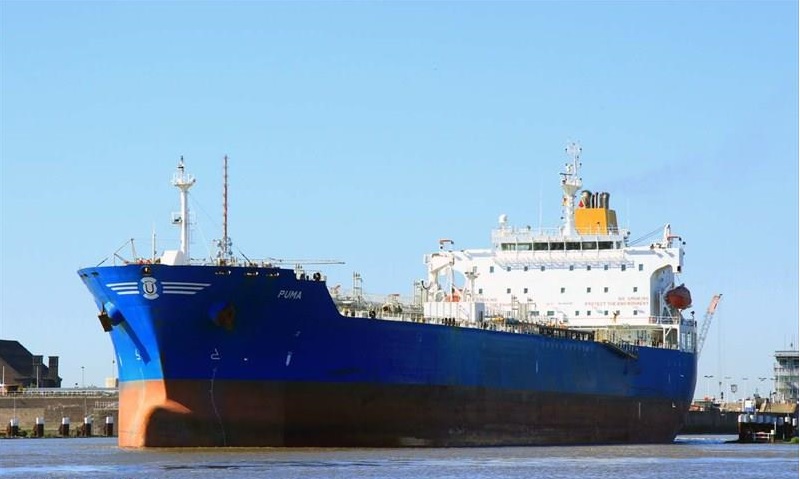
The first vessels in Latin America to receive the equipment belong to the Chilean maritime agency Ultranav and will be the oil and chemical tanker ships “Puma” and “Culpeo,” both flying the Panamanian flag.
The delivery of the equipment by Wartsila is scheduled for September and October this year, and the Chilean ships will become part of a new generation of vessels adapted to the changes in environmental standards aimed at preserving the global ecosystem.
-
Over 2,000 Tons of Discarded Fishing Nets Since 2020 Repurposed into Durable Caps, Fins, and Parts

-
Seals and Sea Lions Lose Habitat and Food as Climate Change Advances, Impacting Ice, Prey, and Coastal Communities

-
Brazilian Innovator Uses 3D-Printed Device to Cool Two Rooms with One Air Conditioner
-
China Uses 432 Robots to Move a 7,500-Ton Historic Building in Shanghai, Preserving Architecture While Creating Space for Underground Center


The System
The technology used for the ballast water treatment of ships is called Wärtsilä Aquarius EC BWMS and will carry out electro-chlorination (EC) of the ballast water within the piping through equipment installed in a bypass.
According to Wartsila, the process is safe, flexible, and economical and allows for the elimination of invasive aquatic species. The company has already announced the development of another system with the same function called Aquarius UV, which uses ultraviolet (UV) treatment.
The international agreement for the control and management of Ballast Water and Sediments from Ships was signed in 2004, but after many discussions, it only came into force in 2017.
The intent of the IMO resolution is to regulate the management and control of ballast water from ships, in order to minimize the risk of spreading harmful aquatic organisms and pathogens that threaten the planet’s ecosystem.
Thus, ships covered by the IMO convention need to have a Ballast Water Treatment System installed, like the one developed by Wartsila, or, in the case of new vessels, to receive the system at the time of construction at the shipyards.