Portuguese
  Spanish


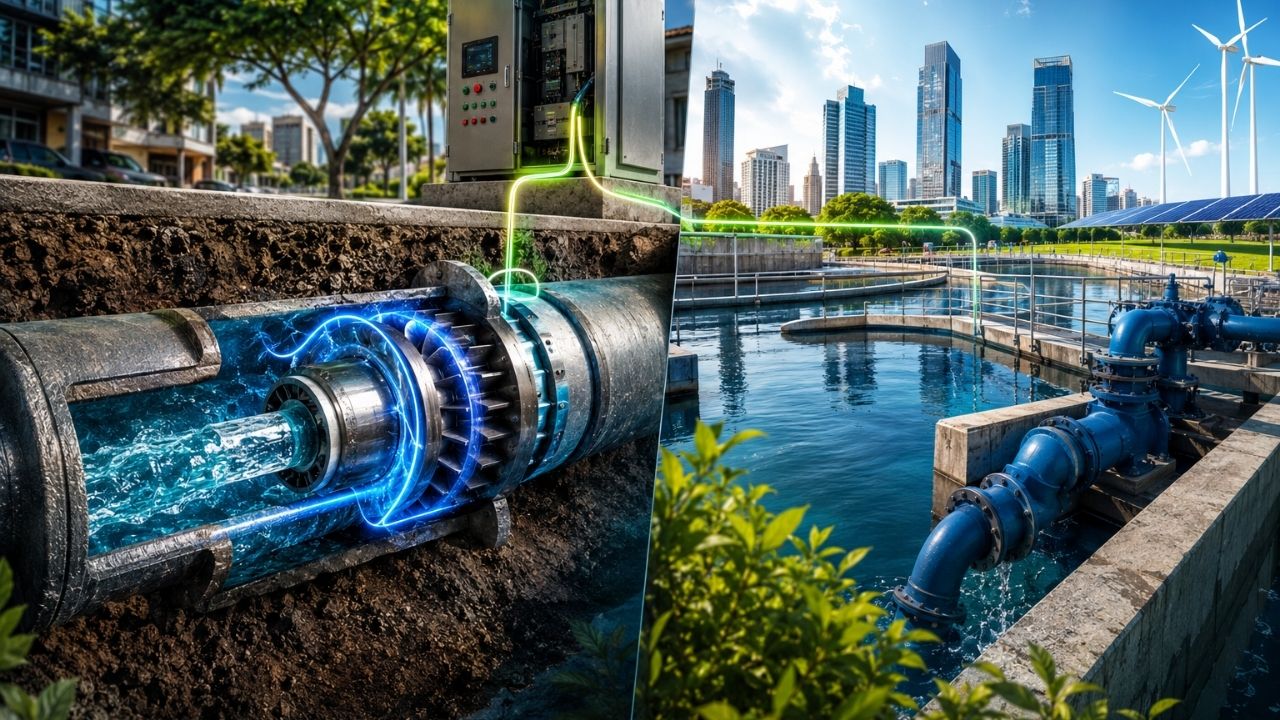

With hydroelectric power in conduits, CHEETA project of ORNL analyzes municipal, industrial, and irrigation pipelines that move water under pressure. Research indicates a conservative potential of 1.41 GW in the US, including 662 MW in irrigation, 378 MW in industry, and 374 MW in municipal systems, without requiring new dams.
Hydroelectric power can be hidden in places that many people do not associate with electricity generation: pipelines, channels, and water supply systems. In the United States, the Oak Ridge National Laboratory, ORNL, investigates how this existing infrastructure can be used to produce energy with less environmental impact.
According to the Oak Ridge National Laboratory (ORNL), the project is led by researcher and water resources engineer Scott DeNeale, within the ORNL’s Water Power Program. The initiative, highlighted in April 2026, specifically targets municipal, industrial, and irrigation systems, where water already circulates under pressure and can move turbines without the construction of large dams.
How water that already circulates can turn into electricity

The so-called hydroelectric power in conduits takes advantage of the water pressure in pipelines, open channels, and supply systems to spin a turbine. Instead of creating a reservoir or altering a river, the technology tries to use the force that already exists within functioning hydraulic networks.
-
World’s Largest Camera, with 3,200 Megapixels, Begins Operation, Capturing Sky Images Every 30 Seconds for the Next Decade

-
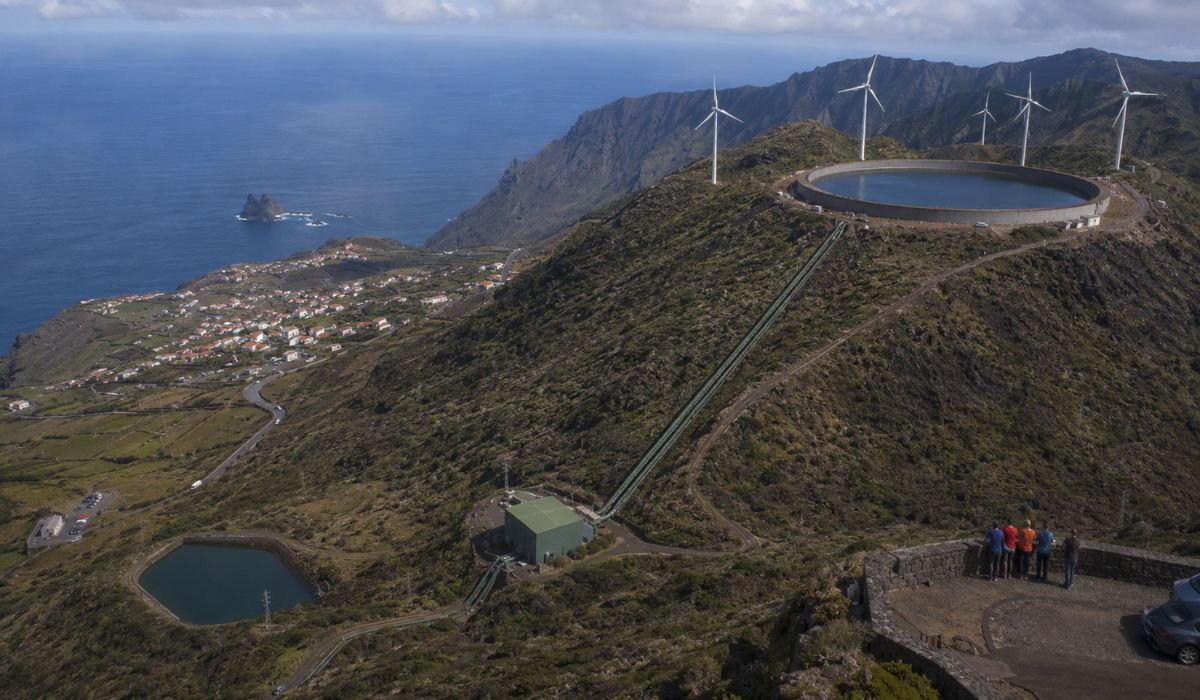
Canary Island with 11,000 Residents and Over 500 Volcanoes Uses Wind and Water as a Giant Battery to Demonstrate Remote Areas Can Survive Without Fossil Fuels

-
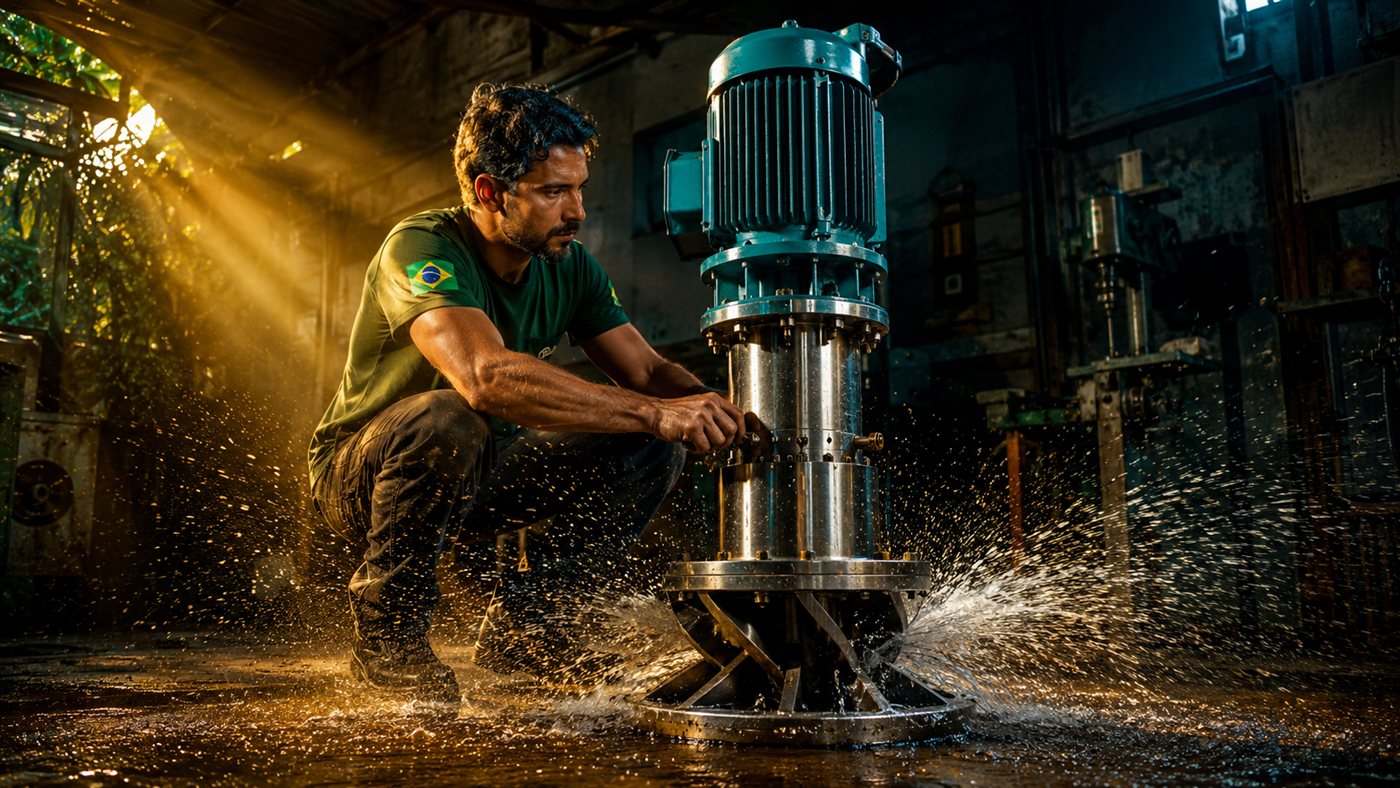
Brazilian Craftsman Builds Small Hydropower Plants Generating Over 1,000 kWh Monthly, Paying for Themselves in Just Over a Year

-
Unknown Molecule Possibly Detected on Pluto and Titan by James Webb Telescope


In many cases, the energy of the water is dissipated when valves reduce pressure in the systems. This force, which could be lost in heat or vibration, is captured by equipment installed at strategic points. The idea is to turn an operational loss into useful electricity.
Why this technology dispenses with large dams
The main difference compared to traditional hydropower is the scale of the intervention. Hydropower in conduits does not rely on large constructions, flooding, or extensive damming. It operates within already constructed water systems, such as municipal networks, industrial facilities, and irrigation channels.
According to ORNL, many pieces of equipment used in this type of application are pump-turbines, essentially pumps capable of operating in reverse to generate electricity. This makes the solution less associated with megastructures and more linked to the efficiency of existing infrastructure.
Potential in the USA involves irrigation, industry, and municipalities
A 2025 report from ORNL indicated that the United States had 337 conduit hydropower plants, with a total production of 836 MW. Despite this, the laboratory considers that this generation represents only a small part of the available potential in the country.
The conservative estimate indicates that new installations could add 1.41 GW to the US power grid, a volume deemed sufficient to supply about 1 million homes. Of this total, about 662 MW would be in agricultural irrigation systems, 378 MW in industrial pipelines, and 374 MW in municipal water systems. The greater potential, therefore, is not only in cities but also in the countryside and industry.
CHEETA project aims to accelerate real applications
To transform this potential into practical projects, ORNL is developing CHEETA, an acronym for Conduit Hydropower Engineering, Evaluation, and Technology Acceleration. The initiative receives support from the Water Power Technologies Office of the United States Department of Energy.
The goal is to help municipalities, utilities, and companies understand where hydropower in conduits can be viable. This includes technical evaluation, best practices, analysis tools, and assistance to overcome real implementation barriers. The focus is not just to prove that the technology exists, but to accelerate its use in concrete systems.
Costs, scale, and return depend on each system


Hydroelectric power projects in conduits are usually smaller than conventional plants. Many have less than 1 MW, and the smallest can generate about 10 kW. The source reports that development costs can start around $100,000, depending on the size and configuration.
Viability improves when there is a large flow and elevation difference, called head height. In some scenarios, installation can be done at points where there was already a pressure reducing valve. Even on a smaller scale, almost continuous operation can make the return faster, with some analyzed projects indicating a period of less than 10 years and, in some cases, between three and five years.
What remains in debate
Research from ORNL shows that hydroelectric energy does not need to be limited to the classic image of large dams. In municipal pipelines, industrial ducts, and irrigation channels, part of the water’s force already in motion can be reused to generate electricity in a more discreet way and integrated into the existing infrastructure.
The challenge lies in identifying where this solution really pays off, considering pressure, flow, cost, operation, and maintenance. Even so, the proposal raises an important question: if the energy is already passing through the pipes, does it make sense to continue wasting this potential? Do you think water systems in Brazil should also be evaluated to generate electricity? Leave your opinion in the comments.