






 Portuguese
  Spanish


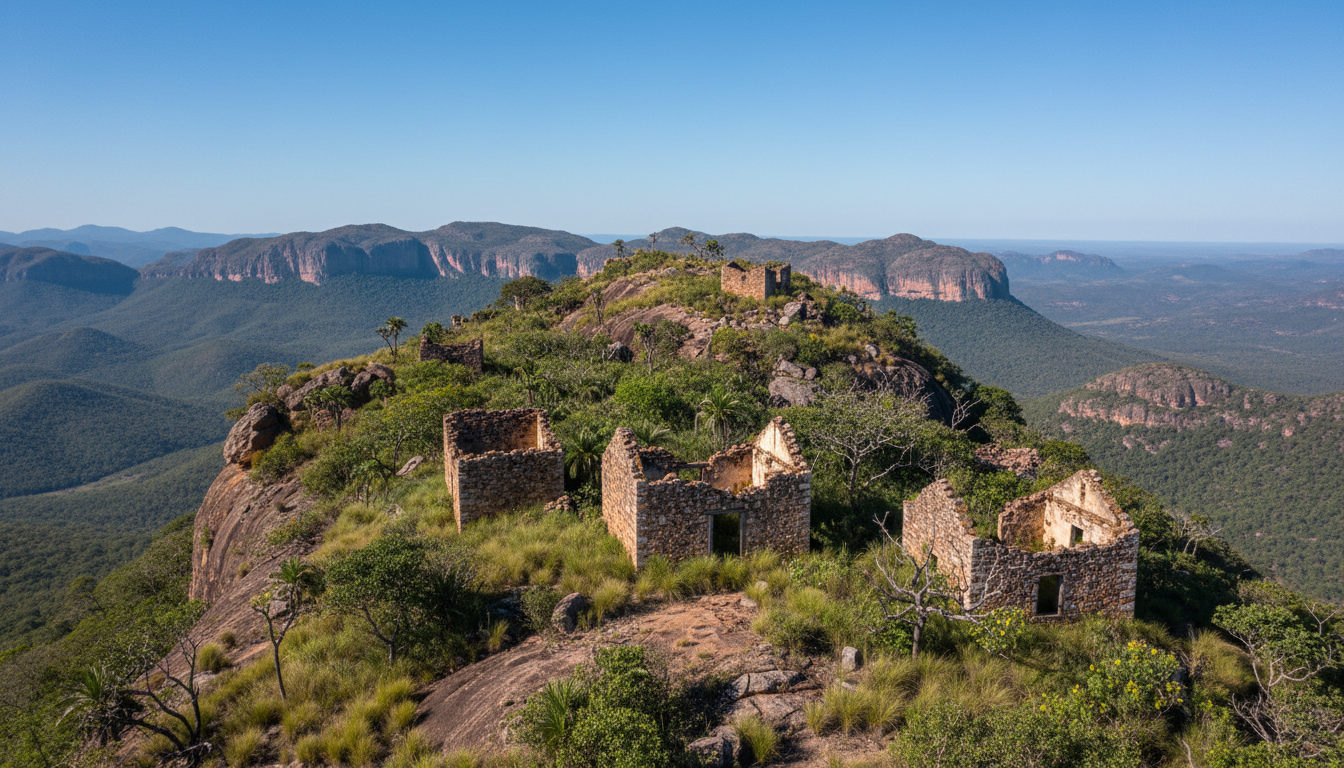
Nestled high in the Serra do Sincorá, within the Chapada Diamantina National Park, a village of stone houses without mortar once housed 9,000 prospectors at the height of the diamond rush and today has only 380 residents among ruins that look medieval
High in the Serra do Sincorá, within the Chapada Diamantina National Park, there is a place that seems to have stopped in time. Igatu, the ghost village of Bahia, housed 9,000 prospectors at the height of the diamond rush in the 19th century.
Today, only 380 residents remain among stone houses without mortar that resemble medieval ruins. The name comes from Tupi: y (water) + katu (good), meaning “good water”.
The village was listed by IPHAN in June 2000. An area with approximately 200 properties, including inhabited buildings and ruins, gained official protection.
-
Oil Company Robots Discover 3,300-Year-Old Canaanite Shipwreck in the Mediterranean, Proving Ancient Mariners Navigated Open Seas by Stars Long Before Historians Thought

-
Facing high rent costs in Brazil, couple swaps apartment for life on a sailboat, reducing expenses significantly.

-
Avoiding the rental cycle, 26-year-old transforms school bus into a solar-powered mobile home for road living, spending up to $35,000 on renovations.
-
Survivor of 1966 SS Daniel J. Morrell Shipwreck in Lake Huron Recounts 38-Hour Ordeal in Extreme Cold


Igatu is the only Brazilian district entirely within the boundaries of a National Park. This condition makes the place even more preserved and isolated.
From 9,000 prospectors to 380 residents: the rise and fall of the diamond rush in Igatu
At the height of the prospecting, in the mid-19th century, Igatu buzzed with 9,000 people. Diamonds sprang from the mountains and attracted adventurers from all over Brazil.

The houses were built with stacked stones without cement, fitted together by pressure. The prospectors built quickly to return to the mines.
In 1854, a prospector who found a diamond had the Church of São Sebastião built in stone as a fulfillment of a promise. Three 19th-century cemeteries surround the church.
The decline began with the end of slavery and competition from South African diamonds. Carbonado (black diamond) temporarily sustained the economy due to the Panama Canal.
The discovery of synthetic diamonds dealt the final blow. In 1996, prospecting was officially halted.
What to do in Igatu: trails, waterfalls, art gallery among ruins, and a handmade census

The Gallery Arte & Memória, created by artist Marcos Zacariades, serves as an open-air museum among the ruins. It displays sculptures, tools of prospectors and enslaved people.
A 7.5 km trail connects the Church of São Sebastião to Andaraí, passing by bathing spots in the Coisa Boa River. This was the historical path of the prospectors.
The Cachoeiras dos Cristais and da Califórnia are less than 2 hours’ walk from the village. The Rampa do Caim, at 10 km, offers a viewpoint over the Vale do Pati.
A resident named Amarildo dos Santos conducts a handmade census of Igatu every year. He records it in handwritten books sold from his own home — it is one of the most curious censuses in the country.
How to get to Igatu: 25 km of dirt road from Andaraí

Igatu is 25 km from Andaraí via steep dirt road. There is no regular public transport — a private car, taxi, or agency is necessary.
As reported by Estado de Minas, population estimates range between 300 and 400 residents. IPHAN describes Igatu as a “living museum of diamond mining in Brazil”.
Comparisons to Machu Picchu are frequent due to the visual of stone ruins mimicked against the hillside. However, Igatu is from the 19th century, not pre-Columbian. It is a piece of Brazilian history that has survived abandonment and now enchants visitors who accept the adventure of getting there.


-

1 person reacted to this.