





 Portuguese
  English
  Spanish
  6 min of reading
  0 comments


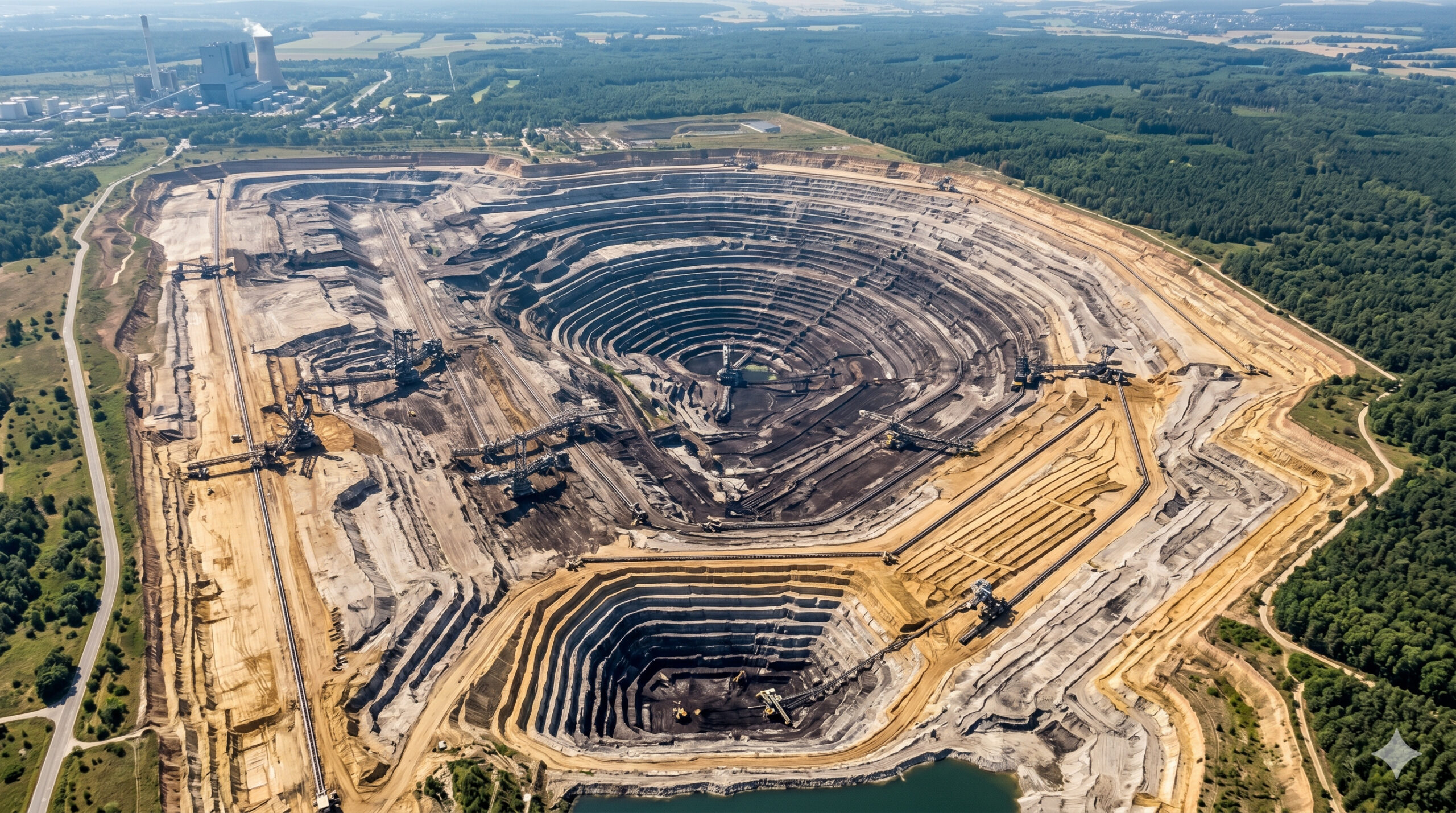
Hambach Mine in Germany occupies 44 square kilometers, descends 300 meters below sea level, and is visible from space, revealing the extreme scale of coal mining in Europe.
In 2022, updated images released by the NASA Earth Observatory drew attention to one of the largest human transformations ever made to the European landscape: the Hambach coal mine, located in the state of North Rhine-Westphalia, Germany. The complex, operated by the energy company RWE, has become one of the most extreme examples of open-pit mining on the planet, with an excavation area of about 44 square kilometers and depths reaching nearly 300 meters below sea level, according to technical data published by NASA itself.
What makes Hambach a unique case is not only its physical size but the fact that its scale is so large that it completely alters the regional landscape, creating an artificial formation that is even visible from orbiting satellites. The image captured by astronauts from the International Space Station shows a huge irregularly shaped cavity surrounded by agricultural areas, villages, and forests, revealing a brutal contrast between industrial activity and the surrounding territory.
Hambach Mine Germany dimension, depth, and scale visible from space
The Hambach mine is often described as one of the largest open-pit lignite (brown coal) mines in Europe. According to the NASA Earth Observatory, its excavated area reaches approximately 44 km², equivalent to tens of thousands of continuous football fields excavated in giant steps.
-
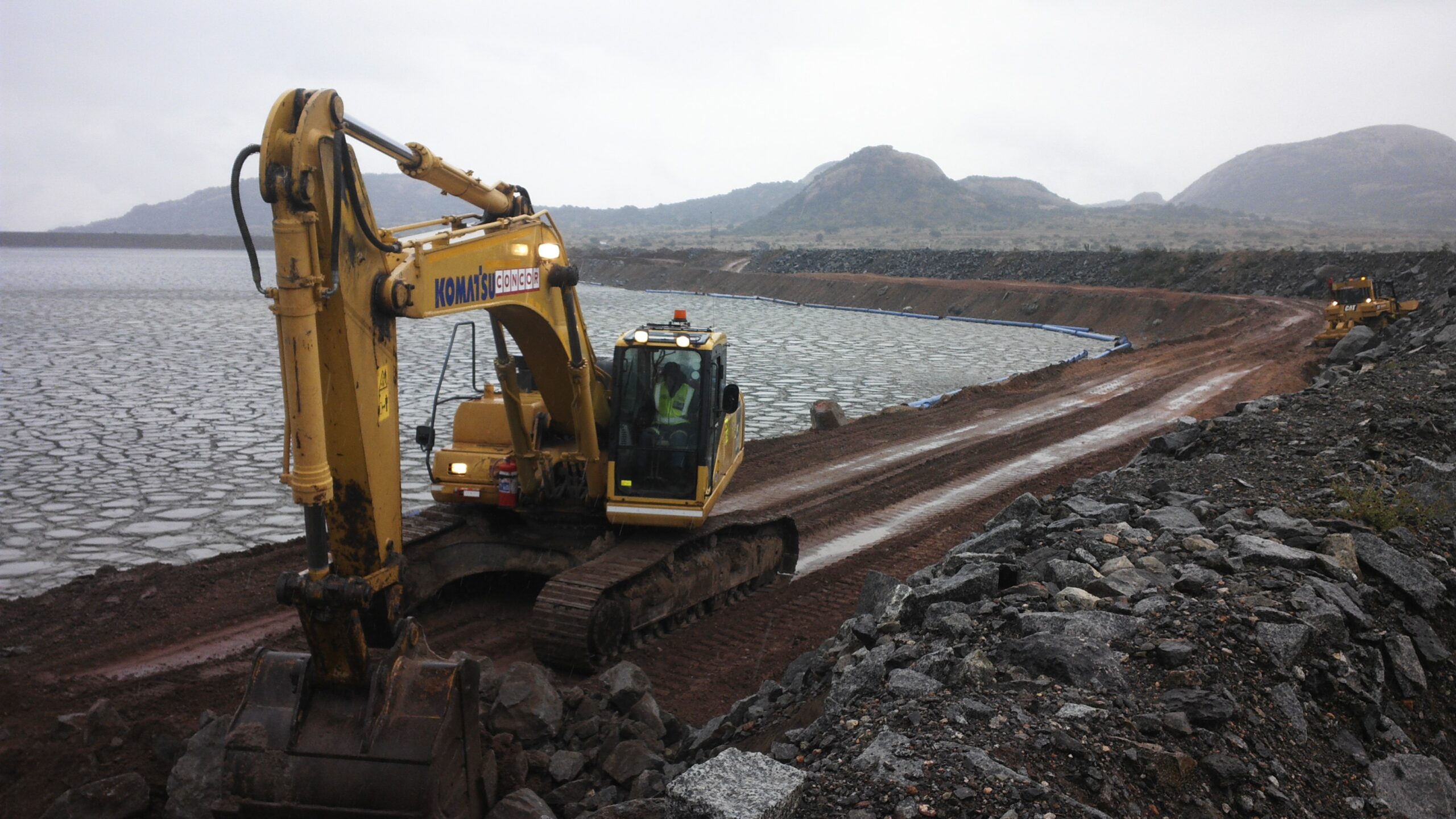
The largest precious metals mine under construction in the world is situated on a layer of ore 25 times thicker than common mines in South Africa, and has just connected a third shaft that will quintuple the extraction of platinum, palladium, and gold.

-
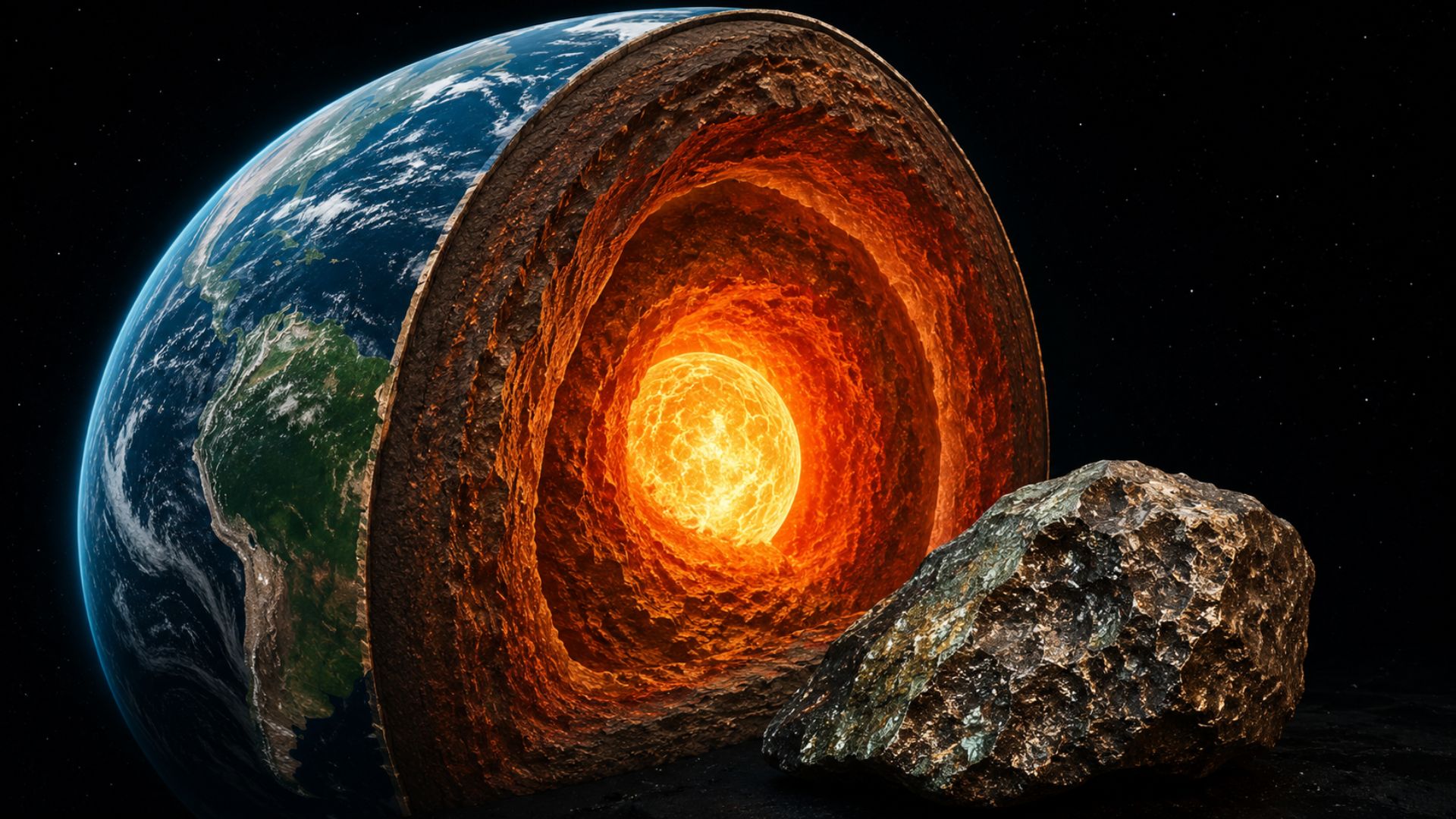
The most abundant mineral on Earth makes up about 38% of the planet’s volume and dominates the mantle hundreds of kilometers deep, but it is so inaccessible that humanity only managed to touch it thanks to a meteorite that fell in Australia in 1879.

-
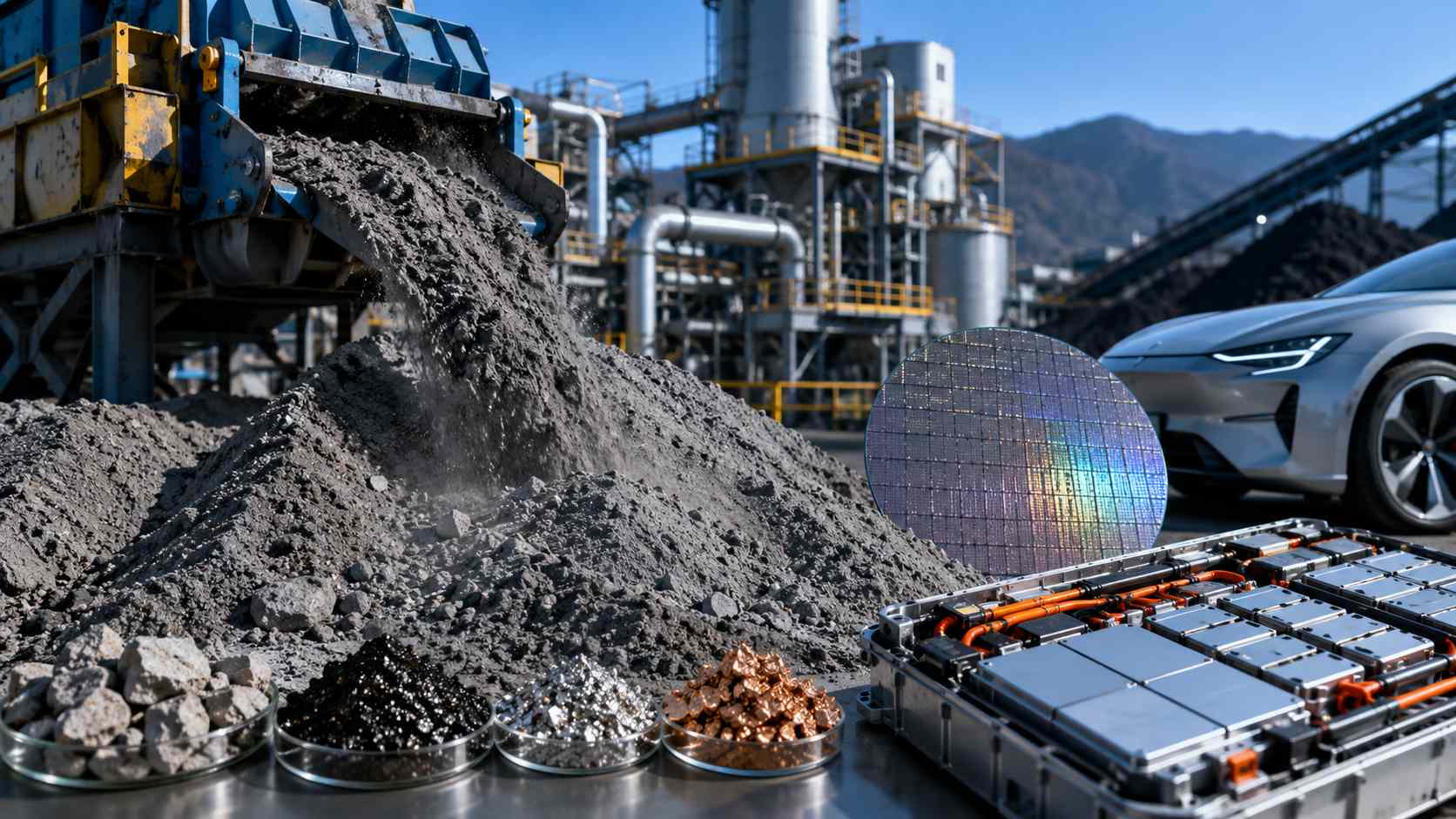
China wants to transform coal waste into a source of critical metals and use industrial ash to extract germanium, lithium, gallium, and aluminum used in batteries, chips, and electric vehicles.

-
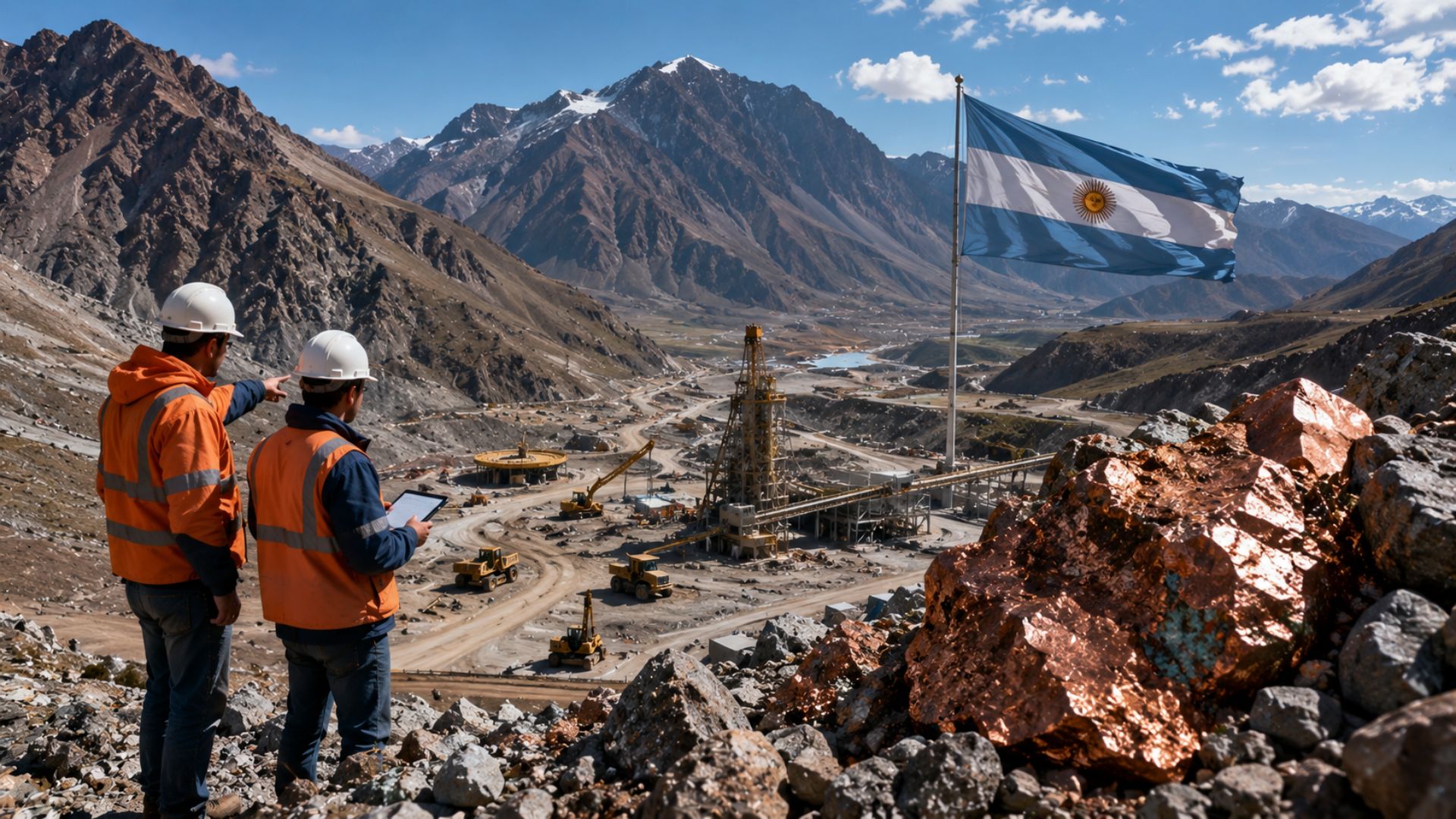
Without producing a single ton of copper today, Argentina wants to become one of the ten largest producers of the metal in the world by 2035, betting on the Andes deposits and billion-dollar incentives from the Milei government to unlock projects that have been stalled for decades.
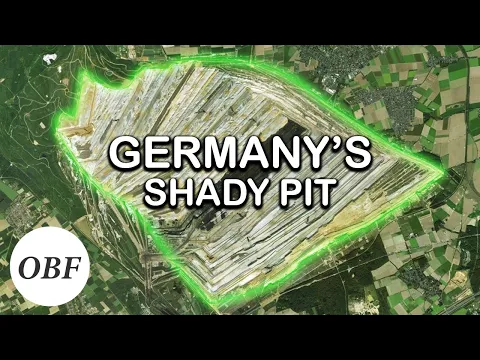

The depth is also impressive. At its lowest point, the pit reaches nearly 300 meters below sea level, making it one of the deepest excavations on the European continent for this type of operation. This depth requires a continuous drainage system to prevent groundwater from flooding the mining area, a permanent technical challenge that involves massive pumping and constant hydraulic control.
Additionally, the mine produces about 40 million tons of coal per year, primarily feeding power plants in the region. This volume places Hambach among the largest coal operations in Europe in terms of continuous production.
The combination of area, depth, and extracted volume creates a unique geometry: concentric stepped layers that spiral down to the bottom of the pit, forming a pattern that, when viewed from space, resembles a gigantic artificial crater excavated with industrial precision.
How open-pit mining transforms entire landscapes in Europe
The operation in Hambach follows the classic model of open-pit mining, where surface layers of soil and rock are removed to access the mineral below. In the case of lignite, which forms in relatively shallow layers, this method is more economically efficient than underground mining.
However, the scale of this removal is extreme. Before coal can be extracted, enormous volumes of overburden, including soil, sand, and rocks, must be removed.
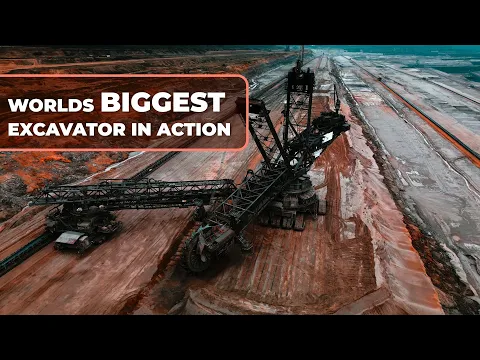
This material is displaced by gigantic machines, such as bucket-wheel excavators, some of the largest mobile machines ever built by humans.

These machines operate continuously, removing thousands of tons per hour and creating giant piles of waste material around the pit.
Over decades of operation, this process not only deepens the main hole but also completely modifies the regional topography, creating artificial hills, depressions, and new geographical configurations.
The result is an irreversible transformation of the landscape. Regions that were once covered by forests or agricultural areas now display a massive industrial structure, with internal roads, conveyor belts, and drainage systems operating in an integrated manner.
Why the Hambach mine is visible from space and catches NASA’s attention
The visibility of the Hambach mine from space is not only a consequence of its size but also of the visual contrast it creates with the surrounding environment.
According to the NASA Earth Observatory, the pit stands out clearly in orbital images due to the difference in color, texture, and geometry compared to neighboring agricultural fields and urban areas.
While the surroundings present green tones and regular patterns of cultivation, the mine displays exposed surfaces of soil and rock in brown and gray tones, organized in stepped layers. This contrast creates a unique visual signature that can be easily identified in satellite images.
In addition, the shape of the excavation, with well-defined edges and pronounced depth, reinforces the impression of a large-scale artificial structure, similar to a crater. This type of formation is frequently used by NASA as an example of how human activities can be detected and analyzed from space.
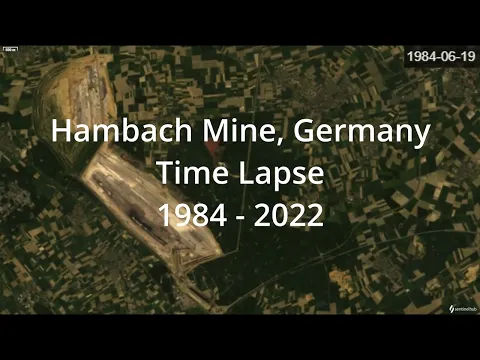
Orbital observation allows monitoring the expansion of the mine over time, recording how the excavation advances and how the surrounding territory is gradually incorporated into the operation.
Economic and energy impacts of coal mining in Germany
The Hambach mine plays a central role in Germany’s energy system, especially in supplying lignite for electricity generation. The coal extracted there feeds power plants that have historically contributed significantly to the country’s energy matrix.
From an economic perspective, the operation supports thousands of direct and indirect jobs, in addition to driving industrial chains related to energy, transportation, and heavy engineering. The company RWE is one of the main operators in the sector and has lignite mining as one of its historical bases of operation.

However, the role of coal in Germany has been progressively reviewed in recent years, with policies aimed at energy transition and reducing carbon emissions. Still, Hambach continues to operate while the country balances energy security and environmental goals.
This context creates a tension between the need to maintain energy supply and the pressure to reduce the use of fossil fuels, especially in a global climate change scenario.
The advancement of the pit and the displacement of entire communities around the mine
One of the most impactful aspects of the operation in Hambach is the continuous expansion of the pit over the decades. As new areas are incorporated into mining, entire communities have been displaced to make way for the excavation.
Several historic villages in the region have been vacated and demolished, with residents relocated to other areas.
This process, although planned and financially compensated, represents a profound transformation in the social and cultural fabric of the region.
Furthermore, forested areas have also been affected. The so-called Hambach Forest, which originally covered a much larger area, has become a symbol of disputes between mining and environmental conservation.
These changes reinforce the idea that large-scale mining not only alters the soil but also the human, economic, and environmental dynamics of entire regions.
What this “visible scar from space” reveals about the future of mining
The Hambach mine represents one of the clearest examples of how human activity can modify the planet on a geological scale. The excavation of 44 km² and a depth of hundreds of meters place the operation on a level comparable to large natural formations in terms of visual impact.
At the same time, it raises questions about the future of mining and energy generation. The dependence on fossil resources, environmental impacts, and changes in the global energy matrix indicate that operations like Hambach may become increasingly rare or transformed over the coming decades.
Still, its current existence serves as a portrait of an industrial model that has pushed engineering to the limits of scale, creating structures that can be observed not only from the ground but also from space.

The ability to excavate, move, and reorganize gigantic volumes of earth demonstrates an impressive level of technical mastery, but also highlights the challenges associated with this type of intervention.
And you, do you think megamines like Hambach will still have a place in the future of global energy or are they on borrowed time?
The scale of this operation raises an inevitable discussion about how far mining can advance without compromising environmental and social balance. With the ongoing energy transition and new technologies emerging, the role of megaprojects like Hambach may change radically in the coming years.








-

-

-

-

-

-

34 people reacted to this.