Portuguese
  Spanish


With underground reserves capable of supplying entire cities, Brazil still leaves 33 million people without regular access to treated water
Brazil has water everywhere. Giant rivers, tropical rains, colossal underground reserves, and some of the planet’s largest aquifers. But behind this abundance lies a shocking contradiction: millions of Brazilians still turn on the tap and don’t find safe water.
The number is striking: 33 million people do not have access to treated water. And the most absurd part is that many of them live in regions with immense water wealth right beneath their feet.
The country of water that doesn’t reach people’s homes
Brazil doesn’t suffer only from a lack of water. The real problem is much deeper: precarious infrastructure, non-existent networks, poor management, regional inequality, and decades of insufficient public policies.
-
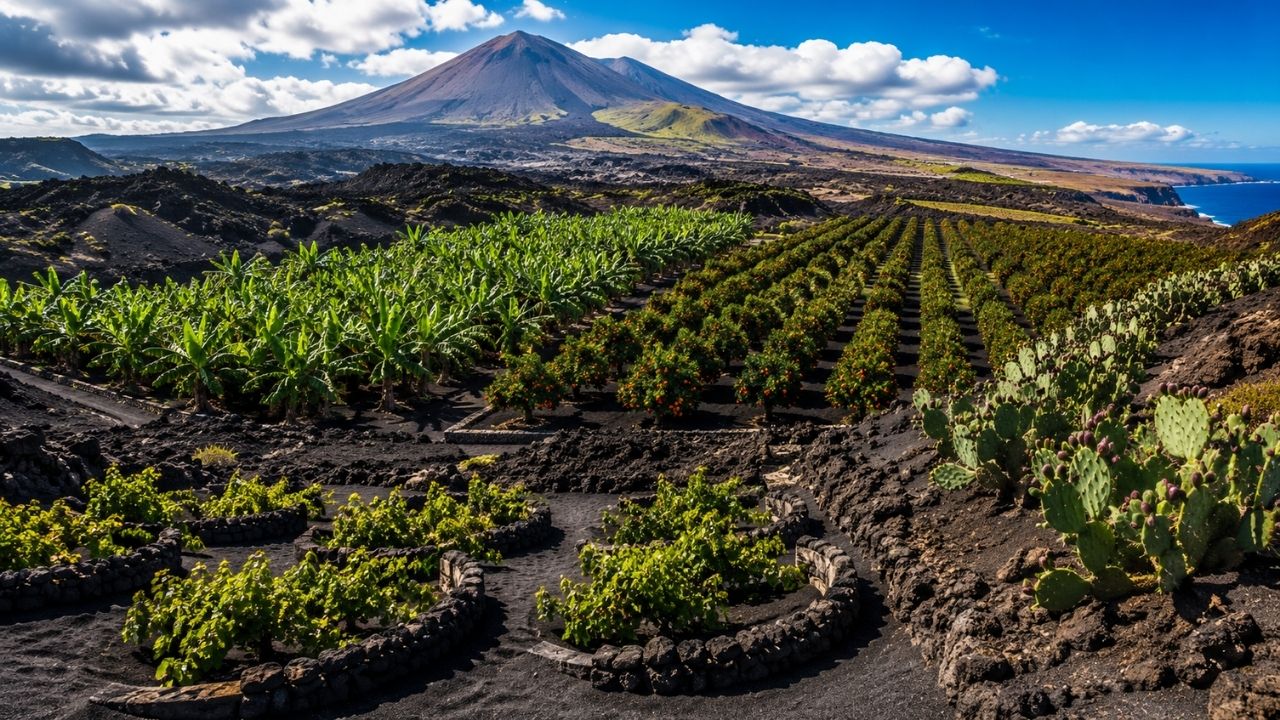
Volcanic Soils from Destructive Eruptions Turn into Million-Dollar Crops: Ashes Nourish Grapes in Lanzarote, Bananas in the Canary Islands, Blood Oranges on Mount Etna, and Cacti in Mexico, Showcasing How Lava-Formed Lands Sustain Rare Harvests in Seemingly Barren Regions

-
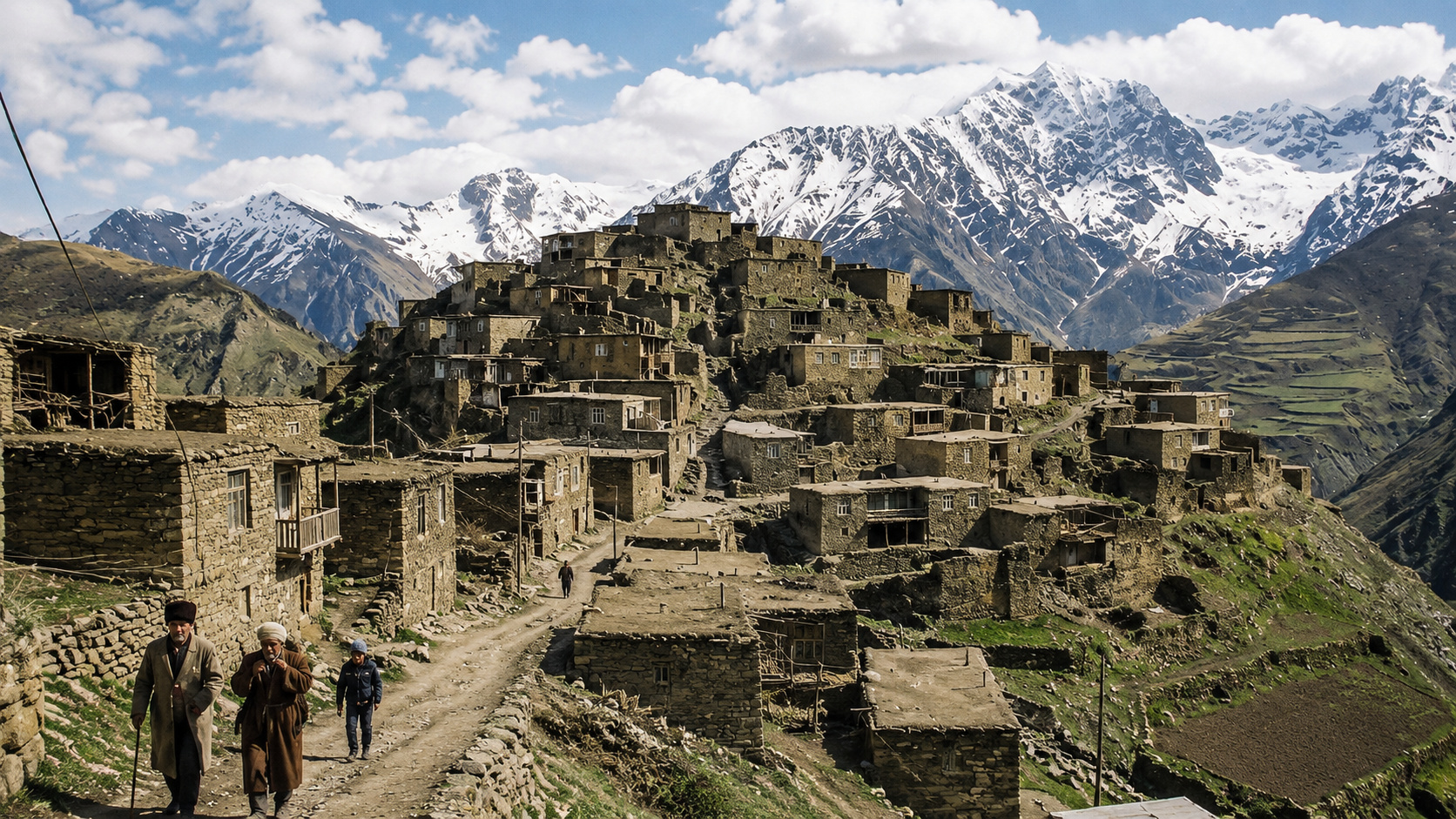
In the Caucasus Mountains, a Community Preserves a Language So Rare Few Outsiders Can Understand It

-
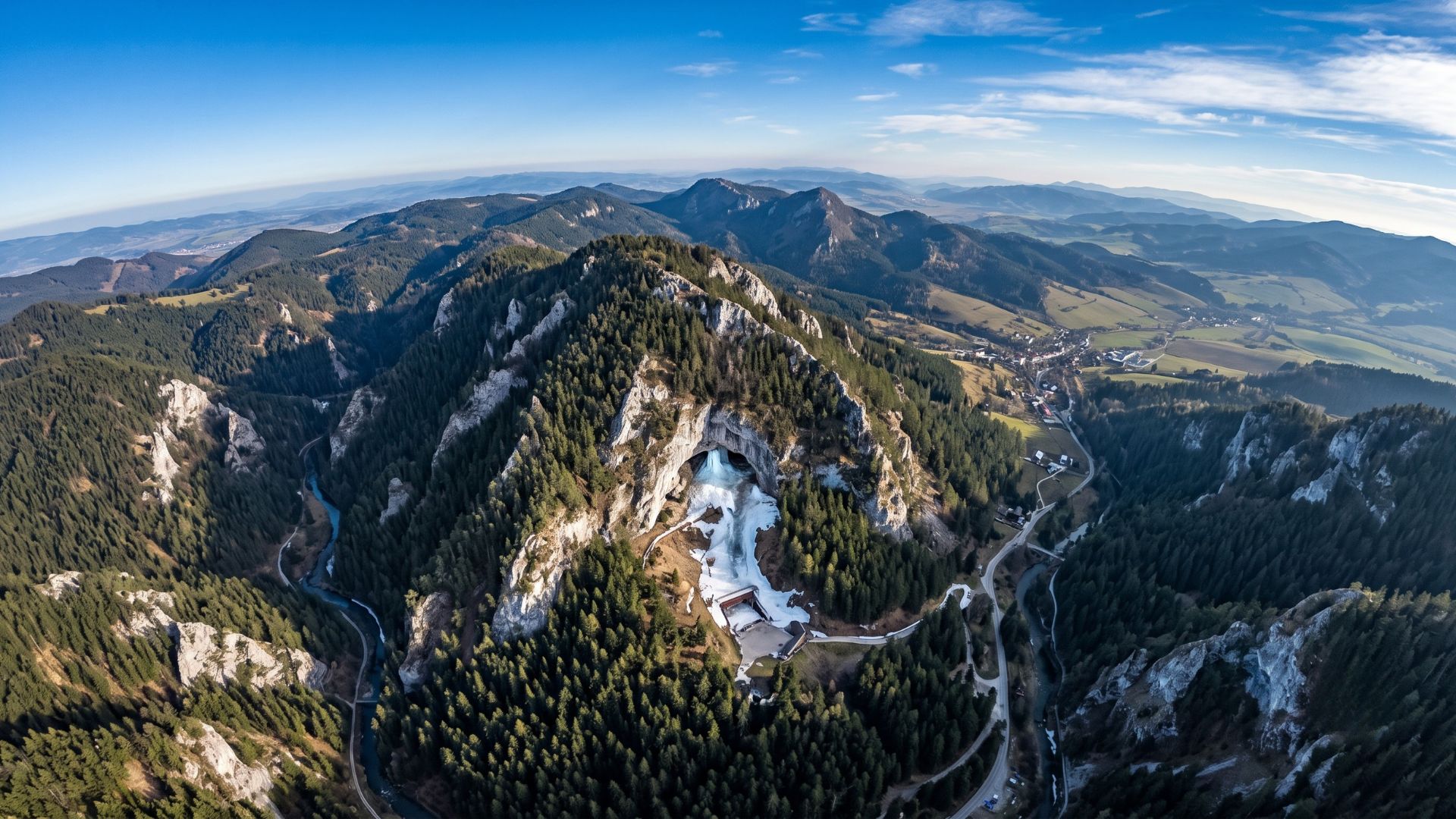
Slovakia’s Ice Cave Holds Over 110,000 m³ of Frozen Wonders, Boasts Walls Up to 27 Meters Thick, and Was Among the First Electrified Caves Globally

-
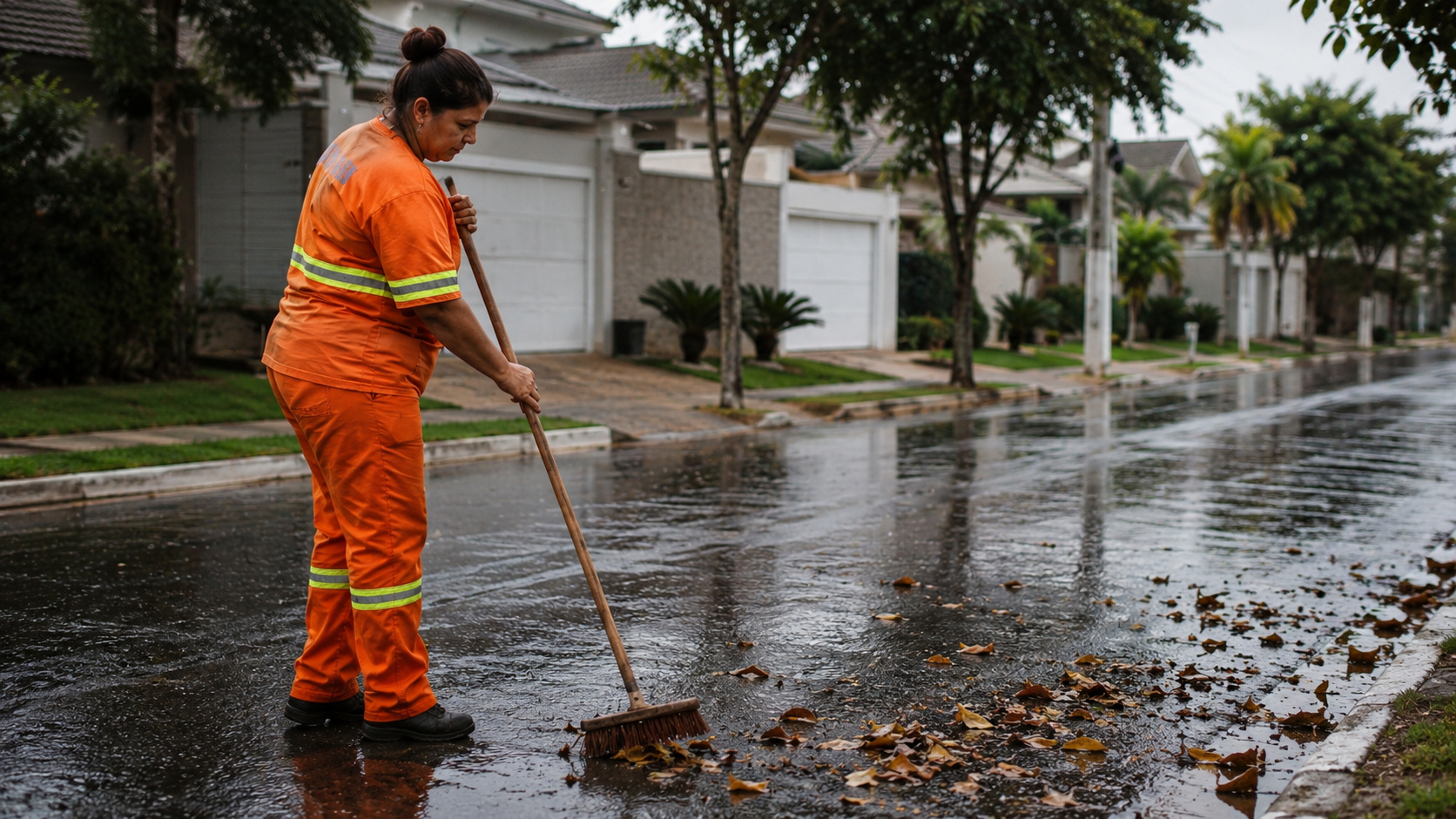
Street Cleaner Accidentally Receives $200,000 Transfer, Returns Unexpected Fortune to Rightful Owner
Having a river nearby doesn’t mean having potable water. Having an aquifer underground also doesn’t guarantee that this water will reach a family’s kitchen, bathroom, or glass clean.
To transform raw water into safe water, well-constructed wells, pumping, energy, treatment, piping, sanitary control, and constant maintenance are necessary. Without these, natural abundance becomes an empty promise.
The most absurd paradox: giant water beneath your feet

The most emblematic case is that of regions with large aquifers. Brazil is part of the Guarani Aquifer System, one of the world’s largest underground freshwater reserves, shared with Argentina, Paraguay, and Uruguay.
There is also the Amazonian system, associated with reserves like Alter do Chão, frequently cited as one of the country’s greatest underground water resources.
But here arises the great irony: in areas of enormous natural abundance, access to treated water remains dramatically low.
The North region exposes the open wound
The North region is the cruelest portrait of this contradiction. It is an area marked by gigantic rivers, forest, intense rainfall, and water reserves, yet it presents some of the country’s worst sanitation indicators.
Cities like Porto Velho, Santarém, Rio Branco, Macapá, and Ananindeua frequently appear as critical examples when discussing limited access to potable water.
The image is hard to accept: families surrounded by water, yet forced to consume water without adequate treatment or rely on improvised solutions.
It’s not enough to drill a well and expect miracles

A dangerous idea is frequently repeated: “if there’s an aquifer, just drill.” But the reality is much more complex.
Aquifers are not perfect underground pools. They can have discontinuous areas, difficult depths, brackish water, contamination, geological challenges, and high extraction costs.
Furthermore, a poorly constructed well can further contaminate the system. Without technical control, what seems like a solution can turn into a new threat to public health.
Sanitation that contaminates its own underground wealth
Brazil’s water problem is directly linked to another drama: the lack of sewage collection and treatment.
When there is no adequate network, waste ends up in precarious septic tanks, soakaways, rivers, in the soil, and often underground. In other words: the country may be contaminating precisely the reserves that could help it.
The absence of sanitation transforms underground water into a silent victim of a crisis that has dragged on for decades.
Thirty years of promises and insufficient results
Brazil has created plans, laws, and regulatory frameworks. There was Law 11.445/2007, Plansab, the new Legal Framework for Sanitation, and ambitious universalization goals.
But, for millions of people, these promises have not yet transformed into clean water flowing from the tap.
The main obstacle is not just legal. It is financial, technical, political, and territorial. Many cities lack investment capacity, others depend on fragile contracts, and several poor regions remain unattractive to large operators.
Inequality decides who drinks safe water

Access to treated water in Brazil also reveals an uncomfortable truth: infrastructure arrives first where there is more income, more political pressure, and greater economic return.
Urban peripheries, rural communities, Amazonian populations, isolated areas, and poorer municipalities often end up at the back of the line.
Thus, water ceases to be merely a natural resource and becomes a brutal marker of inequality. Those with a network pay a tariff and receive treatment. Those without, improvise.
The tap runs dry in a hydraulic powerhouse
The Brazilian case shows that natural abundance is useless without efficient public management. A country can have monumental rivers and gigantic aquifers, but still fail at the most basic task: ensuring safe water for its population.
The plight of the 33 million is not just a number. It is a daily denunciation against decades of neglect, delayed works, and poorly distributed priorities.
The big question Brazil can no longer avoid
How can a country with so much water allow millions to continue living without access to treated water?
This is the question that exposes the heart of the Brazilian water paradox. There is no lack of water. There is a lack of network. A lack of treatment. A lack of investment. A lack of coordination. A lack of urgency.
Beneath the feet of millions of Brazilians, there may be immense wealth. But as long as this wealth does not reach the tap, it will remain just an invisible treasure in a country where many people still live thirsty for dignity.
Made with information from Agência Brasil, Instituto Trata Brasil and SNIS – Sistema Nacional de Informações sobre Saneamento, with public data on access to treated water, basic sanitation, and water inequality in Brazil.