






 Portuguese
  Spanish
  5 min of reading
  0 comments


Between channels 4 and 5, Embaré Beach combines history, tourism, and a curious reputation linked to old medical recommendations in Santos, as well as maintaining a connection with Pelé’s memory and the formation of the Santos coastline.
Embaré Beach in Santos has a long-standing relationship with health, the city’s urban history, and the emotional memory linked to Pelé, who frequented the area where part of his family lived, on Almirante Cochrane Avenue.
Located between channels 4 and 5, the beach became known in the early 20th century for the reputation of its waters, then recommended by doctors as a complement in the treatment of skin and nervous system ailments.
At that time, sea bathing was viewed differently than it is today, less associated with daily leisure and more akin to a therapeutic practice recommended to residents and visitors seeking relief for various health issues.
-
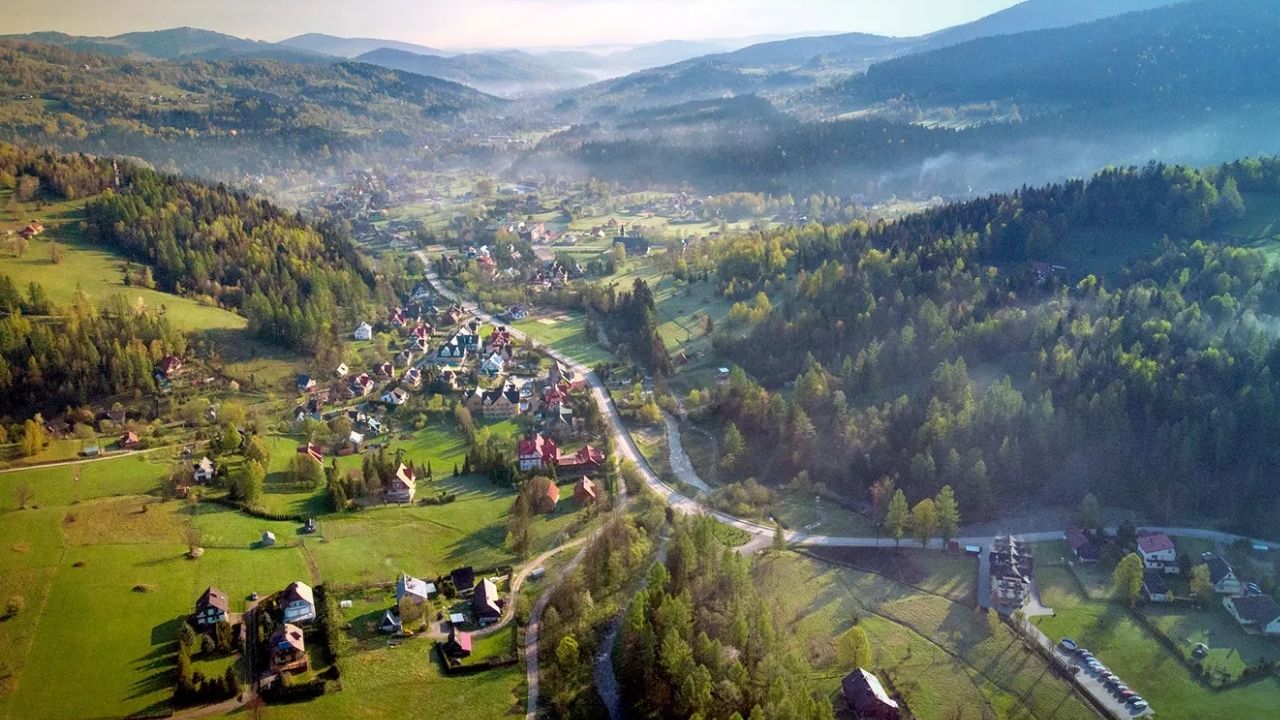
Zawoja, the longest village in Poland, stretches for 18 km between mountains, can take an entire day to cross on foot, and brings together houses, roads, and strips of land in one of the most curious rural formats in Europe.

-
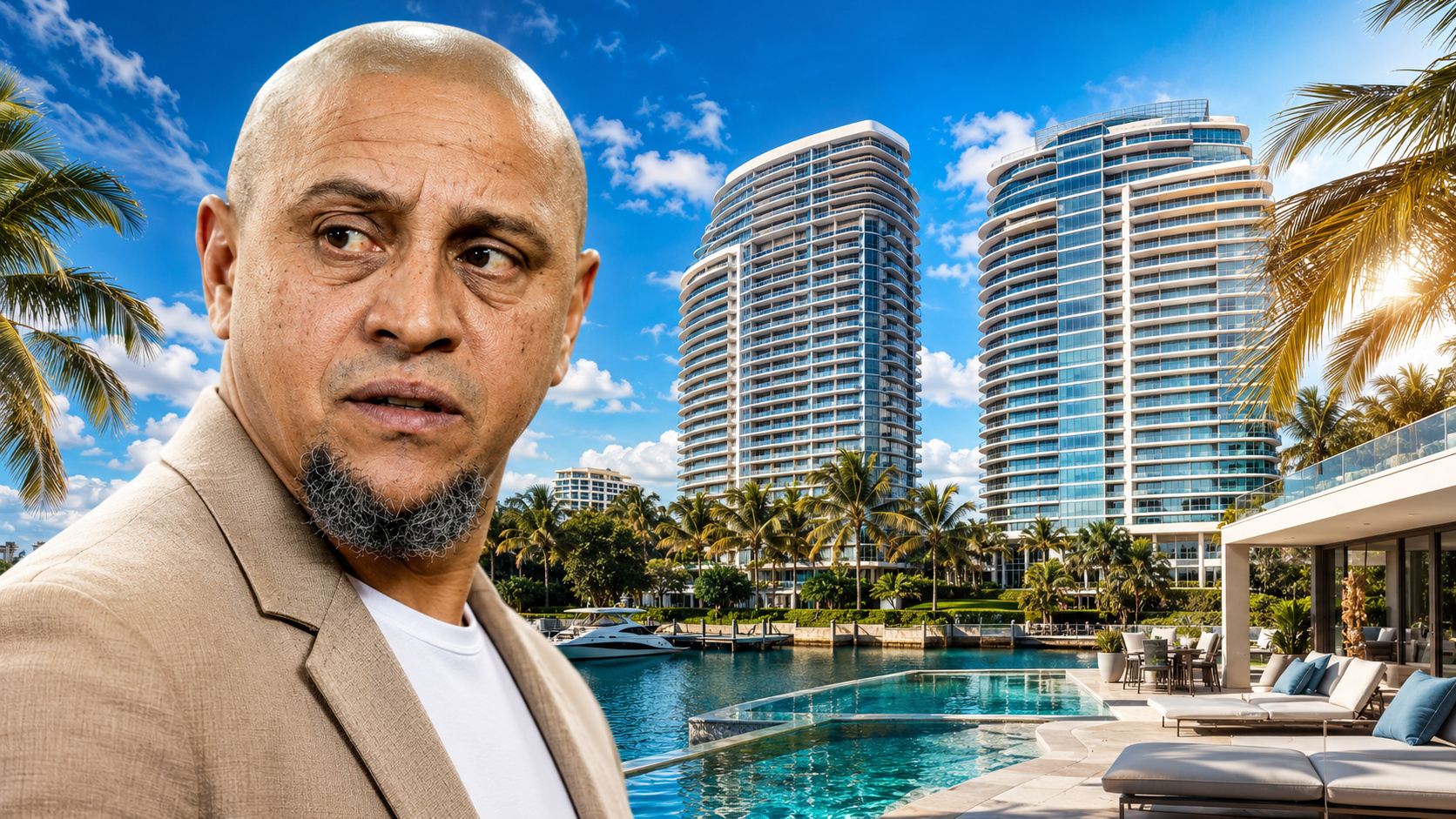
Brazilian National Team idol aims for high luxury in Florida and buys 2 apartments at once for R$ 25 million in a 45-story skyscraper, featuring a private beach club, wine bar, karaoke room, and virtual reality simulator.

-
Why does the microwave door have a screen full of tiny holes and how does this feature allow you to see the food without letting the energy escape?
-
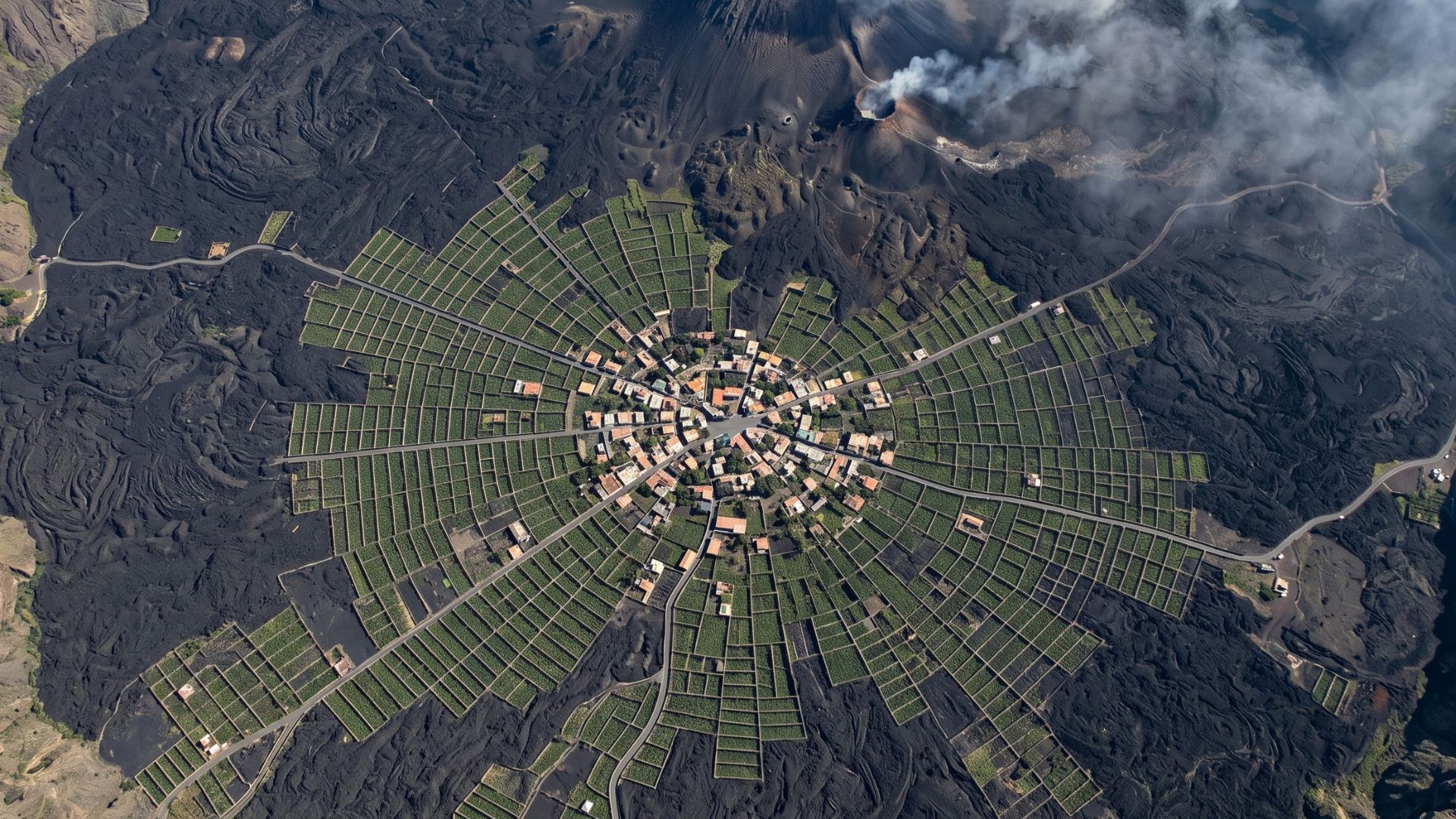
About 700 residents live inside the crater of an active volcano in Cape Verde, with houses and vineyards spread over the already solidified lava. With each eruption that buries the village, the population returns and rebuilds everything in the same place, in one of the most extreme settlements on the planet.


Historical accounts of Santos record that medical advice could even appear in prescriptions, at a time when medicine attributed benefits to contact with saltwater, sea air, and controlled exposure to the coastal environment.
Embaré Beach and the origin of the healing waters
The connection between Embaré and the idea of healing also appears in the very name of the neighborhood, associated with the Tupi expression “mbaràa-hé”, generally translated as “healing waters” in historical records and materials about Santos.
This origin helps explain why the beach became known for a reputation that spanned generations, even though the old medical recommendations belong to a scientific and social context quite different from today.
At the beginning of the last century, the Santos coastline did not yet have the intense rhythm seen today, with a busy promenade, tourism-oriented commerce, and a large presence of residents engaging in walking, sports, or leisure activities.
The change in the population’s relationship with the sea occurred gradually, accompanying the urban growth of Santos, the appreciation of neighborhoods close to the beach, and the transformation of the coastline into one of the city’s main showcases.
Embaré Beach in the daily life of Santos
Embaré has established itself as one of the most traditional stretches of the Santos coastline, with a strip of light sand, generally calmer sea, and proximity to residential areas that maintain a strong connection with local history.
The beach is also close to the Minor Basilica of Santo Antônio do Embaré, one of the most recognized landmarks of the region, located on the beach avenue and integrated into the urban landscape that characterizes this stretch of Santos.
Among residents and visitors, the neighborhood is often remembered for the combination of residential buildings, street commerce, bars, kiosks, and easy access to other areas of the city, especially due to its connection with important avenues.
Additionally, the presence of the canals, built during the urban sanitation process of Santos, helps identify the location of the beach and reinforces a striking visual characteristic of the city, known for its organization along the coastline.
Pelé and the Connection with the Embaré Neighborhood
The relationship between Pelé and Embaré appears in references about his family’s time on Avenida Almirante Cochrane, a traditional street in the neighborhood and close to the area frequented by the King of Football in Santos.
Although Pelé’s career is linked to different addresses and symbols of the city, such as Vila Belmiro and the Pelé Museum, the family presence in Embaré reinforces the athlete’s connection with everyday life in Santos.
This connection helps keep the beach in the local imagination not only as a place for sea bathing but also as part of an emotional geography associated with one of the most well-known figures in football history.
Over the decades, Embaré has come to encompass different layers of memory: the beach of old medical recommendations, the valued residential neighborhood, the tourist spot on the coastline, and the territory linked to Pelé’s history.
How to Get to Embaré Beach
For those leaving São Paulo towards Santos, the most used routes are via the Imigrantes or Anchieta highways, with travel time varying according to traffic conditions, especially on holidays and during peak season.
After arriving in the city, access to the Embaré neighborhood can be made via roads such as Avenida Martins Fontes, Avenida Afonso Pena, and other connections that lead drivers towards the Santos coastline.
Those opting for road transport usually board at the Jabaquara Terminal in the capital of São Paulo, heading to the Santos Bus Station, from where it is possible to reach the beach by municipal buses, taxi, or transport app.
The location between canals 4 and 5 makes it easy for visitors who are not yet familiar with the city to identify, as the canals serve as practical references for navigating the coastal strip of Santos.
Jabaquara Beach and Natural Benefits in Paraty
The fame of beaches linked to supposed natural benefits is not restricted to Embaré, as Paraty, on the coast of Rio de Janeiro, also has a tourist spot known for attracting visitors in search of similar experiences.
On Jabaquara Beach, the mud formed in the area near the mangrove has gained notoriety among tourists, who often apply the substance to their bodies believing in effects related to well-being and skin.
The practice has become part of the local tourist identity, although the therapeutic properties are mainly treated as popular belief and cultural attraction, without equating to a proven formal medical recommendation.
Just as in the historical case of Embaré, the association between nature and health shows how Brazilian beaches have gained meanings that go beyond the landscape, incorporating customs, local narratives, and forms of territorial occupation.
In the case of Santos, the memory of the “healing waters” remains linked to a period when the sea was prescribed as a complementary resource, before the beach became a fully integrated space for urban leisure.
Today, Embaré brings together residents, tourists, commerce, and historical references in an area that remains important to Santos, both for its strategic position on the coast and for the role it played in building the city’s relationship with the sea.







Be the first to react!