Portuguese
  Spanish


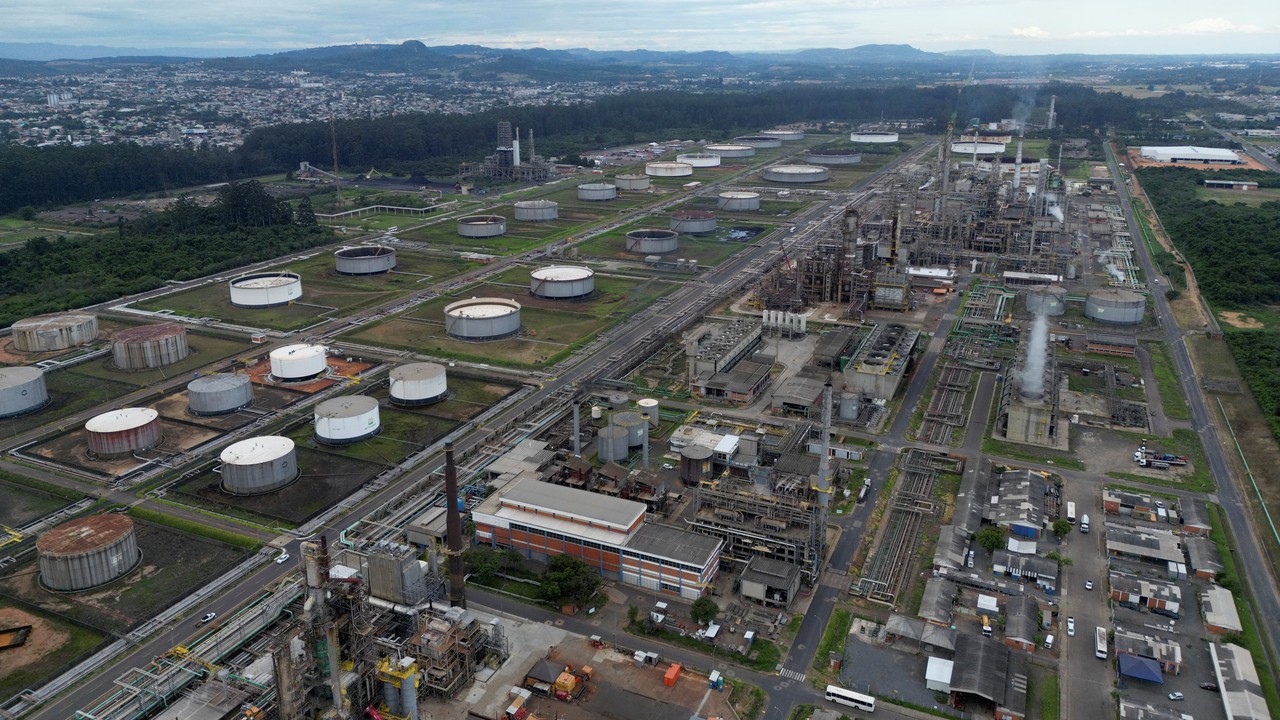

Petrobras has never pumped so much oil: its own production reached 3.23 million barrels of oil equivalent per day in the first quarter and is heading towards 3 million just in oil. Still, starting in July, the state company resumed buying diesel from abroad, and the paradox has an explanation that lies within the refineries.
The production record is no small detail. The company increased extraction by 16% compared to a year earlier, driven by the entry of new platforms in the pre-salt, such as the FPSOs P-78 and P-79 in the Búzios field. The pre-salt alone already accounts for 2.66 million barrels equivalent per day. The country has plenty of oil, so much so that oil has become one of the largest items in Brazil’s export agenda.
For three consecutive months, between April and June, the company did not need to import a single drop of diesel. It ran the refining park to the limit to avoid relying on foreign fuel precisely when international oil prices soared due to tensions between Iran and the United States. At one point, the refineries operated at 97.4% capacity, a level that leaves practically no room to breathe.
However, a machine that works at the limit needs to stop at some point. The maintenance shutdowns that had been postponed due to the war returned to the calendar, and a refinery under maintenance means less diesel coming out of the tanks. This was the trigger that forced Petrobras to reopen the import tap in July, as confirmed by the company’s president.
-
Labor shortage reaches the truck drivers’ area: Brazil is already facing a deficit of 120,000 drivers, 65.1% of transport companies feel the impacts, and Mercedes-Benz strengthens training in the face of the new generation of technological trucks.

-
An important sector in Brazil is suffering from a labor shortage, requiring the qualification of 14 million workers by 2027, leading companies to invest R$ 5 million to train professionals and address the technical deficit.
-
Micron invested $9.3 billion in a factory in Hiroshima to produce the memory that powers the brain of global artificial intelligence.

-
The largest highway project in history used enough concrete to reach the Moon, created 66,000 km of highways, cost $25 billion, and changed transportation, the economy, and national defense in the US during the Cold War.





Why there is plenty of oil but a shortage of diesel
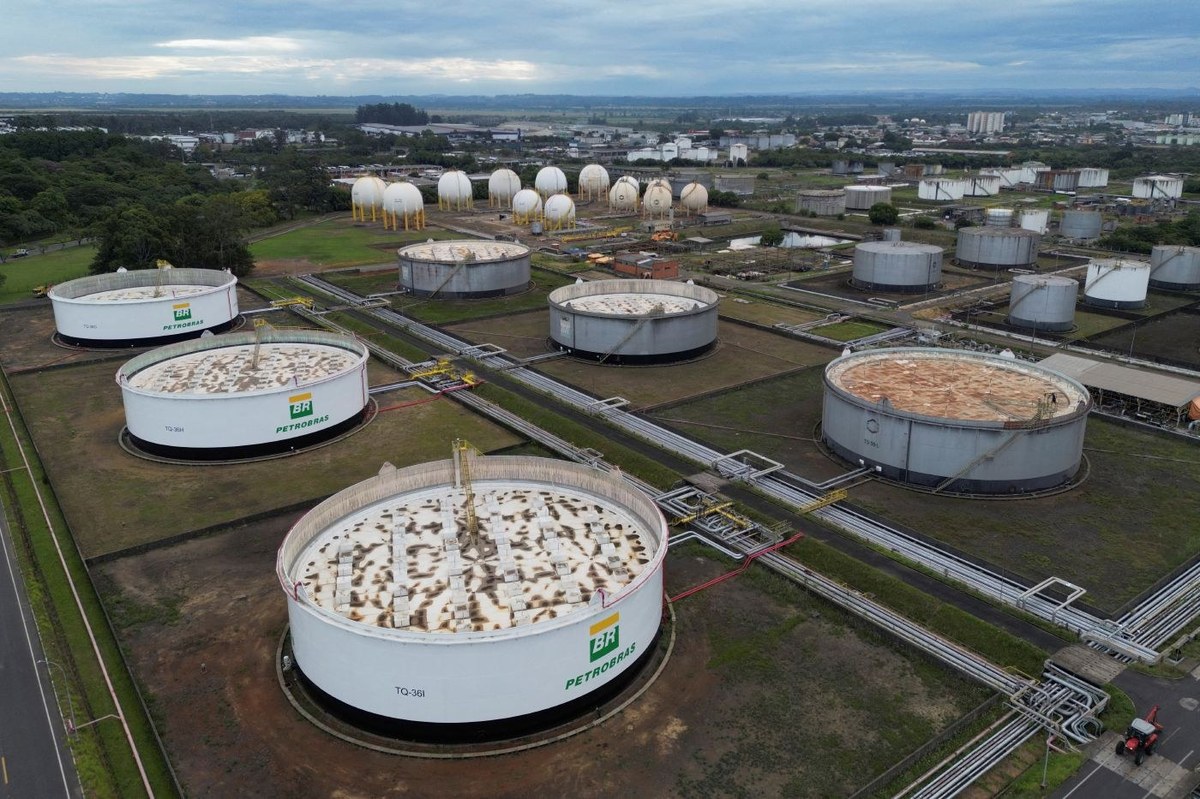
Here’s the knot that confuses many people. Brazil produces plenty of oil, but imports about 30% of the diesel it consumes. How is this possible in a country that is already among the largest oil exporters on the planet? The answer lies in the type of oil and the design of the refineries.
Pre-salt oil is medium-light, low in sulfur, a “sweet” oil, highly valued in the international market. The problem is that Brazilian refineries were designed decades ago to process heavier oil. Passing the light crude from the pre-salt through the existing units yields proportionally less diesel per barrel. In practice, Brazil exports high-value oil and imports the derivative it cannot manufacture in sufficient volume.
Add to this a refining park that has not grown at the pace of demand. Between 2015 and 2022, Petrobras sold entire refineries, and projects like RNEST in Pernambuco were stalled for years. There is also a cruel seasonal component: when the harvest tightens and agribusiness drives diesel consumption to transport the crop, demand jumps in a short interval. In these peaks, the balance simply does not close without importation. I confess it’s the kind of contradiction that seems like a design flaw, and, in a way, it is.
The account that Petrobras promises to turn around by the end of the decade
The state company does not hide that it wants to tackle exactly this point. The declared goal is to reduce diesel import dependency from the current 29% to 15% and, in a second stage, achieve self-sufficiency. “We are already studying how we will do this in the five-year period, to be self-sufficient in diesel,” stated president Magda Chambriard, commenting on the temporary return to external purchases.
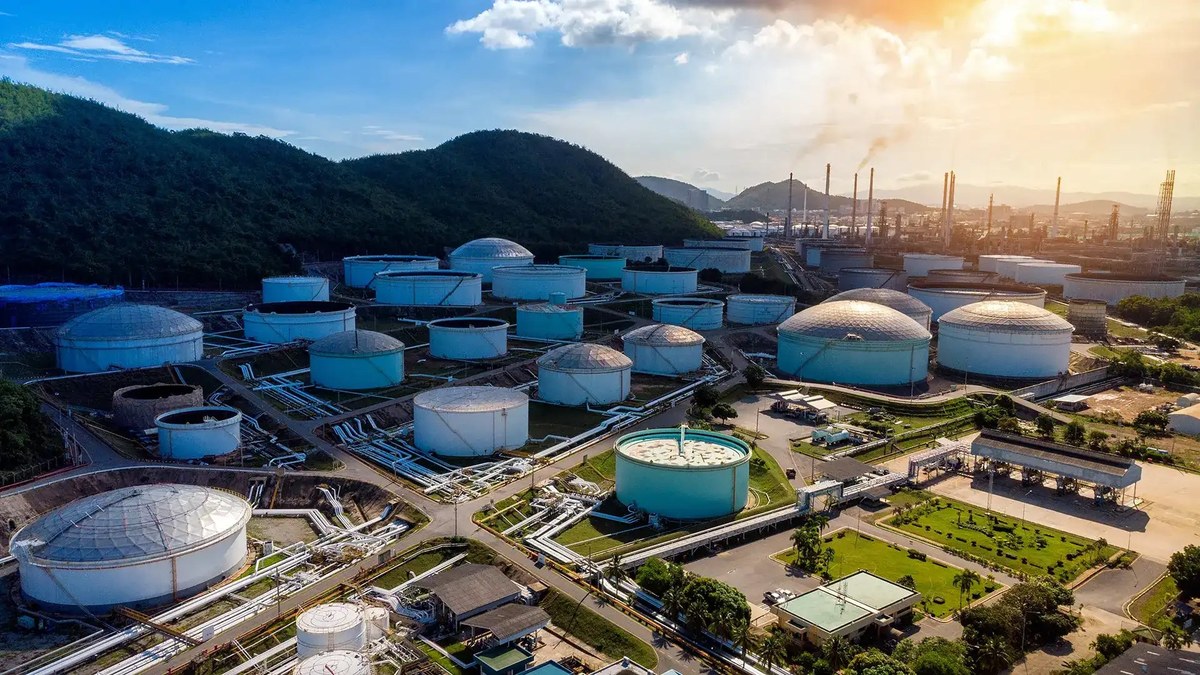
To get there, the company announced R$ 37 billion in investments in São Paulo by 2030, of which R$ 17 billion will go to refining, including R$ 6 billion solely for Replan in Paulínia, the largest refinery in the country. Petrobras has already increased national production of diesel S-10, the cleanest, by 10%, and RNEST now operates above expectations, with 300,000 daily barrels against the planned 230,000. The business plan targets 200,000 more barrels per day of refining capacity by 2029.
There is also a bet on decarbonization, with a sustainable aviation fuel unit from ethanol and renewable diesel planned for the Cubatão refinery. The official stance is one of discipline: “We are stepping on the accelerator, but with an eye on costs, because it cannot be otherwise,” summarized Chambriard. The company’s total investment in the first quarter has already grown by more than 25% compared to the previous year, a sign that the rhetoric is accompanied by cash flow.
The mismatch is evident in the capacity account. Petrobras’ refining park processes about 1.8 million barrels per day, while national oil production already exceeds 3.6 million. There is surplus crude to export and a lack of units to transform this oil into diesel and gasoline domestically. Each imported liter, in the end, is a dollar that leaves and a margin that stays abroad, a burden that reappears at the end, in the price that the truck driver faces at the pump and that spreads throughout the country’s transport chain.
We have been following this back-and-forth long enough to know that diesel self-sufficiency is a recurring promise in Petrobras’ history. The difference this time is that production records provide cash flow to support the expansion of refining, the weakest link in the entire chain. Until this mechanism turns, Brazil remains in the strange position of selling oil to the world and buying back the fuel that moves its trucks. It’s worth keeping a close eye on whether this time the promise turns into reality.
Do you think Brazil will really be able to stop importing diesel by the end of the decade?