Portuguese
  Spanish


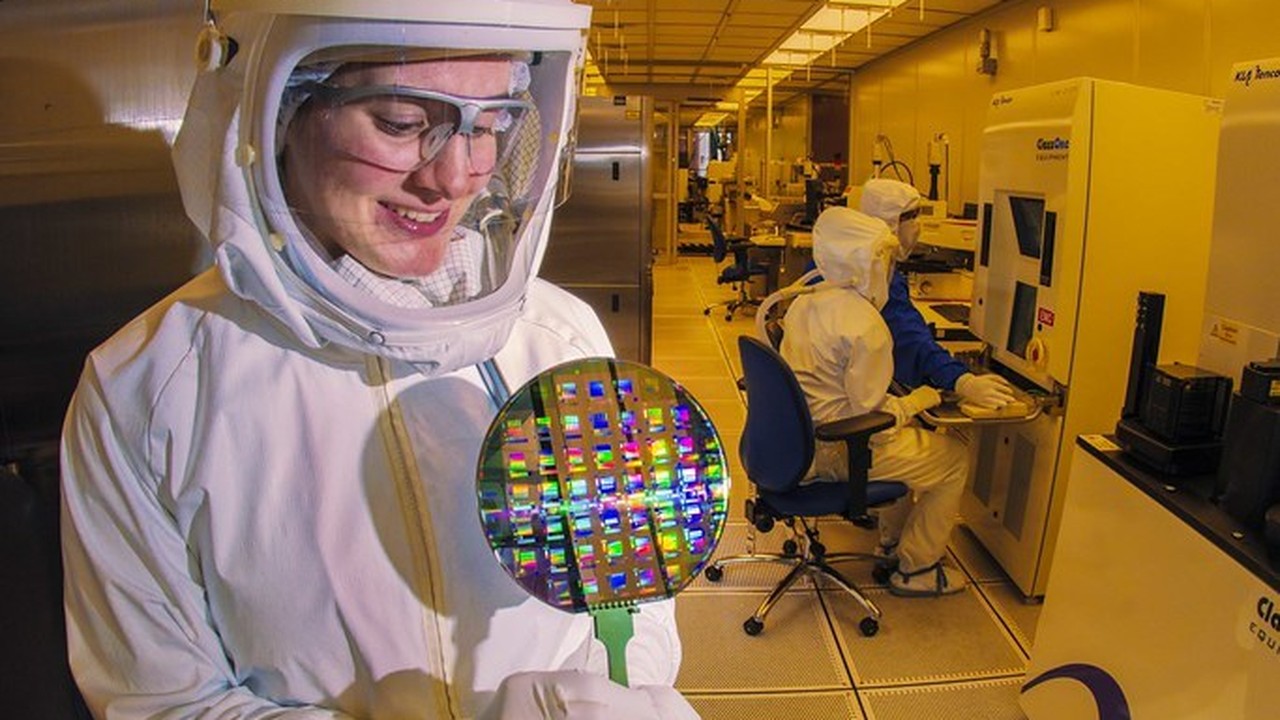

The American company Micron has begun constructing a $9.3 billion factory in Hiroshima, Japan, to produce high-speed memory that is attached to artificial intelligence processors, with up to $3.1 billion funded by the Japanese government and the first chips expected by 2028.
When it comes to artificial intelligence, almost everyone thinks of processing chips, like those from Nvidia that have become synonymous with the technological race. But there is an equally crucial and much less talked about component: memory. And it is precisely in this that Micron has just invested billions, on a site in Hiroshima, on July 4th.
Why memory has become the bottleneck of artificial intelligence
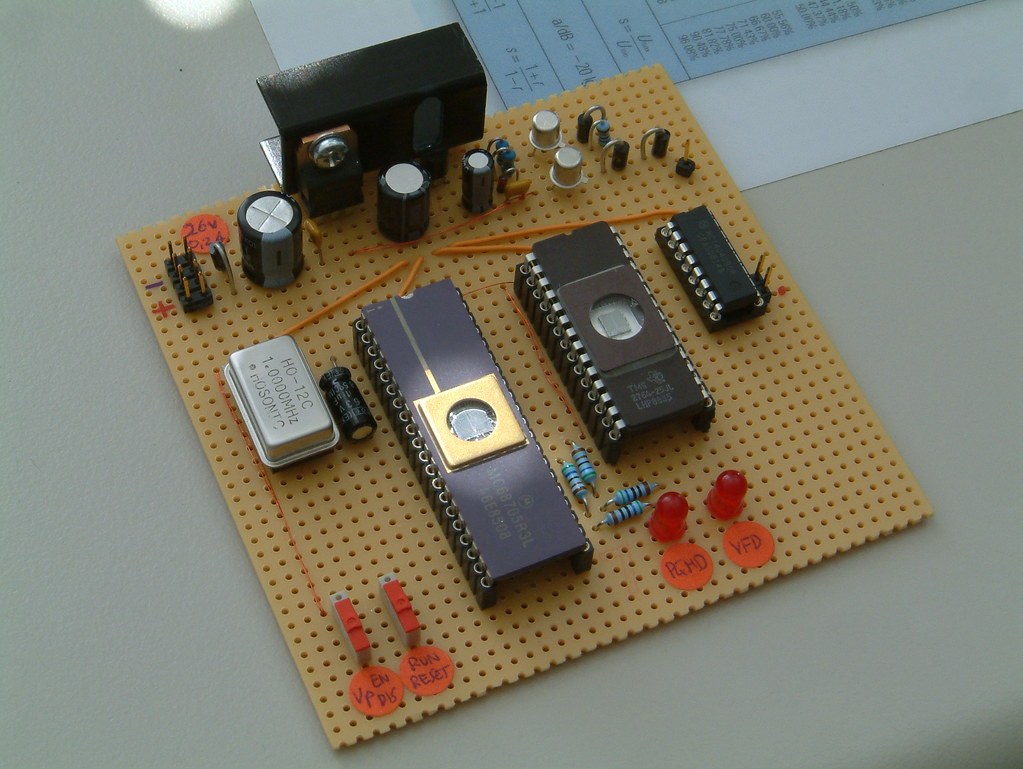
The type of chip that the new factory will produce is called HBM, which stands for high bandwidth memory. Unlike the common memory in your computer, HBM is built in stacked layers, one on top of the other, and is installed right next to the artificial intelligence processor. This proximity allows the processor to be fed with data at the incredible speed that AI models require.
Without enough HBM, the world’s most expensive processor remains idle, waiting for data that doesn’t arrive in time. This is why memory has become the true bottleneck of the AI era, and not the processors themselves. Manufacturers around the world are fighting for every gram of capacity, and prices have skyrocketed in the past two years.
-
Labor shortage reaches the truck drivers’ area: Brazil is already facing a deficit of 120,000 drivers, 65.1% of transport companies feel the impacts, and Mercedes-Benz strengthens training in the face of the new generation of technological trucks.

-
An important sector in Brazil is suffering from a labor shortage, requiring the qualification of 14 million workers by 2027, leading companies to invest R$ 5 million to train professionals and address the technical deficit.

-
Researchers want to change the way of producing rare earth magnets, reducing purification steps and making better use of the elements found in Swedish deposits.
-
5.5 tons pulled from the seabed: a ‘living carpet’ of invasive coral was suffocating the Baía de Todos-os-Santos until the Brazilian Navy descended with divers, steel brushes, and acid salt to carry out the largest eradication operation of the species ever conducted in the country.

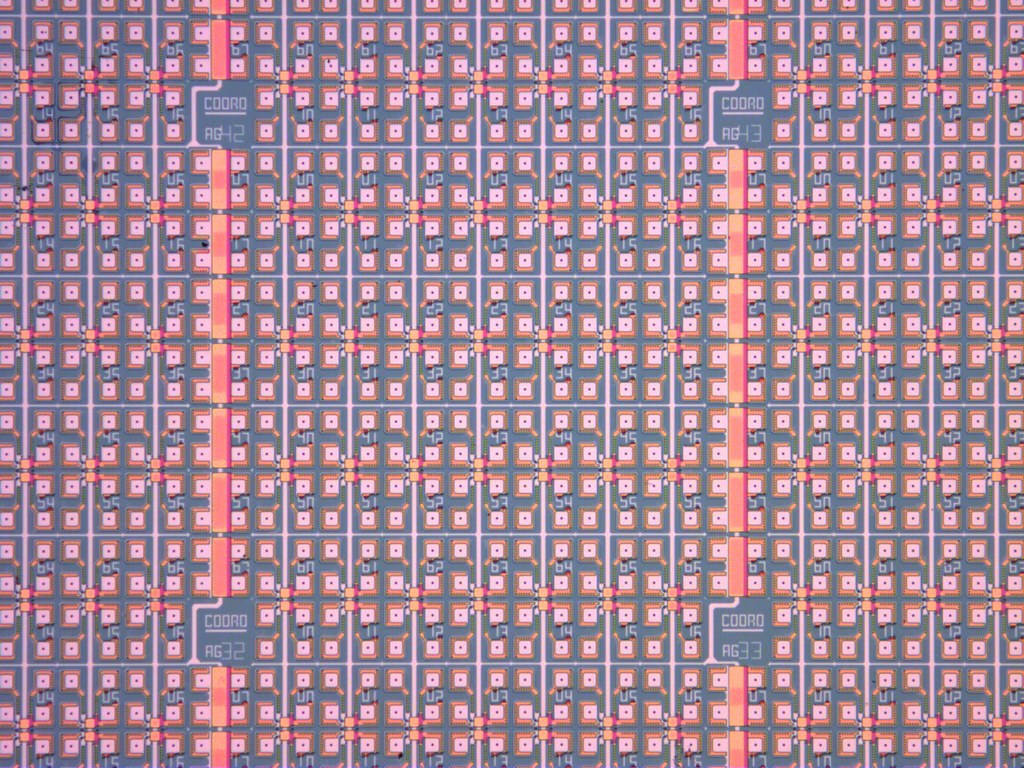
Micron is one of only three companies on the planet capable of manufacturing HBM at scale, alongside South Korean SK Hynix and also South Korean Samsung. Fully entering this competition requires new factories, and semiconductor factories are among the most expensive industrial constructions that exist, with clean rooms where a single dust particle can ruin an entire batch.
The $9.3 billion bill and the Japanese government’s money
The expansion announced in Hiroshima totals about $9.3 billion, equivalent to approximately 1.5 trillion yen. Of this total, the Japanese government will fund up to $3.1 billion in subsidies, meaning about a third of the investment comes from Japanese public funds. It’s not charity: it’s pure industrial strategy.
Tokyo understood that being left out of the artificial intelligence chip chain would be a historic mistake. Micron is the last foreign DRAM memory manufacturer still operating on Japanese soil, a legacy of the former Elpida, acquired by the American company in 2013. Losing this presence would mean relying entirely on South Korea, Taiwan, and the United States for a resource that drives the future economy.
I confess I find it fascinating how a billion-dollar subsidy has ceased to be taboo and has become a common tool among governments. The United States, Europe, Japan, and China are all pouring public money into chip factories, in a race reminiscent of the Cold War space race, but fought in clean rooms.
What Japan gains by keeping Micron in Hiroshima
The first commercial shipments of chips from the new unit are expected for the summer of 2028, which gives an idea of the timeline: a semiconductor factory is not built in a year. Between the first shovel of dirt and the first chip sold, it takes three to four years, and each month of delay costs market share in an industry that reinvents itself with each cycle.
For Hiroshima, the project means thousands of high-skilled technical jobs and the consolidation of the city as a semiconductor hub. For Micron, it’s a chance to catch up with South Korean rivals precisely in the most profitable product of the moment. And for Japan, it’s the guarantee of staying in the game that will determine who leads the next decade of technology.
The detail that catches my attention in this story is the timing. The factory only delivers in 2028, but the decision to invest needs to be made now, at the height of uncertainty, when no one knows for sure how much memory artificial intelligence will consume in three years. It’s an almost ten billion dollar bet made practically in the dark, guided by the conviction that the hunger for data will only grow.
A race between three giants for a scarce product
The race for high-speed memory has a script similar to an arms race. South Korean SK Hynix took the lead and dominated the first HBM contracts for artificial intelligence processors, closely followed by Samsung. Micron arrived later but is fast-tracking to not fall behind in a market segment that grows at double-digit rates per year.
As demand exceeds supply, practically all HBM production for the coming years is already sold before even leaving the factory. Large clients even sign supply contracts years in advance, securing memory as one would reserve a table at a popular restaurant. It’s this scarcity scenario that justifies building billion-dollar plants at an accelerated pace.
In this game, geography matters as much as technology. Concentrating production in a few countries creates vulnerabilities, and that’s why Japan, the United States, and Europe are rushing to bring factories within their borders. Hiroshima enters this map as a piece that Tokyo is keen to maintain, and the billion-dollar subsidy is the price the government is willing to pay to not depend on the neighbor.
We often look at artificial intelligence as software, as something that happens in the cloud. But behind every generated response, there is a brutal physical chain of factories, minerals, energy, and increasingly, these small towers of stacked memory that Micron will produce in Hiroshima.
Will Brazil watch this billion-dollar race for chips from the sidelines, or is there still time to enter the game?