






 Portuguese
  Spanish
  3 min of reading
  0 comments


In Alaska’s northernmost city, residents face cold below minus 30 degrees Celsius, two months without sun, frozen sea, and reliance on cargo planes to maintain supplies, services, and routine
Alaska’s northernmost city, Utqiagvik, formerly Barrow, faces temperatures below minus 30 degrees Celsius, weeks without sun, and extreme isolation, but maintains schools, hospitals, commerce, and family life in the polar winter.


Intense cold and two months without sun
Living in Alaska’s northernmost city requires daily preparation for severe cold, strong winds, and long periods of darkness.
-
A geometry book written 2,300 years ago taught Lincoln to be a lawyer, Einstein to think in physics, and Russell to understand logic, and no MBA in the world has managed to replicate this feat.

-
Absent father may lose child support request against children and still be liable for emotional abandonment
-
Woman loses house in devastating fire and now sees 35 people rebuilding her home with over 350 tires, bottles, and cans in a sustainable project designed to withstand fire.

-
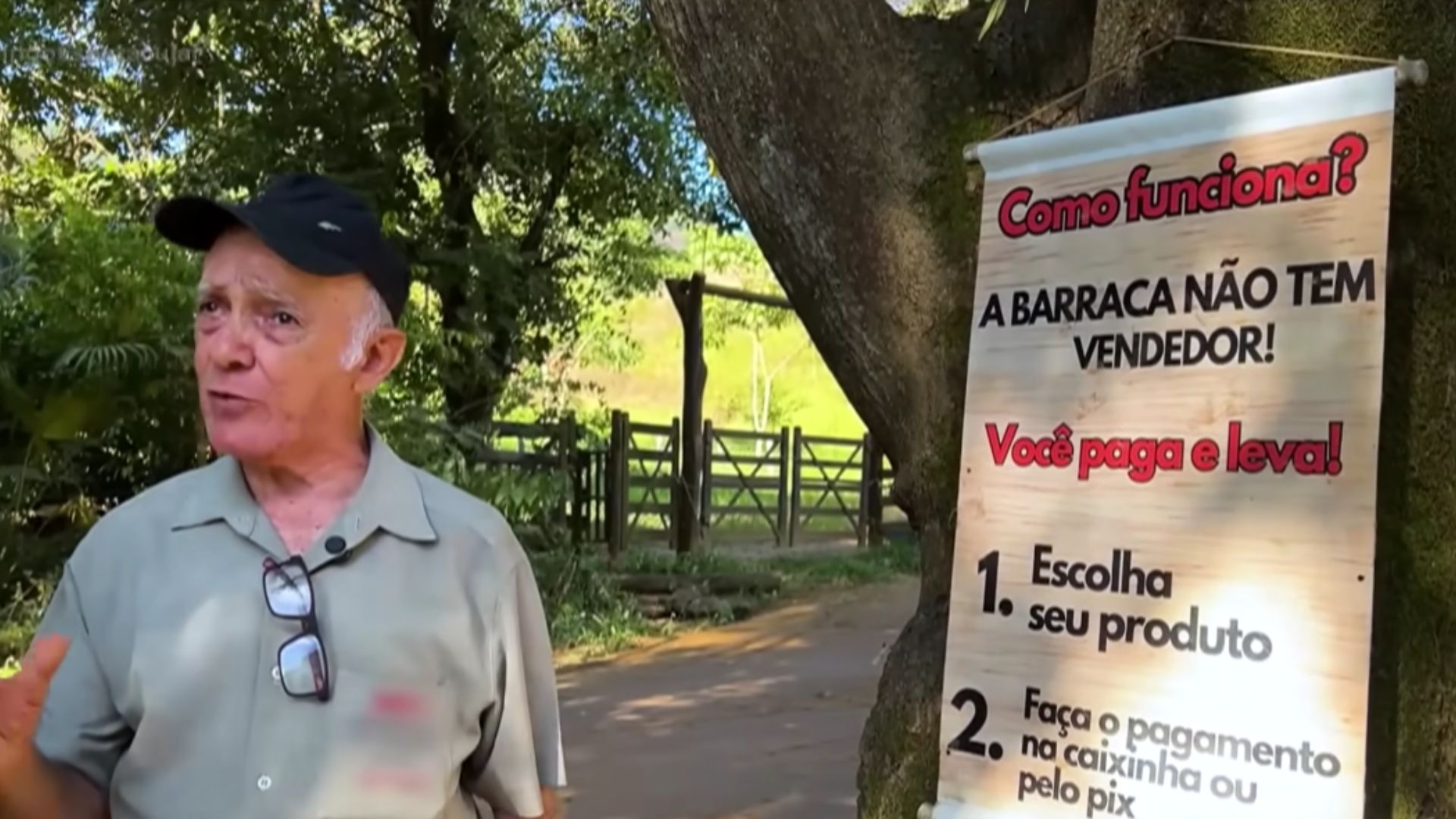
At 80 years old, Mr. Vicente opens a vendorless stall every day at 7 a.m. in the countryside of Minas Gerais, leaves, and expects customers to pay on their own for what they take, and the system has been working for 7 years.


During the polar winter, the sun disappears for about two months, affecting sleep, routine, and emotional health.
The city is in one of the planet’s remote areas and has the Arctic Ocean frozen for much of the year. When the sea turns into solid ice, the landscape transforms into a white field.
This freezing impacts fishing, transportation, and travel, in addition to reinforcing local isolation. Even so, residents keep schools, hospitals, and businesses running during storms.
Cargo planes sustain daily life
As there are no roads connecting Utqiagvik to the rest of the state, practically all products arrive by air.
Logistics depend on cargo planes year-round, mainly for food, medicine, and essential items.
Supermarkets operate with rigorous planning. Fresh food depends on frequent flights, and weather delays can cause temporary shortages, requiring adaptation.
In Alaska’s northernmost city, air cargo is not just support. It ensures a central part of daily life in a territory without road connection.
Isolation makes food and fuel more expensive
Geographic isolation raises the price of food, fuel, and construction materials. Continuous air transport increases logistical costs and directly affects the end consumer.
The cold also increases heating expenses. Constant fuel consumption is part of the routine, while houses and buildings need adequate structures to withstand the Arctic environment.
Construction materials need to be imported and reinforced. Many residents work in strategic sectors, such as oil exploration, public services, and education, while state subsidies help balance essential expenses.
Community preserves Inuit traditions
Life in Alaska’s northernmost city is not just about the cold. The population maintains a strong cultural identity, mainly linked to Inuit traditions, with local festivals and community activities.
This coexistence strengthens bonds and a sense of belonging. Adaptation depends on adequate infrastructure, constant planning, and cooperation, especially when storms, cargo delays, or long periods of darkness affect daily life.
Living in Utqiagvik means dealing with an urban model far from conventional standards. The city combines work, family, commerce, and essential services in a territory where Arctic nature imposes limits.
Organized life in an extreme environment
Alaska’s northernmost city shows how hundreds of residents sustain organized life in severe conditions. The frozen sea, polar night, and air dependence define the local routine.
The cold below minus 30 degrees Celsius, prolonged darkness, and high cost make adaptation permanent. Still, the community preserves services and connections in a remote location.
With information from Olhar Digital.





Be the first to react!