






 Portuguese
  Spanish
  6 min of reading
  0 comments


FGV study indicates that biofuels can boost Brazilian GDP, create jobs, and accelerate energy transition by 2030.
Biofuels have returned to the center of economic and environmental discussions in Brazil after the release of a survey by the Bioeconomy Observatory of Fundação Getulio Vargas. The FGV Study, reported by Globo Rural on May 5th, was developed with the support of Instituto Equilíbrio and Agni and indicates that the sector could add up to R$ 403.2 billion to the Brazilian GDP by 2030, boosting agribusiness, job creation, and the renewable energy market.
The projection considers a scenario of expanding national production to approximately 64 billion liters of renewable fuels in the coming years. This calculation includes sugarcane ethanol, corn ethanol, second-generation ethanol, and biodiesel.
The survey also shows that biofuels can bring significant returns to the national economy. According to the researchers involved, every R$1 invested in the sector would have the potential to generate up to R$62 in economic activity. The impact would not be limited to the energy market, also reaching transportation, industry, logistics, and agribusiness.
-
US$ 7 billion, green hydrogen, and steel with up to 95% less CO₂: the first green steel plant on the planet emerges in Sweden and targets Brazil as the next chapter

-
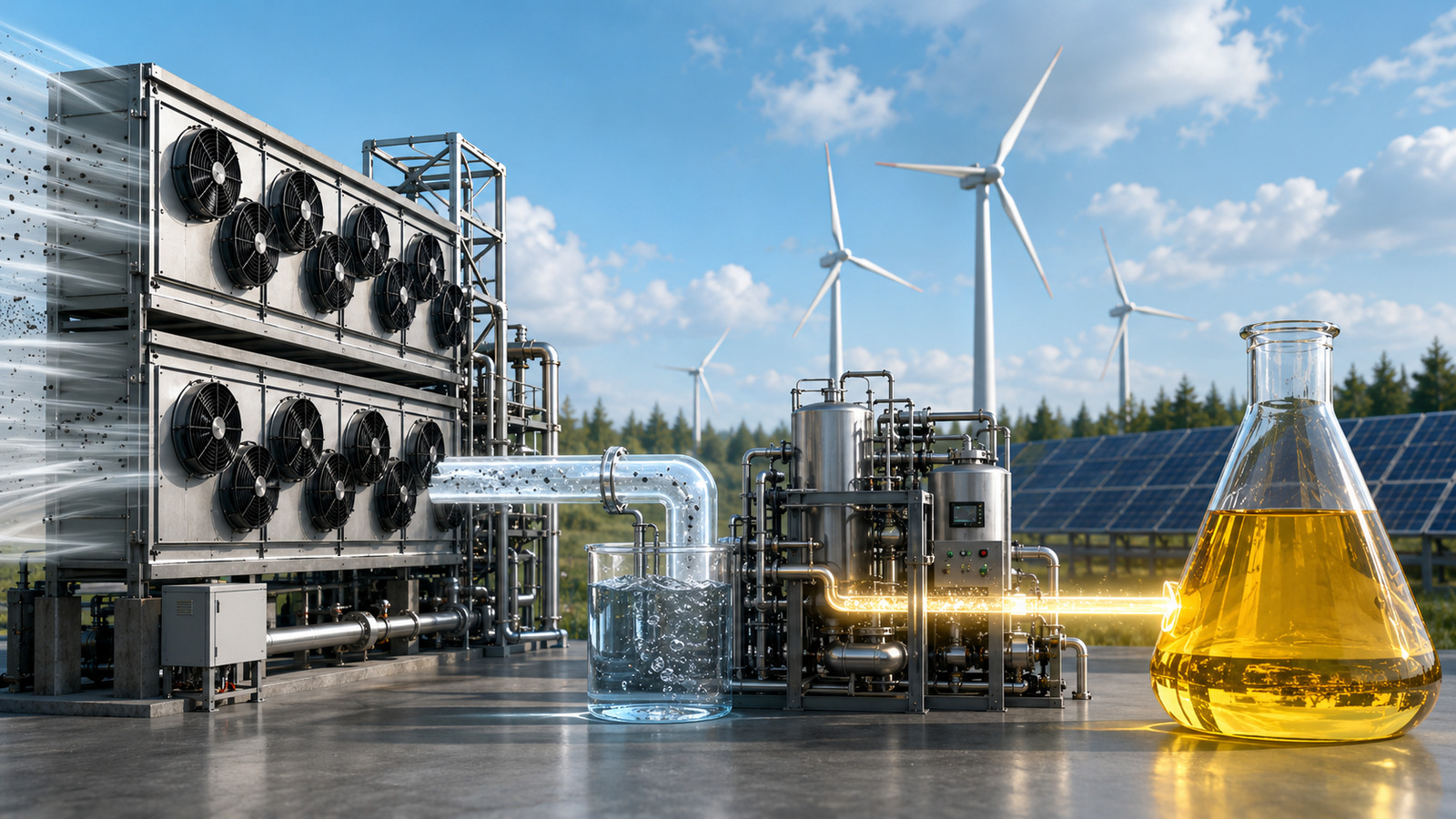
Swedes manage to create synthetic fuel with CO₂, water, and renewable energy, compatible with current engines, but face a huge problem: the energy expenditure is still double the return.
-
Brazil begins to transform wheat, residues, sweet potatoes, and soy molasses into ethanol, in a new phase of biofuels that seeks to utilize leftovers from the field and industry to fuel flex-fuel cars.

-
Sebrae and Petrobras join forces in Ceará to include waste pickers in the circular economy and strengthen the biofuel chain, creating new income opportunities and expanding the sustainable use of waste with a direct impact on regional development.




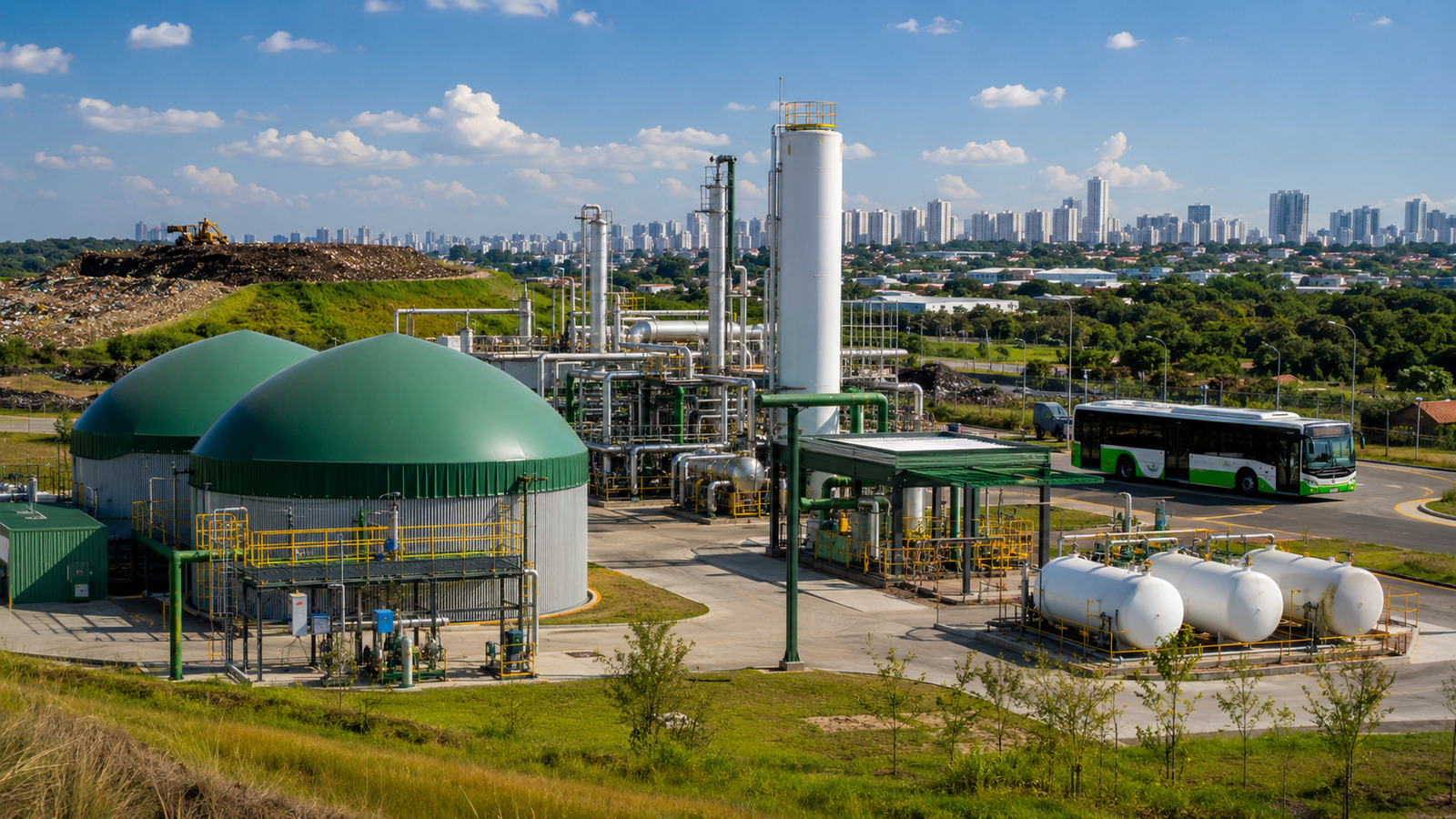
Beyond the financial aspect, the study reinforces the strategic role of energy transition at a time when several countries are accelerating decarbonization policies and seeking to reduce dependence on fossil fuels.
Biofuels expansion can change the pace of the Brazilian economy
The growth of biofuels appears as one of the most relevant bets for strengthening the Brazilian GDP this decade. The increase in global demand for clean energy has opened space for Brazil to expand its participation in a market expected to move billions of dollars in the coming years.
The FGV Study shows that the sector could grow by up to 70% by 2030. This movement would have the capacity to generate repercussions in different areas of the economy, especially in chains linked to agribusiness and the manufacturing industry.
Among the most benefited segments are:
- Agricultural production
- Agribusiness
- Road transport
- Machinery industry
- Logistics
- Exports
The scenario can also increase Brazilian competitiveness abroad. In a global context of environmental pressure, importing countries have started to value products with lower carbon emissions and more sustainable production chains.
Brazil has important natural advantages in this dispute. The combination of favorable climate, agricultural availability, and historical experience in ethanol production places the country in a strategic position in the international market.
FGV Study highlights direct impact on agribusiness
Brazilian agribusiness is expected to be one of the main beneficiaries of the expansion of renewable fuels. According to the FGV Study, sugarcane production could grow by 31.34% if the sector reaches the projected figures by 2030.
This advance tends to move the entire agricultural chain. The increased demand for raw materials boosts rural producers, cooperatives, input suppliers, and agricultural technology companies.
Cícero Lima, the researcher responsible for the survey, highlights in the study that biofuels are no longer seen merely as an energy alternative but have come to occupy a broader role within the Brazilian economy.
The growth of the sector also strengthens inland cities linked to agricultural production. In many municipalities, mills and chains linked to ethanol and biodiesel represent one of the main sources of income and job creation.
Another important point is the potential for regional development. The expansion of bioenergy can stimulate investments in infrastructure, storage, transport, and technological innovation in different Brazilian states.
Brazilian GDP can gain strength with job creation
The economic impact projected by the FGV Study is not limited to the billions of figures linked to the Brazilian GDP. The survey also forecasts the creation of approximately 225.5 thousand new jobs in the coming years.
A large part of these vacancies is expected to arise in areas directly linked to agricultural and industrial production. Among the sectors with the highest hiring potential are:
- Agriculture and livestock
- Agroindustry
- Transport
- Industrial production
- Logistics services
The advancement of biofuels can also increase the need for qualified professionals in technical and technological areas. This includes engineering, research, biotechnology, and the development of new-generation fuels.
Industry experts point out that the growth of bioenergy can help reduce regional inequalities by strengthening local economies strongly linked to the countryside.
Furthermore, the increase in private investments tends to stimulate new industrial projects in regions producing sugarcane, corn, and oilseeds used in biodiesel manufacturing.
Energy transition accelerates Brazil’s prominence in the global market
The global energy transition has been changing the economic priorities of governments and companies. In recent years, countries have sought less polluting alternatives to reduce emissions and meet international climate targets.
In this scenario, biofuels have gained prominence as a solution considered more viable in the short and medium term, especially for sectors such as road transport and aviation.
The FGV Study indicates that sugarcane ethanol can reduce greenhouse gas emissions by 70% to 90% compared to conventional gasoline. Furthermore, the potential for emission reduction can reach 27.6 million tons of dioxide with only the partial replacement of fossil fuels.
For Eduardo Bastos, CEO of Instituto Equilíbrio, Brazil has unique conditions to lead this market thanks to its productive scale and the technological mastery already consolidated in the bioenergy sector.
The assessment made by experts involved in the study is that the country can transform bioenergy into one of the main drivers of the sustainable economy over the next decade.
Biofuels can also reduce environmental pressure
In addition to economic impacts, the advancement of biofuels can bring relevant environmental effects. The survey presented by Fundação Getulio Vargas indicates that the expansion of the sector would have the potential to prevent about 480,000 hectares of deforestation.
According to researchers, this would be possible through increased productive efficiency and better utilization of existing agricultural areas.
A significant part of this preservation could occur in sensitive regions of the Cerrado and the Amazon, two biomes that have faced strong environmental pressure in recent years.
The relationship between renewable energy and environmental preservation further strengthens the role of the energy transition within Brazil’s economic strategy.
While reducing emissions, the sector also creates opportunities for economic growth and attracts international investments linked to sustainability.
What explains the advance of renewable fuels in Brazil
The growth of biofuels in Brazil is no accident. The country has a long history linked to ethanol since the creation of the National Alcohol Program, back in the 1970s.
In recent years, the advancement of new technologies has expanded the sector’s productive capacity. Highlights include corn ethanol and second-generation ethanol, produced from the reuse of agricultural waste.
Furthermore, programs like RenovaBio have helped stimulate investments and create targets aimed at reducing carbon emissions.
Currently, Brazil has one of the cleanest energy matrices in the world, a factor that increases international interest in Brazil’s potential within the global energy transition.
The market expectation is that the demand for renewable fuels will continue to grow given the environmental targets established by various countries.
How biofuels can transform Brazil’s GDP this decade
The FGV Study reinforces that biofuels can play a decisive role in the Brazilian economy until 2030. The projection of an additional R$ 403.2 billion in Brazilian GDP shows the dimension of the potential existing in the sector.
More than expanding renewable energy production, the expansion of bioenergy can strengthen exports, generate jobs, boost agroindustry, and position Brazil among the global leaders of the energy transition.
With public policies, regulatory security, and investments in innovation, the country is able to transform its agricultural and technological potential into an international competitive advantage.
The scenario presented by the Getulio Vargas Foundation’s survey indicates that the next decade could mark a new phase for the Brazilian economy, with biofuels occupying a strategic position in national development.
With information from Globo Rural.






Be the first to react!