






 Portuguese
  Spanish
  4 min of reading
  0 comments


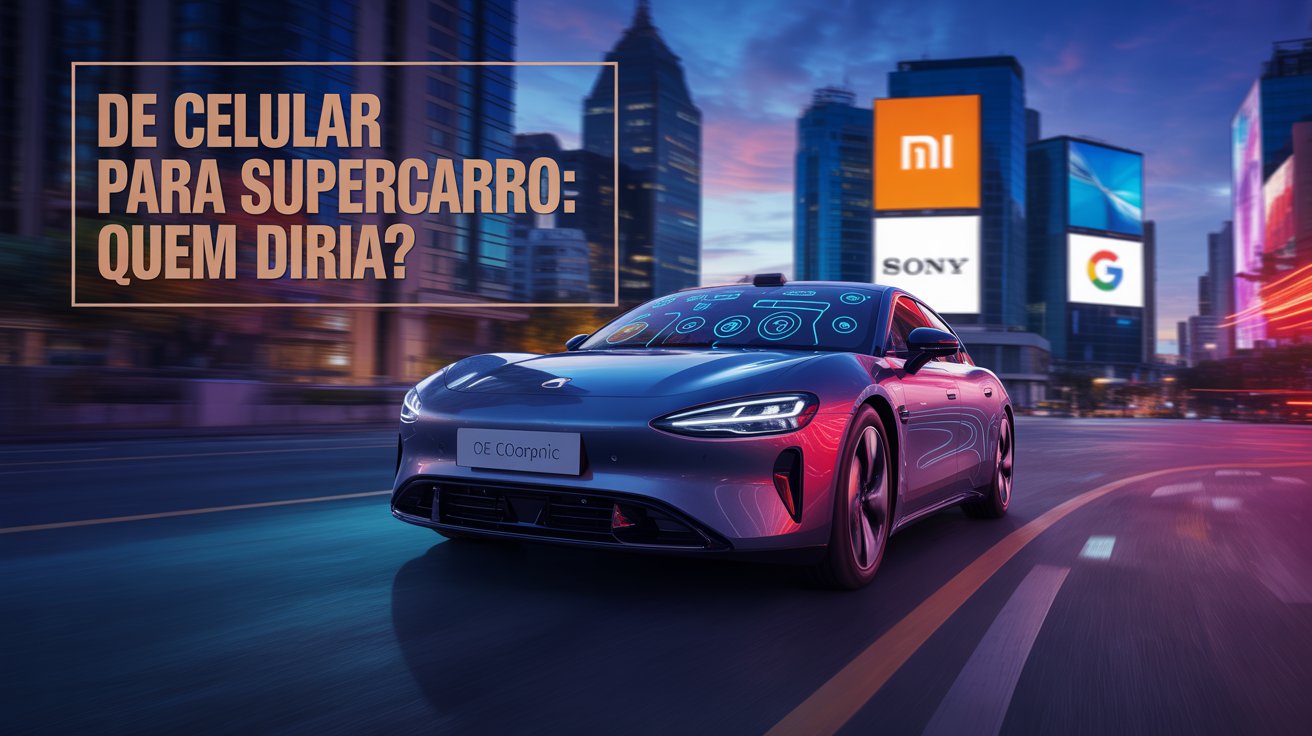
Companies like Xiaomi, Sony, and Google are breaking through the barriers of traditional technology and entering the automotive sector with ambitious projects, high-performance electric vehicles, and autonomous systems that promise to change the global mobility landscape.
Companies originally linked to the technology sector are expanding their operations into the automotive industry.
This movement occurs in parallel with the rise of electric cars and the advancement of autonomous driving technologies.
Brands like Xiaomi, Google, Sony, and others have already developed or announced their own models, positioning themselves as direct competitors to traditional manufacturers like Toyota, Volkswagen, and BYD.
-
In the USA, thousands of people are being paid to wash dishes and clean the house with body cameras, every movement turning into data to train robots to imitate humans, in a new “digital gig” that could redefine the future of domestic work.

-
It was neither a crash nor abandonment; this retired plane left the airport in parts, crossed Costa Rica on trucks, and ended up becoming a suite in the heights with daily rates exceeding R$ 2,000.
-
At 22 years old, a young person from Recife creates an artificial intelligence startup with a team barely over 25, serves giants like Bayer and Ipiranga, earns millions without taking a cent from investors, and transforms a young company into a national AI phenomenon.
-
She panicked when she saw her daughter fall from the crib; years later, she turned the experience into a factory generating R$ 9 million per year.





Xiaomi Bets on Affordable Sports Cars
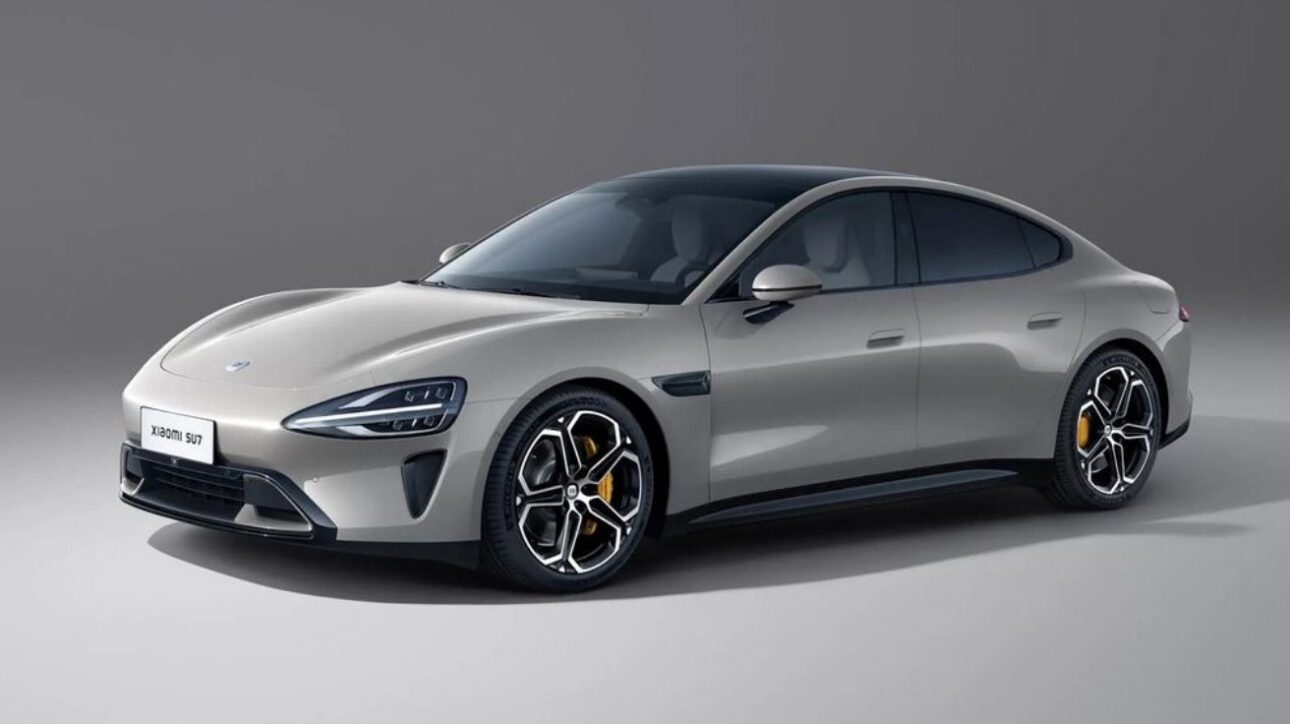
Known for its smartphones and electronic devices, Xiaomi has also started investing in electric vehicles.
The SU7 model, the brand’s first, was launched with four versions: SU7, SU7 Pro, SU7 Max, and SU7 Ultra.
The most powerful version offers 1,547 horsepower, and gained attention by setting records on the Nürburgring track in Germany.
The prices for the SU7 start at around R$ 659 thousand, based on a direct conversion from yuan to real.
In comparison, the sports car Porsche Taycan starts at a value above R$ 700 thousand.
Xiaomi’s strategy is to offer high-level performance at more competitive prices.
In July 2025, the company will launch its second model, the YU7, an electric SUV with over 700 hp.
The international expansion of the automotive division is part of the company’s plans to compete globally.
Google Advances With Robotaxis in the United States
Through its subsidiary Waymo, Alphabet (the parent company of Google) is developing autonomous driving systems.
The technology is already being applied in robotaxis operating in cities like Los Angeles, Phoenix, and San Francisco.
These vehicles use sensors, radars, and systems based on artificial intelligence to carry out transportation without human intervention.
Waymo has partnered with the Chinese manufacturer Zeekr to enhance its systems.
The initiative aims to expand the reach of autonomous urban mobility solutions and consolidate the commercial use of these services in different regions.
Sony and Honda Create Joint Venture for Smart Vehicles
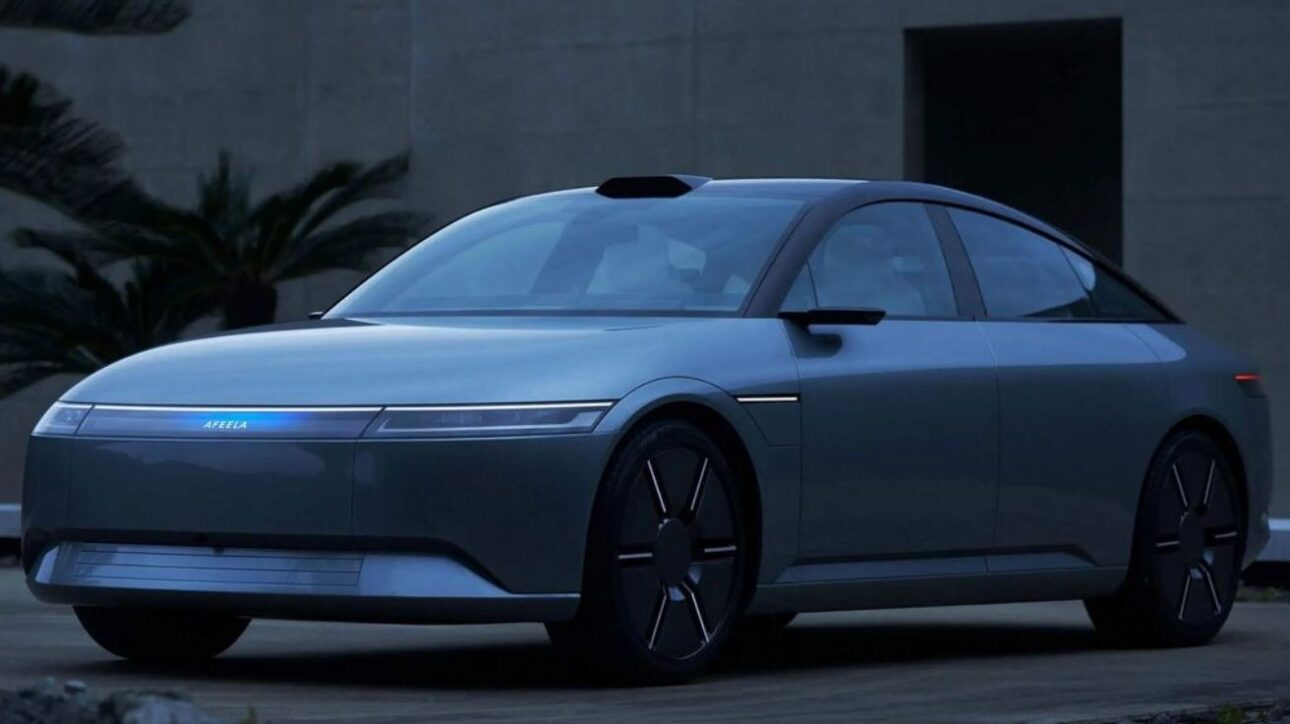
In 2022, Sony and Honda joined forces to found the company Sony Honda Mobility, focused on the development of smart electric cars.
The joint venture resulted in the creation of the brand Afeela, which is set to launch its first vehicles in 2026.
The initial model, still in the conceptual phase, is the Vision-S, a large electric sedan with a futuristic design.
The car will feature approximately 45 cameras and sensors and offer level 3 driving autonomy, allowing the vehicle to operate independently in certain situations, though it will still require human supervision.
Apple Cancels Its Automotive Project After Ten Years
In 2014, Apple began the development of the Titan Project, which aimed to create an autonomous electric vehicle.
The plan included a collaboration with Volkswagen, but it was discontinued in 2024.
After a decade of attempts, the company opted to reallocate resources to other areas and laid off about 600 employees involved in the initiative.
Although it does not produce automobiles, Apple remains present in the sector through Apple CarPlay, a connectivity system that integrates its devices with the dashboards of various car brands.

Other Companies Are Also Betting on Electric Mobility
Baidu, one of the largest internet companies in China, is developing automated driving platforms through the Apollo project.
Meanwhile, Huawei, known for its telecommunications work, is investing in embedded systems and 5G connectivity for cars, in partnership with local manufacturers like Chery.
In the United States, Amazon is directly involved in the sector with investments in the startup Rivian, a manufacturer of electric SUVs and trucks.
Additionally, the company is already using Rivian vehicles in its zero-emission delivery fleet, increasing its presence in electric mobility and sustainable logistics.
Technology Redefines the Future of the Automotive Industry
The entry of technology companies into the automotive sector is transforming vehicles into digital platforms on wheels.
With the integration of software, cloud data, remote updates, and virtual assistants, cars are now offering not only mobility but also connected experiences and integrated services.
Furthermore, the trend of mobility as a service — with subscription models, car sharing, and robotaxis — has changed consumer behavior and required adaptation from traditional automakers.
Scaling Production and Certifications Are Still Obstacles
Despite the advancements, technology companies face challenges such as production scalability, high industrial costs, regulatory certifications, and global distribution infrastructure.
Traditional automakers, with decades of experience in engineering and safety, still dominate these processes.
Overcoming these barriers will require strategic alliances, robust investments, and the creation of their own after-sales, logistics, and maintenance networks.
In light of these movements, will the tech giants be able to consolidate a place in a sector historically dominated by century-old automakers?


Be the first to react!