






 Portuguese
  Spanish


Young riverside resident from Pará turned a routine of boat, walking, and bus into a story of national repercussion by showing long commutes to train, balancing weightlifting, study, life on the Tapajós, and a diet based on fish caught by his own family.
Awá Pinho, 18, lives in Arimum, a riverside community on the banks of the Tapajós River, in Santarém, Pará, and travels more than 40 kilometers to train at a better-equipped gym, four times a week.
In the student’s routine, the journey combines motorboat, walking, and bus to the urban area of Santarém, in a commute that can take almost four hours round trip.
The repercussion began on social media, where Awá started to show the journey between the community where he lives and the gym, drawing attention for the contrast between riverside life and the discipline required to maintain the training.
-
Daughter of a Cleaner and a Doorman Started at McDonald’s at 14, Opened a Salon for Curly Hair at 19, and Helped Grow it into a Network with Thousands of Employees

-
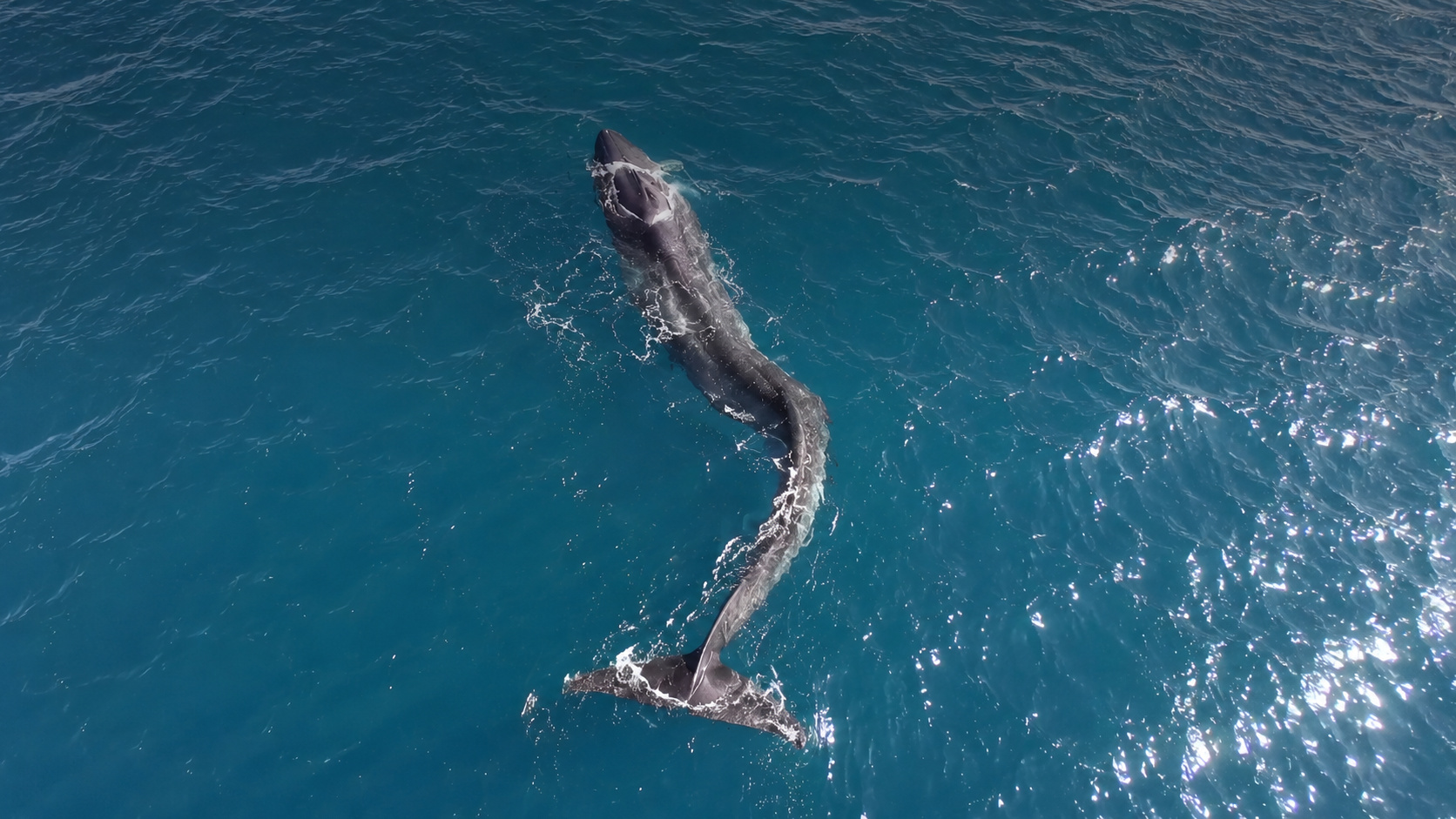
Whale with Scoliosis Spotted in Spain, Baffling Experts After Being Mistaken for Entangled Animal

-
Son of Poor Farmers Fled Home Four Times Seeking Work, Founded Hyundai, and Transformed It into a Global Industrial Giant in Over 190 Countries
-
13-Year-Old Raises Funds to Build Well, Transforming Lives in Cambodian Community Lacking Clean Water




Along the way, he leaves home in a rabeta, as the small motorboat used in the region is called, goes to Alter do Chão, walks to the bus stop, and then faces another stretch by road.
Outside the internet, the story also provoked reactions from people connected to the fitness world, including the owner of the gym attended by Awá, who decided to visit the young man’s home after learning about his commuting routine.
After the visit, the student received a year of free training and also won a paid trip to São Paulo, where he participated in the Arnold Sports Festival South America, a multi-sport event linked to the fitness segment.
Awá Pinho’s routine begins on the Tapajós River
Before any exercise at the gym, Awá needs to overcome a part of the journey on the Tapajós River, in a boat trip that takes about 30 minutes between the riverside community and Alter do Chão.

Upon disembarking, the young man still walks approximately 10 minutes to the bus stop, from where he heads to Santarém in a final stage that takes about an hour to the training location.
Adding up the boat, walking, and public transport segments, the trip usually takes about two hours, while the return follows the same path and often happens at night.
The lack of a suitable structure for weight training near home helps explain the decision to maintain the commute, despite the distance and the need to reorganize the week around the workouts.
Before attending a gym in Santarém, the young man trained at home with improvised resources, including filled plastic bottles used as weights in exercises adapted to the reality of the community where he lives.
Despite the long journey, Awá maintains a frequency of four trips per week, rain or shine, according to reports published by him and reproduced by outlets that followed his story.
Nickname at the gym sums up boat crossing
Among his training colleagues, the student became known as “the guy who crosses the river by boat”, a nickname that sums up the most visible mark of his routine and the distance traveled to reach the gym.
This identification gained strength because many of the attendees live closer to the gym, while Awá relies on the river, the road, and public transport to maintain consistency in his exercises.
Besides being long, the trip is usually made without company, with the young man leaving the community alone, steering the small boat to Alter do Chão, and continuing the rest of the journey by bus.
In one of the statements that went viral, he compared his reality to those who live near the gym but still miss workouts: “A lot of people live next to the gym and don’t go.”

The phrase circulated along with videos in which Awá appears showing the path between the river, the road, and the gym environment, reinforcing the reach of the story on social media.
The reason that led him to start was also explained by the young man himself, who stated, in an interview cited by BBC News Brasil, that he saw himself as very thin and decided to change his body through training.
Since then, the practice of exercises has required more than discipline inside the gym, as each workout depends on river transport, land travel, and adaptation to his study routine.
Fish diet helps in gaining muscle mass
Directly connected to the place where Awá lives, the young man’s diet includes fish caught by him or his father in the Tapajós River, food that is part of the diet used in the process of gaining muscle mass.
According to the student himself, the result since the beginning of the training was the gain of about 12 kilos of muscle mass, progress that has been associated with the combination of training, diet, and consistency.
The routine formed by fishing, commuting, and weightlifting helped transform his story into content with great reach on social media, where the young man has gathered thousands of followers interested in his journey.
In the family’s life, the boat used to go to the gym is not limited to training, as it also serves for activities related to the riverside daily life, including fishing and navigating the river.
Despite the repercussion, Awá has emphasized that the interest in his story did not come from sports titles or a professional athlete’s physique, but from the uniqueness of the routine he maintains to train.
“They didn’t call me because I have a top shape. It was because they found my story cool,” he told the BBC, commenting on the invitation that increased his visibility in the fitness world.
Arnold Sports Festival increased the student’s reach
With the trip to the Arnold Sports Festival South America, in São Paulo, the story of the student from Pará reached a larger audience within the fitness universe and began to circulate among athletes, influencers, and brands in the sector.
Held at Expo Center Norte, the event brings together sports modalities, nutrition, health, wellness, and bodybuilding, in a program aimed at professionals, competitors, content creators, and visitors interested in the segment.
The mentioned edition took place between April 24 and 26, in São Paulo, and brought Awá into contact with well-known names in the fitness world, following the buzz generated by videos of his routine.
In his participation, the presence at the event was treated as a result of the mobilization around the commute to train, not as a consequence of a formal competitive achievement within the festival.
Before the trip, recognition had already begun on social media, when the videos of the journey went viral and drew attention for showing an uncommon routine in gym stories.
The case spread because it combined river commuting, public transportation, weight training, and a diet directly related to family fishing, elements that brought the riverside life closer to an environment usually associated with urban centers.
By showing a workout that starts long before the gym equipment, the narrative gained strength by exposing the invisible stages of a routine marked by river, road, bus schedules, and weekly persistence.
Riverside life and weight training shape routine in Pará
Besides training, Awá studies and lives in a riverside community where river commuting is part of daily life, but frequent trips to the gym have taken a central place in his schedule.
The prominence achieved by the story comes precisely from the connection between two contexts rarely seen together in narratives about weight training: the Amazonian reality on the banks of the Tapajós and the quest for training structure in Santarém.
In this scenario, the distance ceased to be just a logistical obstacle and became part of the young man’s public identity, known for crossing the river to maintain an exercise routine.
On social media, Awá shares snippets of the journey and uses his own experience to encourage followers to maintain consistency in training, always associating the discourse with the reality he faces during the week.
One of the messages he repeats summarizes the direct tone that helped boost his visibility: “Stop being lazy and go train! Get off the couch and go train. I walk 40-something kilometers to train and you won’t.”
Marked by long commutes, a diet based on regional products, and training conducted far from home, the young man’s journey continues to connect the Tapajós River to the gym in Santarém.
Between the boat, the bus, and weight training, Awá turned a difficult routine into a symbol of discipline for those who follow his story and has come to represent an uncommon experience in the Brazilian fitness universe.


