






 Portuguese
  Spanish
  3 min of reading
  0 comments


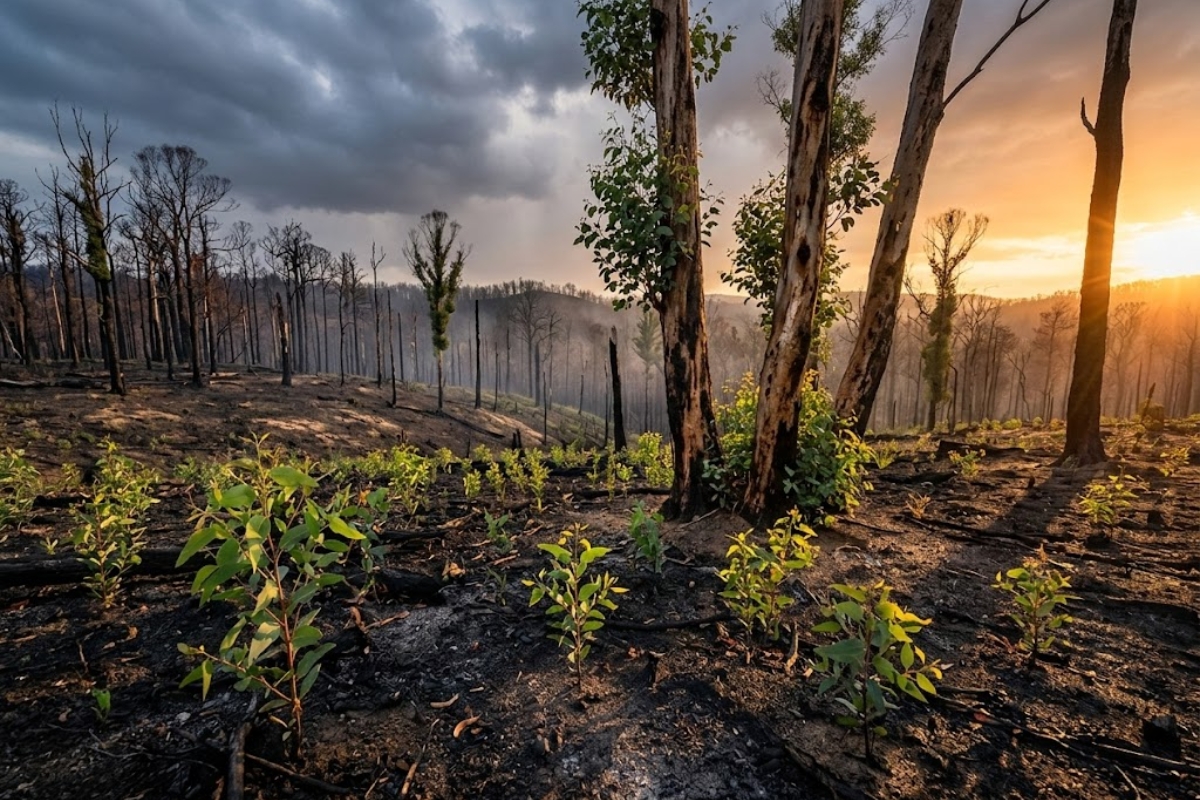
Australian Government Invests In Planting One Billion Trees To Reach Zero Emissions But Deals With Intense Fires In Commercial Monoculture Areas
The strategic plan of Australia envisioned a complete transformation of the national landscape by the year 2050. The central goal set forth the introduction of a massive amount of vegetation to capture carbon and boost the rural economy.
This movement aimed to position the country as a leader in the global climate agenda. However, the practical implementation of this policy generated an adverse effect on the region’s natural defenses against flames.
The choice for accelerated growth prioritized species that now function as fuel for major disasters. The environmental landscape became vulnerable due to the presence of large expanses of eucalyptus and pine at industrial density.
-
Survivor of 1966 SS Daniel J. Morrell Shipwreck in Lake Huron Recounts 38-Hour Ordeal in Extreme Cold

-
The Greatest Hoax in World Cup History? The Film That Denied Brazil’s 1958 Victory and Exposed How Fake Evidence Can Seem Convincing on TV
-
Fake South Korean Online Stores Offer Shopping Thrill Without Spending Money or Receiving Products
-
The War of Jenkins’ Ear: How a Severed Ear Sparked One of the 18th Century’s Most Unusual Conflicts


Fire-Adapted Species Speed Up The Advance Of Flames On The Authorities’ Radar
According to the UN, an international organization that coordinates global efforts for peace, planting young trees at high density transforms carbon sinks into large emitters. This occurs when artificial forests burn and quickly release accumulated gas.
The use of eucalyptus is a sensitive point in defense strategy. This tree has highly flammable natural oils that facilitate the spread of fire through the canopies. The lack of plant diversity prevents the creation of effective natural barriers.
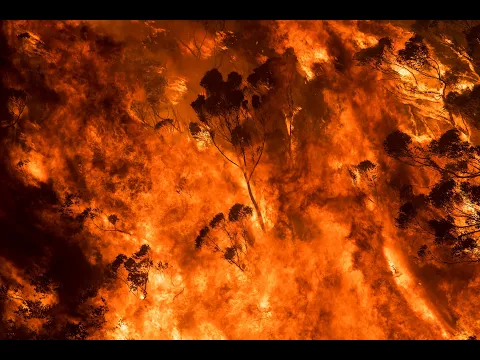

Black Summer Exposes Failures In The Chessboard Of Industrial Reforestation
The recent experience during the period known as Black Summer showed that forests planted without biodiversity planning do not withstand extreme heat. The practical impact was the increase in available fuel load for wildfires.
The absence of natural firebreaks in continuous plantations allowed the fire to advance with unprecedented speed. This situation forced a deep revision on how to occupy the territory safely and strategically.
Change In Tactics Prioritizes Ancient Techniques And Soil Management
The new guideline focuses on using prescribed burns to reduce organic dry material on the ground. This technique seeks to imitate traditional methods that maintain ecosystem balance without posing risks to nearby communities.
The goal now is to create a mosaic of vegetation that interrupts the fire line. The mixture of different types of plants helps retain moisture and decreases the rate of advance of wildfires in critical areas.
Resilience Of Landscaping As A Key Piece For Regional Survival
Data indicates that a forest with high biodiversity can reduce the speed of a fire by up to 40%. This number is crucial to allow the action of emergency teams and protect cities.
The strategy shifts focus from simply counting trunks to considering the stability of the biome. This transition is vital to ensure that billion-dollar investments are not lost in just a few days of extreme drought.
The reconfiguration of the Australian planting plan attempts to prevent the climate solution from becoming a national security risk. The new model of land management seeks to balance the green economy and the protection of borders against fire.
This new posture towards environmental risks alters the perception of control over the territory. The correction of course in forestry policy pressures the region for smarter and more integrated solutions.


-

2 people reacted to this.