Portuguese
  Spanish


Tesla injected an additional $250 million into its battery factory in Berlin, more than doubling the production target of the cells that power its electric cars from 8 to 18 gigawatt-hours per year, and even opened its own production line to startups in an unprecedented challenge in the automotive industry.
When it comes to electric cars, attention almost always goes to the vehicle, the design, the range. But the real industrial battle takes place in a much less glamorous place: the battery cell factory, the heart that defines who can produce at scale and at what cost.
The investment that doubles the German bet
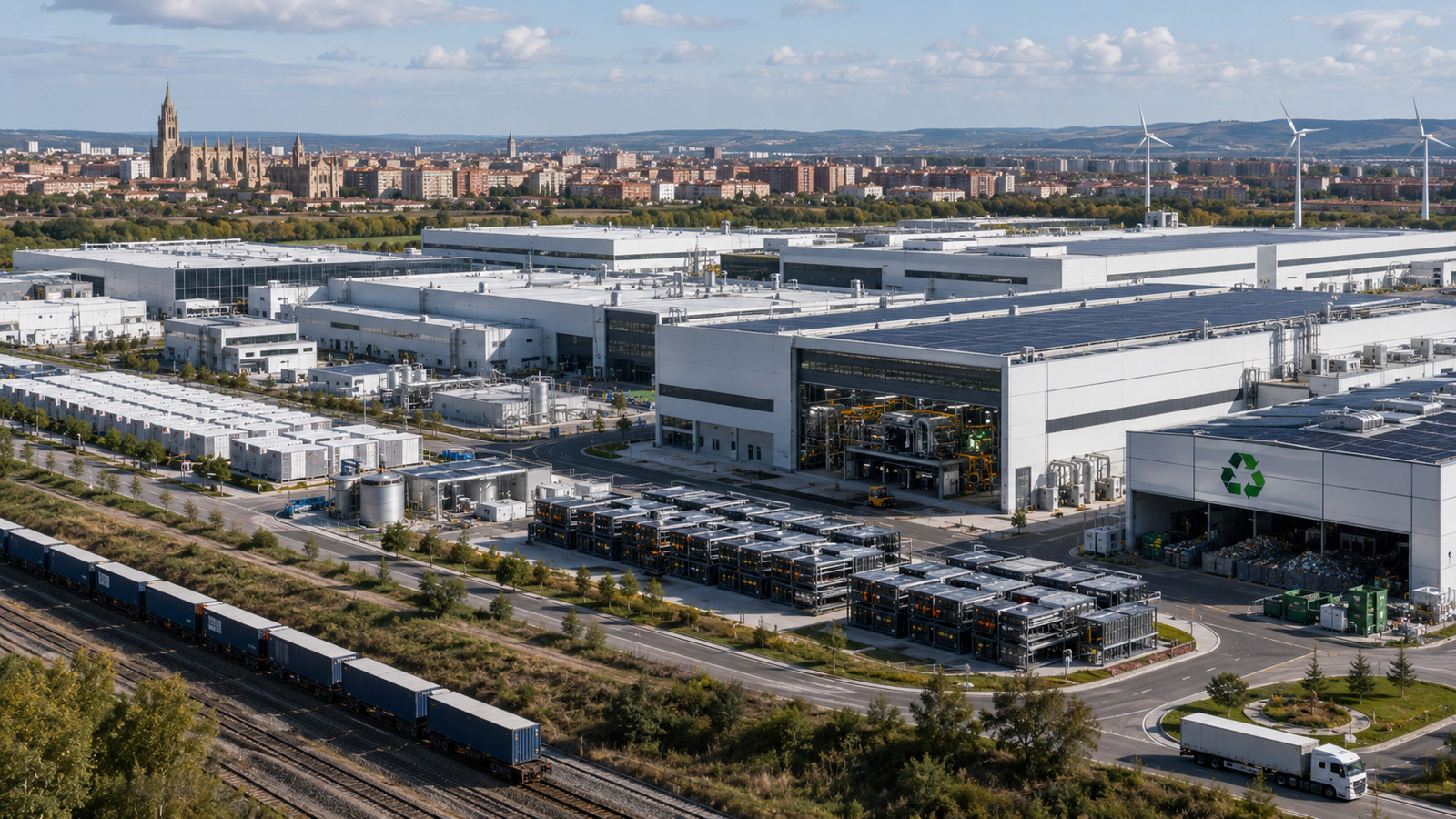
The announcement came out on July 7. Tesla invested an additional $250 million in the Berlin Gigafactory, raising the production target of its 4680 cells from 8 to 18 gigawatt-hours per year. In other words, the factory is now aiming for more than double the capacity it had planned.
With this new investment, the accumulated investment in the cell unit alone is approaching around 1 billion euros. It’s enough money to transform Berlin into one of the most important battery manufacturing hubs in Europe, at a time when the continent is racing not to be entirely dependent on Asia for this strategic input.
-
No more TV stuck on the wall: Samsung The Freestyle+, the new projector with over 400 lumens projects on walls, floors, and ceilings, bringing cinema to any corner of the house.

-
A Japanese governor single-handedly stalled the construction of the world’s fastest train for nine years, and only now has he agreed to allow a tunnel excavated at a depth of 1,400 meters.

-
Almost 1 billion euros, two gigafactories, and a million-dollar public investment, Chinese company aims to turn Spanish city into Europe’s new battery hub.

-
Advancement in the industry: Brazilian company creates ultralight material comparable to steel and paves the way for hydrogen cylinders up to 70% lighter, with a direct impact on logistics, the energy industry, and national competitiveness – learn about Forza Composites



It’s worth remembering that producing the 4680 in mass was a torment for Tesla in the early years, with bottlenecks that delayed entire car lines. Doubling Berlin’s target is, in this context, a sign of confidence that the company has finally tamed the process and feels ready to accelerate production on European soil, far from the American headquarters.
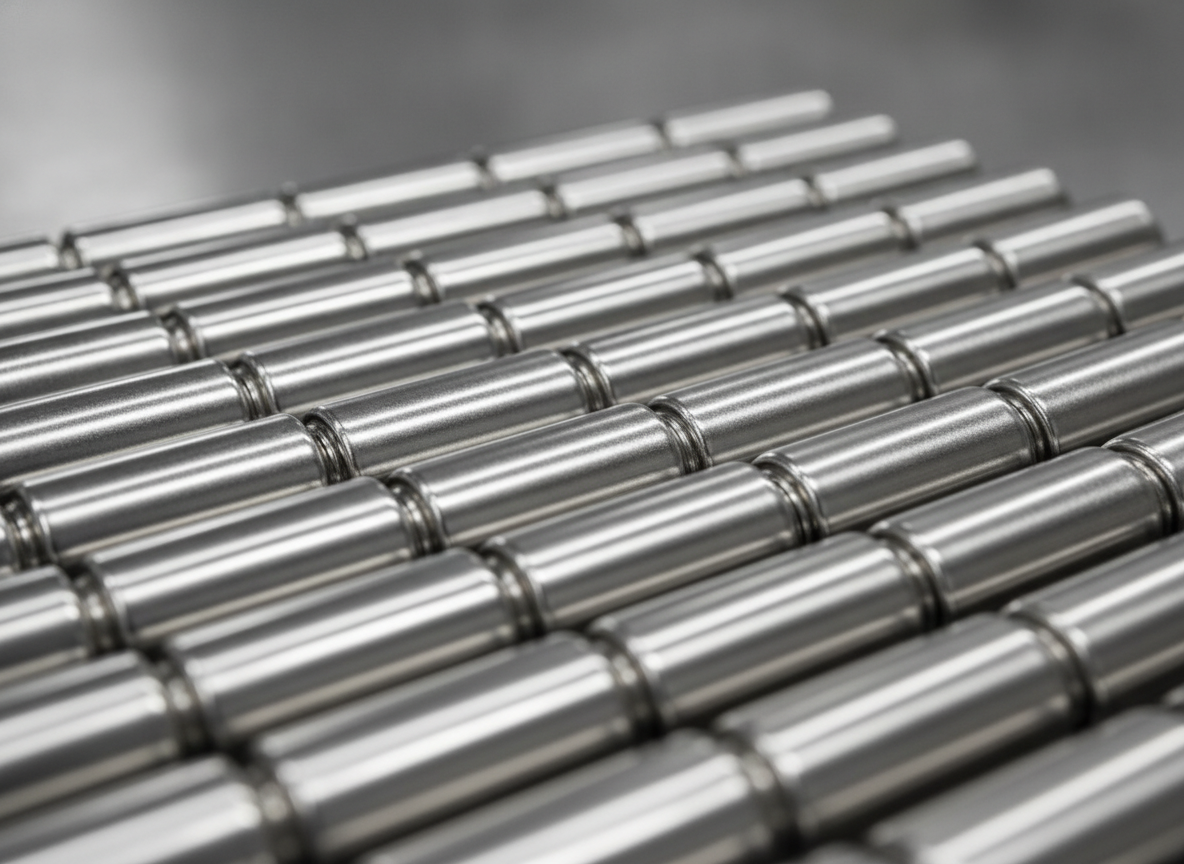
The 4680 cell, named for its dimensions of 46 by 80 millimeters, is Tesla’s bet to make its batteries cheaper and simpler. Larger than previous cells, it stores more energy and reduces the number of parts per pack, which theoretically cuts costs and speeds up assembly. But producing it in mass, with consistent quality, has been one of the company’s biggest engineering challenges.
An open challenge for startups
The most curious part of the announcement is not the money, but the door Tesla decided to open. The company launched the Cell Giga Challenge, a challenge inviting battery startups to use its own German production line, with applications open until July 24. It’s as if the automaker is lending its cutting-edge factory to accelerate third-party innovation.
I confess I found this move smart. Instead of trying to solve all the problems alone, Tesla invites those with good ideas to test them on a real industrial scale, something no startup could afford on its own. Whoever gets it right can gain a powerful partner, and Tesla gains access to the most promising technologies on the market.
It’s a way to stay ahead in an increasingly tight race. While Chinese and South Korean manufacturers advance with new chemistries and colossal factories, Tesla bets on transforming its line into an open laboratory, accelerating discoveries that would take years to achieve alone.
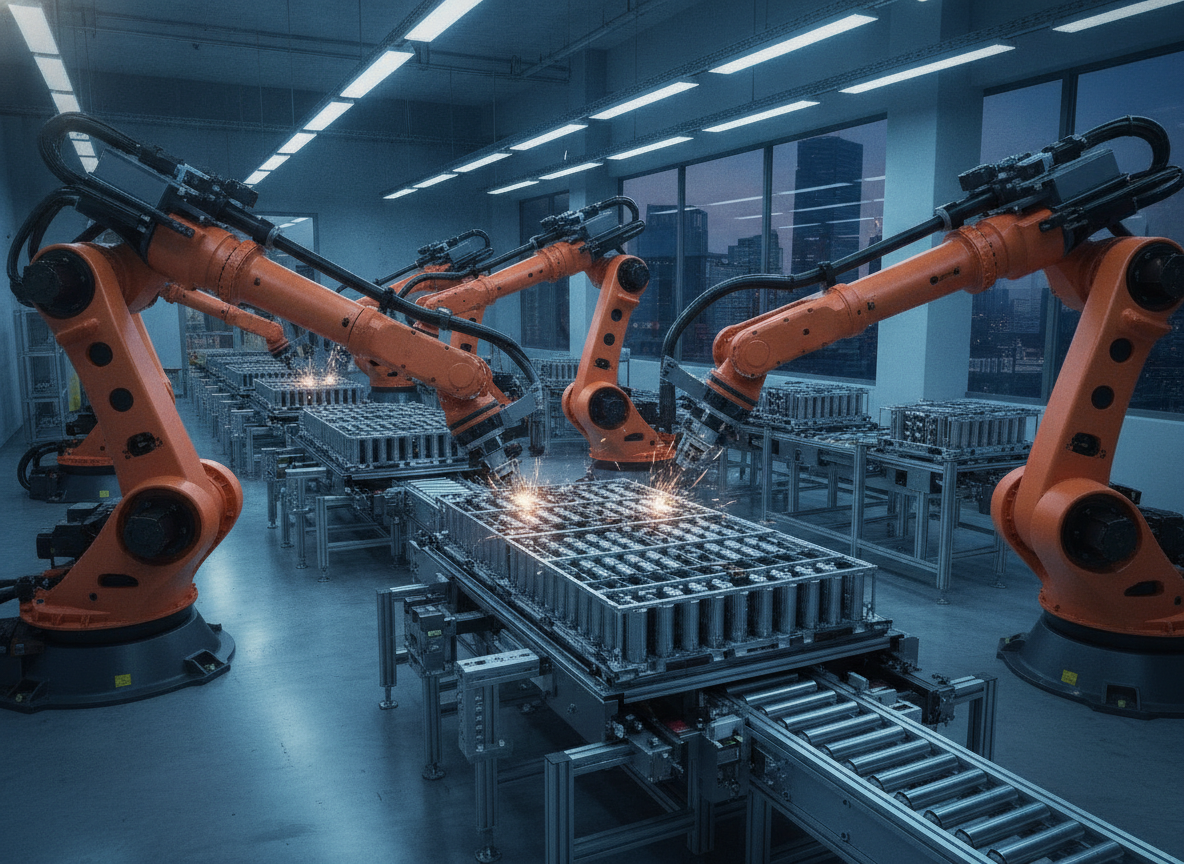
The industrial race behind the electric car
It’s important to make it clear: this story is not about a car model or a price list. It’s about the race for scale in cell manufacturing, the real bottleneck that decides who will lead the electric vehicle era. The automaker that produces cheaper batteries in greater quantity gains an advantage in everything else.
Today, much of this capacity is concentrated in China, which dominates from mineral mining to final battery assembly. Europe and the United States are racing to build their own factories and reduce this dependency, and each gigawatt-hour of installed capacity outside Asia is treated as a strategic victory. The expansion of Berlin fits exactly into this calculation.
For Brazil, which has lithium underground and dreams of entering the battery chain, following these movements is essential. While the big players fight for industrial scale, it is defined where the highest value of this chain will remain, and countries that only export raw materials risk ending up with the thinnest slice of the business.
The so-called Lithium Valley, in northern Minas Gerais, has already attracted investments and exports ore, but turning this wealth into factories and high-value jobs is another story. It’s the difference between selling the coffee bean and selling the roasted and packaged coffee: Brazil dominates the first stage, but the most profitable part continues to happen on the other side of the world, in factories like the one Tesla has just doubled in Berlin.
The battery chemistry war
Behind the race for scale, there is an equally fierce technical dispute over which battery chemistry will win. On one side, lithium batteries with nickel and cobalt, more energy-dense; on the other, lithium-iron-phosphate, cheaper and more durable, in addition to future promises like solid-state. Tesla’s 4680 cell is an attempt to squeeze the most out of the first family.
Each manufacturer places its bets on a different combination, and the market has not yet decided on a clear winner. Whoever gets the right chemistry, at the right cost, at the right time, can dominate the next decade of electric vehicles, and that’s why opening the Berlin line to startups can provide Tesla with a valuable shortcut in this quest.
We see an electric car passing on the street and see clean and silent technology. Behind it, however, there is a fierce industrial dispute for factories, minerals, and patents, and it is in this dispute, not in the showroom, that the future of mobility is decided. Tesla’s bet in Berlin is another move in this billion-dollar game.
Will Brazil be able to turn its lithium into batteries and jobs, or will it just export the cheap raw material?