Portuguese
  Spanish



The Partnership Between Gerdau and Packseven Could Revolutionize the Stretch Film Market with a New Technology, Since Graphene Is an Extremely Versatile Material
The partnership between Packseven and Gerdau Graphene resulted in an unprecedented achievement in the technology industry: the launch of the world’s first Stretch Film with graphene! This collaboration between one of Brazil’s leading flexible film companies and the pioneering high-performance nanotechnology company, Gerdau Graphene, promises to transform the packaging market, according to the site Plástico Sul.
The new Stretch Film with graphene from Gerdau is a thinner and incredibly more resilient version compared to the original material without graphene. This technological innovation was developed in collaboration with Gerdau with the aim of providing a more robust and durable film to the market. Kléber Ávila, CEO of Packseven, highlights the product’s advantages: greater resistance to offensive materials, such as points that could puncture it, higher yield, reduced consumption during stretching, and consequently, a significant improvement in load safety.
Flavia Zangrandi, Head of Products at Gerdau Graphene, emphasizes the importance of graphene technology as a highly studied and relatively new material in the market. Gerdau Graphene is one of the few companies in the world that develops additives and products with nanomaterials and carbon-based technologies, known as graphene, on a commercial scale. Through the partnership with Packseven, Gerdau is delivering to the market a high-performance, lightweight film, expanding the industrial use of graphene.
-
Spain Launches World’s Largest Floating Dry Dock: 56-Meter Giant Produces Massive Concrete Structures in A Coruña Using Technology Proven in Brazil

-
AI-powered toys that talk, recognize faces, and collect data face scrutiny from Brazilian government over children’s privacy concerns

-
4,000-Year-Old Child’s Skull Unveils Ancient Burial in 7,500-Year-Old Norwegian Rock Shelter, Impressing Archaeologists

-
Norway Defeats Brazil in World Cup but Invests Billions to Preserve the Amazon, Strengthens Amazon Fund, and Joins Brazil in Leading Global Effort Against Tropical Deforestation




Graphene: The Strongest Material on Earth!
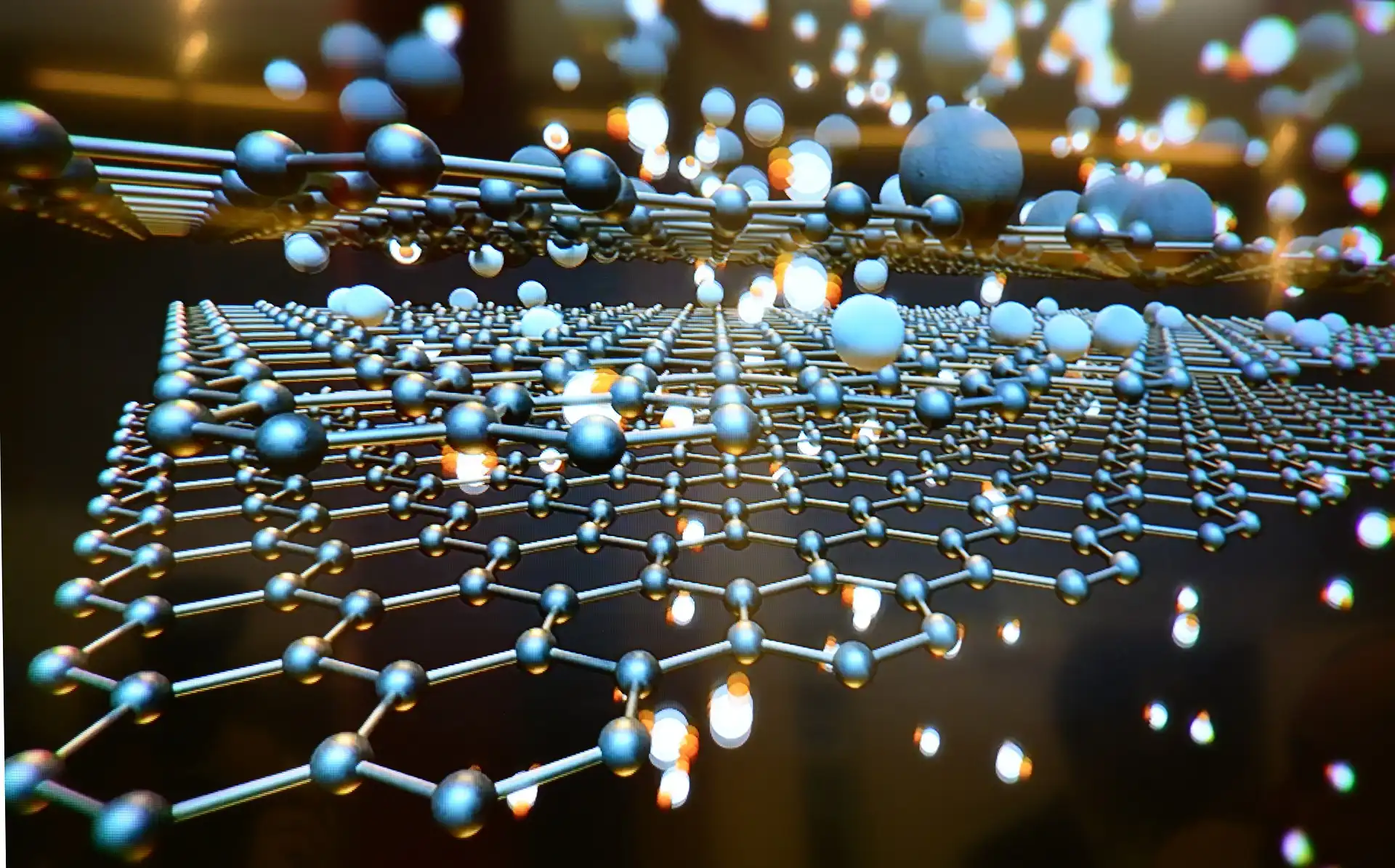
Graphene, considered the strongest material on Earth, is made up of densely packed carbon sheets, one to ten atoms thick. Its extraordinary chemical, physical, electrical, thermal, and mechanical properties have captivated the world since it was isolated in 2004, leading its inventors to receive the Nobel Prize in Physics.
When mixed with plastics, the graphene technology developed by Gerdau provides incredible resistance to the polymeric matrix, making the combined plastic material much stronger. Additionally, graphene improves barrier properties against liquids and gases, offers protection against weather, oxidation, and UV light, and increases electrical and thermal conductivity.
In the case of PE-based plastic films, the addition of graphene technology has demonstrated significant gains in the material’s strength, allowing for a reduction in film thickness. This addition enables an increase in the technology’s performance combined with a more sustainable material, reducing the consumption of virgin plastic or increasing the incorporation of recycled plastic in the final product.
The world’s first Stretch Film with graphene has already shown impressive results in initial technology tests, supporting 120% greater stretching than regular film, and the final version, expected to hit the market in two months, is anticipated to deliver even better results.