Portuguese
  Spanish


The naval recovery of Tally Ho involved seven years of services on hull, deck, masts, interiors, and onboard systems, bringing together maritime carpentry, specialized maintenance, and technical preparation for ocean navigation.
The Tally Ho underwent seven years of naval recovery, with reconstruction of structural parts of the hull, frames, deck, masts, and onboard systems. The 1910 sailboat returned to the sea after a project that required maritime carpentry, specific equipment, and specialized labor.
Sampson Boat Co., the official site of the restoration project, records that Leo Goolden, boat builder and sailor, led the work with the help of friends, volunteers, and specialized professionals. The videos published during the work formed a community that began to support the recovery of the sailboat.
The purchase for US$ 1 marked only the initial transfer of the vessel. The main challenge was to recover a deteriorated wooden boat and prepare it for long-distance navigation, with interventions in areas that influence safety, stability, and operation in the ocean.
-
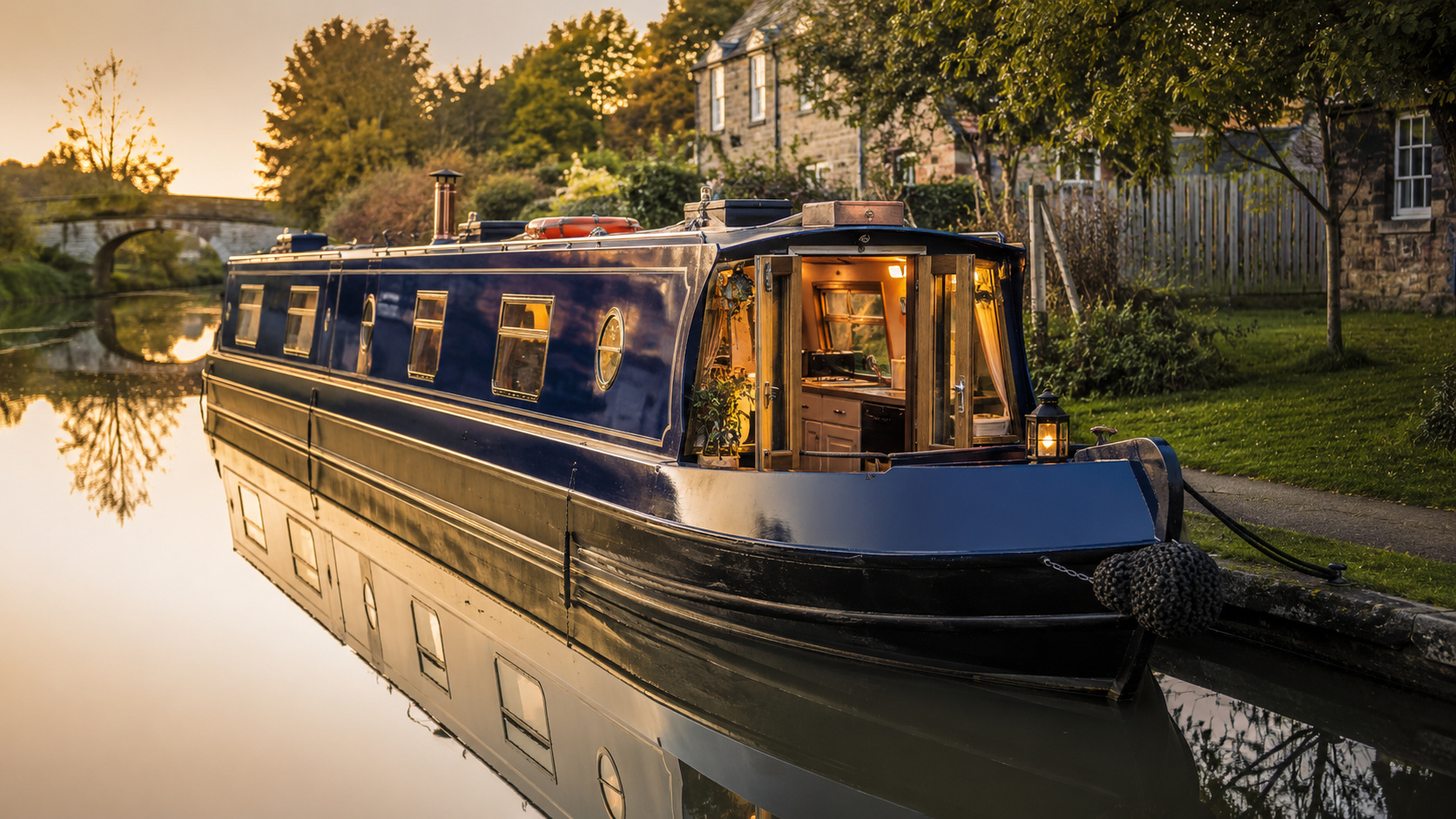
Narrow Canal Boat Transformed into a Floating Home After Eight-Month Renovation to Combat Rust and Leaks

-
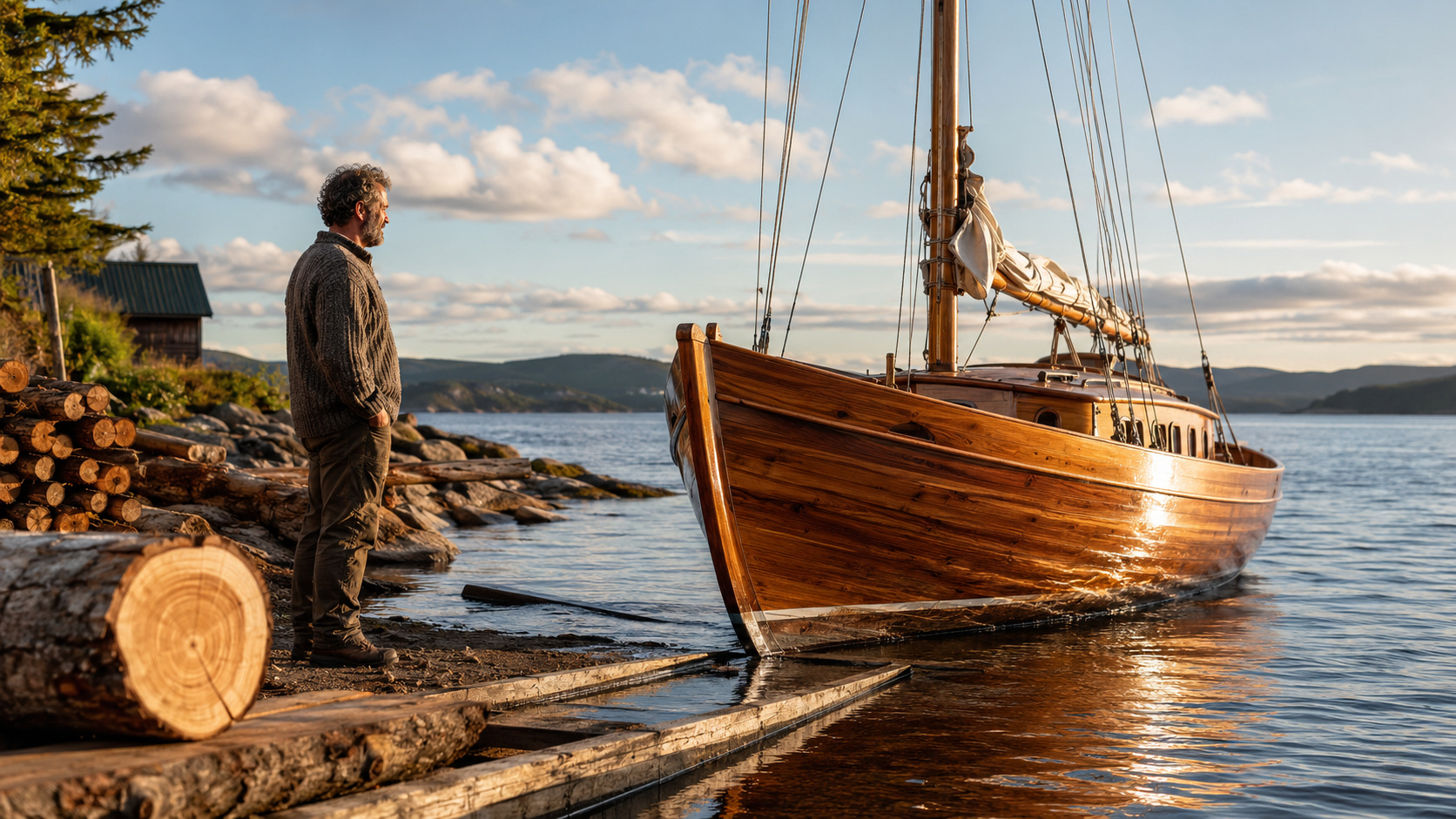
Man with no naval experience builds 11-meter boat from trees on his property, complete with engine and tanks, and launches it into the sea
-
U.S. Approves First Floating LNG Terminal, Awards $2.9 Billion Contract to Samsung Heavy for Delfin FLNG 1 Construction

-
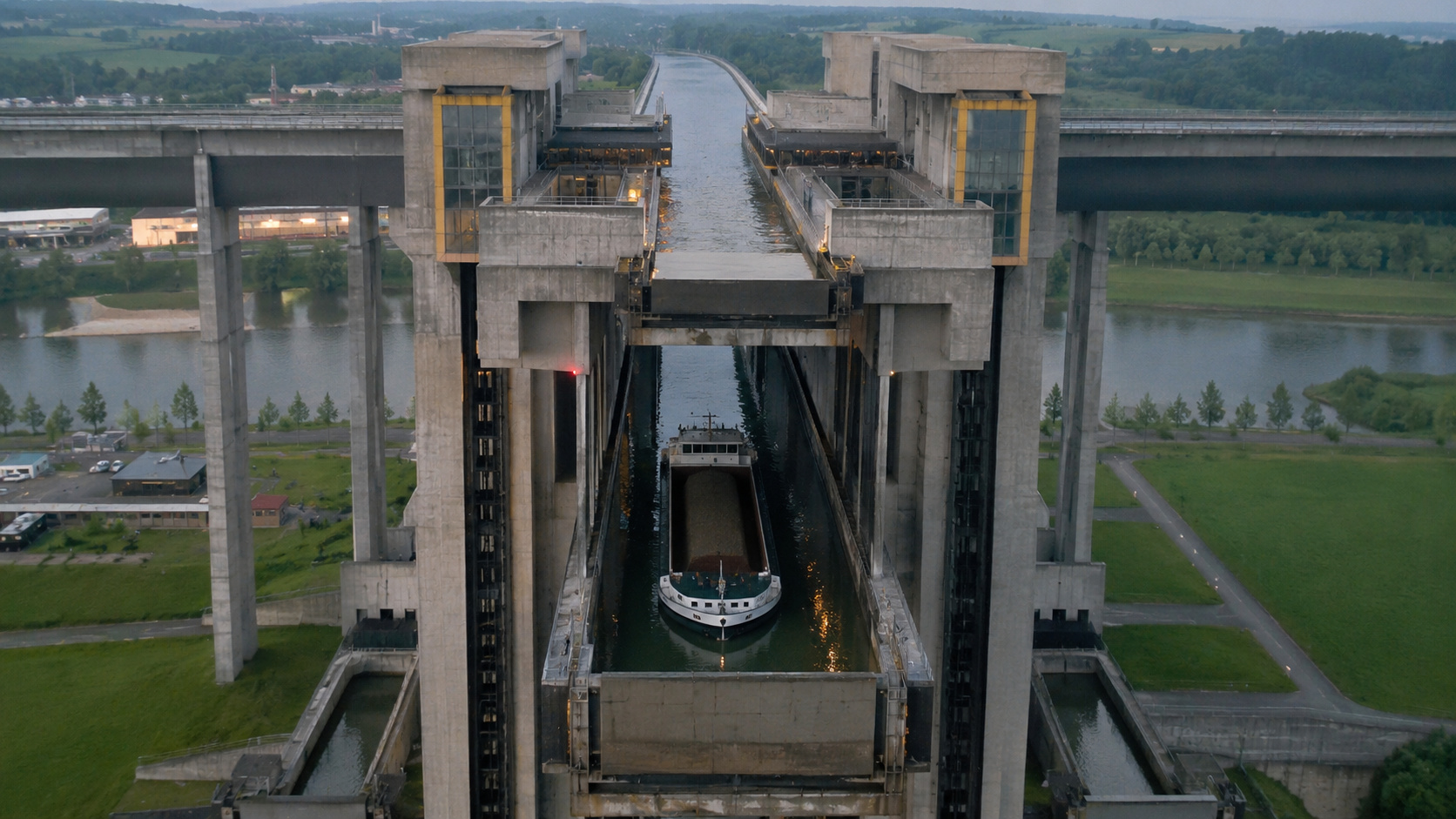
Belgium’s 110-meter ship lift raises vessels weighing up to 1,350 tons the height of a 20-story building without leaving the water.

Why Tally Ho was almost dismantled before restoration
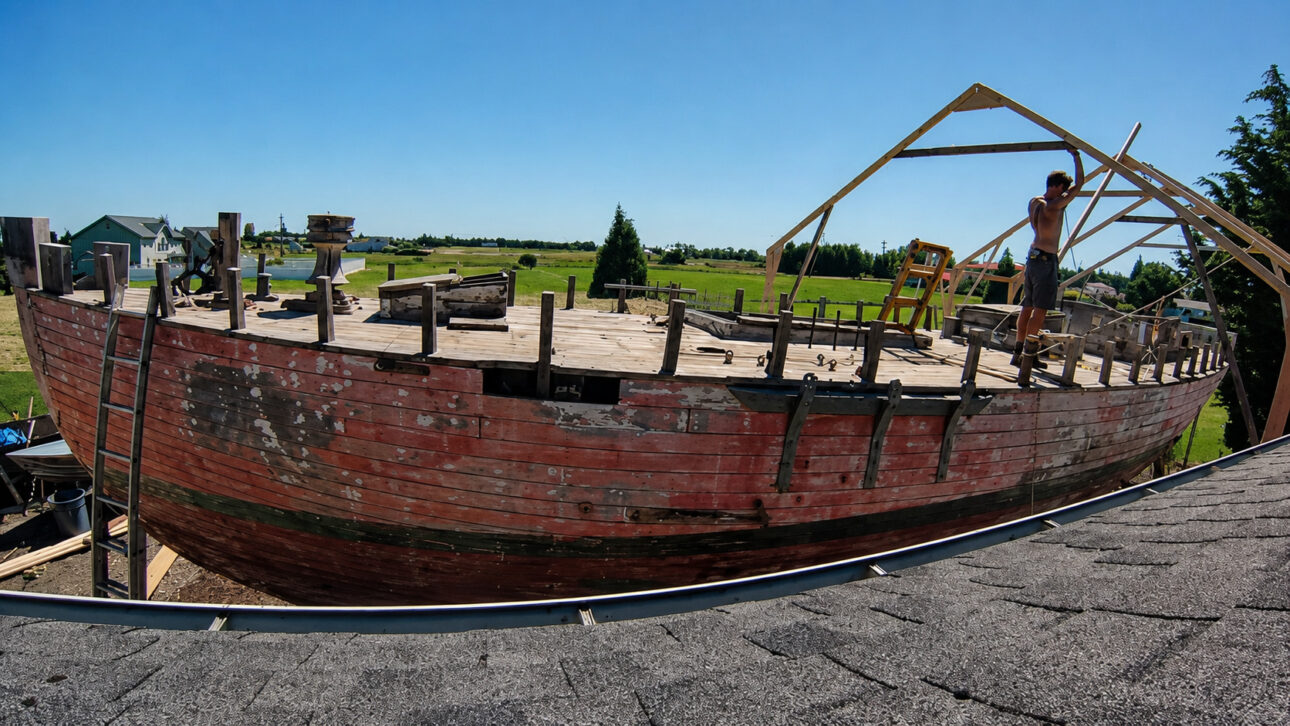
Before the purchase, Tally Ho was in Brookings Harbor, in the American state of Oregon, with serious structural problems. The expenses to keep the boat stored were increasing and there was a risk of dismantling.
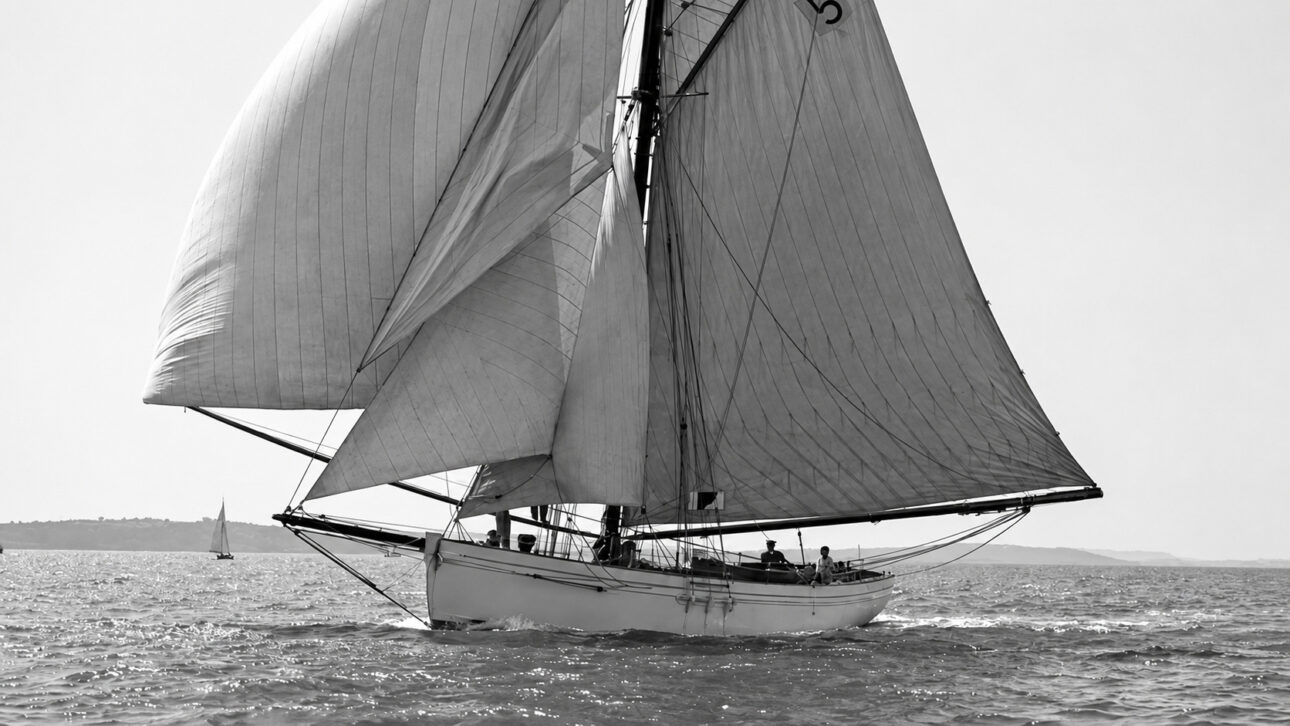
At the end of 2012, the Albert Strange Association took ownership, covered the vessel to prevent further damage, and sought someone capable of recovering the sailboat. The action prevented a boat with over a century of history from disappearing.
Leo Goolden took on the challenge of returning Tally Ho to the ocean. The state of the vessel required more than cleaning and painting, as essential parts needed to be redone before a new voyage.
Sailboat restoration redid hull, deck, masts, and internal spaces
The work involved the hull, the external part that comes in contact with the water, and the frames, curved pieces that give shape and firmness to the boat. The compromised wood needed to be replaced in several points to restore the structure.
The deck, the upper area where people walk, was also included in the project. The interior spaces were rebuilt to restore usability to the vessel, without ignoring the design of a wooden sailboat built in 1910.
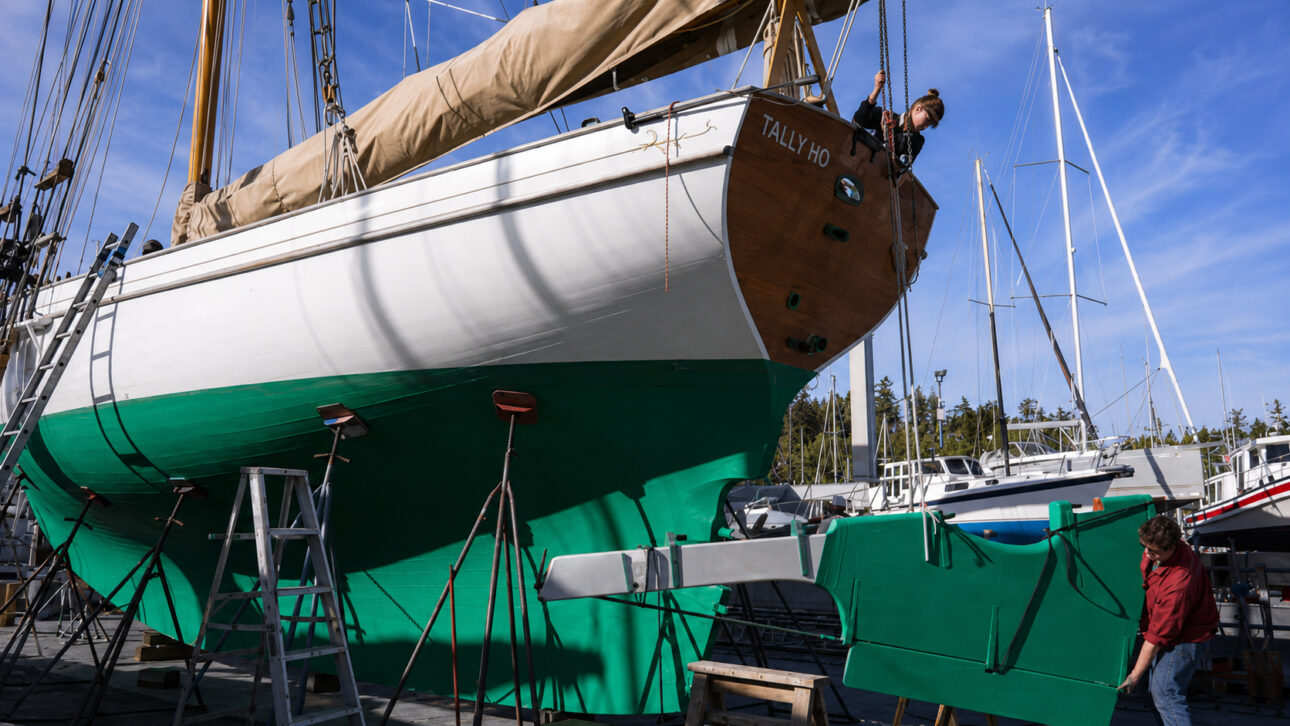
The restoration also included new masts, water systems, and propulsion equipment. Propulsion is the set that helps the boat move when the sails are not enough, something important on a long ocean journey.
YouTube videos helped sustain seven years of work
Sampson Boat Co., the official site of the restoration project, shows that the community created by the videos helped finance the reconstruction. Friends, volunteers, and professionals with experience in shipbuilding became part of the work.
The channel opened to the public tasks that usually remain hidden in workshops, such as wood replacement, deck preparation, interior adjustments, and installation of onboard systems. These systems are the equipment that make the vessel function daily.
The value of US$ 1 explains the origin of the project but does not define its scope. The work represents a prolonged naval recovery, with an impact on maritime carpentry professionals, vessel maintenance, and preservation of navigation-related heritage.
1927 victory explains the goal of returning to the Fastnet Race
The Tally Ho won the Fastnet Race in 1927, after facing rough seas and strong winds. The race is a long-distance ocean competition, designed to test sailboats outside sheltered waters.
In 2027, the milestone will be one hundred years since Tally Ho’s victory in the competition. The date does not mark one hundred years of the Fastnet Race, as the first edition took place in 1925.
The victory helps explain the journey back to the United Kingdom, where the boat was built. Restoring the vessel also means preserving a history that almost ended with dismantling.
United Kingdom and Fastnet Race of 2027 are still goals of the journey
The Tally Ho sails back from the North Pacific to the United Kingdom. The Fastnet Race of 2027 remains a goal, and the project still has a way to go before reaching the start.
The return to the ocean does not end the challenges of a naval restoration. Hull, masts, systems, and crew need to work together in conditions that can change rapidly during the crossing.
The recovery of the Tally Ho shows that wooden vessels require technical planning, maritime carpentry, system maintenance, and constant hull evaluation before returning to navigation. The work also involves shipyards, workshops, and specialized suppliers in parts, materials, and naval services.
In your opinion, can restoring historic vessels help keep techniques, workshops, and shipbuilding professionals active?