Portuguese
  Spanish


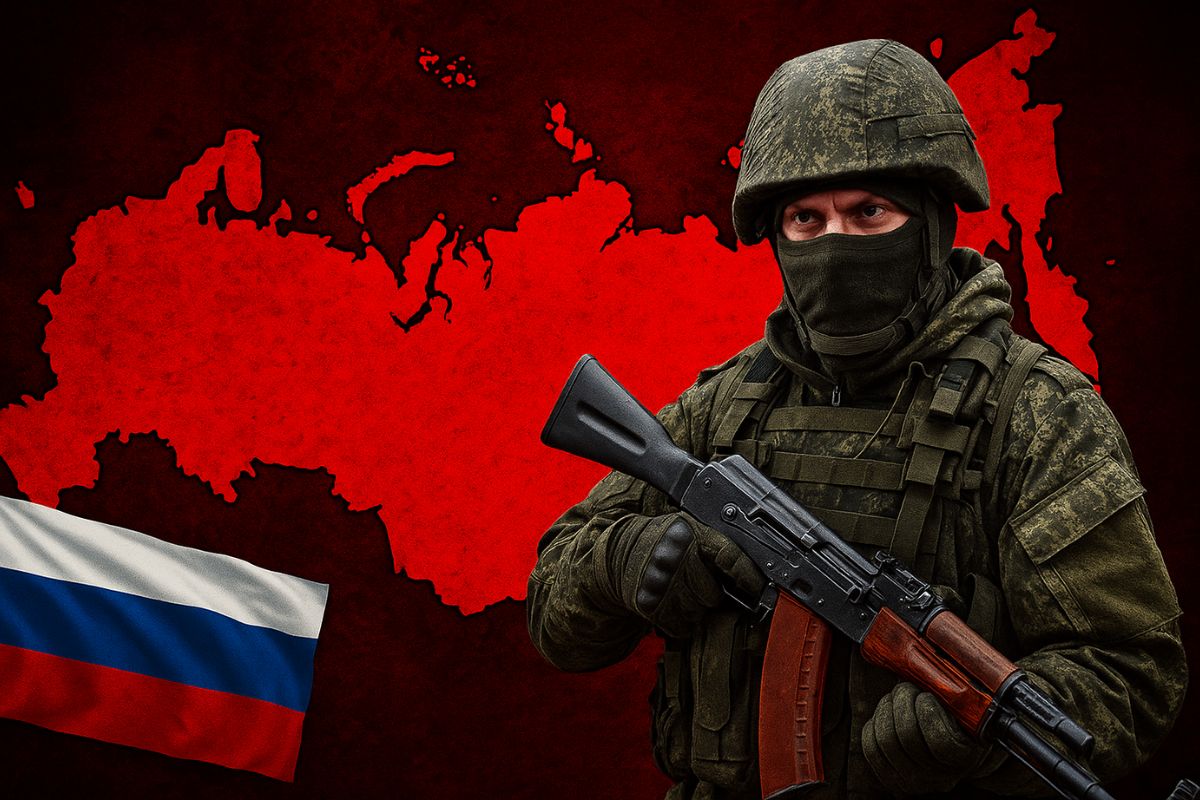

With Almost 23 Million Km² at Its Maximum Extent, Russia Took Centuries of Wars, Alliances, and Expansion to Become the Largest Country in the World
The formation of Russia as the largest country in the world began with the Slavic peoples, who occupied the plains of Eastern Europe over 5,000 years ago. From the emergence of Kievan Rus in the 9th century to the creation of the Russian Empire in 1721, the territory underwent successive unifications and conquests, often marked by wars against Vikings, Mongols, European empires, and even Japan.
The history of Russia is one of the most complex on the planet, and its territorial expansion was driven by tsars like Ivan the Terrible, Peter the Great, and Catherine II. Between the 16th and 19th centuries, Russia annexed areas such as Siberia, Alaska, Crimea, Finland, and large parts of Central Asia, establishing itself as the largest country in the world in continuous area. Understand now how this gigantic nation was formed.
From Slavic Origins to Kievan Rus
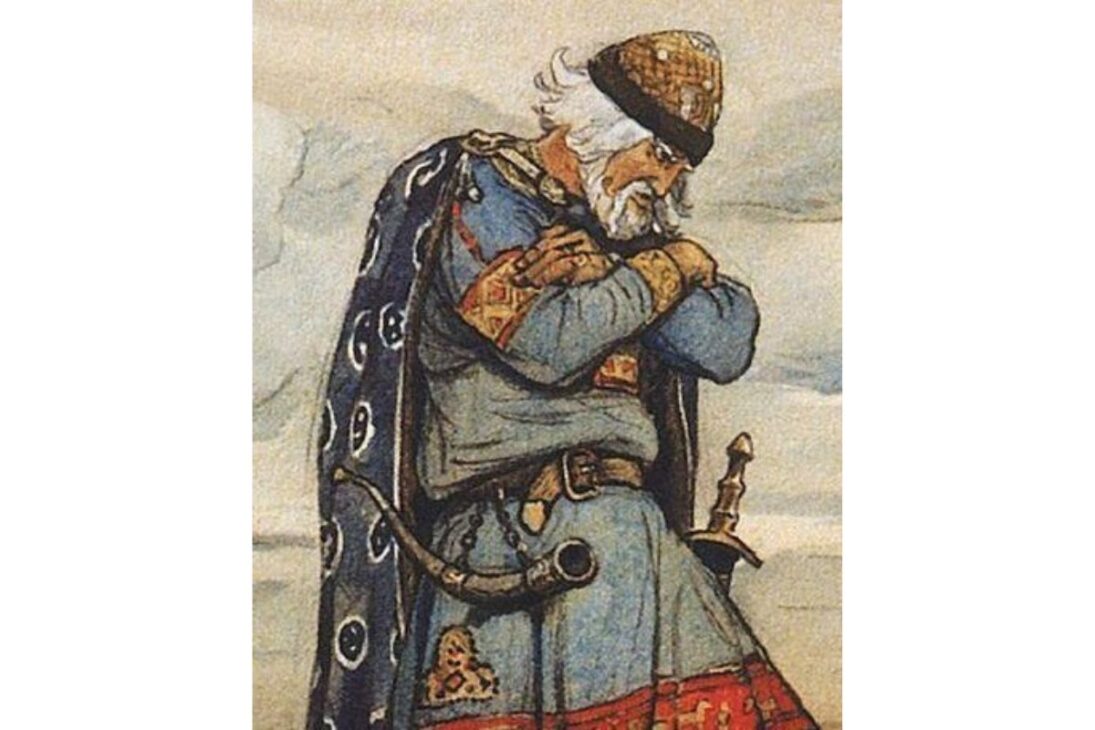
The Russian story begins with the Eastern Slavs and the Varangians (Vikings) from Scandinavia, who founded the city of Novgorod in 862. In 882, Prince Oleg unified territories to the south and founded Kievan Rus, the first relevant Slavic state. From there, Orthodox Christianity was adopted by Vladimir I in 988, consolidating ties with the Byzantine Empire.
-
4,000-Year-Old Stone Towers Discovered Across Sardinia, Puzzling Archaeologists About This Mysterious Civilization

-
Katie Stagliano’s 18 kg Cabbage at Age 9 Fed 275 People, Inspired Katie’s Krops, and Led to 100 Community Gardens in 32 U.S. States to Combat Hunger with Fresh Produce

-
Black Granite Sarcophagus Found in Alexandria Reveals Three Skeletons, Strange Liquid, and an Ongoing Archaeological Mystery in Egypt
-
Childhood Psychology: Experts Highlight How Playing Outdoors Until Dusk Boosted Autonomy, Decision-Making, and Resilience in Previous Generations, Influencing Adult Behavior Today



The peak of Kievan Rus occurred under the rule of Yaroslav the Wise (11th century), but internal conflicts and Mongol invasions in the 13th century led to the fragmentation of the territory. From 1240 onwards, the Golden Horde Mongol dominated the Russian principalities, which paid tribute in exchange for local political autonomy.
The Emergence of Moscow and the End of Mongol Dominance
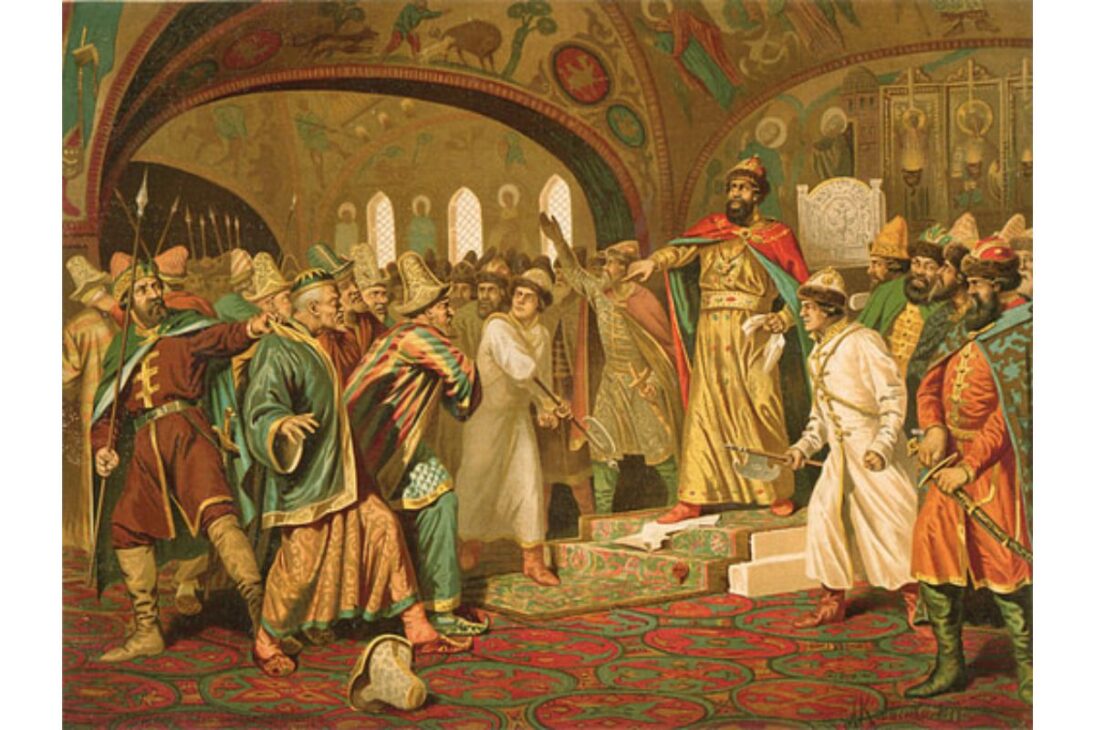
The Grand Duchy of Moscow strengthened from the 14th century onwards and, under the reign of Ivan III (Ivan the Great), began the unification of Russian territories. In 1480, the Russians finally broke away from the Mongols at the Great Stand on the Ugra River, initiating the consolidation of an independent Russian state.
In 1547, Ivan IV — known as Ivan the Terrible — became the first czar of Russia. His reign marked the beginning of the tsarist autocracy and the conquest of new territories, including the Khanates of Kazan and Astrakhan. In the 17th century, Russian expansion crossed the Ural Mountains and reached Siberia, aided by the Cossacks, reaching the Pacific Ocean in less than a hundred years.
The Birth of the Russian Empire
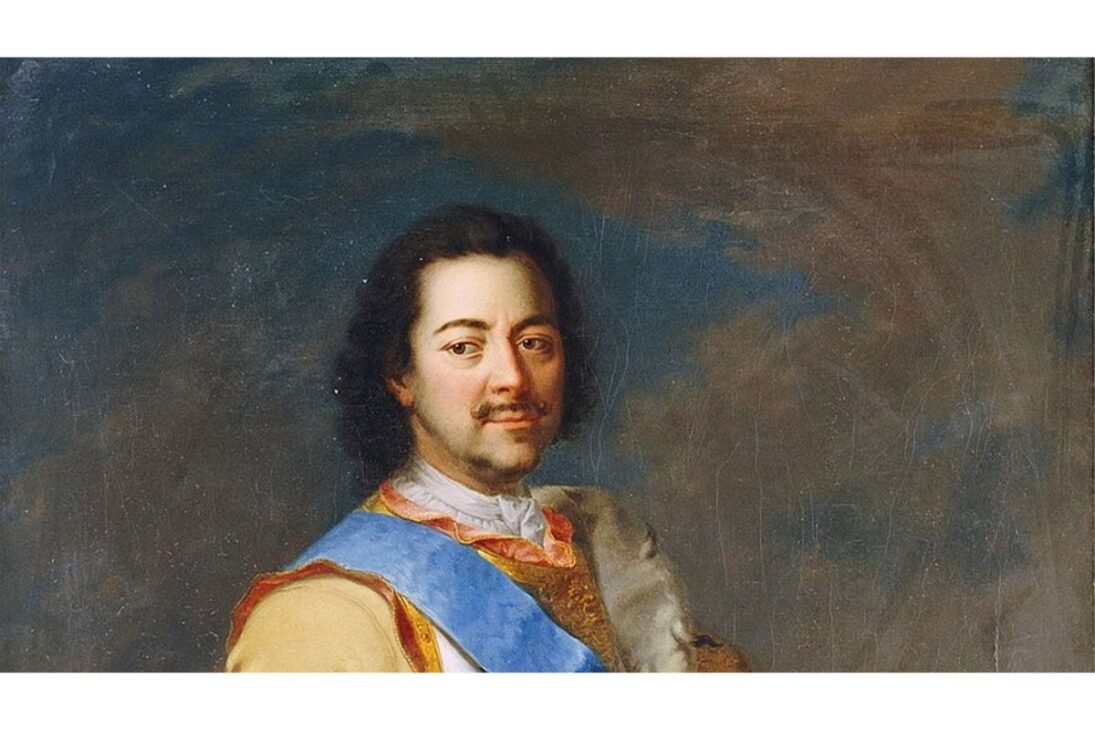
The Russian Empire was officially proclaimed in 1721 by Peter the Great, after victory in the Great Northern War against Sweden. St. Petersburg, founded in 1703, became the new capital. Peter modernized the army, reformed the government, and opened the country to European influence.
In the 18th century, Russia conquered Crimea, parts of Poland, and the Caucasus. Catherine the Great, empress from 1762 to 1796, further expanded the borders and consolidated control over the Black Sea. The Russian presence reached Alaska, where they established colonies before selling the territory to the US in 1867.
Maximum Expansion and Fall of the Empire
During the 19th century, the Russian Empire annexed vast areas of Central Asia and participated in the Napoleonic Wars and the Crimean War. At its height, the empire covered over 22.8 million km², nearly double that of South America, solidifying Russia as the largest country in the world.
Despite its territorial vastness, the empire faced economic and social difficulties. Participation in World War I exacerbated the internal crisis. In 1917, Tsar Nicholas II was deposed during the Russian Revolution, bringing an end to the Russian Empire and paving the way for the formation of the Soviet Union.
Did you imagine that the largest country in the world had such a long and conflict-filled origin? Which part of this story surprised you the most? Comment below.