Portuguese
  Spanish


At just 20 years old, Javier José Vázquez Zayas went from a small farm to a daily production of about 1,200 eggs.
A small farm started with 50 laying hens transformed into a farm with about 1,400 birds in less than a year.
Javier José Vázquez Zayas, 20, now manages JN Farm in Corozal, Puerto Rico, and produces approximately 1,200 eggs per day.
The story was published by the newspaper Primera Hora, in a report by José Karlo Pagán, on July 2, 2026.
-
Small Farm in Brazil’s Minas Gerais Produces 403 Liters of Milk Daily, Sets Benchmark for Rural Producers

-
Man Revives 1930s Abandoned Trout Farm, Learns from Scratch, and Earns $1.1 Million Annually Selling Fish to Michelin-Starred Restaurants

-
Bangladeshi Farmers Use Bamboo Levers to Pump Thousands of Liters of Water Daily Without Engines or Electricity
-
Brazilian Forests Could Expand by an Area Twice the Size of Switzerland by 2035, but Agricultural Sector Holds the Key, Study Finds




The young man summarizes the business philosophy with a simple phrase: “happy hens, quality eggs”.
A dream that began in childhood
Javier grew up in direct contact with agriculture.
The family worked with cilantro cultivation, and he accompanied his parents in the tasks of the rural property.
The routine involved harvesting, packaging, and other field-related activities.
The desire to have his own business emerged during high school.
The idea of the farm gained strength after a suggestion from his father, who recommended the young man research about laying hens.
The first 50 hens gave rise to JN Farm
Javier used his savings to buy the first 50 hens in August 2025.
The birds were placed in a small area of the family property.
The first egg-laying increased the young man’s enthusiasm and gave more confidence to the project.
The name JN Farm was chosen in honor of his parents, José and Nancy.
The small farm then began to be treated as a rural enterprise.
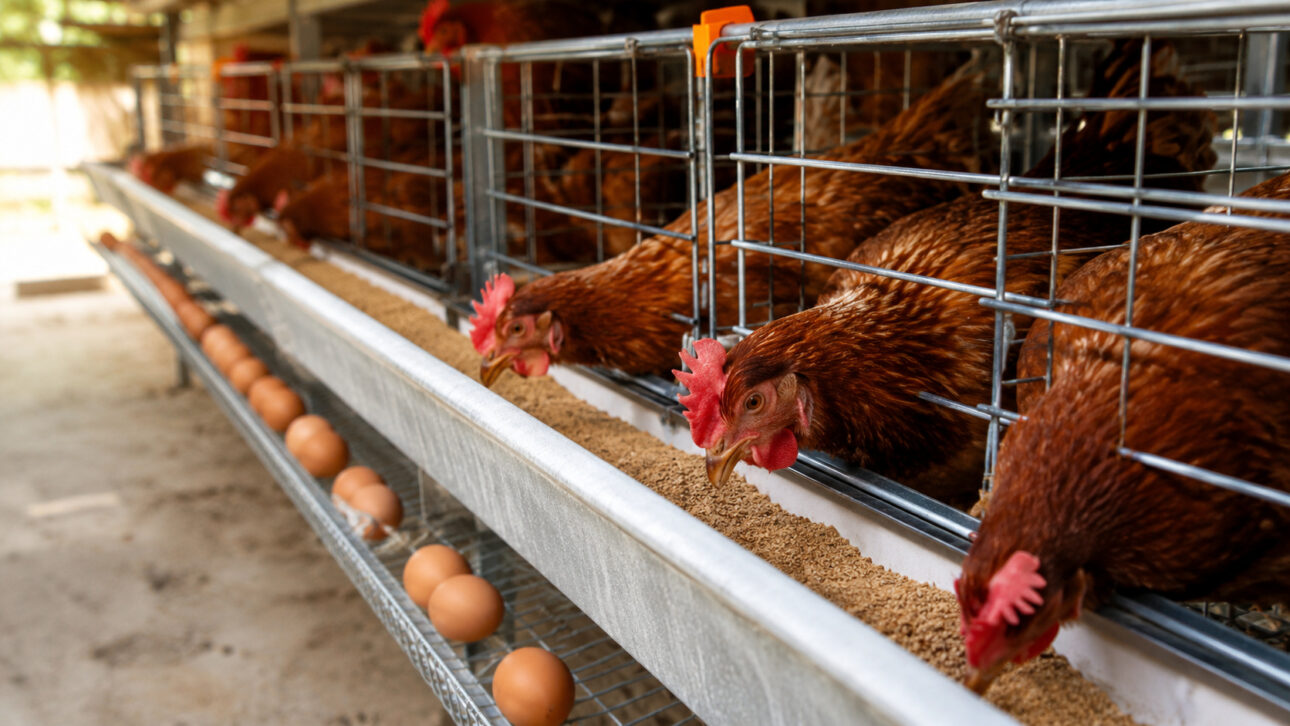
Production grew quickly and reached 1,200 eggs per day
The farm advanced in a few months.
In October 2025, the farm had already expanded to about 1,400 laying hens and one rooster.
At the end of February 2026, the birds were moved to the area where the farm currently operates.
The routine starts around 6 AM.
The barns are opened early so the hens can roam the outdoor area.
The birds scratch, forage for food, and take dust baths, behaviors considered natural in farming.
Javier believes this freedom directly contributes to the hens’ well-being.

Animal welfare became the main differentiator
Caring for the birds has become a hallmark of JN Farm.
The farm seeks to offer more freedom and respect the natural habits of laying hens.
This model helps Javier differentiate his production in a competitive market.
The phrase “happy hens, quality eggs” represents the strategy adopted by the young producer.
Challenges also marked the journey
Rapid growth came with difficulties.
Competition with cheaper imported eggs was one of the main obstacles faced by Javier.
Many lessons also emerged from the daily practice of farming.
One of the most difficult moments occurred during the move of the birds to another henhouse.
Some hens crowded together because they were not used to the darkness.
About ten birds died in this process.
Even in the face of loss, Javier decided to continue with the business.
Childhood dream keeps the young man motivated
Javier states that his motivation comes from the child who dreamed of having something of his own.
The young man says he cannot give up due to fatigue or weaker sales.
The current goal is to strengthen direct sales to the consumer.
Expanding the brand is also among the plans for the next steps of JN Farm.
What does this story reveal about rural entrepreneurship?
Javier’s journey shows how a small farm can scale up when there is dedication, routine, and business vision.
The young man started with 50 chickens, invested personal savings, and transformed the project into a farm with about 1,400 birds.
The challenge now is to maintain quality, sell the entire daily production, and consolidate the brand in the local market.
The story also reinforces the potential of young entrepreneurs in the countryside, especially when family tradition and personal initiative go hand in hand.
Do you believe that young rural producers should receive more encouragement to transform small farms into sustainable businesses? Share your opinion!