Portuguese
  Spanish


A giant cabbage grown by Katie Stagliano became a community meal, inspired Katie’s Krops, and showed how community gardens can bring children closer to fresh food, local donation, and hunger combat, in a story that grew from a cafeteria to 100 gardens in 32 states of the United States with family community support.
An 18 kg giant cabbage changed the trajectory of Katie Stagliano when she was 9 years old, in the United States. The vegetable was donated to a local community cafeteria, became food for more than 275 people, and inspired the creation of Katie’s Krops, an initiative focused on community gardens and fresh food by young people.
According to a report by PBS SoCal, in partnership with the UC Food Observer, published on August 3, 2016, Katie Stagliano was 17 years old when she recounted how Katie’s Krops grew to reach 100 community gardens managed by young people in 32 states of the United States, reinforcing access to fresh food.
An 18 kg cabbage revealed a bigger problem
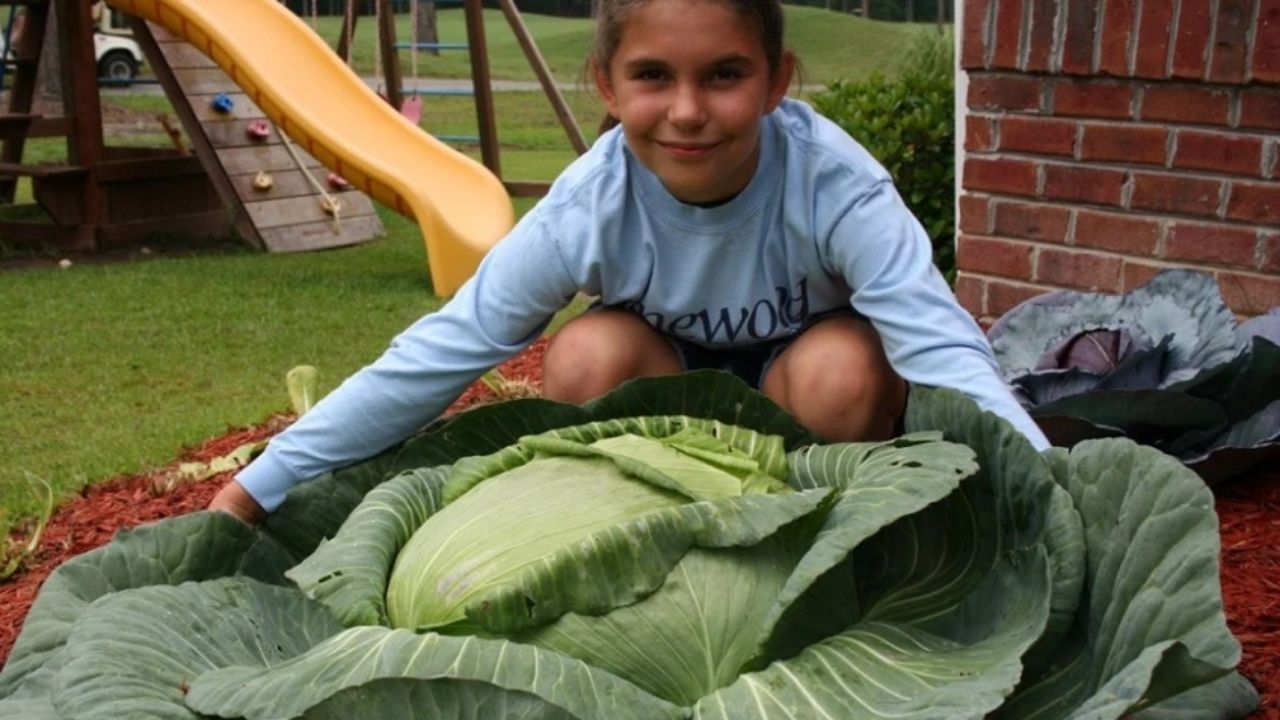
The story began with an apparently simple planting, but the size of the vegetable drew attention. The giant cabbage grown by Katie was not just a garden curiosity: it was taken to a community cafeteria and used in a meal that served more than 275 people.
-
Black Granite Sarcophagus Found in Alexandria Reveals Three Skeletons, Strange Liquid, and an Ongoing Archaeological Mystery in Egypt

-
Childhood Psychology: Experts Highlight How Playing Outdoors Until Dusk Boosted Autonomy, Decision-Making, and Resilience in Previous Generations, Influencing Adult Behavior Today
-
Former Truck Driver from Brazil Builds Logistics Company Aiming for $70 Million Revenue with 11 Branches, 700 Monthly Clients, and $10 Million Fleet Investment

-
World’s First Plasma Dress Turns Fashion Show into Scientific Spectacle with Controlled Electric Discharges and Ionized Gases in Iris Van Herpen’s Groundbreaking Tech-Fashion Creation





This direct contact with people in food insecurity made the young girl realize that hunger was not far away. The episode showed that food scarcity could affect families, neighbors, the elderly, sick people, and residents facing difficulties at the end of the month.
Katie’s Krops was born from a childhood experience
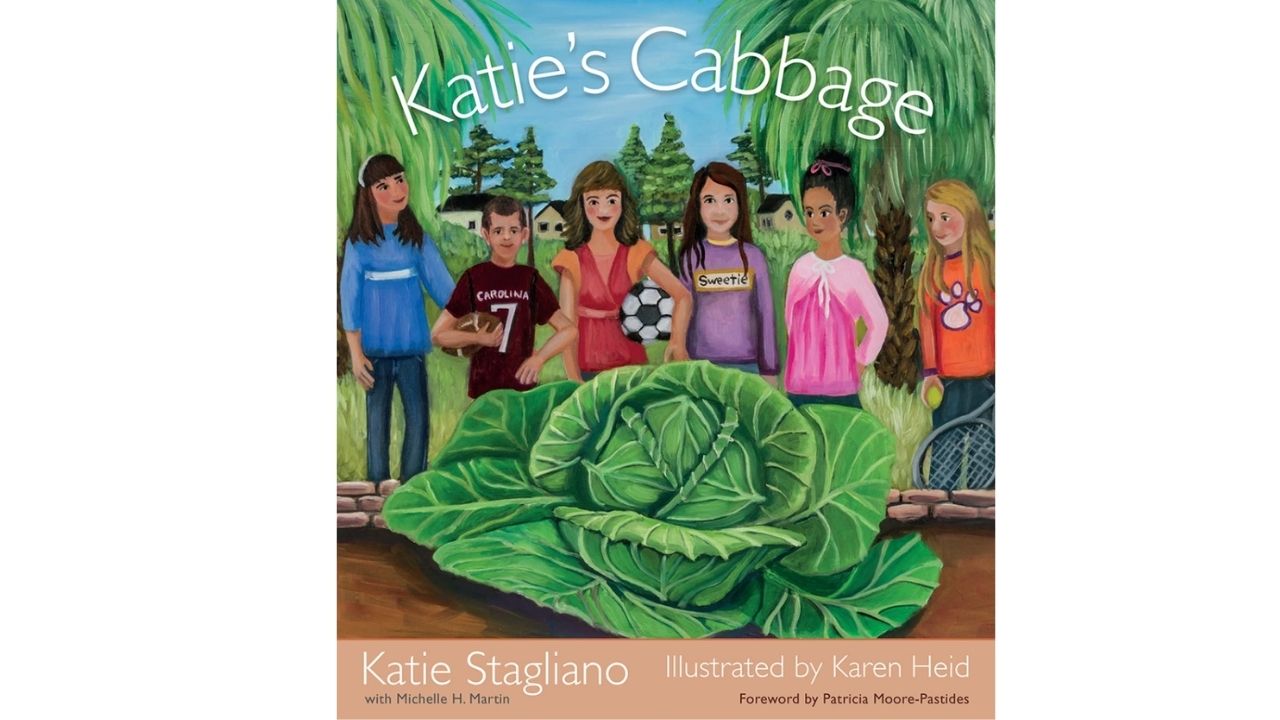
After donating the giant cabbage, Katie Stagliano created Katie’s Krops, a nonprofit organization focused on cultivating gardens by children and teenagers. The proposal was simple in appearance but broad in impact: plant, harvest, and donate fresh food to communities in need of help.
The initiative grew because it began to involve young people from different regions of the United States. Instead of treating childhood as a symbol of empty promise, the project showed children acting with support, organization, and community purpose. The strength of the idea was in transforming learning into local service.
Community gardens brought fresh food to more places
By 2016, Katie’s Krops already had 100 community gardens managed by young people in 32 states. These spaces were cultivated to donate fruits, vegetables, and greens to people facing hunger or difficulty accessing fresh produce.
The growth of the network showed that the giant cabbage did not just become a personal memory. It became the starting point of a community structure that connected young people, families, schools, volunteers, and people benefiting from meals or food donations.
Hunger appeared with real faces and stories
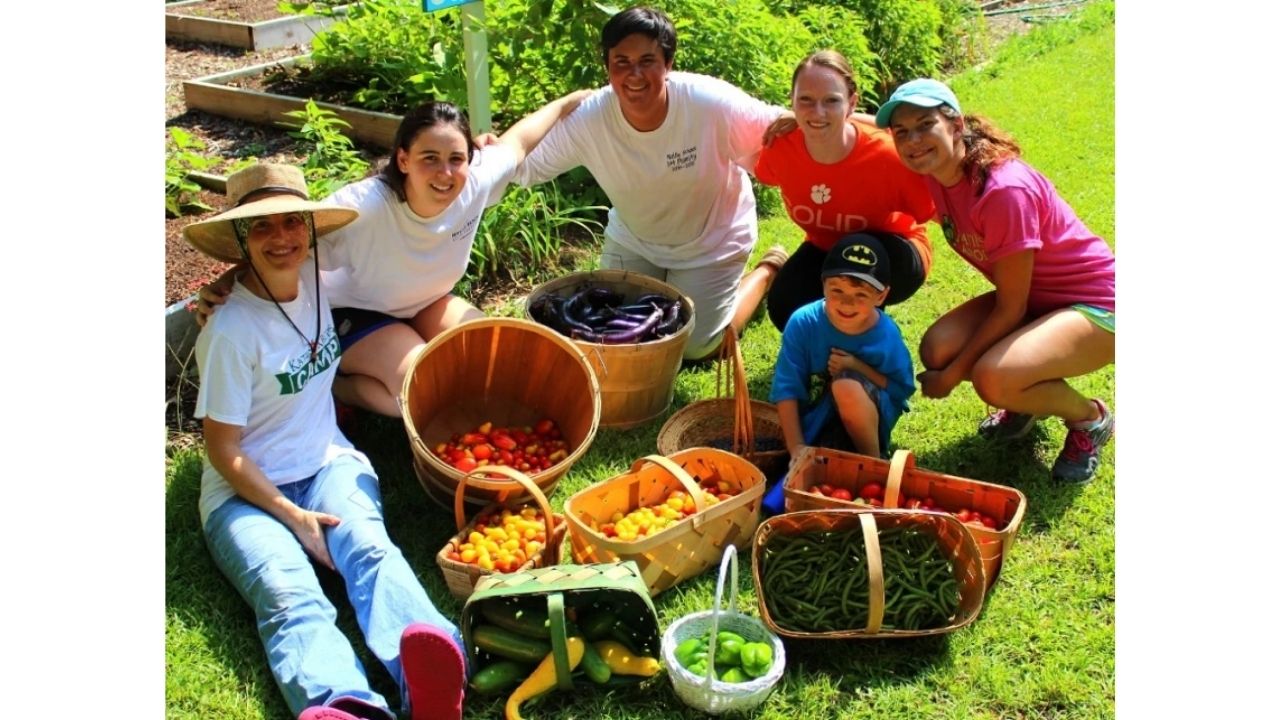
Katie reported that one of the biggest surprises was understanding how many people were affected by hunger. By participating in Katie’s Krops dinners and actions, she began to meet people with very different stories, including veterans, families with little money for food, and caregivers responsible for children in their own families.
This interaction helped to show that food insecurity does not always appear visibly. Many people struggling to eat well continue working, studying, caring for relatives, and trying to maintain everyday life in silence.
Fresh foods became a central part of the mission
One of the points highlighted by Katie was the difficulty for emergency programs to regularly offer fresh food. Many can distribute processed foods, but fruits, vegetables, and greens do not always reach those who need them most.
For this reason, Katie’s Krops began to advocate for local cultivation as a way to complement food assistance. The goal was not to replace public policies or social programs, but to expand access to fresh foods in communities where such products could be scarce or expensive.
The school and family became part of the project’s routine
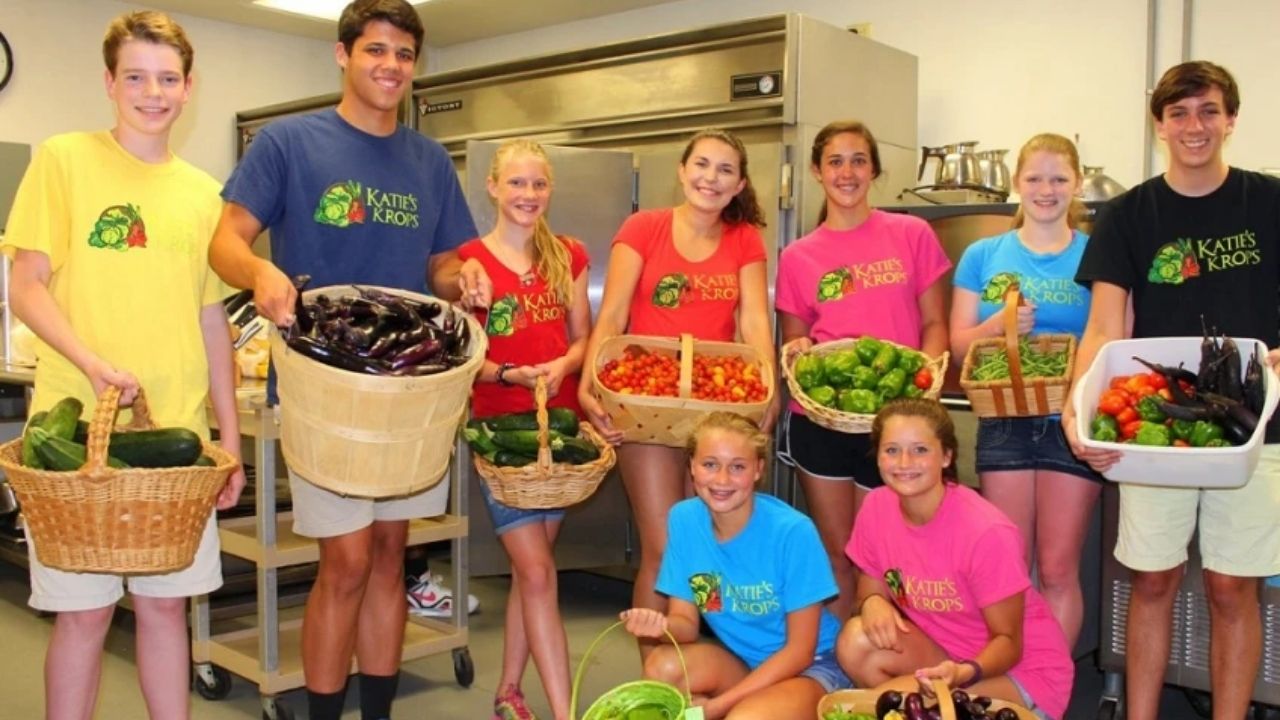
Katie’s life also changed within the school. Pinewood Preparatory School, where she studied, supported her efforts and allowed the main Katie’s Krops garden to be installed on campus, integrating the project into the young student’s educational routine.
The family also became involved in the initiative. The mother took on a leadership role in the organization, the brother grew food to prepare weekly meals for a local shelter, and the father served on the board and treasury. The project ceased to be just an individual idea and became a family and community mobilization.
Recognition came without erasing the simple origin
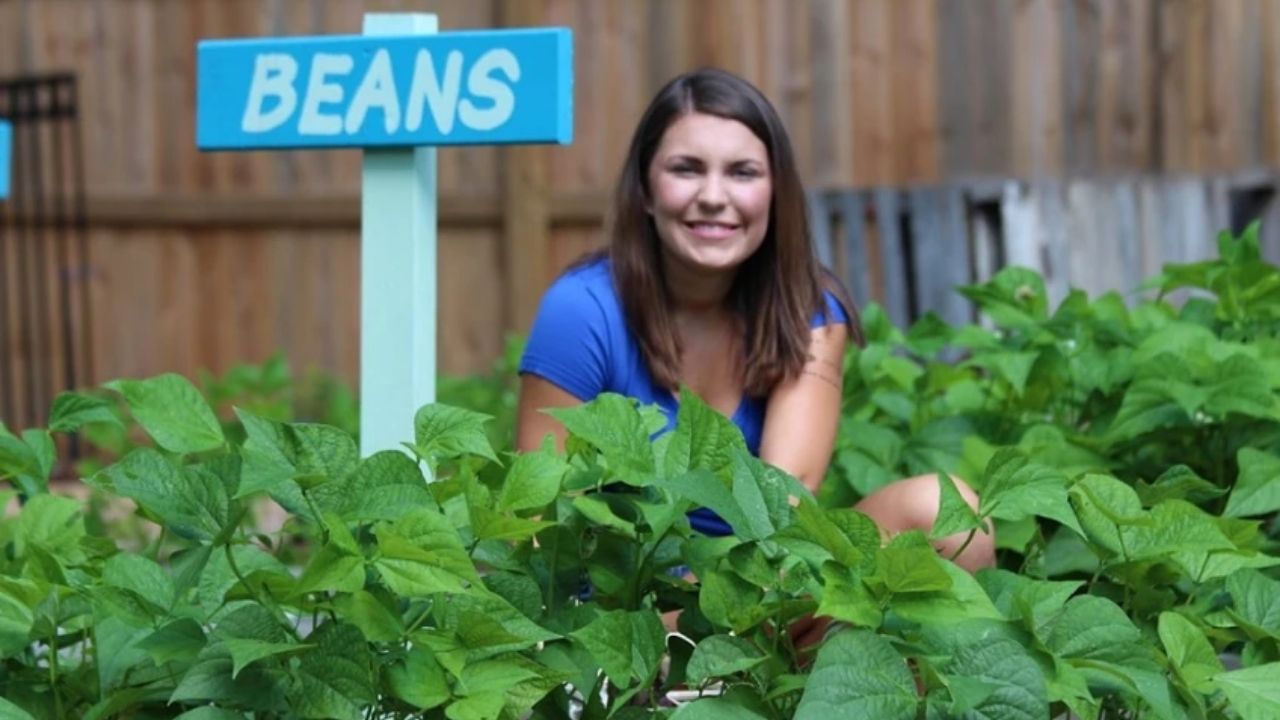
The journey that began with the giant cabbage brought recognition to Katie. At 17, she was named the youngest person among the “30 Under 30” at the University of California, a list focused on young leaders connected to the food system.
The source also reports that Katie received the Clinton Global Citizen Award and began traveling to speak about her experience. Even with the awards, the core of the story remained tied to the same origin: a child, an unusual vegetable, a donation, and a question about how to help more people.
What This Story Leaves for Those Who Cultivate and Those Who Comment
The story of the giant cabbage shows how a small experience can gain scale when it finds support, continuity, and organization. The case of Katie Stagliano does not eliminate the complexity of hunger in the United States, but it highlights how community gardens can bring young people closer to the topic of food and social responsibility.
Do you think that youth-led community garden initiatives can change people’s relationship with hunger and fresh food? Or does this type of project only work when there is a strong support network behind it? Leave your opinion in the comments and join the conversation.