Portuguese
  Spanish


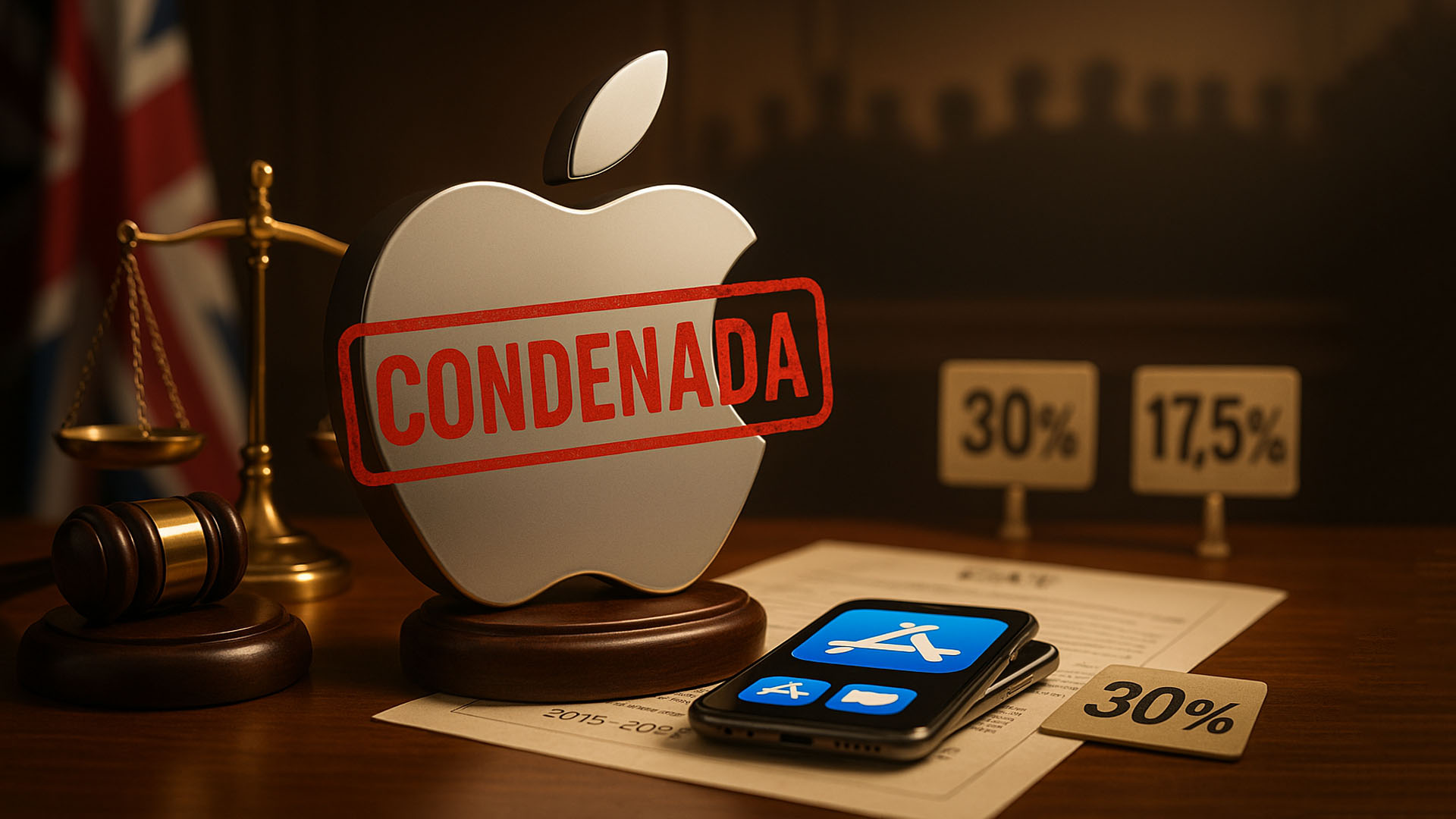

Court Rules That Apple Abused Its Dominant Position in the App Store by Charging a Standard 30% Commission Above a Fair Level of 17.5%, With Half of the Markup Passed on to Users.
On October 23, 2025, the Competition Appeal Tribunal (CAT) ruled that Apple abused its dominant position by maintaining the standard 30% commission in the App Store, raising prices for users in the UK. The ruling covers purchases made between 10/01/2015 and 11/15/2024.
The tribunal recognized that approximately 36 million consumers fall within the scope of the class action led by researcher Rachael Kent. The initial estimate of aggregate damages is up to €1.5 billion.
At the heart of the case, the judges indicated that a “non-abusive” commission is around 17.5%, and that the markup corresponds to the difference from the 30% charged.
-
How to Prevent Brown Recluse Spider Bites: Common Hiding Spots and Free Tips to Reduce Risks

-
Natto: The Unusual Japanese Superfood Gaining Popularity on Social Media and Driving Record Exports
-
Brazilian Mayor Goes Undercover as Homeless for 24 Hours to Assess Public Services

-
15-Year-Old Entrepreneur Malu Lira Publishes 20 Children’s Books on Financial Education, Earns $500,000, and Expands Her Project to the Amazon Rainforest




According to the ruling, part of this cost was passed on to users; to anchor the calculations, analyses cited in the case indicate an incidence of around 50% of the markup on the final consumer.
Apple stated that it will appeal, calling the court’s view “misguided” regarding app economics; the court scheduled a hearing “shortly after November 3, 2025” to address the appeal, costs, and compensation formula.
What Was Decided: Abuse, “Fair” Fee, and Price Impact
The CAT concluded that Apple excluded competition in two markets: iOS app distribution and in-app payments. The committee rejected the company’s technical justifications and deemed the 30% fee “excessive and unfair”.
The judges adopted 17.5% as a competitive benchmark, calculating the overcharge based on the difference up to 30%. This metric applies to paid apps, subscriptions, and in-app purchases during the period of the case.
The ruling also discusses cost pass-throughs by developers. Based on evidence from the case and decisions like the European Commission’s ruling in the Spotify case, the tribunal accepted high pass-through rates in the sector.
As a result, the individual amount may vary according to the final calculation methodology and interest, with publicly cited numbers ranging from £27 to £75 per person in indicative scenarios. The final amount will be determined in the hearing.
Who Can Receive: Eligibility and Covered Period
Consumers who spent in the UK App Store between 10/01/2015 and 11/15/2024, whether with paid apps, subscriptions, or in-app items, are eligible. The case is opt-out, meaning it automatically includes those who qualify.
The number of affected individuals was estimated at 36 million, including individuals and businesses, making this ruling the first substantive victory of a class action against Big Tech in the country.
The aggregate compensation has been initially set at up to £1.5 billion, subject to the final calculation method, simple interest of 8%, and distribution parameters approved by the court.
What Apple Says: Appeal and Defense of the App Store Model
Apple strongly disagrees with the verdict and will appeal, arguing that the App Store provides security, scale, and 85% of apps are free without paying a commission; it maintains that the market is competitive and there are alternatives for users and developers.
The company cites 15% programs for small developers and contests that the court underestimated the benefits of a centralized system. The appeal will be discussed in the procedural hearing after November 3, 2025.
Meanwhile, European regulators and the DOJ are keeping pressure on steering rules and commissions; the UK case signals precedents for other jurisdictions to assess app stores.
And in Brazil: Why the Case Matters to Users and Devs
For the Brazilian public, the ruling strengthens discussions about fee transparency, competition among stores, and payment methods in apps. International experiences may inspire local regulatory adjustments.
Users in Brazil can monitor refund policies, cancellation, and charge disputes, as well as purchase alternatives outside the stores when permitted by national rules. Global changes may reduce prices in the medium term.
Developers operating both here and abroad should watch for commission models, anti-steering rules, and security requirements. The precedent effect from the UK is likely to accelerate contractual adaptations and new distribution routes.
Calculation, Appeal, and Possible Settlements
The CAT scheduled deliberation after November 3, 2025 for damage metrics, costs, and appeal requests. Depending on the outcome, payments may begin after any appeals or settlement between the parties.
In the meantime, UK users should await official instructions on eligibility and distribution. For the market, the case pressures revisions of commissions and opening to competitors on iOS.
Do you think it’s “fair” to pay up to 30% commission embedded in the app price? Comment if the rate should drop to 17.5% or if Apple is right in defending the closed model. Leave your comment and let us know how this impacts your wallet and the market in Brazil.