






 Portuguese
  Spanish
  4 min of reading
  0 comments


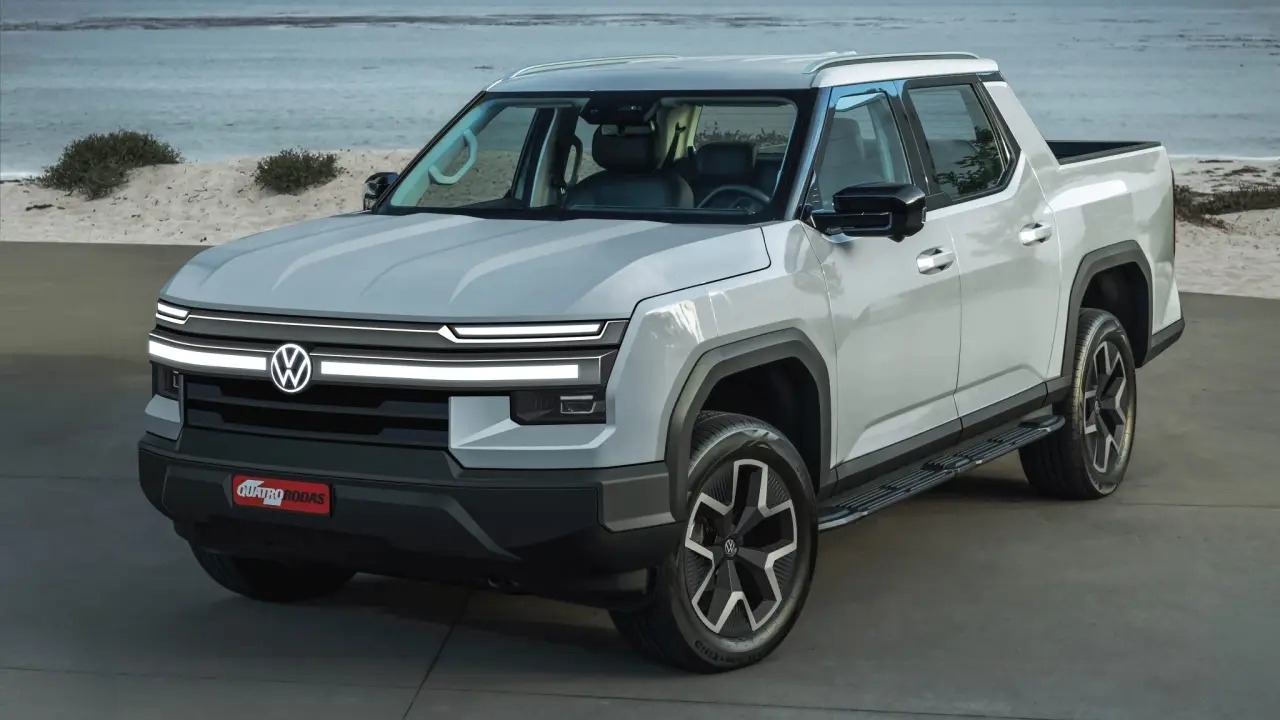
Project Atacama should originate from the new Amarok, share parts with the pickup, and occupy the idle capacity of the Pacheco factory. If it receives the green light, the SUV may only arrive after the second half of 2027.
Volkswagen is preparing an SUV derived from the new Amarok to compete with Toyota SW4, GWM Haval H9, and Chevrolet Trailblazer. The model is internally referred to as Project Atacama and is expected to be produced at the General Pacheco plant in Argentina, using the same base as the pickup and some parts already planned for the new generation.
The brand’s bet has both industrial and commercial weight. On one hand, the vehicle helps fill the idle capacity of the Argentine plant. On the other, it targets a small but very profitable segment, where the competition for margin usually matters more than sales volume.
According to quatrorodas.abril.com.br, the information was revealed by Argentine journalist Horacio Alonso and shows that the development of the new utility vehicle has already entered the manufacturer’s planning discussions. The idea is to leverage the same project as the next Amarok to shorten the path and reduce costs.
-
The Ford Ranger plug-in hybrid, the same rugged pickup that handles 800 mm of water, becomes a plug-in pickup with a flex-fuel ethanol engine and is chosen as the International Pickup of 2026.

-
New 0km electric car costs less than R$ 50,000 with an 18 hp engine, carries up to 6 people, travels over 100 km per charge, recharges in a regular outlet, and surprises by dispensing with airbags and limiting speed to 50 km/h in Mexico.
-
Pressure from residents forces a U.S. energy utility to suspend negotiations with a data center that could require 500 megawatts by 2032 and demand new lines, reinforcements in the power grid, and large infrastructure investments.

-
New Honda HooRide 125 scooter debuts in China with ADV styling, 17-inch wheels, TFT panel, Smart Key, and fuel consumption of up to 47.17 km/l, aiming to resemble an urban X-ADV with a 125 engine, CVT transmission, and an economical proposal for cities.


Project Atacama is born as an extension of the new Amarok

The SUV is not expected to be a completely new product. The logic is to take advantage of the architecture of the next generation of the Amarok and share the platform, suspension, part of the bodywork, internal components, and engine options.
This strategy reduces the need for heavy investment from scratch and increases the chances of making the car viable. Instead of creating an independent vehicle, Volkswagen wants to transform the pickup into a family of products capable of yielding more for the South American operation.
The new SUV emerges as an offshoot of the so-called Project Patagonia, which consumed US$ 580 million, about R$ 2.9 billion in direct conversion, to update the mid-size pickup sold in Brazil and other markets in the region.
Pacheco Factory may gain new momentum with the SUV
The General Pacheco plant underwent recent adjustments and had periods of employee suspension, in addition to operating in only one shift after the end of Taos production last year.
This is precisely where the new SUV comes in as an important piece. A utility vehicle based on a ladder frame chassis can occupy the line and provide more stability to the factory, which today operates below the capacity it had at other times.
In practice, the project helps fill an industrial gap and can prevent the unit from continuing with high idleness while the new Amarok is still organizing to enter production.

Competition with SW4, Haval H9, and Trailblazer targets a lucrative niche
The market for SUVs derived from pickups is small but highly valued. It is a type of car that usually has a higher price, good margin per unit, and a loyal audience, especially in Latin American countries.
Today, the Toyota SW4 dominates this space, with GWM Haval H9 and Chevrolet Trailblazer following closely. The Mitsubishi Pajero Sport was discontinued at the beginning of the year, reducing a traditional alternative for those looking for a large SUV with a robust feel.
For Volkswagen, entering this competition with a model linked to the Amarok is a way to use an already known base and try to advance in a market segment where the image of strength and profitability weigh heavily.
Launch is only expected after the second half of 2027
Despite the existence of the Atacama Project, Volkswagen has not yet started quoting components with regional suppliers. This signal indicates that the company is first waiting for the commercial response of the restyled Amarok before making a final decision on the SUV variant.
If the green light comes, the car is not expected to appear in dealerships anytime soon. The forecast is that the arrival will occur in a second stage, with a launch projected for after the second half of 2027.
The plan also considers export to Brazil, which helps justify the production volume needed to make ends meet in Pacheco. For now, the project exists as a promising bet but still depends on the performance of the new Amarok and the brand’s final decision.
If this strategy advances, Volkswagen could transform the next Amarok into much more than a pickup. Follow the next updates and tell us in the comments what you think of this competition with SW4 and Haval H9.





Be the first to react!