






 Portuguese
  Spanish
  7 min of reading
  0 comments


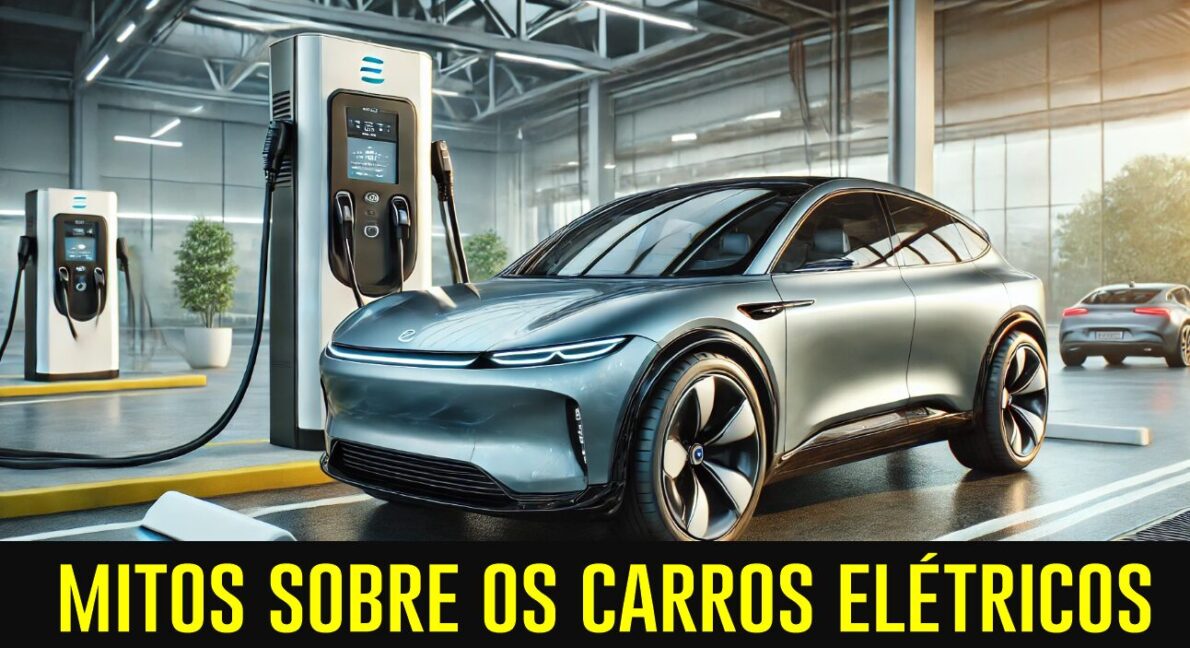
Cars Powered By Energy Are Surrounded By Myths About Their Environmental Benefits, Safety And Longevity. Here, We Demystify 8 Of These Concerns And Show Why Electric Vehicles Are More Reliable Than Many Believe.
Like it or not, electric cars are quickly becoming the future of automotive transportation. While some people still hesitate to adopt the idea of vehicles powered by electricity, the world’s largest automakers have already committed to increasingly invest in the manufacture of EVs. Therefore, it is important to highlight some myths about electric vehicles.
Many companies are even planning to completely abandon gasoline internal combustion engines in the near future. However, despite the growing popularity of electric cars, there is still a significant amount of skepticism surrounding them.
These myths about electric cars, often based on outdated or simply erroneous information, continue to influence public opinion and hinder the transition to a greener and more sustainable future.
-
Unprecedented achievement in India: a colossal 650-ton, nearly 3,000 hp excavator is transformed into 100% electric, marking a new phase in heavy mining.

-
Frightened by the speed of Chinese manufacturers, Renault decided to mimic the pace, made the new electric Twingo in just 21 months, wants to repeat the feat with 36 models by 2030, and along the way, will cut up to 2,400 engineering positions.

-
Chinese battery from Dongfeng promises to exceed 1,000 km without relying on liquid electrolyte, and the detail behind the technology could change the electric car competition.

-
The end of the automotive combustion era has already begun, but many in Brazil have not yet realized the magnitude of the shift towards Chinese electric cars.

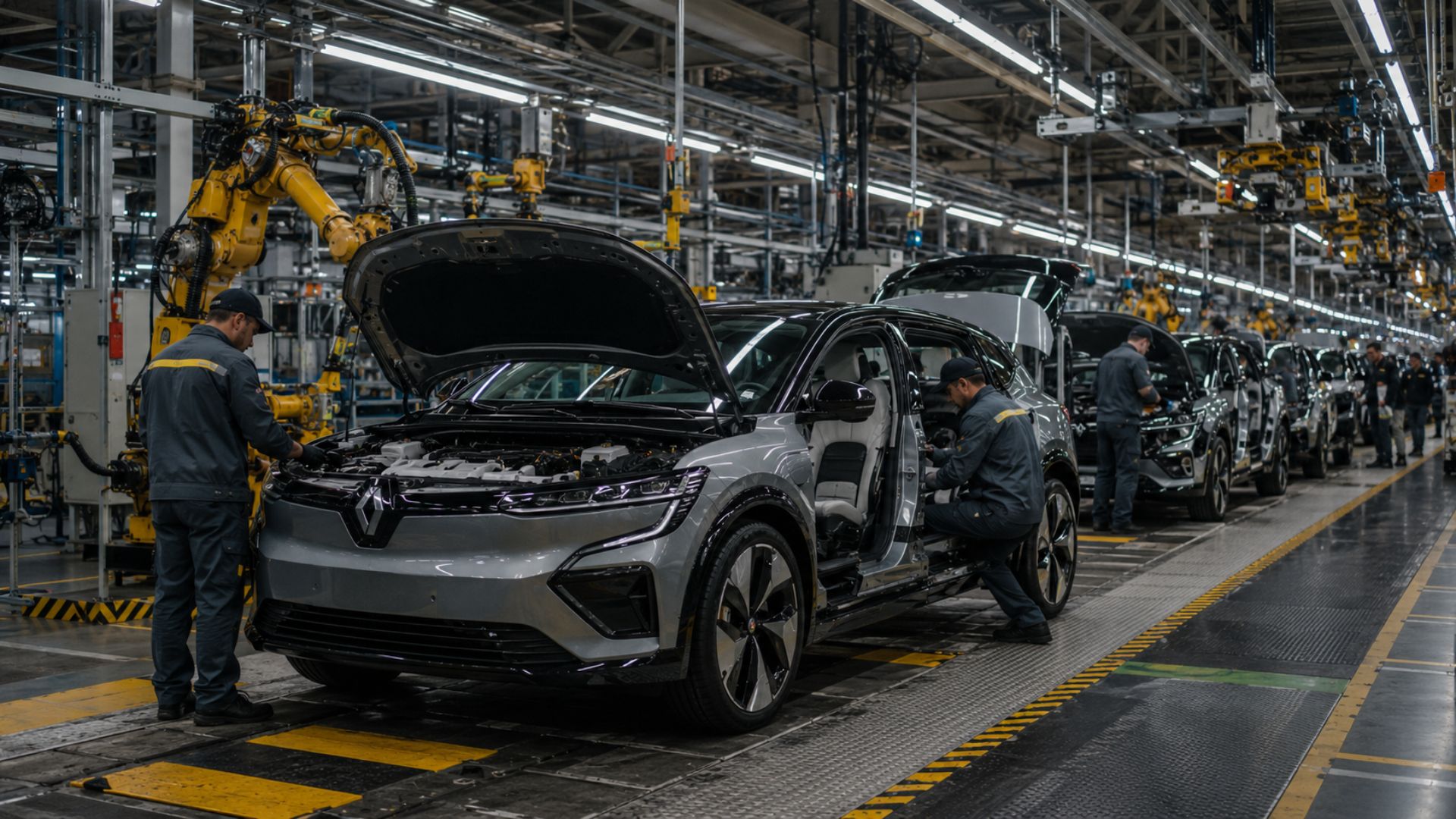
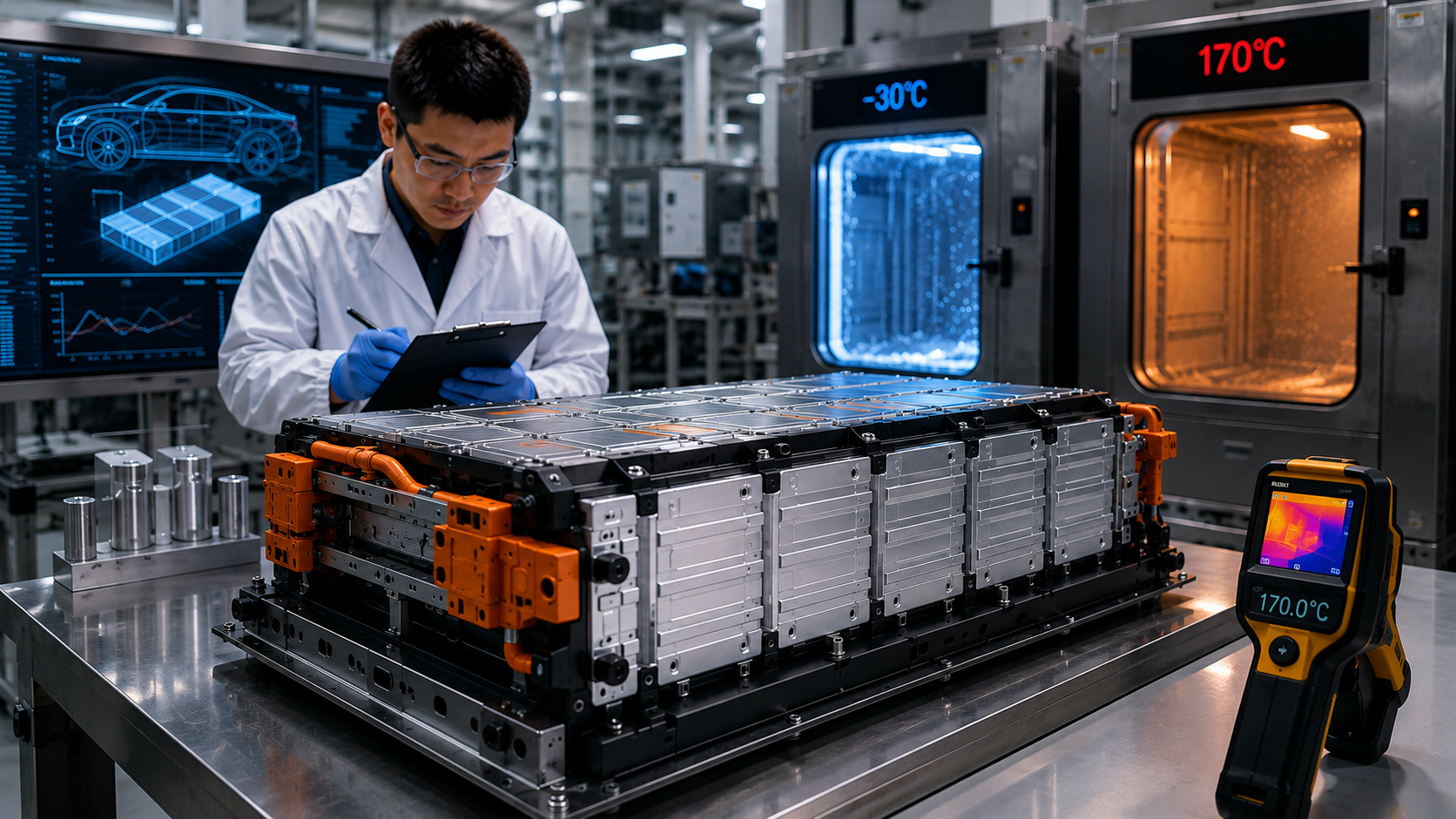
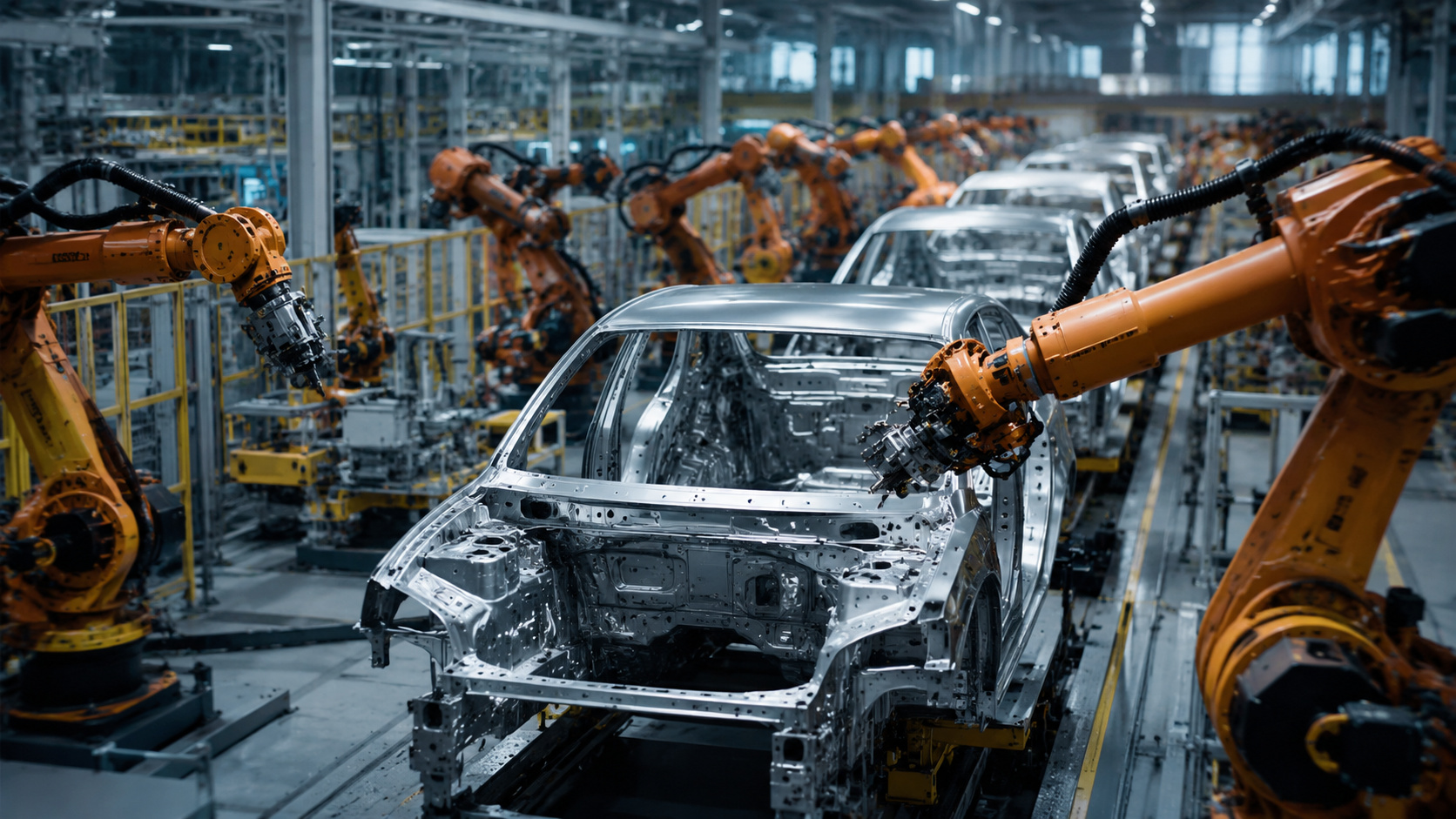
To help dispel these fallacies and clarify the facts, let’s debunk the eight most common myths about electric vehicles and explain why they are mistaken.
Myth 1: EVs Have A Larger Carbon Footprint
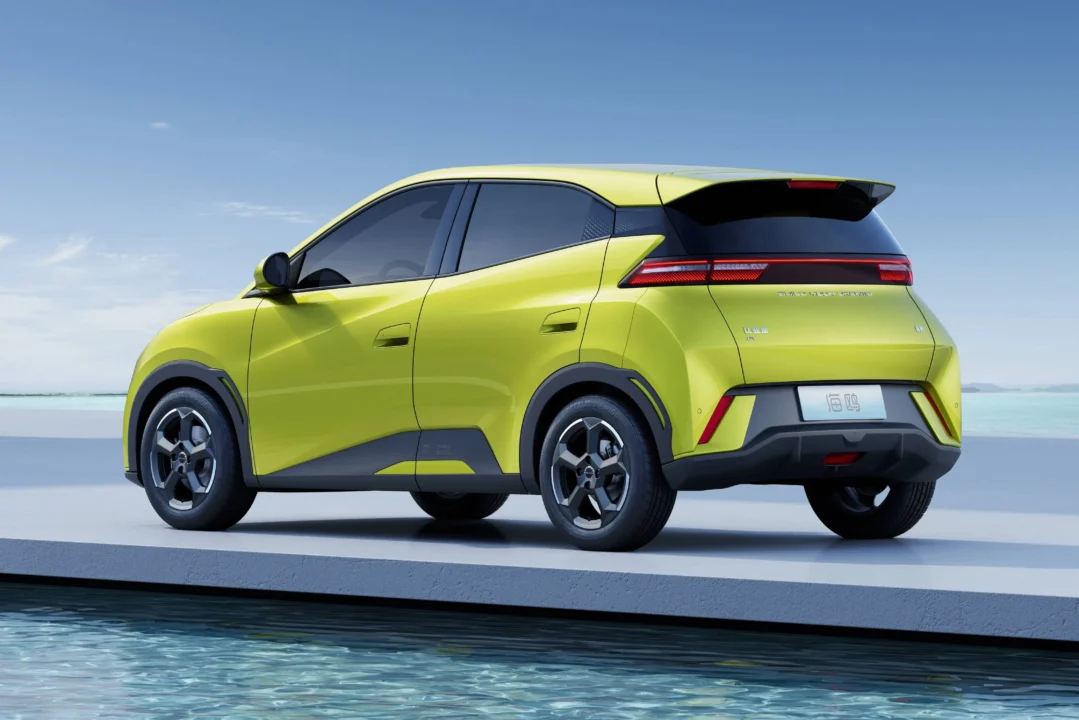
One of the most recurring and harmful myths regarding electric vehicles is that, due to the manufacturing process and the extraction of minerals for the batteries, they would have a higher carbon footprint than gasoline-powered vehicles.
It is true that manufacturing an electric vehicle requires more natural resources, especially metals like lithium, cobalt, and nickel, necessary for the production of their batteries. However, this superficial analysis ignores the bigger picture.
Detailed studies show that when we consider the entire life cycle of a vehicle — from manufacturing to daily use and final disposal — EVs are significantly cleaner than their fossil fuel counterparts. This is because electric cars do not emit greenhouse gases during driving, while gasoline vehicles release large amounts of carbon dioxide (CO2) and other pollutants for every mile driven.
In fact, according to a study published by The Washington Post, even considering emissions during the battery production, electric vehicles still generate less than one third of total carbon emissions compared to gasoline cars.
Over the lifespan of an electric vehicle, the reduction in CO2 emissions can be so significant that it easily offsets the higher emissions during the manufacturing process.
Myth 2: The Batteries Of EVs Don’t Last Long And Need To Be Replaced Frequently
Another common concern among skeptics of electric vehicles is that the batteries of these cars don’t last long and need to be replaced frequently, which would increase long-term maintenance costs. However, this idea is far from reality.
All major automakers that manufacture EVs offer substantial warranties for the batteries in their vehicles, often covering a period of eight years or 100,000 miles (about 160,000 kilometers). This demonstrates the companies’ confidence in the durability of their batteries.
Moreover, recent studies suggest that electric vehicle batteries may last even longer. The U.S. Department of Energy estimates that, in practice, the average lifespan of an EV battery can range from 12 to 15 years, depending on usage conditions and proper maintenance.
In some cases, the batteries can even last longer than the car itself, especially considering that the average lifespan of a vehicle in the United States is about 12.6 years.
Cutting-edge technology companies, such as the Chinese CATL (Contemporary Amperex Technology Co. Ltd.), are already developing batteries that can last up to 15 years and run nearly 1 million miles (about 1.6 million kilometers). These technological advancements indicate that the durability of electric vehicle batteries is not a cause for concern.
Myth 3: Batteries Of EVs End Up In Landfills, Causing Environmental Problems
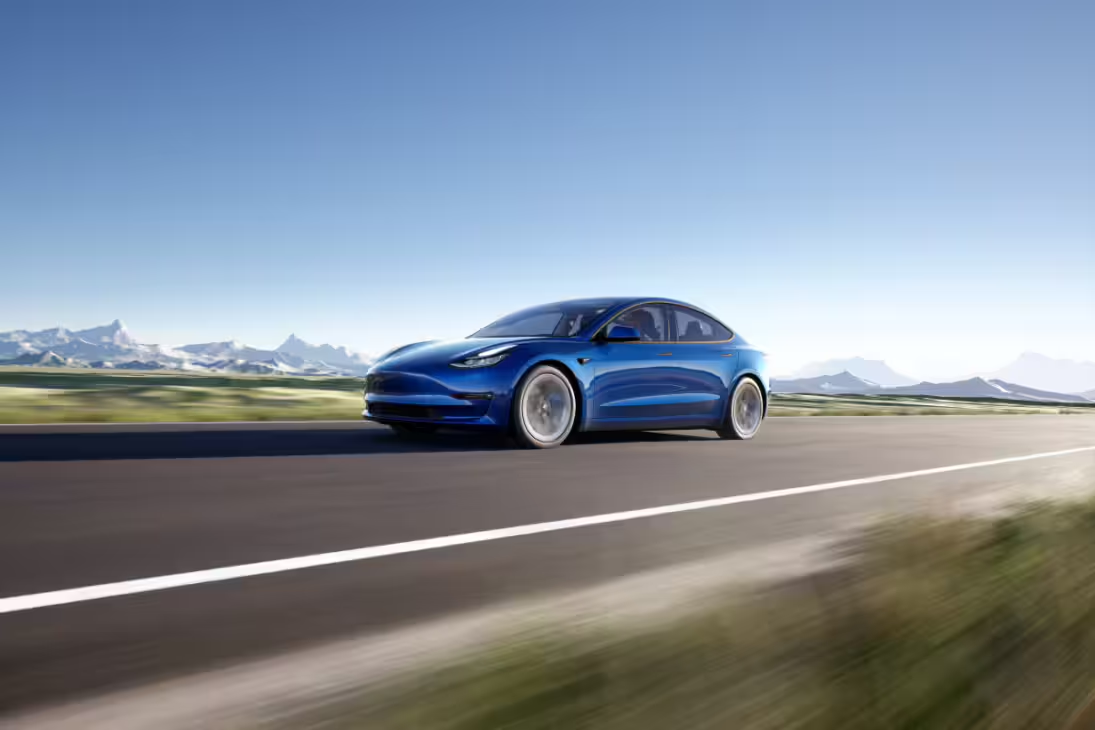
One of the most persistent fears regarding EVs is that their batteries, after reaching the end of their lifespan, end up in landfills, polluting the environment and creating new environmental problems. Although this concern is understandable, it does not reflect reality.
In fact, electric vehicle batteries rarely end up in landfills, as they are highly recyclable and valuable.
EV batteries contain precious metals, such as lithium and nickel, which can be extracted and reused in new products. Companies specializing in battery recycling, such as Redwood Materials, are leading the way to ensure that these batteries are effectively dismantled and recycled.
Redwood Materials, founded by a former Tesla executive, recycles the equivalent of 25,000 electric vehicle batteries per year, repurposing precious metals for use in new batteries.
Additionally, many electric vehicle batteries, even after losing some of their storage capacity, can be repurposed for other applications.
For example, they can be used as energy storage systems for homes equipped with solar panels, extending their utility and preventing them from being prematurely discarded.
Myth 4: Electric Cars Will Overload The Electric Grid And Cause Wide-Scale Blackouts
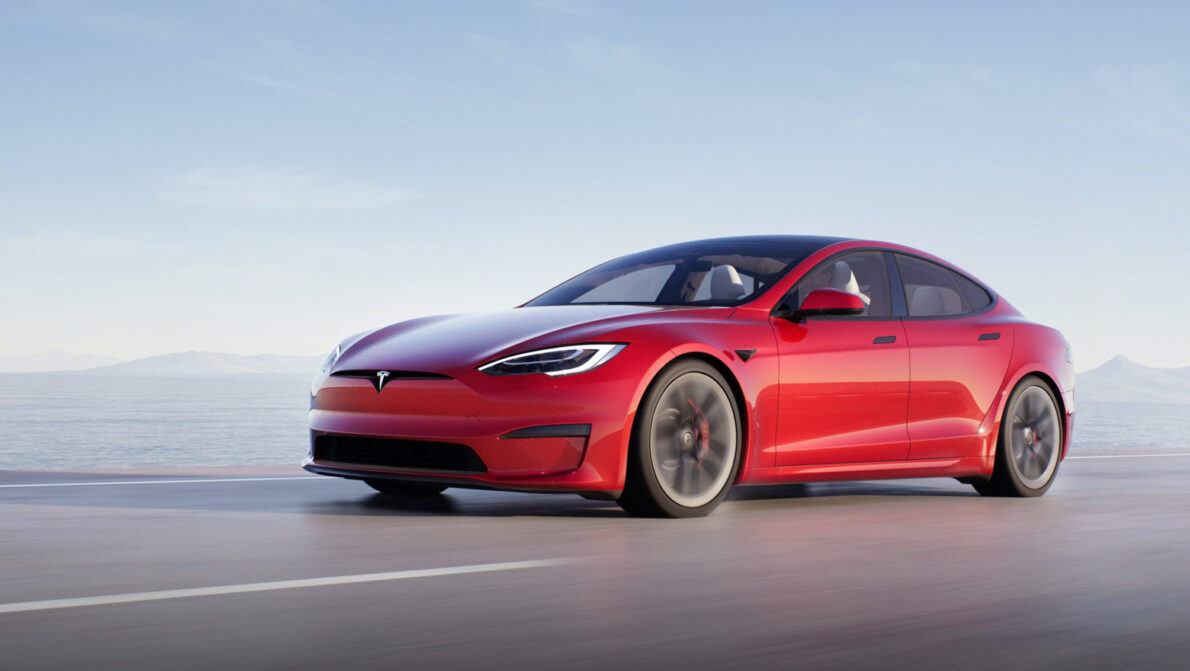
With the rise in popularity of electric vehicles, many fear that the increase in electricity demand will overload the electric grid and cause wide-scale blackouts.
However, detailed studies show that the electric grid is prepared to handle the increased demand, especially as new sources of renewable energy, such as wind and solar, are incorporated into the energy mix.
According to a study by Consumer Reports, even if all new vehicles sold from 2035 are electric, it will take until 2050 for all cars on the road to be fully electric.
During this time, electricity demand may increase by about 26%, which would require electricity generation to grow at an average rate of only 1% per year. This growth rate is considered manageable within the current capacity of the United States electric infrastructure.
Additionally, many governments and utility companies are taking steps to encourage drivers to charge their vehicles during low-demand periods, such as at night, when the electric grid is not widely utilized. This helps prevent overloads and ensures that the electricity supply remains stable.
Myth 5: Electric Vehicles Are More Prone To Catch Fire
Fires in electric vehicles often make sensational headlines in the media, but it is important to understand that the fire risk in an EV is not greater than in a gasoline car — in fact, it’s even lower.
According to the National Transportation Safety Board, the fire rate in electric vehicles is significantly lower than in gasoline vehicles. For every 100,000 electric vehicles sold, there are only 25 cases of fire, while gasoline cars have a rate of 1,530 fires per 100,000 vehicles.
Although lithium-ion batteries can catch fire under extreme circumstances, the likelihood of this happening is quite low.
Furthermore, fires in EV batteries are handled with specialized techniques by firefighters and rescue teams, and manufacturers are continuously improving the safety systems of their batteries to mitigate these risks.
Myth 6: Electric Cars Do Not Have Enough Range For Long Trips
The “range anxiety” — the fear that the vehicle will run out of battery before finding a charging point — is one of the biggest obstacles to EV adoption. However, this concern is being quickly overcome with advancements in battery technology.
Currently, many electric vehicles on the market are capable of driving more than 300 miles (about 480 kilometers) on a single charge, which is more than sufficient to cover the average daily driving for most drivers.
Moreover, the public charging network is rapidly growing, especially with the support of government programs, such as the National Electric Vehicle Infrastructure (NEVI) in the United States. The plan is to expand charging infrastructure nationwide, making it even easier to use EVs on long trips.
Myth 7: Electric Vehicles Are Too Expensive For Most People
While electric vehicles still have a higher upfront purchase price than gasoline cars, the cost is steadily decreasing as mass production and competition increase.
Additionally, consumers should consider the total cost of ownership of an EV, which can be significantly lower than that of a combustion vehicle.
EV owners spend less on maintenance, as these vehicles do not have complex engines, exhaust systems, or regular oil changes. Additionally, the costs of “refueling” with electricity are much lower than with gasoline, resulting in significant savings over the vehicle’s lifespan. Government incentives, such as tax credits and grants, also help reduce the purchase price of EVs.
Myth 8: Electric Cars Are Too Heavy For The Roads
Due to the weight of the batteries, EVs tend to be heavier than their gasoline counterparts. However, the idea that these vehicles will damage the roads and bridges is exaggerated.
Highways and bridges are designed to support much heavier loads, such as those from freight trucks, which can weigh up to 80,000 pounds. In comparison, electric vehicles are relatively light.
While the additional weight of EVs may, in theory, reduce the lifespan of certain roads by a year or two, this impact is considered minimal and manageable within current infrastructure maintenance standards.
The myths about electric vehicles are based on misinformation and resistance to change, but the reality is that EVs are becoming an essential part of the future of sustainable transportation. They are cleaner, more efficient, and cost-effective than many believe, and as technology continues to advance, their benefits only increase.
By debunking these myths, we hope more people will embrace the electric vehicle revolution, helping to create a greener future for all.







Be the first to react!