





 Portuguese
  English
  Spanish
  4 min of reading
  0 comments


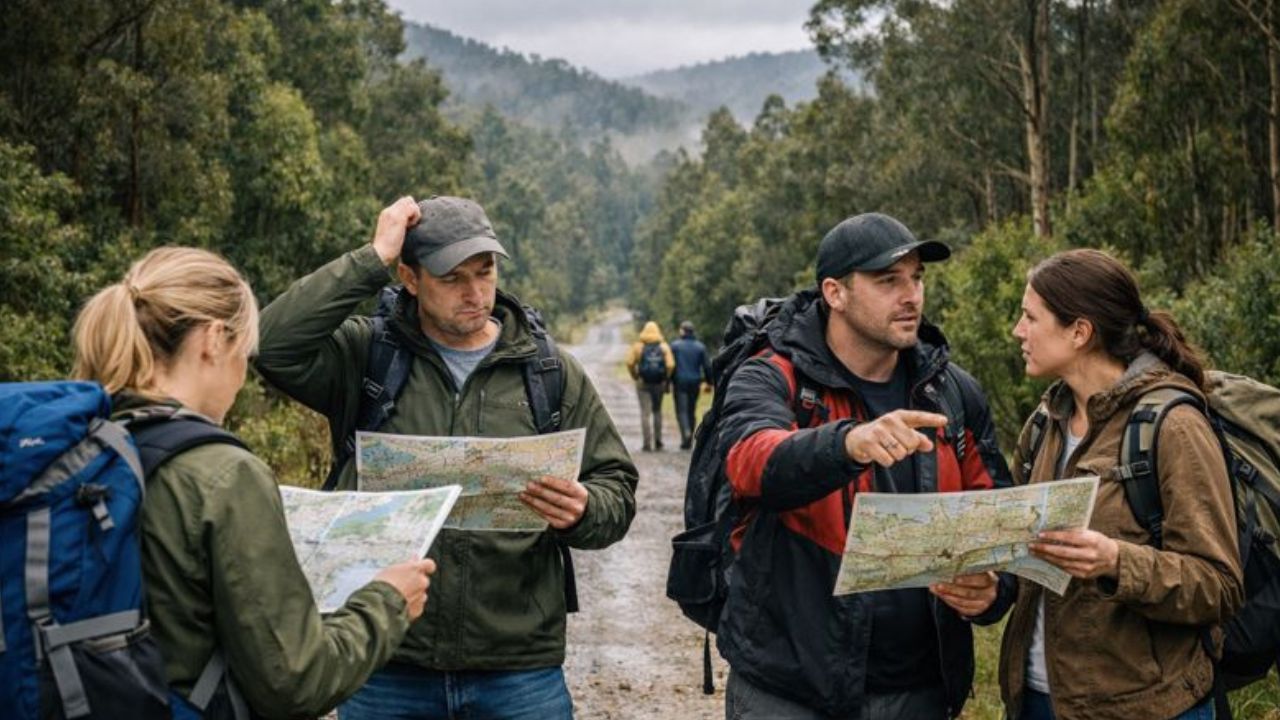
AI Created Nonexistent Hot Springs in Tasmania and Led Tourists Astray, Causing Confusion, Local Losses, and Global Alert.
AI entered the center of an international controversy after a blog created with artificial intelligence recommended hot springs that simply do not exist in northern Tasmania, leading tourists to a small rural town in search of a fictional destination.
The episode occurred in 2025, involved an Australian tourism company, and practically exposed the risks of blindly trusting automated content for travel planning.
The case happened in Weldborough, a remote area near Launceston, and gained attention by showing how AI errors can have real impacts on residents and visitors.
-
Brazil could fall in the quarter-finals of the 2026 World Cup after AI conducts 10,000 simulations: Claude predicts France as the champion, ranks the national team only sixth among favorites, and turns the path to the sixth title into a warning for the fans.

-
Has the war with artificial intelligence already begun? The US Army tests armed robots in the Moroccan desert, uses drones with explosives, and showcases a system capable of reducing military decisions from hours to just 3 minutes.

-
New Fiat EV, priced at R$ 77,000, will bring a reinterpretation of the 147 and a consumption equivalent to 70 km/l.

-
Without immigrants, there is no AI boom? Study reveals that 75% of AI startups in the US were founded by foreigners.




Read more: Fig is Not a Fruit nor a Carnivorous Plant: Understand How the Inverted Flower Digests Wasps
Read more: NASA Warns: Asteroid 2024 YR4 May Hit the Moon in 2032
AI Creates Nonexistent Tourist Destination and Surprises Locals
The problem began when a blog published on the website of the company Tasmania Tours described the so-called “Weldborough Hot Springs” as a tranquil refuge in the midst of northeastern Tasmania’s forests.
The text, generated by artificial intelligence, presented the location as a favorite spot for hikers and nature lovers. However, the supposed hot springs never existed.
Screenshots of the content, later removed, were shared with CNN, revealing how AI constructed a convincing but entirely false narrative.
As a result, tourists began including the destination in their itineraries, believing the information presented as if it were real.
Read more: From Fired to Billionaire: The Boom of the Creator Economy with AI
Tourists Arrive en Masse at Weldborough in Search of the Hot Springs
Weldborough is a small rural town located about 110 kilometers from Launceston. The local tranquility began to be disrupted when visitors started calling and showing up in person asking for the hot springs.
Kristy Probert, owner of the local hotel, told CNN that she was surprised by the sudden increase in contacts. According to her, initially there were only a few phone calls, but then tourists started arriving in large numbers.
On average, five calls per day and up to three people would show up at the hotel looking for the nonexistent hot springs.
With good humor, Probert began joking about the situation. “If you can find those hot springs, the beers are on me,” she told frustrated visitors.
Local Reality Contrasts with AI Error
In practice, what exists in Weldborough is the local river, known for its cold waters. According to Probert, the location is usually frequented only by prospectors searching for sapphire and tin, always wearing diving gear. Hot springs definitely do not belong to the landscape.
At most, there is a sauna in a nearby town. Even so, AI was able to create a detailed and attractive description, sufficient to convince tourists that the destination was worth a visit.
Company Admits Failure and Says It Damaged Reputation
Scott Hennessey, owner of Australian Tours and Cruises, the company that operates Tasmania Tours, acknowledged the mistake in an interview with the Australian Broadcasting Corporation.
He stated that the marketing material had been outsourced and published while he was out of the country.
“Our AI completely messed up,” he stated. He highlighted that the company is trying to compete with large operators and, therefore, seeks to keep content always fresh and updated.
Still, the impact was severe. In a statement to CNN, the company said that online hate and damage to its commercial reputation were “absolutely devastating.”
Experts Warn About AI “Hallucinations” in Tourism
For experts, the case in Tasmania is not isolated. Anne Hardy, an adjunct professor of tourism at Southern Cross University, explained that artificial intelligence has already become ubiquitous in the travel sector. According to her, about 37% of tourists use AI for advice or itineraries.
However, Hardy warns about the so-called “hallucinations” of AI, when systems generate incorrect information that appears to be true. Empirical research indicates that up to 90% of itineraries created by artificial intelligence contain some type of error.
In Tasmania, this can be especially dangerous. Remote trails, lack of cell signal, and extreme weather conditions make any inaccurate information a real risk to tourist safety.
Why the Tasmania Case Reinforces the Search for Human Content
The episode of the false hot springs occurs at a time of increasing global distrust in excessive AI-generated content.
The phenomenon, dubbed “slop,” a term chosen as the word of the year 2025 by Merriam-Webster, describes the inundation of artificial, generic, and unreliable content on the internet.
In response, companies and media outlets are starting to bet on “100% human” marketing. iHeartMedia, for example, launched the slogan “guaranteed human,” promising not to use AI-generated voices or music. According to the company, 90% of its listeners prefer content created by real people.
Trust, AI, and the Future of Tourism
The case of AI in Tasmania shows that, while technology can be useful, it still requires human verification. Experts recommend that tourists combine artificial intelligence tools with traditional research, reliable guides, and local information.
As Kristy Probert summarized, despite the error, Weldborough remains a welcoming place. “There is a lot to do here,” she said. “Just no hot springs.”





Be the first to react!