Portuguese
  Spanish


In the Caribbean Sea, a drill has begun to bore what could become the deepest oil well ever attempted in water, descending nearly four kilometers of ocean before the drill even touches the bottom and breaks a world record previously held by Angola.
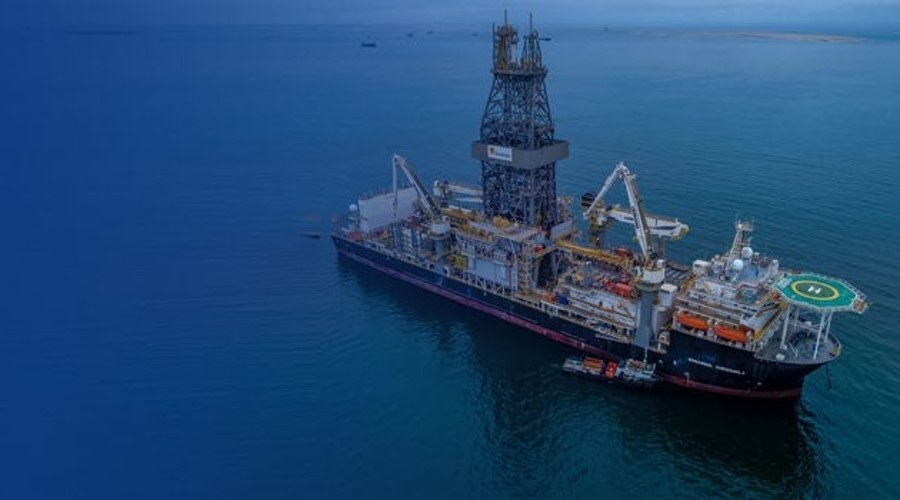
There is an oil frontier that almost no one sees because it is hidden under a mountain of water. It is precisely in this frontier that the Komodo 1 well comes into play, drilled in the Colombia basin, pointed out as the deepest water drilling ever attempted in the world. It involves about 3,920 meters of sea column between the drillship and the ocean bed before the drill even starts to bore the rock down below.
To get an idea of the magnitude of this feat, it’s as if the drill has to traverse four kilometers of still water without touching anything, and only then begin the real work. With this, Komodo 1 surpasses the mark that belonged to the Ondjaba 1 well, drilled off the coast of Angola, and pushes the engineering of ultra-deep waters to the limit of what humanity can achieve.
The challenge of drilling under four kilometers of water
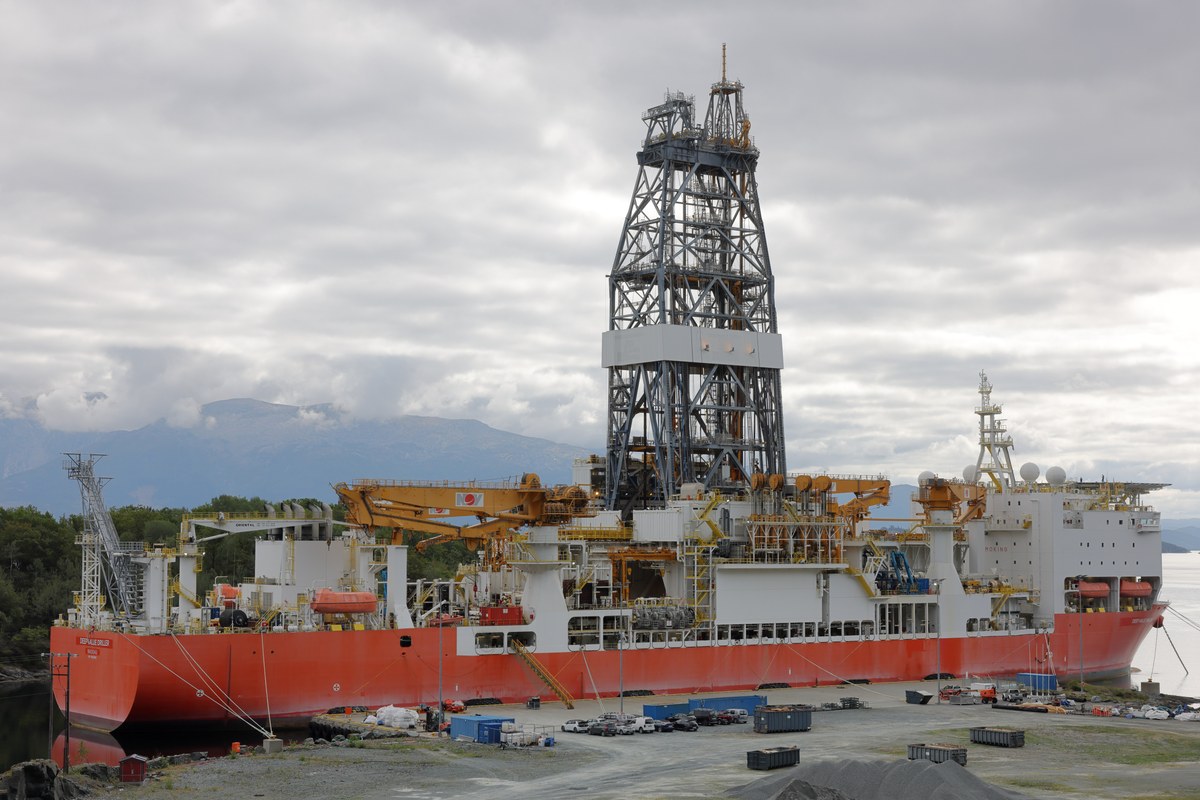
Drilling a well in ultra-deep waters is one of the most difficult tasks of modern engineering. The drillship needs to remain practically stationary on the surface, even with waves and currents pushing the hull, while lowering a column of pipes that traverses kilometers of water to reach the bottom. Any mistake in this dance can cost a fortune and months of work.
-
Brazilian Civil Servant Earns $2,800 Monthly but Seeks Legal Help as Bank Loans Consume Nearly 80% of Income

-
Brazilian Pet Industry Giant with $6 Billion Valuation Targets 24 Million Customers, Launches Franchise Model with Six Revenue Streams and $7.80 Subscription Plan for National Expansion

-
Daughter of a Mechanic, Roberta Pirolla Turns Passion for Cars into a Million-Dollar Vehicle Wrapping Business Set to Grow 75% in a Male-Dominated Industry

-
At 30, Thyago Plácido turned Innova into a solar energy operation serving central Brazil with over 300 projects completed.


I confess that the engineering behind this leaves me in awe. These ships are true floating factories, filled with engines, computers, and systems that correct the vessel’s position every second, using satellites and side thrusters to stay in place. It is this precision that allows a drill to descend to almost four thousand meters deep and still hit a target at the bottom of the Caribbean.
Why oil companies go deeper and deeper
It may seem crazy to spend so much money to drill in such a difficult place, but there is logic behind it. The easier oil reserves, on land or in shallow waters, have already been largely discovered and exploited. What remains of significance now is precisely in these extreme corners of the planet, where only those with cutting-edge technology can reach.
The deep seabed holds some of the largest energy treasures still intact. This is how neighboring Guyana became an oil powerhouse in a few years, and why countries and companies rush to map entire basins under the ocean. Each well like Komodo 1 is an expensive gamble, but it can reveal a deposit capable of changing the economy of an entire region.
It’s worth remembering that this type of drilling is not just about finding oil. Even when the well comes up dry, with nothing usable, it teaches a lot about the geology of that area, about how rock layers were formed, and about where it’s worth trying again. Exploration in ultra-deep waters is, at its core, a succession of bets where each attempt, whether hitting or missing, leaves a slightly more complete map of what lies beneath.
A record that is more than just a number
Breaking the water depth record carries weight beyond technical vanity. Each additional meter that a drill can reach opens a new slice of the planet for exploration. Areas that were once considered impossible, too deep for any equipment, suddenly enter the oil companies’ map as potential sources of wealth.
This is why a drilling like Komodo 1 attracts so much attention in the sector. It shows how far technology has come and pushes the frontier of what is possible a little further. If the well finds oil in good quantity, it could transform the Colombia basin into a new energy hub. If not, it will still have proven that it is possible to work at depths that seemed like science fiction just a few years ago.
This advancement is also of close interest to Brazil, which knows the deep water game well. It was by going deep, below the water layer and thick salt layers, that the country discovered the pre-salt and became an offshore oil giant. Each record like that of Komodo 1 shows that the frontier Brazil helped open continues to advance worldwide, and that neighbors like Colombia and Guyana want to replicate the same feat in their own seas, in search of the treasure hidden beneath the ocean.
The silent race for the ocean floor
I imagine the silence down there, almost four kilometers deep, where sunlight never reaches and the pressure would crush any person, while a drill driven from the surface tries to extract a secret kept for millions of years from the bottom. It is an effort that mixes courage, money, and a huge dose of engineering.
The Komodo 1 is another chapter in this silent race for what remains of oil on the planet, fought far from sight, at the bottom of the ocean. Whether successful or not, it has already entered history as one of the most extreme drillings ever attempted, and shows that when it comes to energy, humanity is willing to go deeper and deeper in search of the next great treasure hidden beneath the waters.
Is it worth going almost four kilometers deep into the ocean in search of oil, or is it too deep for our own good?