Portuguese
  Spanish


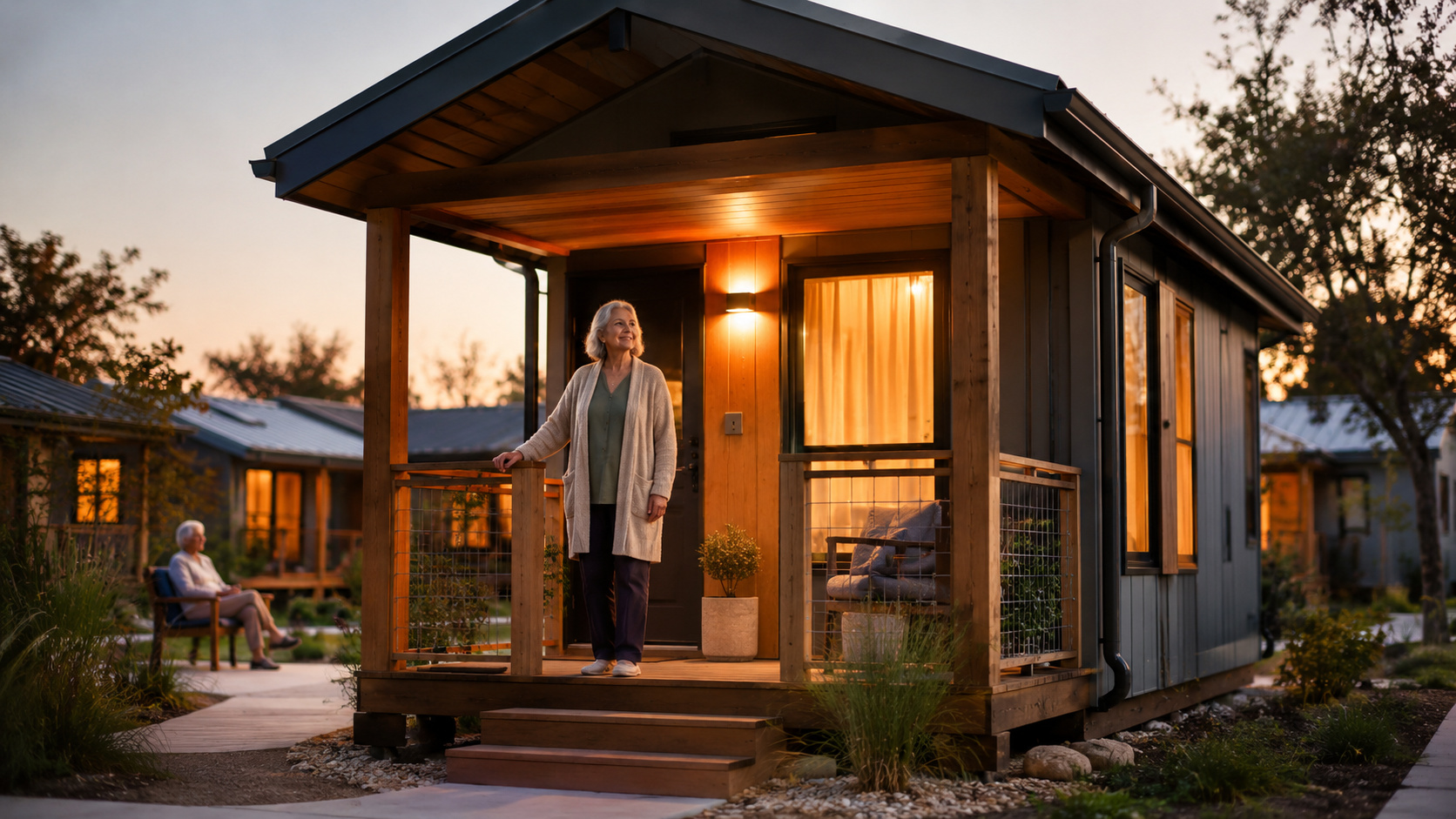

The small dwelling delivered to Towne Twin Village in San Antonio shows how trauma-sensitive design can transform a compact house into a space of safety, privacy, and a new beginning for people who have lived a long time without a stable home
It wasn’t just about decorating a small house; it was about designing a space for someone to trust a home again. In Texas, a village for people over 65, without a home, received a dwelling from IKEA designed to accommodate trauma, create privacy, and restore a sense of belonging.
The house was donated to Towne Twin Village in San Antonio, a community aimed at elderly people in chronic homelessness. The proposal uses trauma-sensitive design, a way of planning environments to reduce fear, anxiety, and a sense of threat.
The information was published by IKEA U.S., the U.S. division of IKEA. The small dwelling is about 34 square meters, built with sustainable materials, and aims to support emotional healing, well-being, and dignity for those who need to rebuild their routine.
-
Two Newborns Named Cecília Share Same Birth Minute at Brazilian Hospital, Creating Rare Coincidence

-
Brazilian Couple Turns Property into Culinary Hub, Investing $400,000 to Build a Business Earning $800,000 Annually
-
Couple Quits Jobs, Converts 1981 VW Van into Home, Travels 80,000 Kilometers Across the Americas, and Wins Surprise Tickets to See Messi Make History at the World Cup

-
Rio de Janeiro School’s Listening Program Reduces Dropout Rates and Boosts Literacy, Set to Expand to 350 Municipal Schools


Why older people without a home need housing that goes beyond walls and a roof
For an elderly person who has lived a long time without a home, entering a new space can bring relief, but also fear. The body gets used to being on alert. Sleep becomes light. Trust takes time to return.


Therefore, permanent supportive housing needs to do more than provide shelter. It needs to show, in every detail, that this place is safe, predictable, and made for the resident to have control over their own life.
At Towne Twin Village, the focus is on people over 65 who have experienced chronic homelessness. This makes the project more delicate, as the house needs to deal with difficult memories, loss of privacy, and years of insecurity.
Trauma-sensitive design comes into play here. It tries to avoid cold, confusing, or threatening environments, creating simple, welcoming, and easy-to-use spaces.
How privacy within a small house can reduce anxiety
In a small house, every detail gains importance. A curtain, a door, the position of the bed, or the choice of furniture can change how the resident feels.
Privacy helps reduce anxiety because it restores a basic feeling: the person can choose when to open up and when to retreat. For those who have lived in public spaces, collective shelters, or unstable situations, this carries enormous weight.
Having a personal corner means being able to store objects, take a bath, rest, and receive visitors without feeling observed all the time. It’s a simple way to regain dignity.
This choice also strengthens autonomy. When the resident feels in control of their own space, the house stops being just an address and starts functioning as a starting point.
What IKEA tested before delivering housing in the Texas village
IKEA U.S., the division of IKEA in the United States, detailed that the work went through a small housing model set up at the IKEA Live Oak store. Residents of Towne Twin Village, community members, and company collaborators participated in this process.
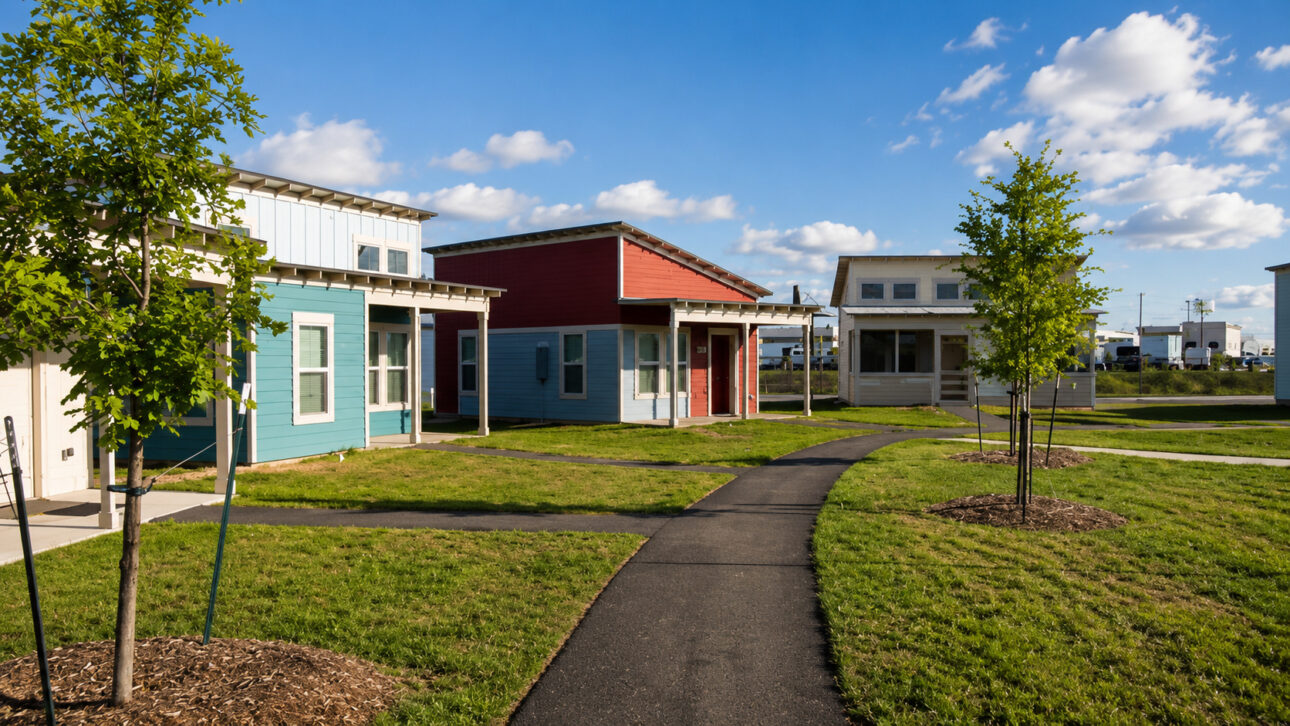
The feedback showed important preferences. The data indicated that residents preferred a shower with a bathtub instead of just a shower. There was also a desire to have space to receive guests.
These responses helped guide the use of flexible and multi-purpose furniture. In a compact dwelling, this type of furniture allows the same environment to serve for sleeping, conversing, eating, and resting.
The company also informed that the small dwelling was ready for occupancy and would soon have a resident moving in. Additionally, IKEA provided complete interiors and furniture for 3 existing units in Towne Twin Village, as well as furniture gifts for all residents.
Why a bathtub, a curtain, or flexible furniture can have emotional weight
A bathtub may seem like just a bathroom item. For someone who has spent years without a stable routine, it can represent care, comfort, and time for oneself.
A curtain can also seem simple. But it creates separation, protects intimacy, and allows control over light. For a person who has lost privacy for a long time, closing a curtain can mean regaining a part of their own life.
The same goes for flexible furniture. They prevent the small house from feeling too cramped and allow the resident to use the space in various ways, without feeling trapped in a limited place.
Sam Eisenman, sustainability professional at IKEA U.S., stated: “Our vision of creating a better everyday life for many people goes beyond home furnishings.” The phrase sums up the central point of the project: the home can also be a tool for care.
The small dwelling in San Antonio raises a bigger question about the future of cities
The experience of Towne Twin Village draws attention because it combines three strong themes: older people without homes, compact housing, and emotional recovery. It’s not just about building small. It’s about building better for those who most need security.
The project also shows that the housing debate needs to look inside the home. Size matters, but the feeling created by the space can be decisive for someone to feel protected.
IKEA has started investing in pilot projects of trauma-sensitive design in other U.S. cities, including Memphis, Tennessee, and Washington, D.C. The idea is to expand the use of this type of planning in spaces aimed at healing and dignity.
When a well-known brand enters this debate, the topic gains strength. The question becomes not just where to place homeless people but how to create places capable of helping these people live with more calm, privacy, and belonging.
IKEA’s housing in the village for people over 65, without homes in Texas, shows that a home doesn’t just start with walls, a roof, and furniture. It begins when someone can close the door, breathe, rest, and feel that the space truly belongs to them.
In cities where homelessness affects the elderly and vulnerable people, this type of project raises a difficult and necessary question: should a house just shelter someone or also help that person regain confidence in life? Leave your opinion in the comments and share this post.